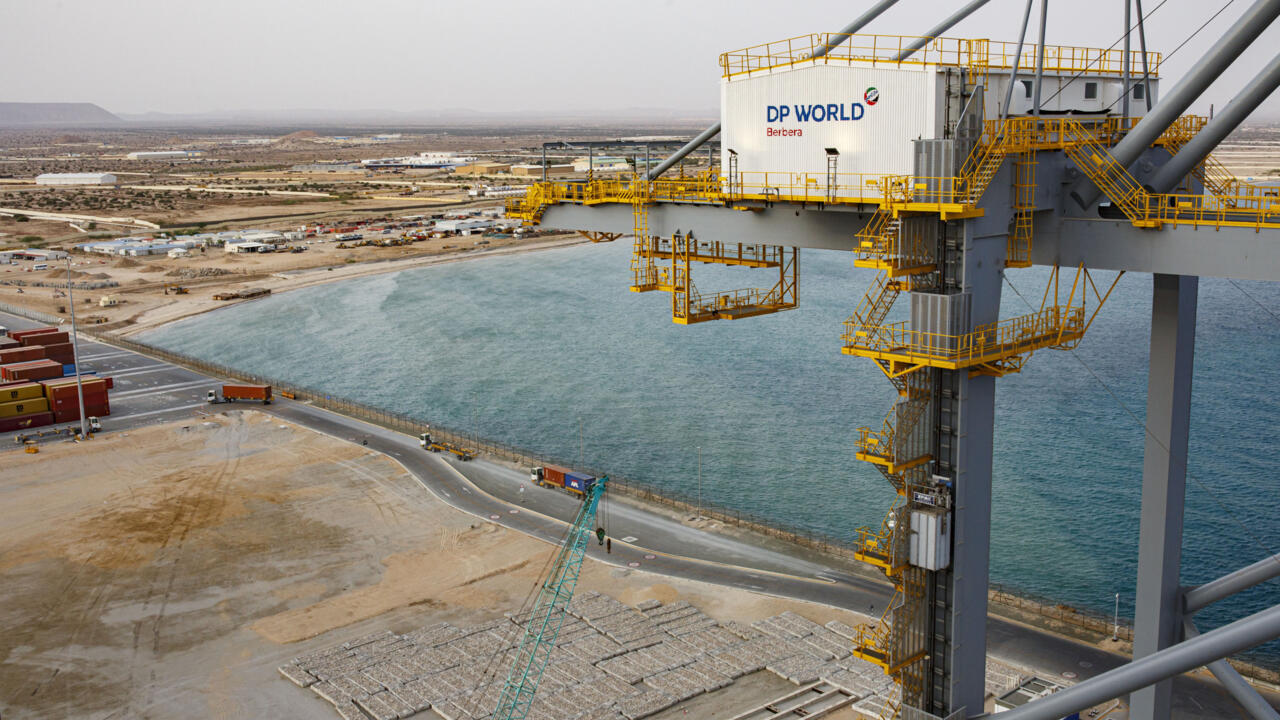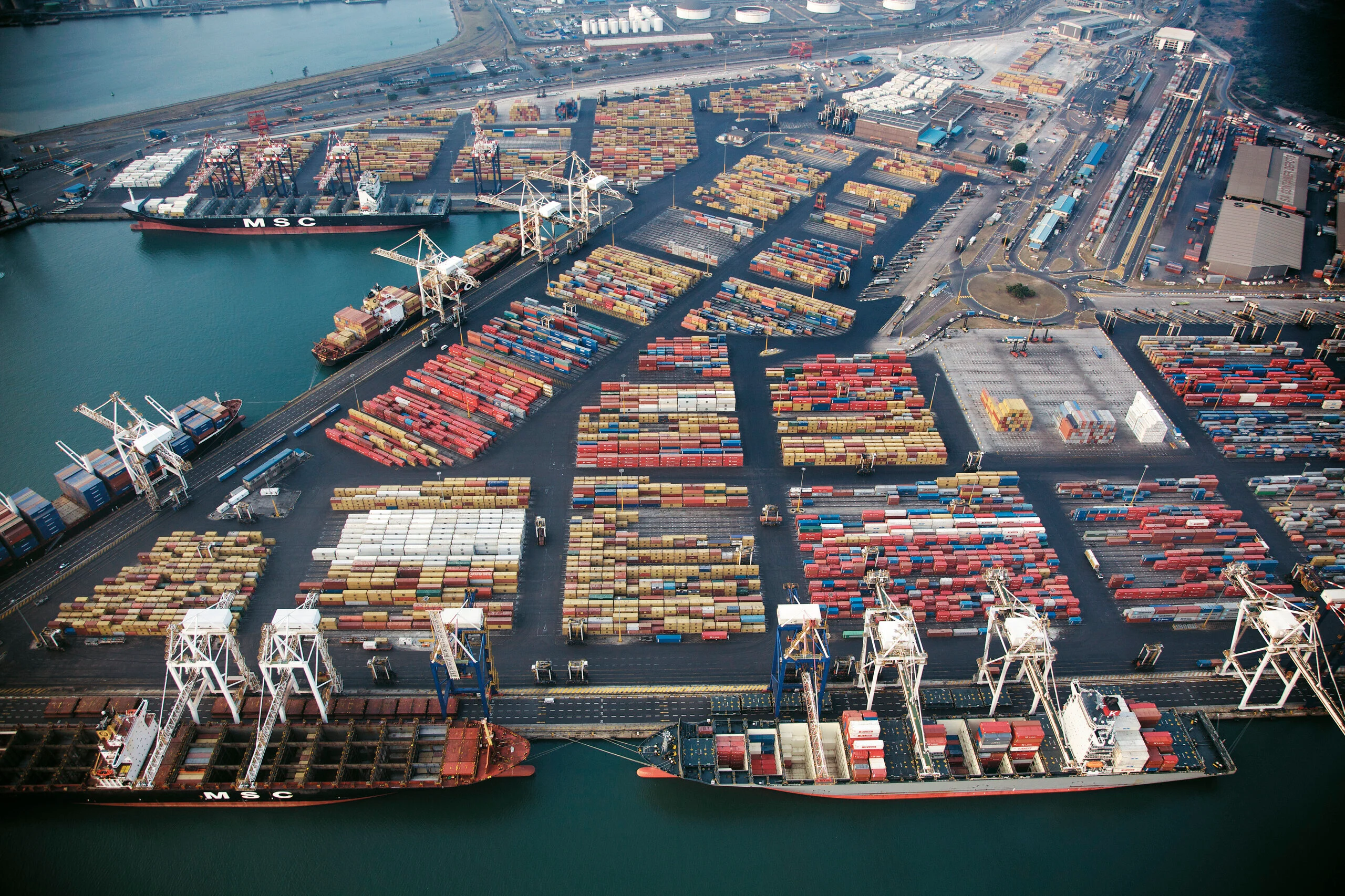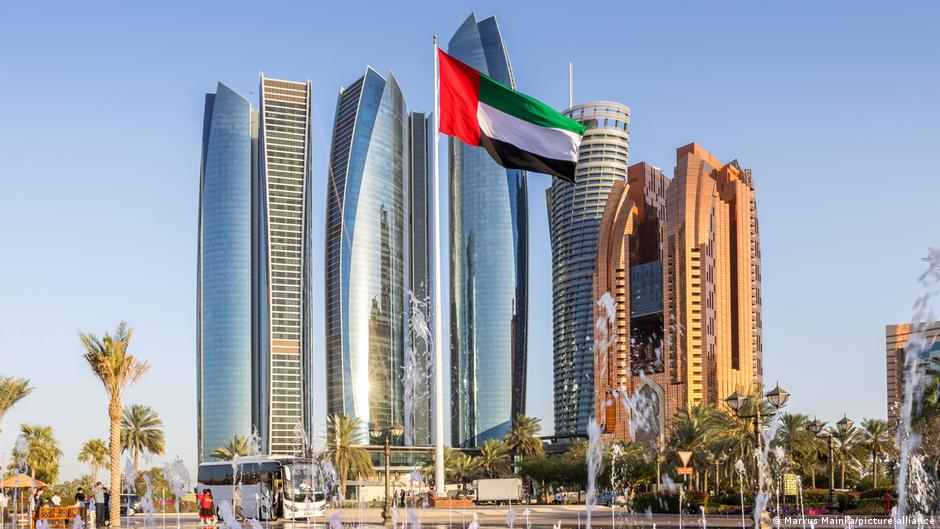
Despite Western governments’ long-standing preoccupation with China’s role in Africa, the major geopolitical transformation occurring across the continent today is the expanding influence of the Middle Eastern middle powers. The United Arab Emirates, Saudi Arabia, and Qatar have equities that extend from the Gulf of Aden in the east to the Gulf of Guinea in the west. Militarily, this includes a continent-spanning archipelago of Emirati military bases and defense cooperation agreements. Economically, this involves an estimated $65 billion in investments in East Africa. The UAE alone invested $47 billion in projects related to infrastructure, security energy, mining, ports, and agriculture, making it the fourth-largest foreign direct investor in Africa behind China, the European Union, and the United States.
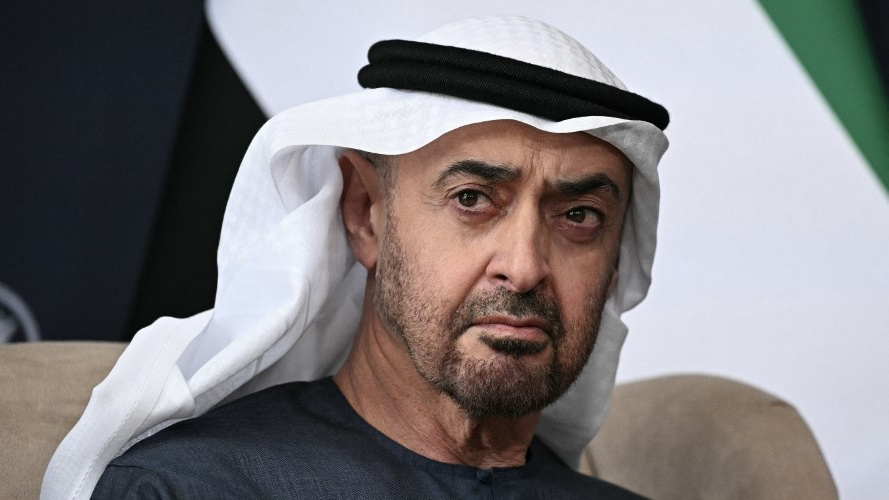
In the last year, there has been growing attention to the ways in which this expansive influence in the Horn of Africa informs U.S. policy. During his visit to the White House in November 2025, Saudi Crown Prince Mohammed bin Salman nudged U.S. President Donald Trump to take action on the Sudanese civil war, after nearly a year of Trump explicitly avoiding the conflict. Following the meeting, U.S. Secretary of State Marco Rubio held talks with members of the Quad—the United States, the UAE, Saudi Arabia, and Egypt—to affect a humanitarian truce. But he failed to achieve any demonstrable progress, partly because of the substantial military and economic relations that the United States maintains with the UAE. Forcing the UAE to change policy on Sudan would cost the United States considerable diplomatic capital with a key regional partner.