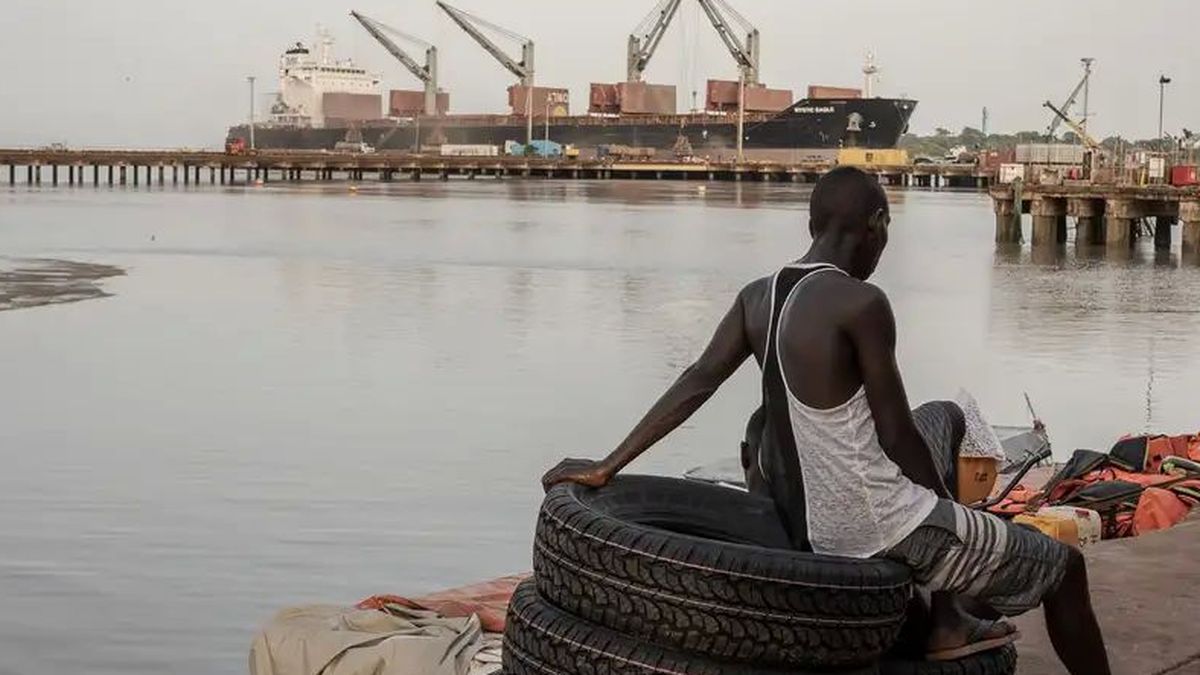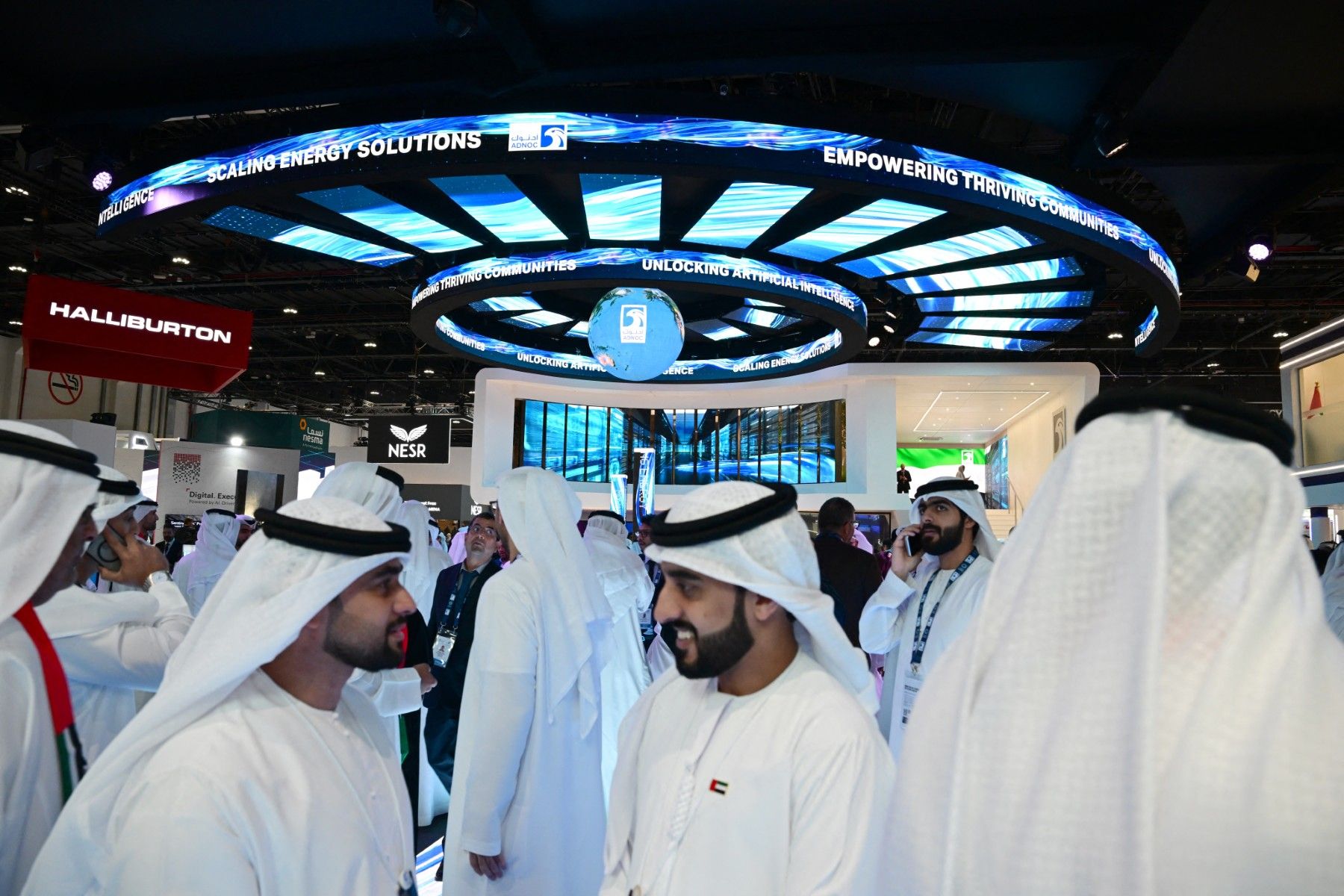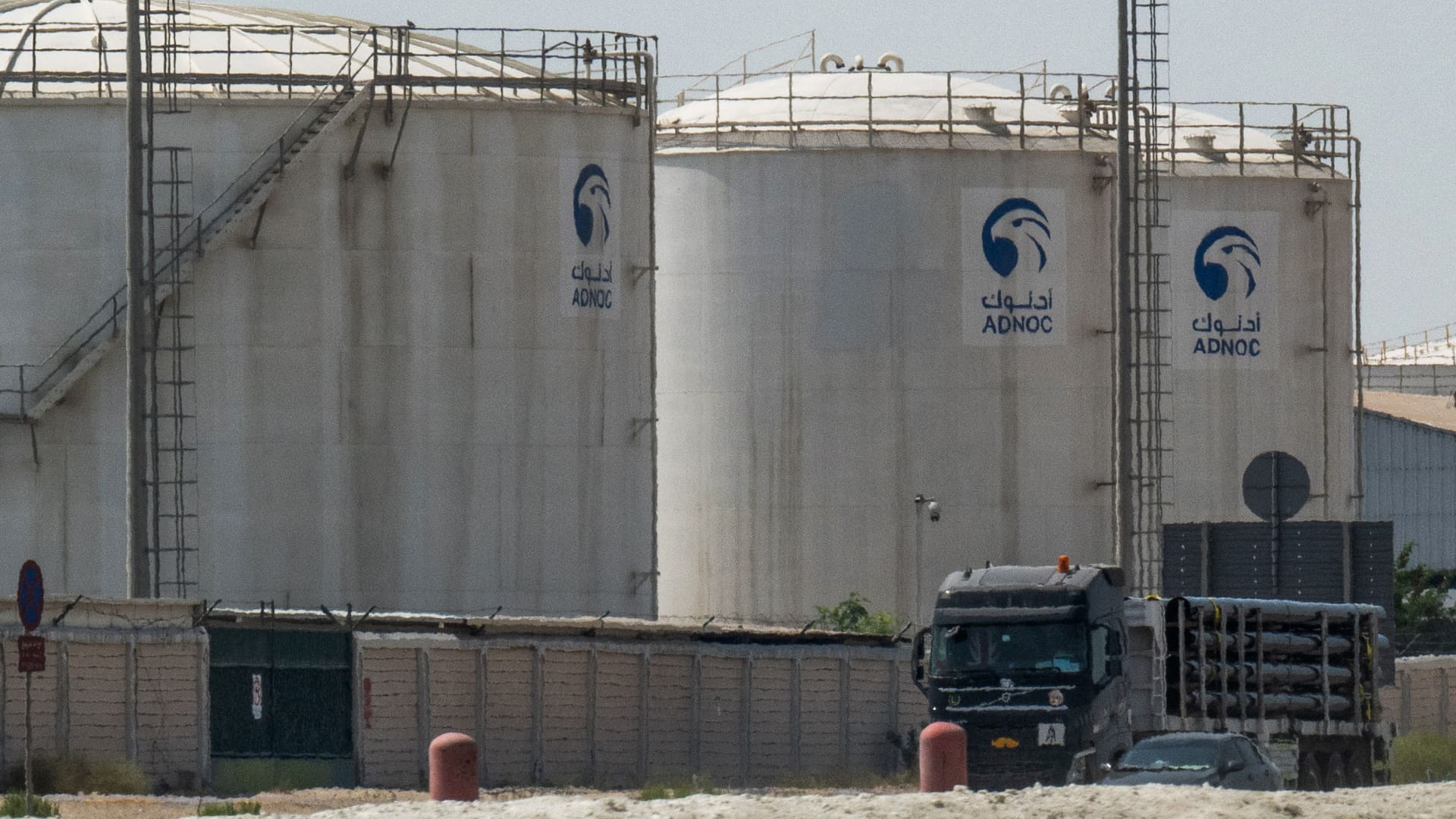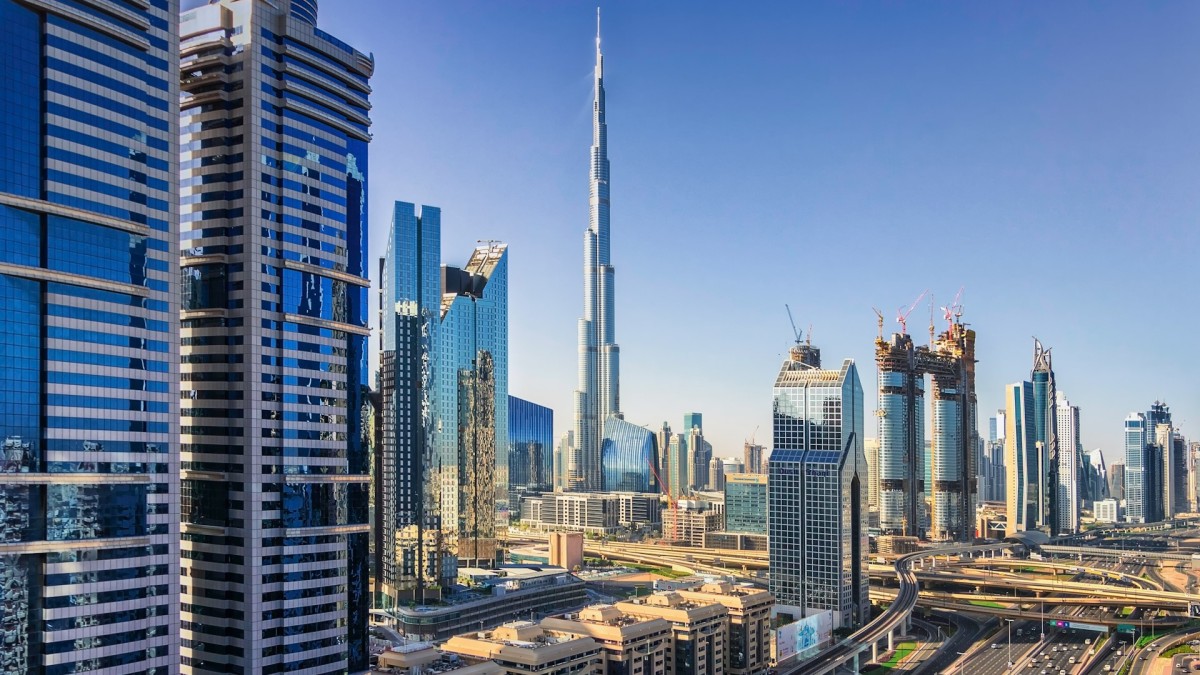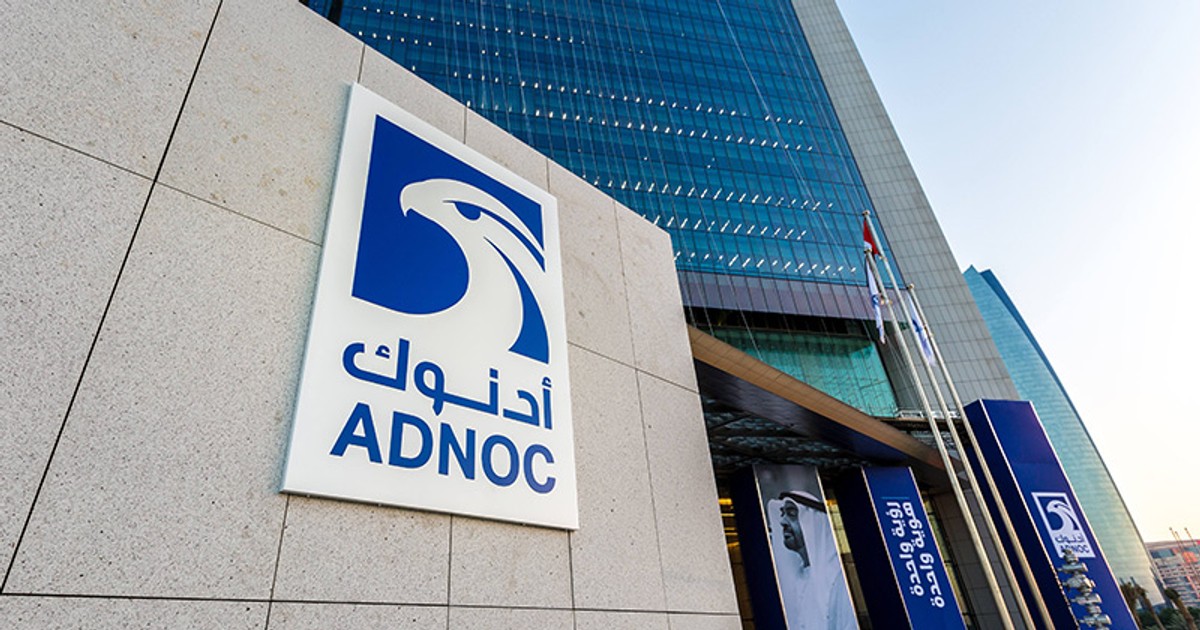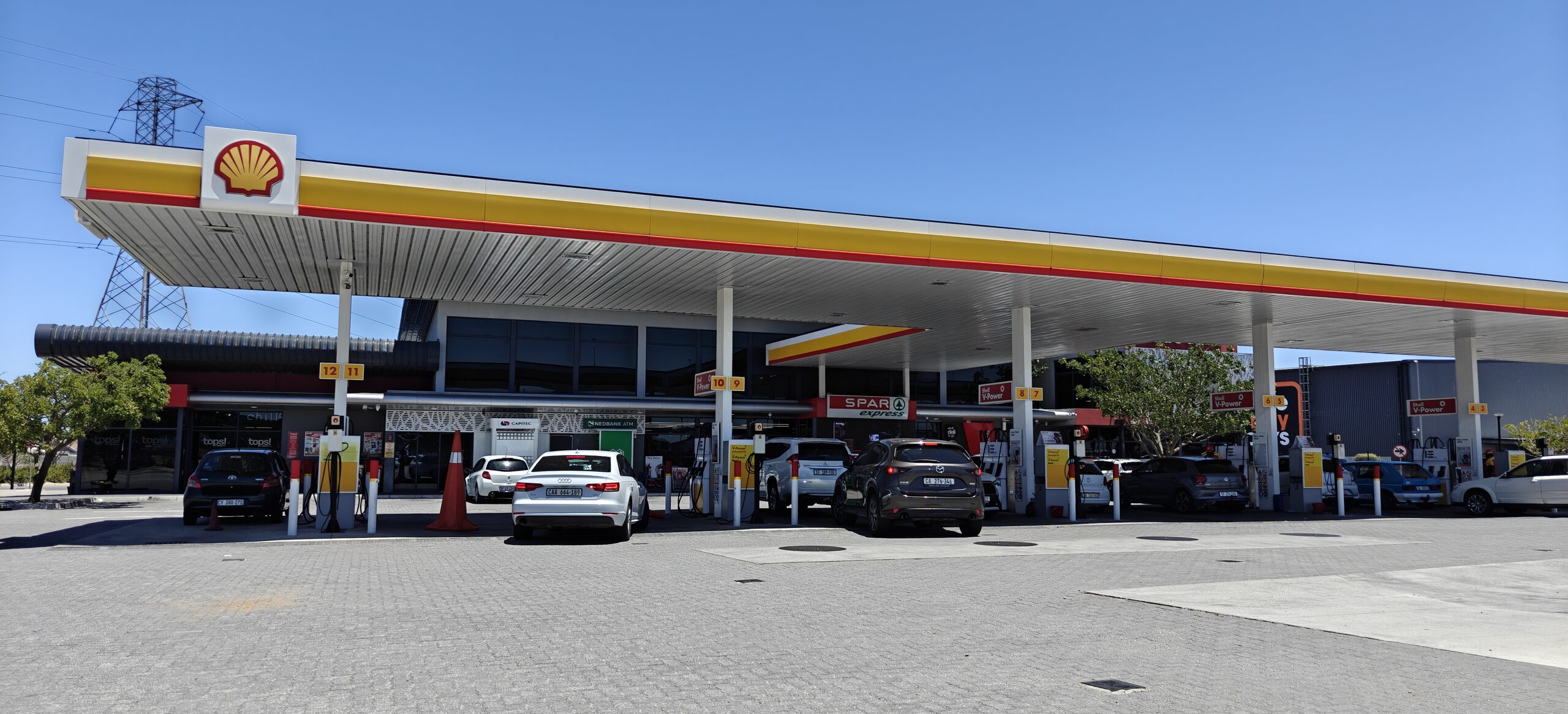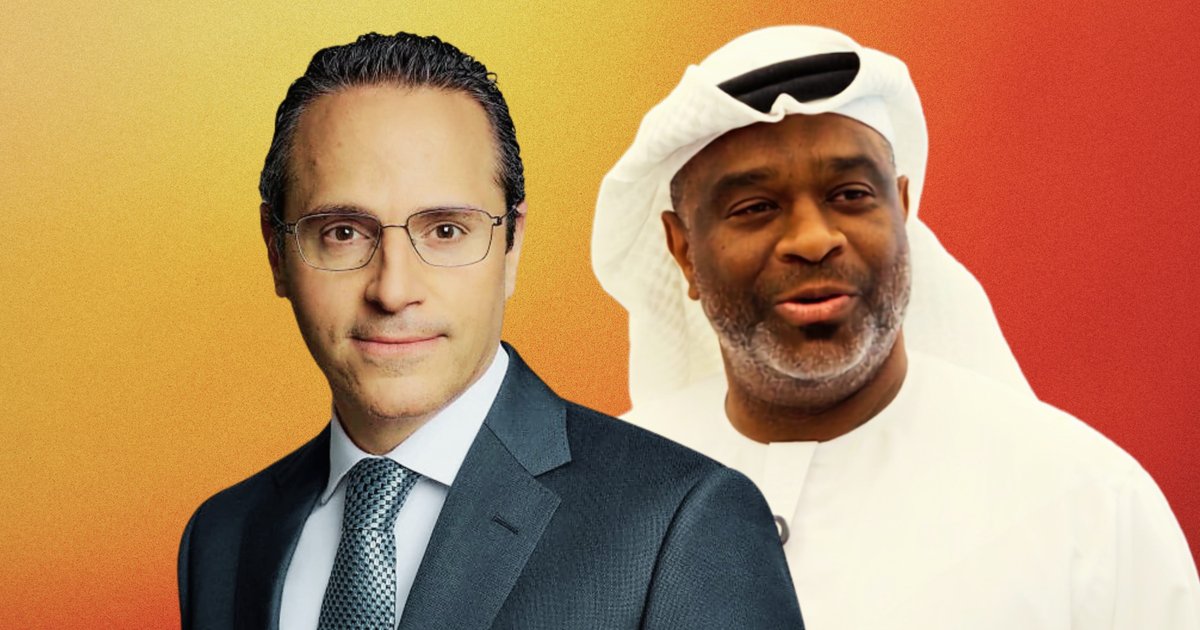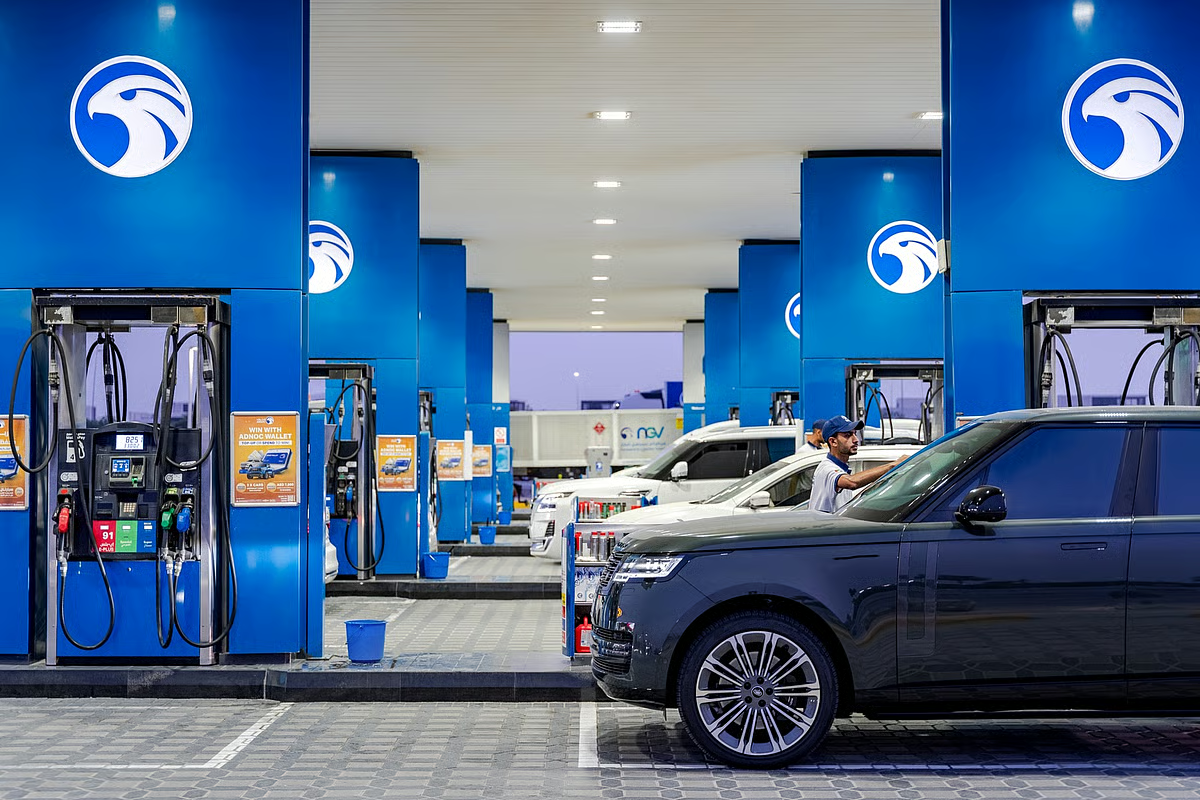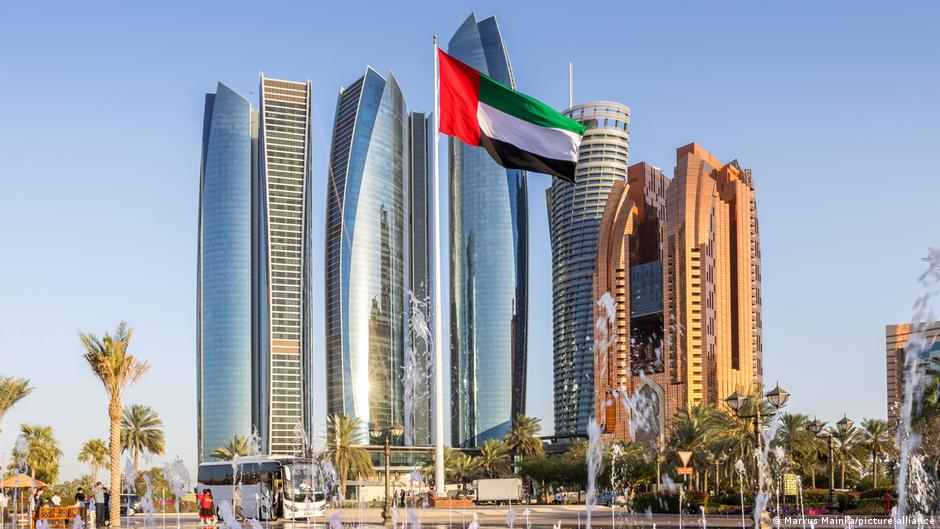
The news came out just a few days ago: ADNOC Distribution, a petroleum retailer in Abu Dhabi, the capital of the United Arab Emirates, will take over energy giant Shell's petrol stations and fuel business in South Africa. The price is thought to be around $1 billion (€870 million). With this purchase Abu Dhabi has assured itself of a place in the African continent's fuel market.
This billion-dollar deal is just one example of a larger trend. Even taking into account the occasional small declines, the Gulf states have been growing their economic presence in Africa for years now.
According to the UK-based think tank Chatham House, the countries belonging to the Gulf Cooperation Council or GCC, have invested more than $100 billion in Africa over the past decade. Around $59 billion of that came from the UAE and another $26 billion from Saudi Arabia.
"For the Gulf states, Africa isn't some far away region — it's right in their neighborhood," said Stephan Roll, a senior fellow in the Africa and Middle East division at the German Institute for International and Security Affairs. In eastern Africa, there are central trade routes and the two regions have had social and economic ties for decades. nobody should be surprised by the Gulf states' increasing engagement in Africa, he told DW.