Story audio is generated using AI
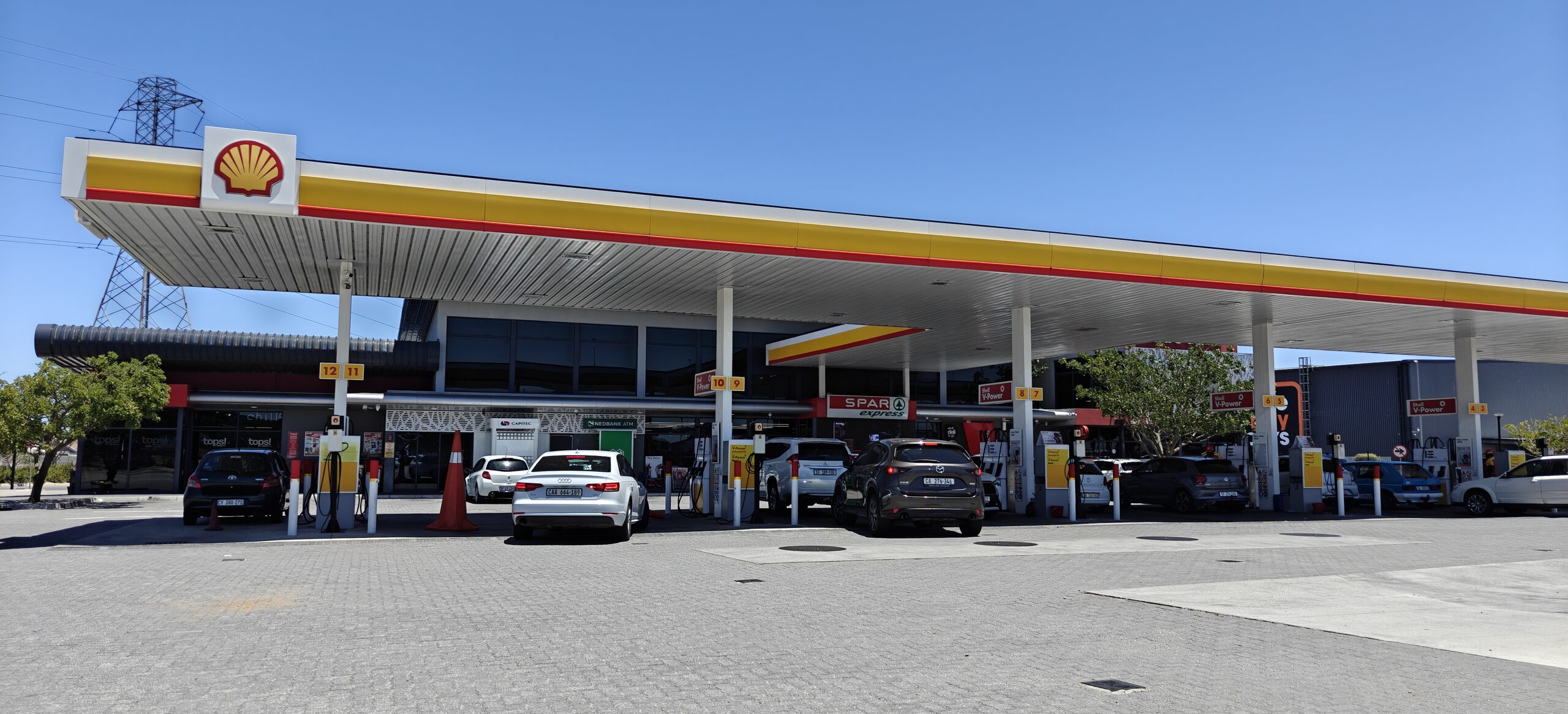
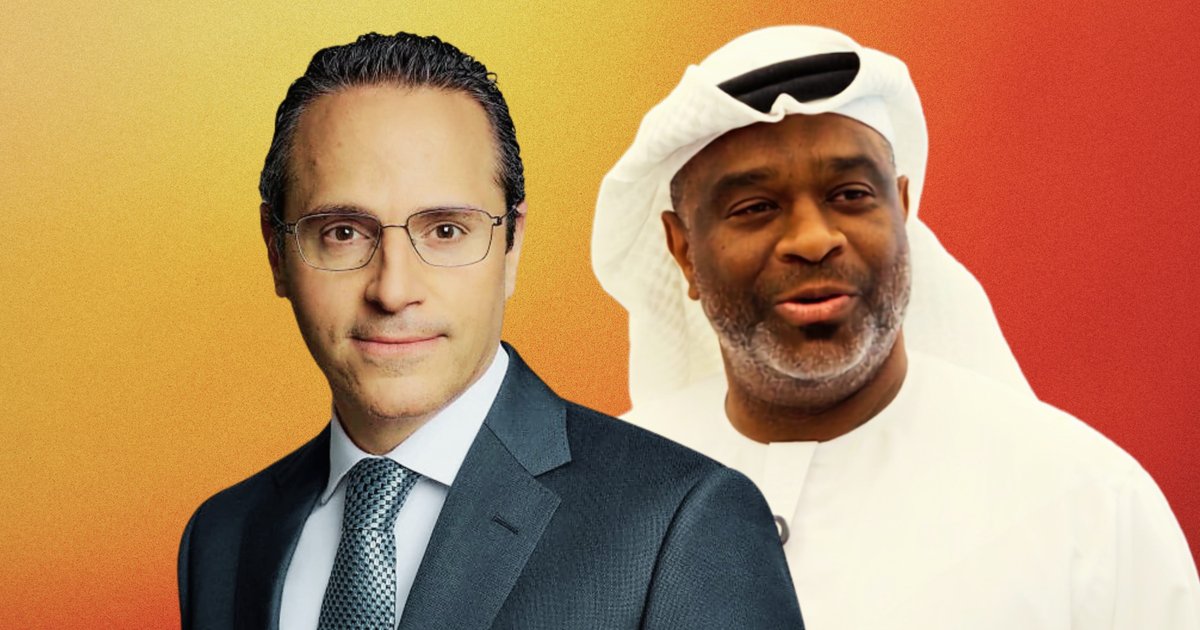
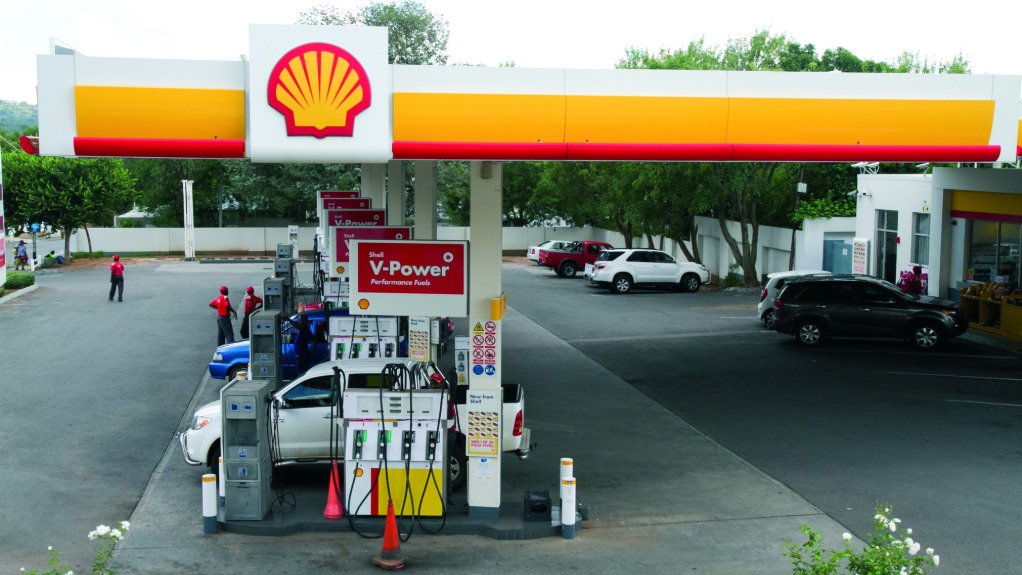
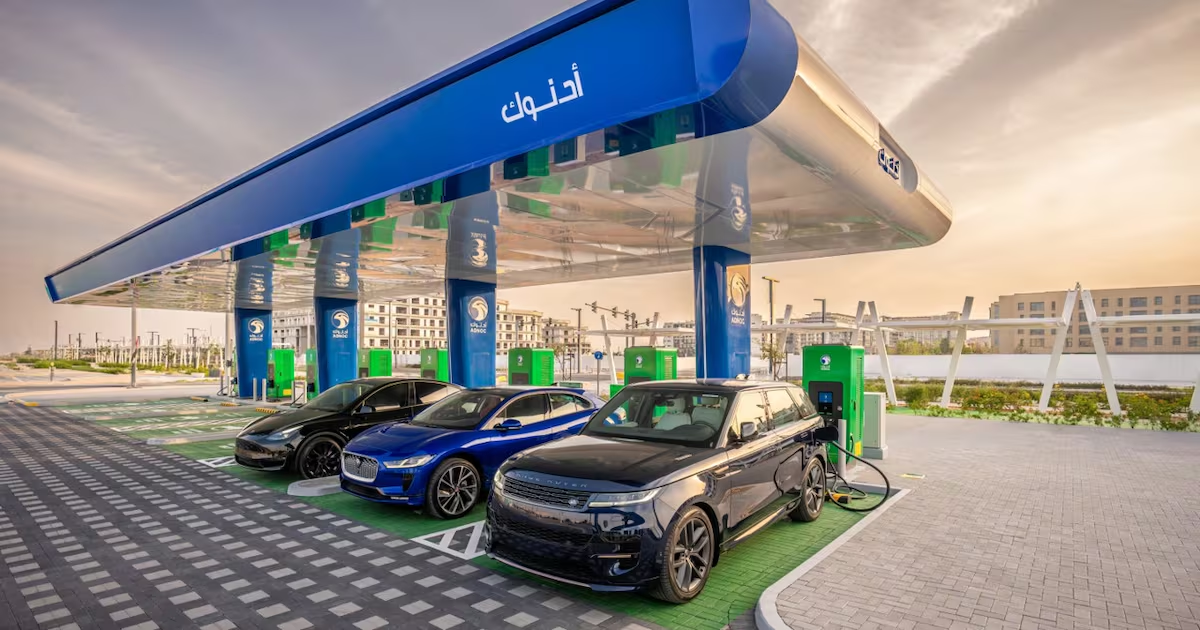
British multinational energy major Shell has chosen Abu Dhabi firm Adnoc Distribution as the preferred suitor for its almost 600-strong network of fuel stations in South Africa in a $1bn (R16.3bn) deal that would mark the company’s largest investment yet outside the United Arab Emirates.Adnoc Distribution CEO Bader Saeed Al Lamki said South Africa presents a powerful investment destination in furtherance of the group’s global expansion.“If you look at South Africa, it has a large population which is either entering the driveable age or is about to do so. There is also a favourable investment environment in the transport sector. You put these two things together, and we definitely see growth,” Al Lamki said in an interview with Business Day.“From a macro point of view, the deal is favourable. The regulatory environment in South Africa is well defined, stable and predictable. The platform we are buying is just under 600 fuel stations. The deal will be cash accretive from day one,” Al Lamki added.“What underpins the whole transaction is that we foresee bringing value to the local market. We will bring a customer experience and make our sites a preferred retail destination. This is the largest M&A transaction we have ever done.”Read: UAE group snatches up Shell’s SA fuel stations in R16bn dealOver the past five years, South Africa’s fuel industry has undergone major transformation. Companies in the sector have been partnering with retail groups to diversify their income since the widespread acceptance of hybrid work in the wake of the Covid-19 pandemic.The deal also comes as new vehicle sales in South Africa are gaining fresh momentum as Asian brands drive down the cost of new vehicles.Motor industry body Naamsa reported that domestic sales of new vehicles in June were the best since 2007.Shell South Africa Downstream country chair Aluwani Museisi said the sale attracted much interest locally and from offshore.“We went through a process of looking at different offers from different players and assessed them against the criteria we had set. We wanted a buyer with capability. First, they [the bidders] needed the financial capability to conclude the transaction,” Museisi told Business Day.“Second, they needed the financial capability and ambition to grow the business, invest in it, and expand its footprint in South Africa. We also wanted someone willing to continue operating under the Shell brand and meet the Shell brand standards.“Most importantly, we wanted someone willing to ensure that none of the Shell employees lose their jobs because of the transaction and that our partners, the retail site owners and operators, continue operating, with their employees’ jobs also secured.”Adnoc has agreed to trade under the Shell brand in South Africa for the “foreseeable future” once the deal is concluded, which is expected to be next year, subject to regulatory approvals.The transaction excludes Shell’s upstream business, in which the group is looking to explore for oil and gas locally. The downstream business houses about 580 company- and dealer-owned fuel stations, commercial fuels and aviation and marine businesses. The company reported fuel volumes of about 3.5-billion litres last year.Museisi said Shell intends to remain a long-term partner of South Africa, supporting the country’s energy needs and ambitions in areas “that are aligned with our strategy and where Shell has differentiated capability”.However, the company’s exploration activities in South Africa have faced stern legal challenges. “For upstream, I think the regulatory uncertainty is what limits our ability to invest as much as we would like. Our commitment is to have certainty about the rules of the game for the upstream sector in South Africa,” Museisi told Business Day.“If you look at mining, for example, there are very clear standards and rules governing how to establish and operate a mine. For us, what’s important is having the same certainty about what operating an offshore business in South Africa looks like.”Adnoc Distributors is 77% owned by the Adnoc Group, which is chaired by Sheikh Mohamed bin Zayed Al Nahyan, president of the UAE and ruler of Abu Dhabi.Through its bank, First Abu Dhabi Bank (FAB), the Emirati royal family is also seeking a banking presence in South Africa.FAB is engaged in a legal battle with FirstRand, which is opposing FAB’s trademark application, arguing it resembles that of its subsidiary, FNB. FAB is seeking trademarks for its companies that offer fund investment, internet banking services, mobile banking services, banking, business banking information, financial liquidation services, and capital investment services, among other things.FAB was created from a 2017 merger between First Gulf Bank and National Bank of Abu Dhabi, becoming the UAE’s largest lender. Business Day