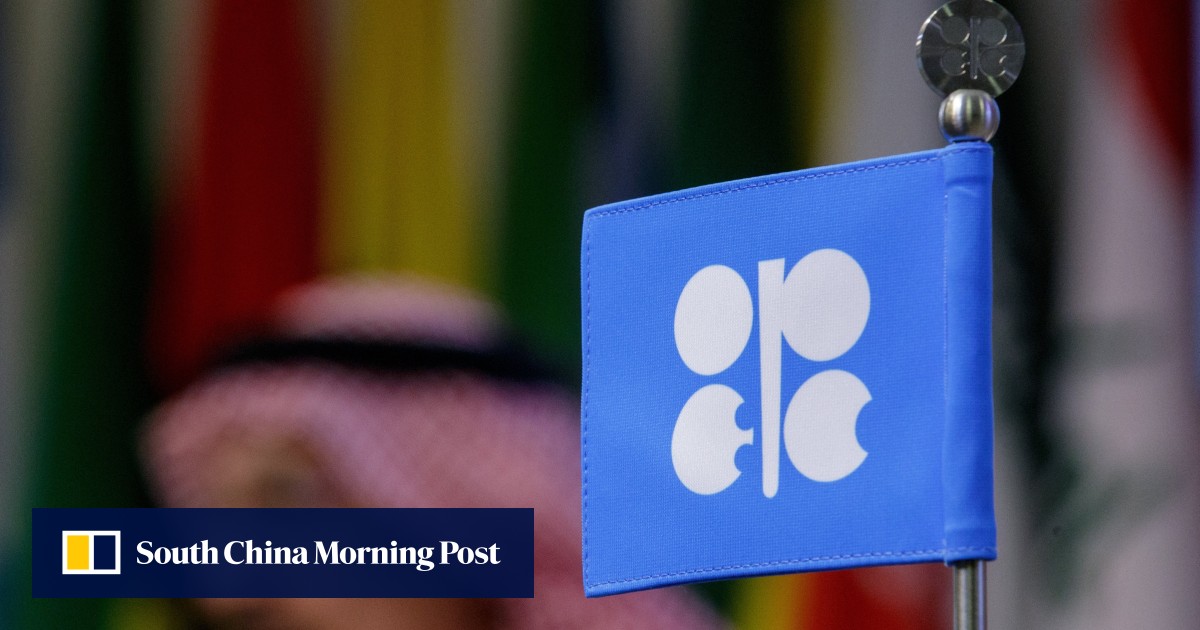
On 28 April 2026, the United Arab Emirates announced its withdrawal from OPEC, effective 1 May. The official communiqué was measured, almost courteous: “The time has come to focus our efforts on what our national interest dictates.”
Behind this diplomatic formula lies one of the most profound reconfigurations of petroleum geopolitics since the cartel’s founding in 1960.
The UAE was OPEC’s third-largest producer, accounting for roughly 14% of its total capacity. Its departure is not that of a peripheral member, it is that of a cornerstone.
A calculated break
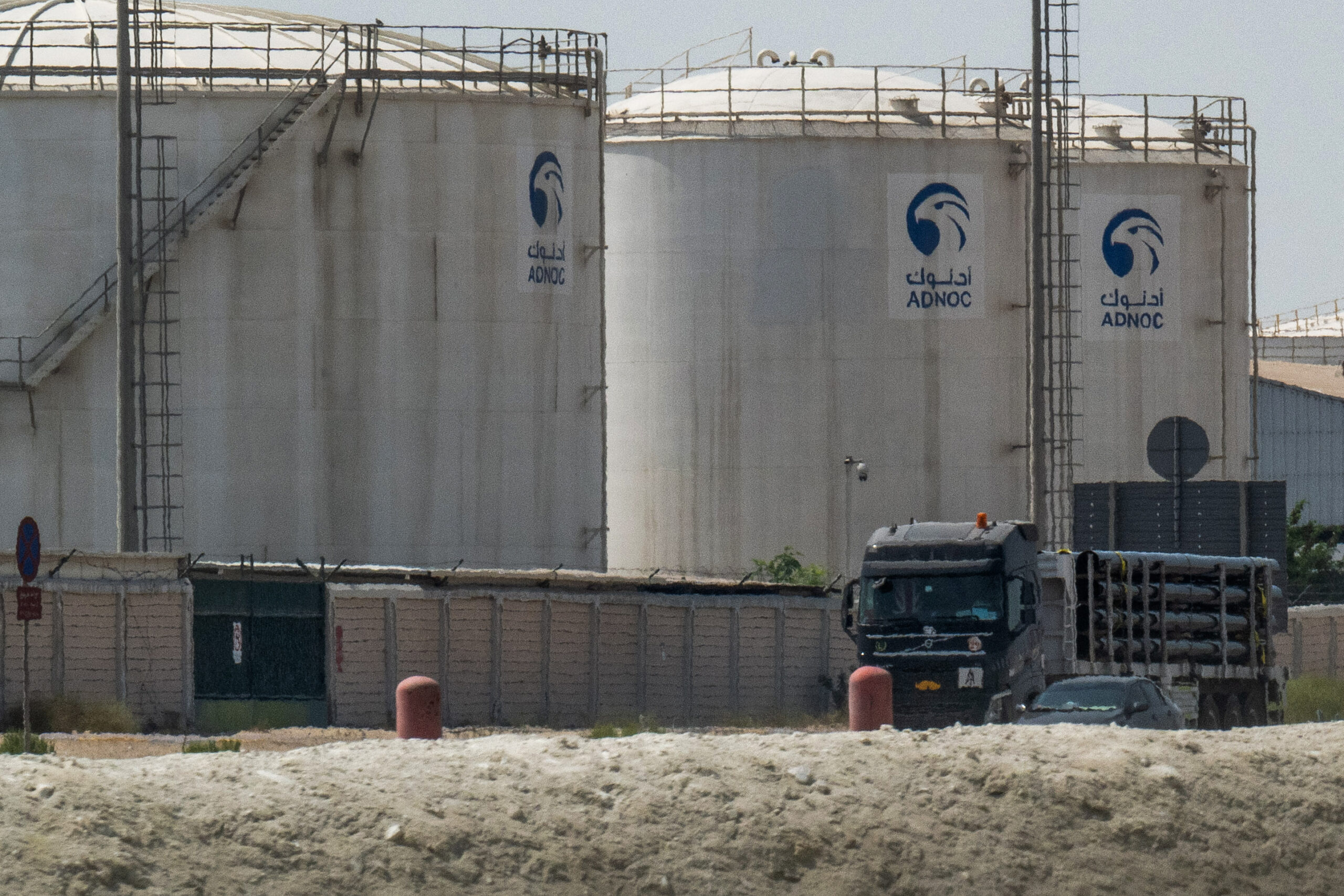
The logic is straightforward. ADNOC has committed $150bn over 2026–2030 to raise production capacity to 5 million barrels per day by 2027, up from 3.4 million currently. That near-50% expansion was structurally incompatible with OPEC+ quotas capping Emirati output at around 3.2 million barrels per day. The UAE was financing infrastructure it was not permitted to use, an economically untenable position.