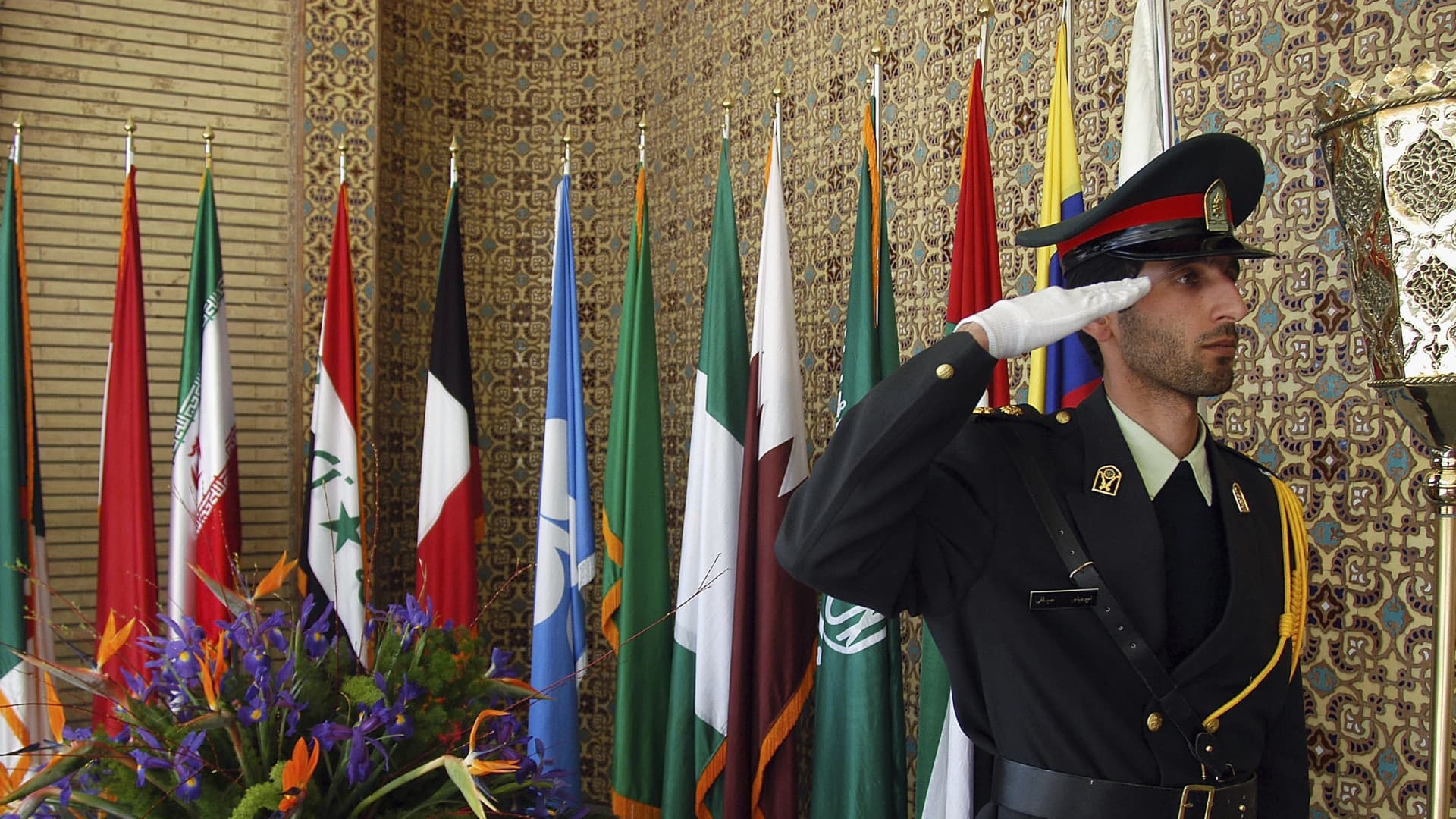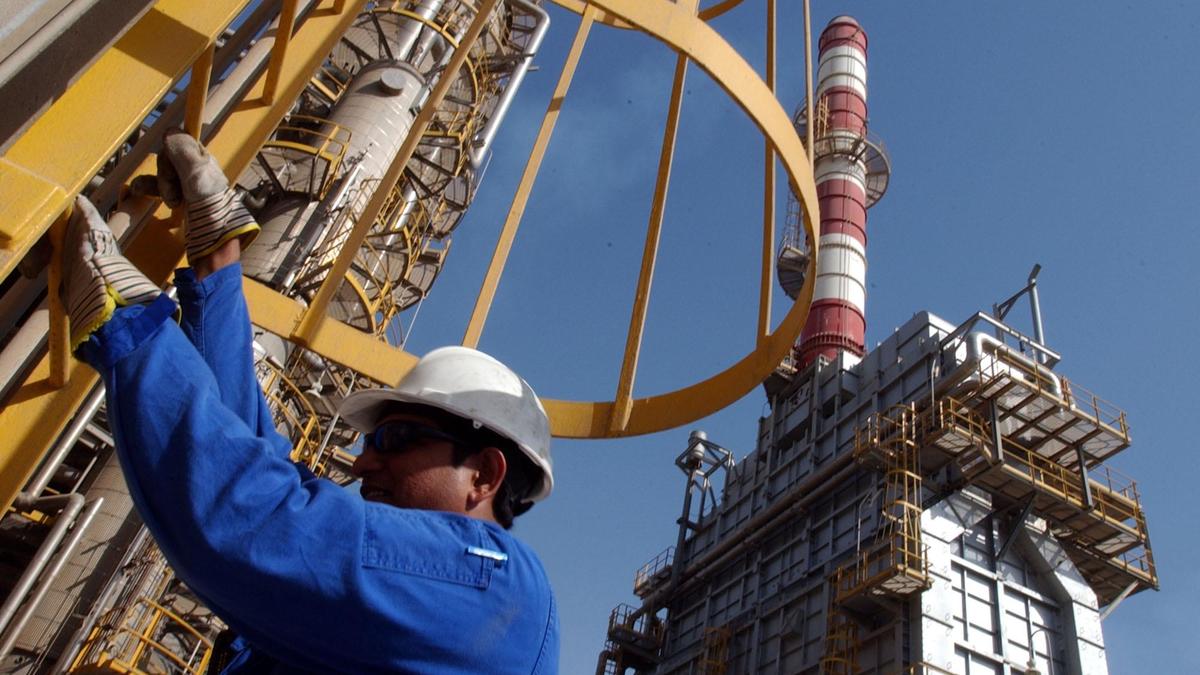
The United Arab Emirates (UAE) on Tuesday announced it is leaving the Organization of the Petroleum Exporting Countries (OPEC) and the wider OPEC+ alliance, effective May 1. The move strips the oil cartel of one of its largest and most reliable producers, dealing a significant blow to group cohesion at a time when the ongoing U.S.-Israel war on Iran has triggered an energy shock and severely disrupted global oil flows through the Strait of Hormuz, a critical choke point.
In a statement carried by state news agency WAM, the UAE described the decision as reflecting its “long-term strategic and economic vision and evolving energy profile”. It cited the need for greater flexibility to invest in domestic energy production and respond independently to market conditions amid “near-term volatility”.
OPEC, founded in 1960, is a cartel of major oil-producing nations that coordinates production policies to influence global oil supply and prices. It currently has 12 members, including Saudi Arabia (the de facto leader), Iraq, Iran, Kuwait, and, until now, the UAE. The UAE joined OPEC in 1967 through Abu Dhabi.
In 2016, OPEC formed OPEC+ with non-OPEC producers like Russia to extend its influence over nearly half of global oil output. The group sets collective production quotas, often cutting output to support higher prices or increasing it when markets need more supply.