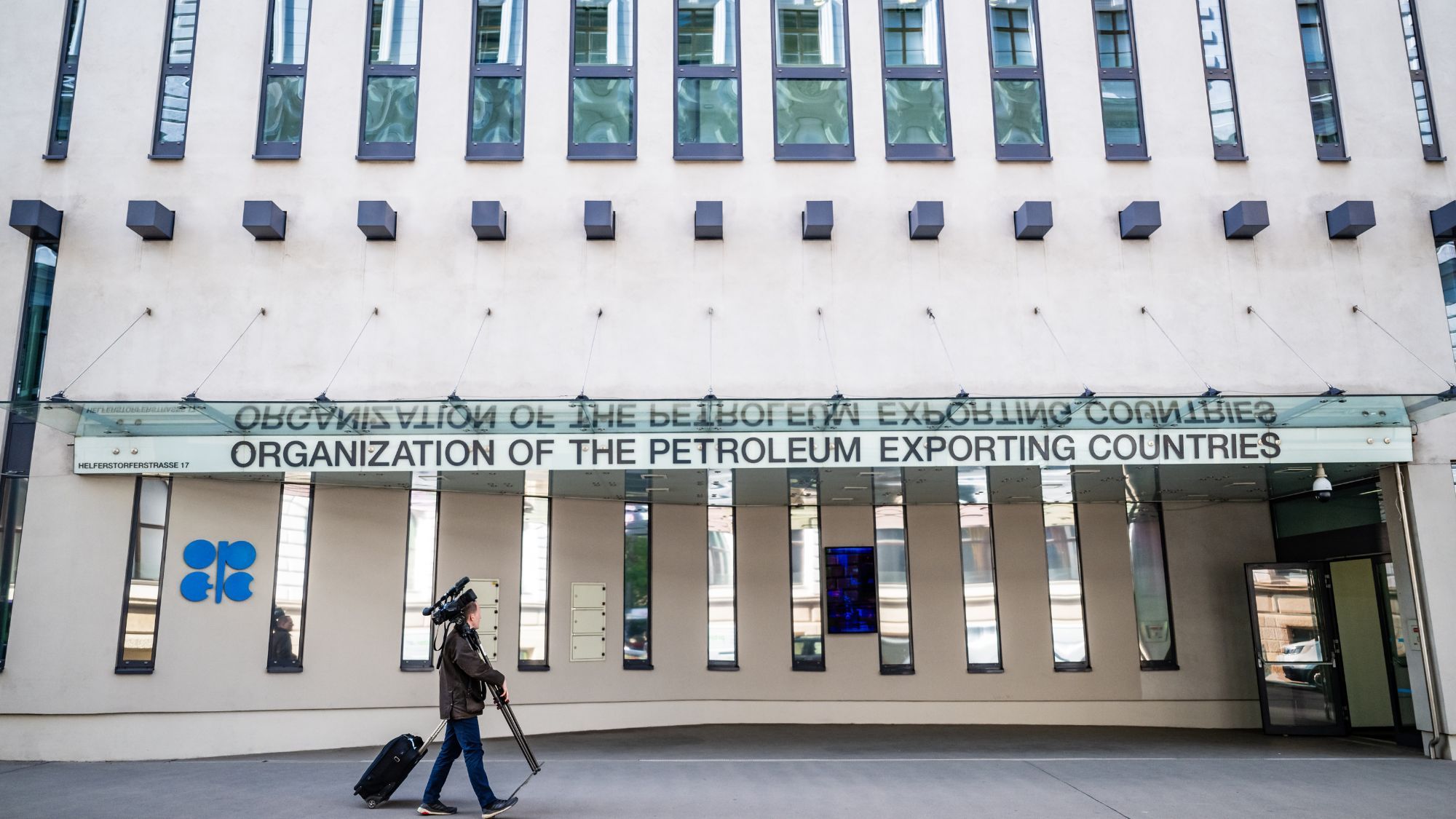
The United Arab Emirates is walking away from OPEC. After nearly six decades of membership and roughly three years of internal debate, the Gulf state announced on April 28 that it will leave both OPEC and its extended alliance, OPEC+, effective May 1, 2026.
The move strips OPEC of its third-largest producer, behind Saudi Arabia and Iraq, and represents one of the most consequential defections in the cartel’s history.
Why the UAE is leaving
Dr. Anwar Gargash, advisor to the UAE President, framed the departure as a pivot toward what he called “strategic autonomy” in energy policy. The core frustration: production quotas that have kept the UAE well below its actual capacity.
Here’s the math. The UAE’s current OPEC-imposed production cap sits at around 3 million barrels per day. Its actual production potential is closer to 4.8 million barrels per day. That’s a gap of roughly 1.8 million barrels daily, or about 60% of unused capacity just sitting there.