https://arab.news/n42xb
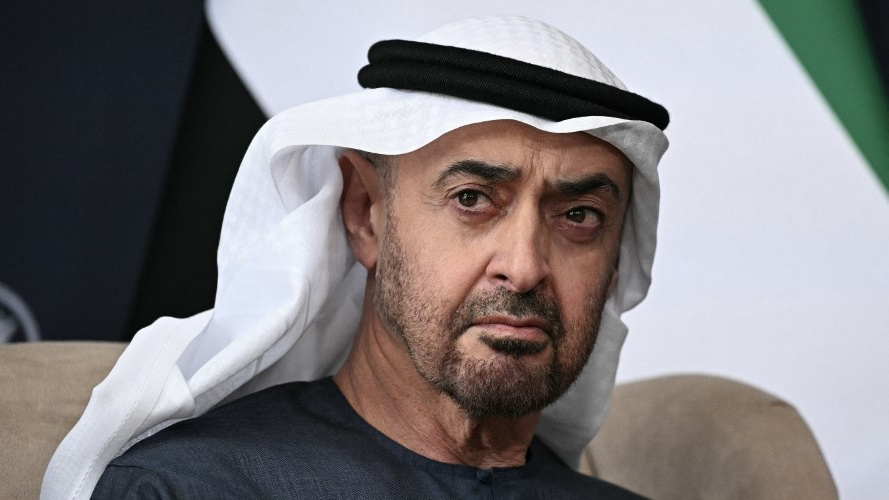
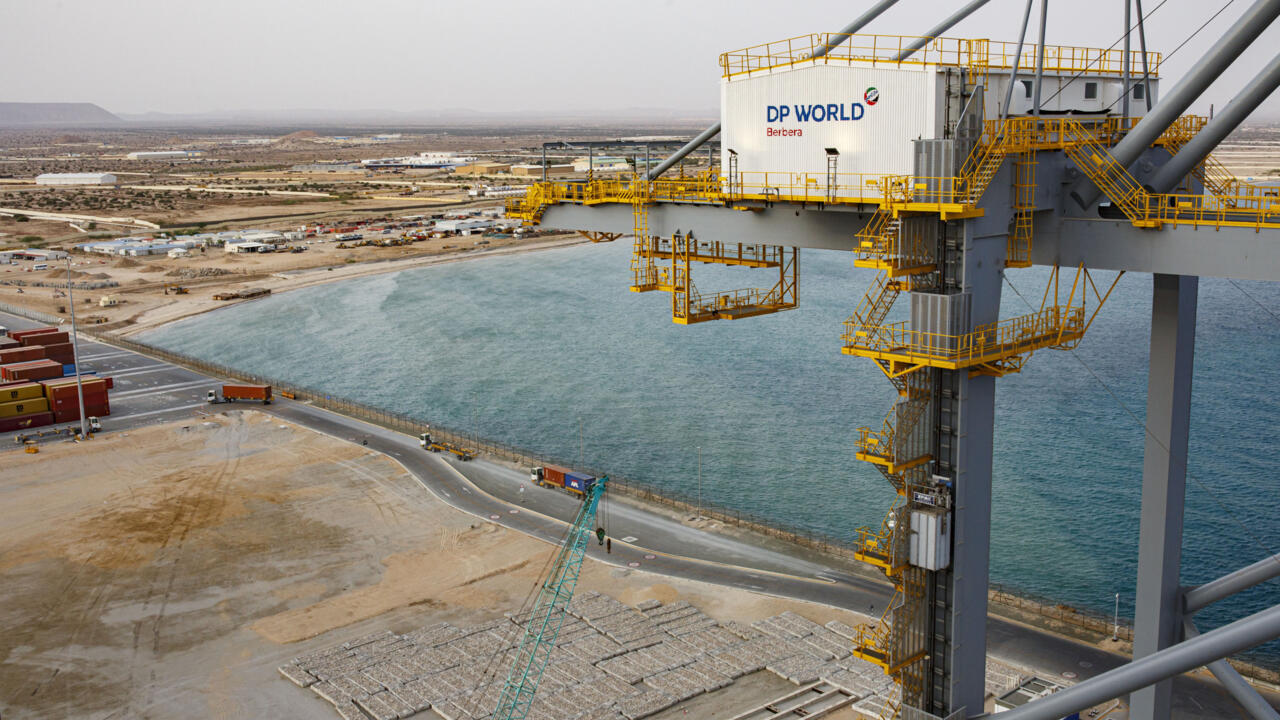
Libya has never lacked for foreign meddlers, yet few have shaped its dysfunction as profoundly as the UAE. A chaotic post-Qaddafi era created an opening for assertive actors seeking pliable allies and geopolitical footholds. Abu Dhabi stepped into that opening with unmatched ambition, treating Libya as a proving ground for a regional model of power projection that prizes influence over stability, armed clients over institutions and tactical gains over long-term order.
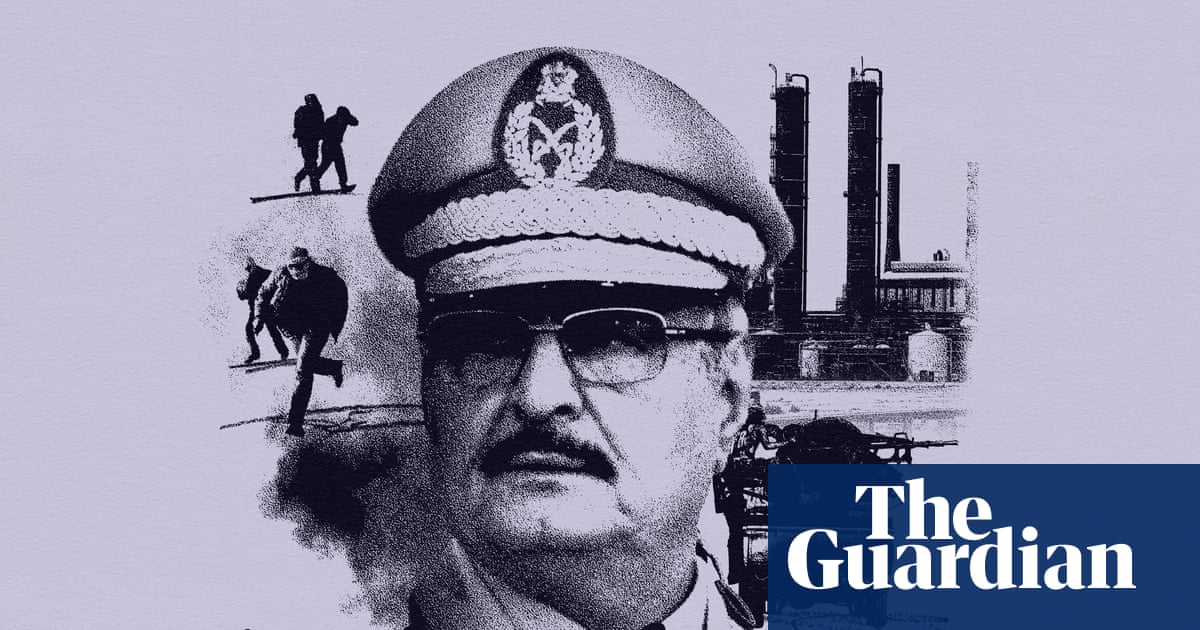
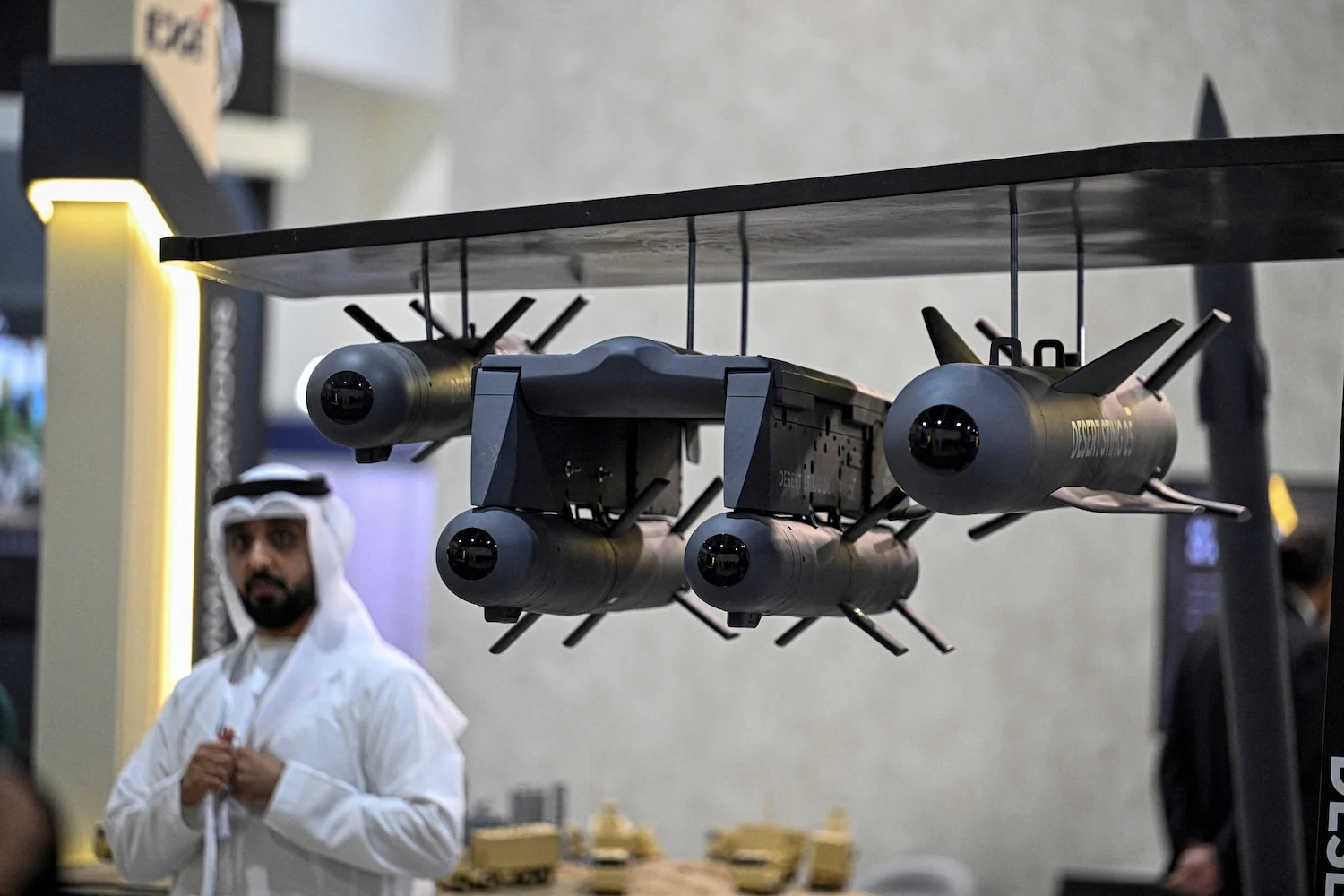
The results have been corrosive: a fractured political arena, empowered warlords, militarized patronage networks and a state unable to reclaim its path to sovereignty and, perhaps, some form of democracy. At the core of Abu Dhabi’s strategy remains Khalifa Haftar’s entrenchment and the fragmentation of national authority. Haftar’s strategy relies heavily on external supply lines, with the UAE delivering money, weapons, mercenaries and political guarantees.
As such, the UAE’s backing has allowed Haftar to consolidate a personalized chain of command, marginalize civilian authorities and harden rival institutions. That empowerment comes with a predictable cost. National reconciliation has become hostage to the ambitions of an aging strongman whose authority derives less from internal legitimacy than from foreign patrons. Libya’s parallel central banks, dueling governments and splintered armed forces are just a few symptoms of an engineered imbalance.