https://arab.news/6uvnn
Turkiye’s Libya policy has evolved over recent years due to shifting dynamics in the Eastern Mediterranean and the broader region. Today, Ankara is both a political and military actor in Libya. For the sustainability of its policy, it needs friends rather than rivals — or, in other words, it needs pragmatic understandings even with actors whose interests may not always align with its own.
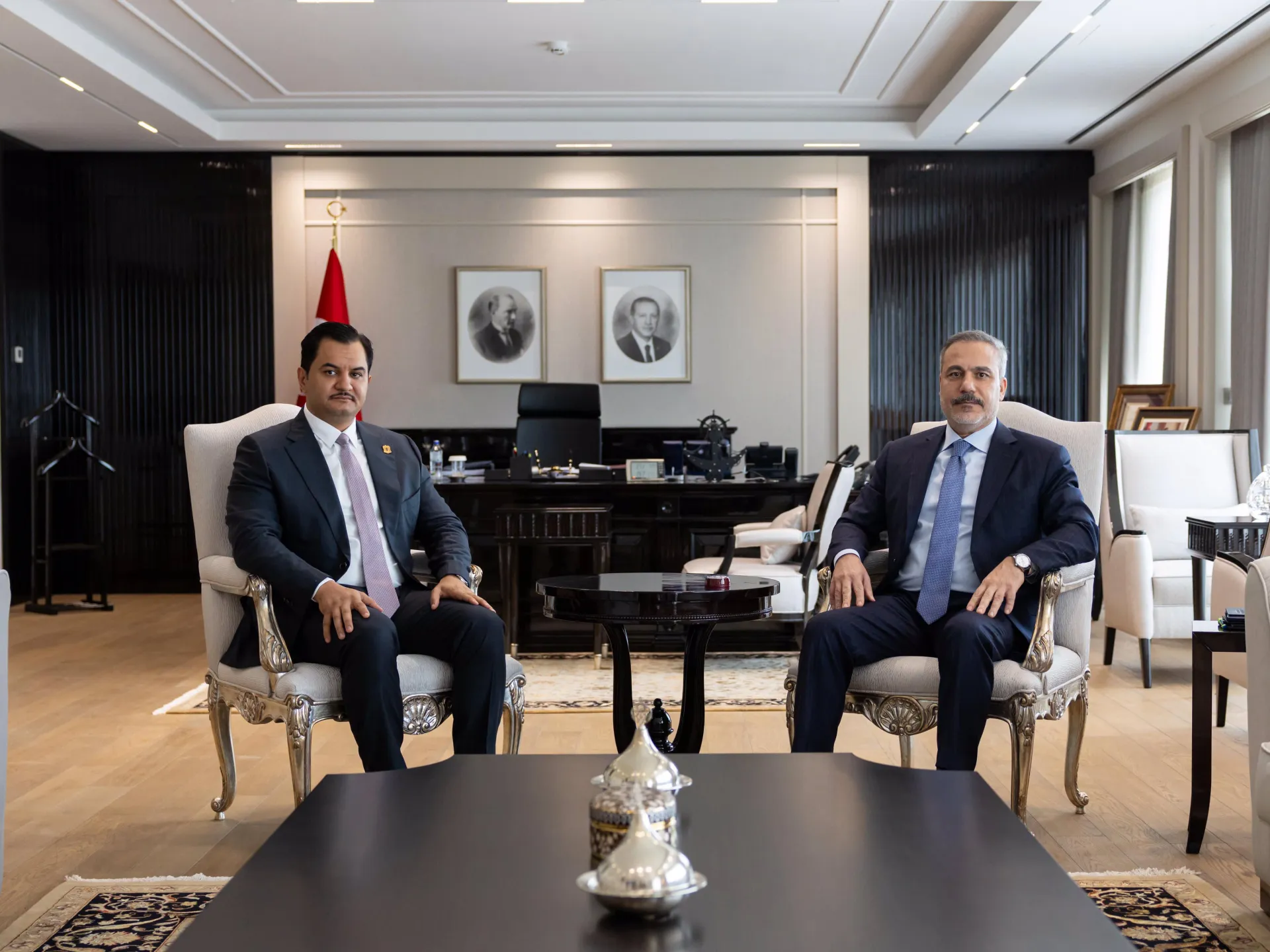
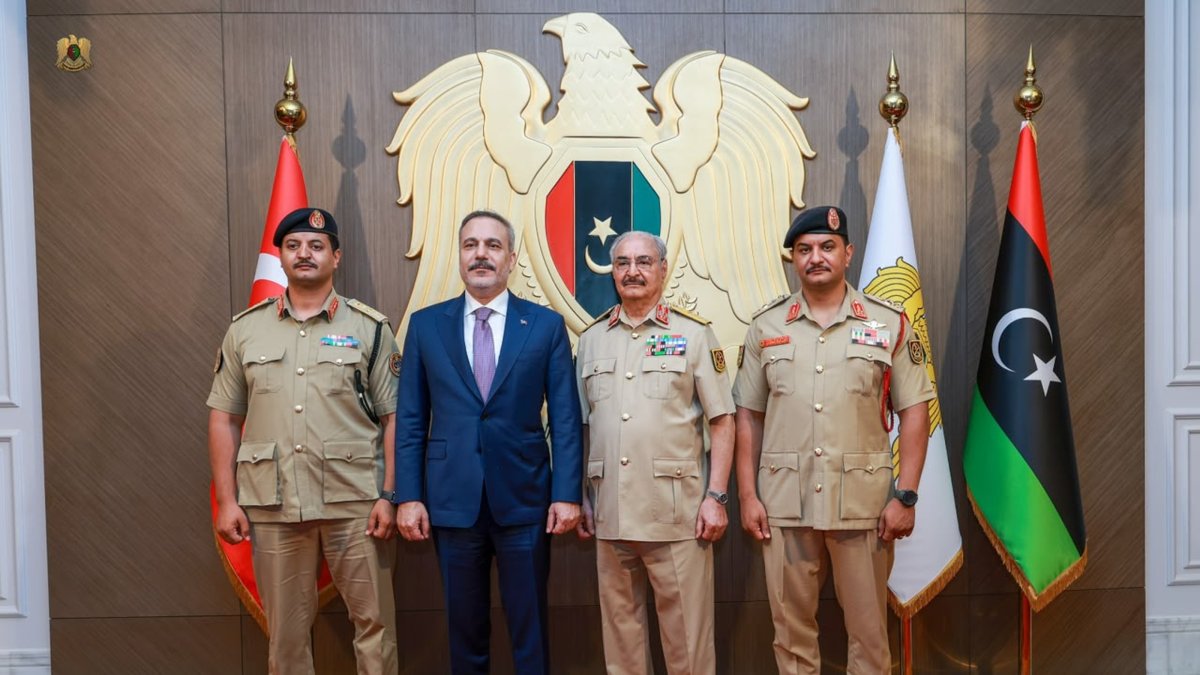
Since the stakes are high in Libya and the Eastern Mediterranean, it is natural that Turkiye faces certain constraints. One previous constraint was the nature of its relations with Libyan National Army leader Field Marshal Khalifa Haftar. In April, in a strategic and pragmatic move, Ankara welcomed Haftar’s son, Saddam, who met with Defense Minister Yasar Guler and other top military officials. This signaled Ankara’s willingness to engage with actors it had previously opposed.
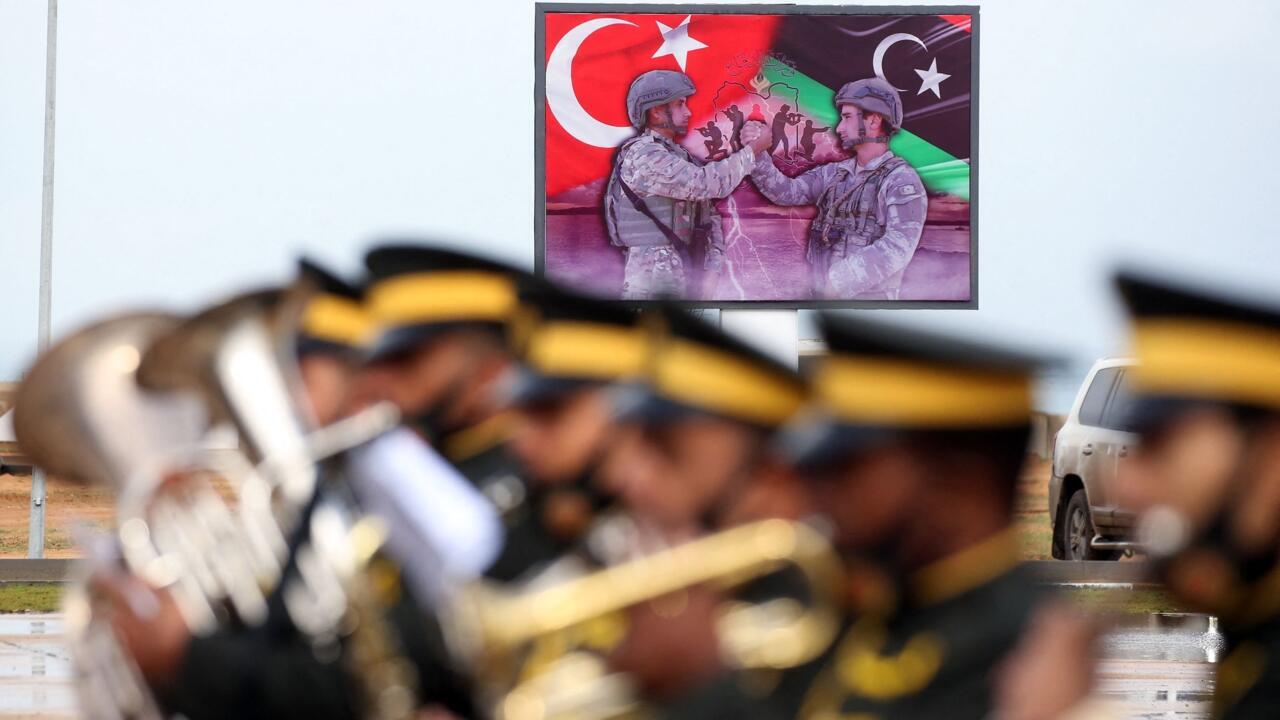
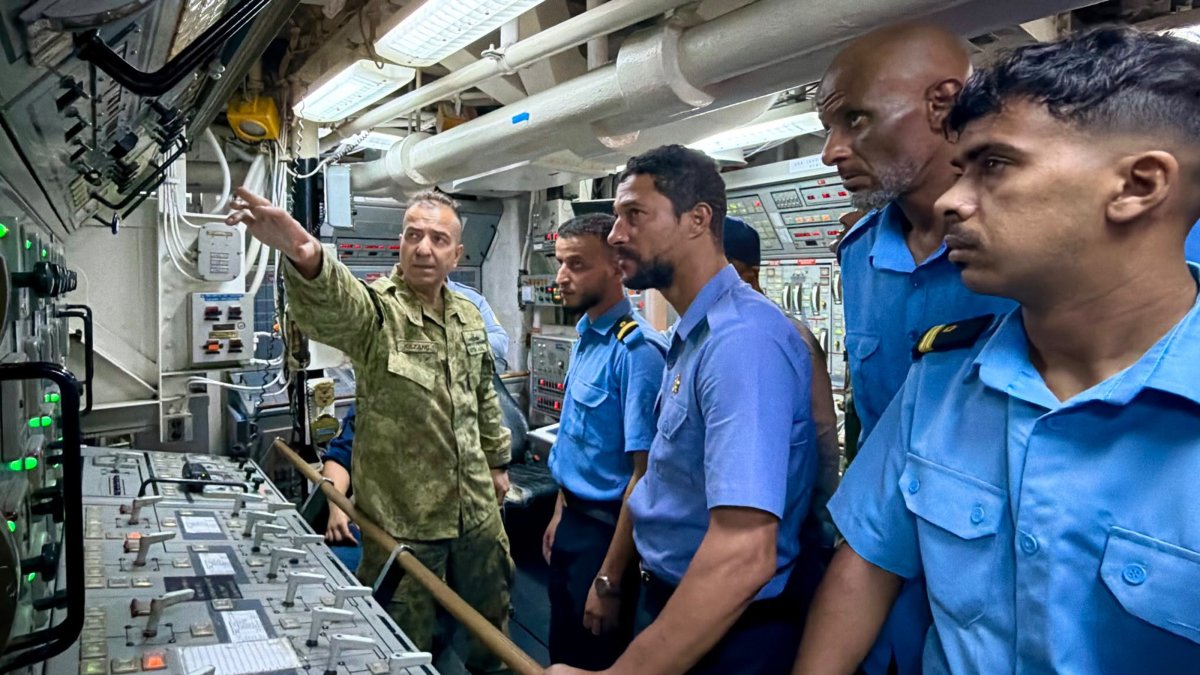
However, this engagement did not mean a change in Turkiye’s Libya policy, but rather an acknowledgment of the evolving realities on the ground. While pursuing political and diplomatic engagement, Ankara is also determined to maintain a strong military footprint in Libya. For instance, the Turkish presidency this week formally submitted a motion to parliament for a 24-month extension of Turkish troops’ deployment in Libya.