https://arab.news/rnm9x
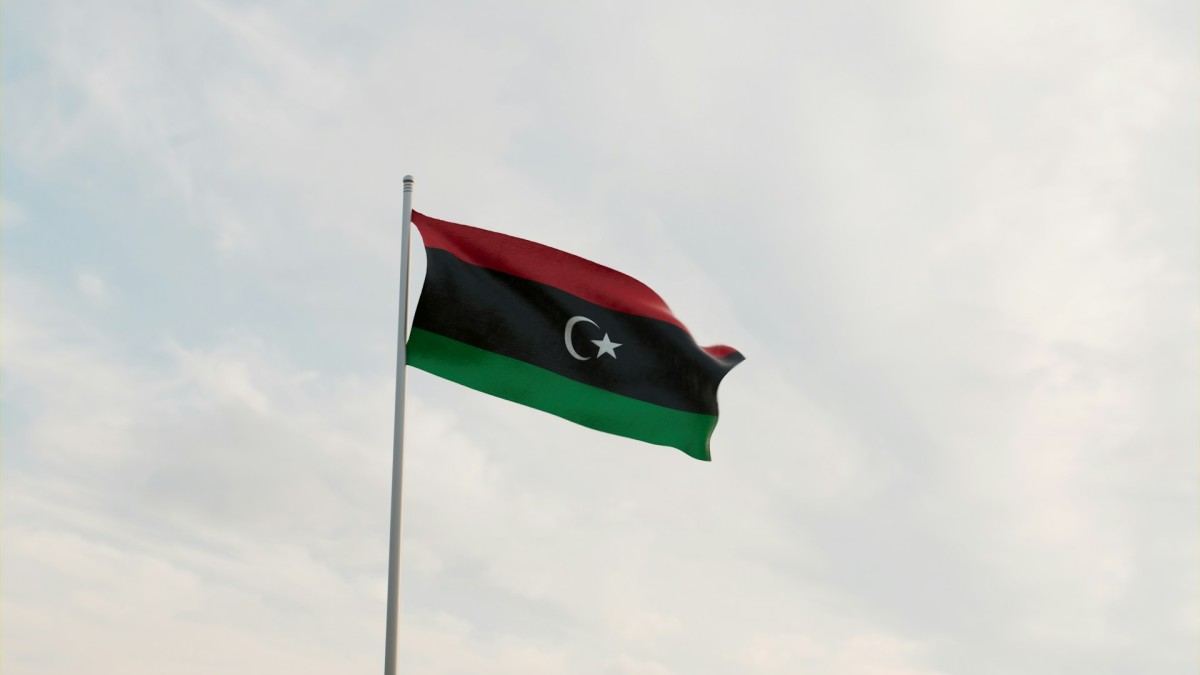
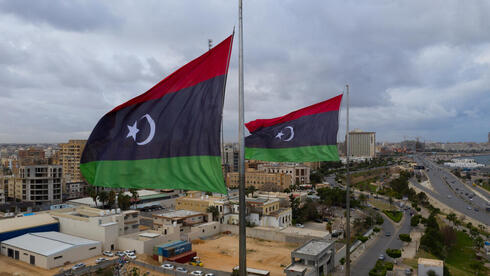
In Libya, the language of state-building is often just a dialect of theft. While political leaders publicly champion sovereignty and institutional reform, their private battles are waged over control of money flows, government contracts, and the influence these bring. This unseen war has hollowed out the state, creating a system where public institutions function as private treasuries for armed factions and their political sponsors.
The recent power struggles in western Libya are the logical outcome of an operating model where corruption is not a side effect but the central purpose of governance.
Under the Government of National Unity in western Libya, this model was perfected. The real governance occurred not in ministerial meetings but through shadowy networks where security figures placed loyalists across ministries and state-owned companies. For years, Abdulghani Al-Kikli, known as Ghneiwa, was a titan of this system. As head of the Security Support Apparatus, he installed allies in key offices to manipulate payrolls, secure kickbacks, and launder money. His power was built on turning public agencies into instruments of personal enrichment.
But in a system with finite spoils, every alliance has an expiration date.