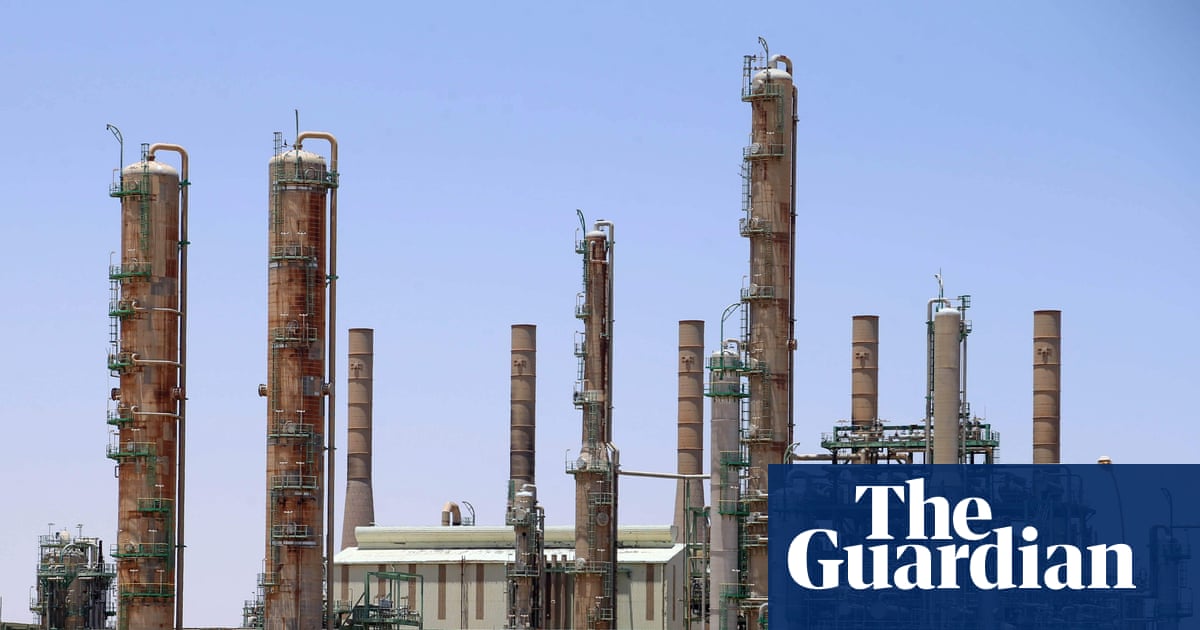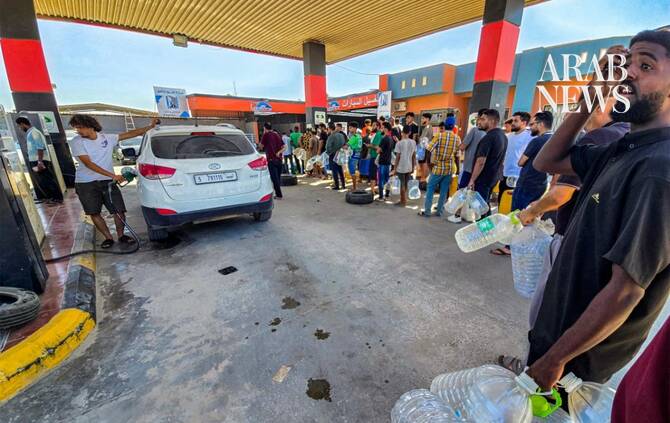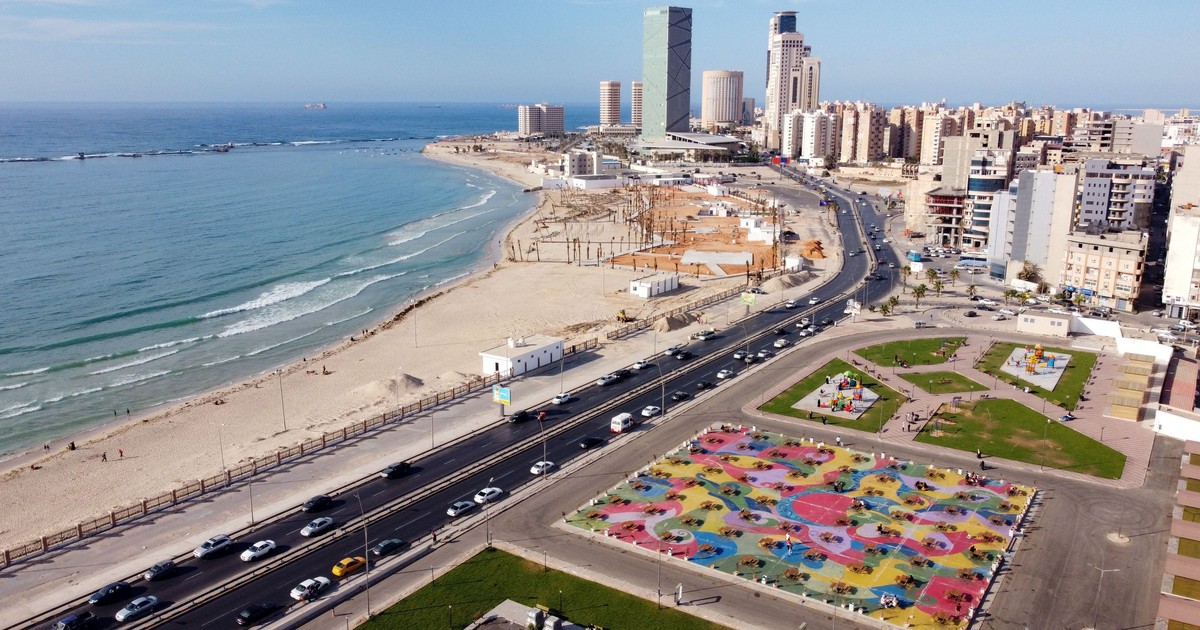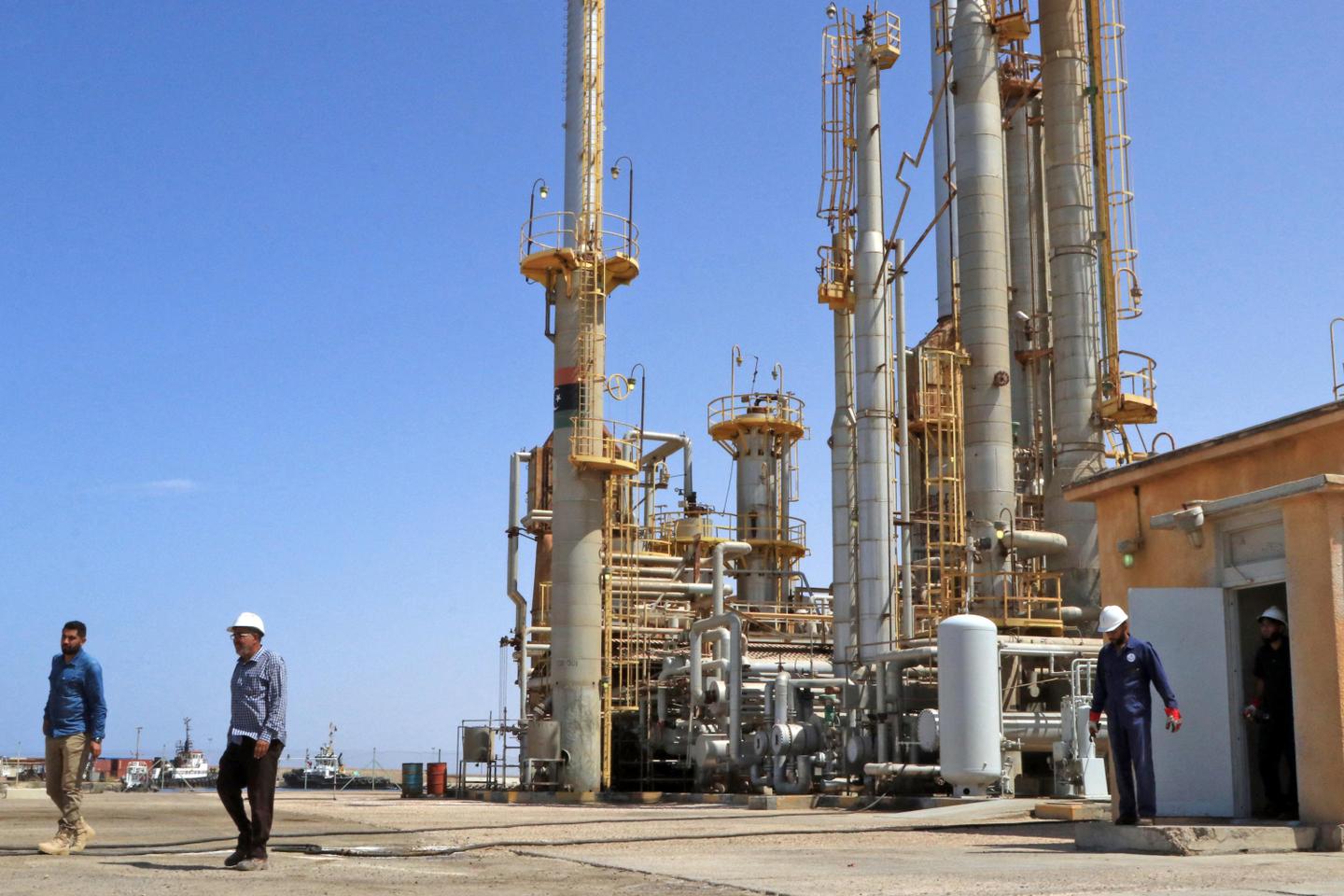
At the port of Marsa El Brega, a city on the edge of Libya's oil crescent, 270 km West of Benghazi, September 24, 2020. AFP
It has been a relentless drain on the national economy: Libya, Africa's largest oil producer, has been systematically stripped of its resources through widespread smuggling of petroleum products. As the country continues to grapple with the fractures left by the 2011 overthrow of Muammar Gaddafi, the growth of these illicit diversion practices has reached a critical level capable of "hurting the legitimate economy."
That is the conclusion of a report on oil smuggling in Libya ("Libya's Fuel Smuggling Escalation") published on Thursday, November 13, by The Sentry, an American NGO that specializes in investigations of predatory and kleptocratic networks.
This study is the first of its kind to break down the mechanisms of this quasi-mafia model, which benefits from political complicity at the highest levels, both in the West and East of the country. According to The Sentry's estimates, fuel smuggling – both gasoline and diesel – cost Libya $6.7 billion (about €5.8 billion) in 2024, double the losses reported in 2021.
Beyond the direct blow to the national budget – the amount is triple the country's spending on health and education – these capture networks have a geopolitical impact, supplying petroleum products to regional conflict zones (Sudan, Chad, Mali).