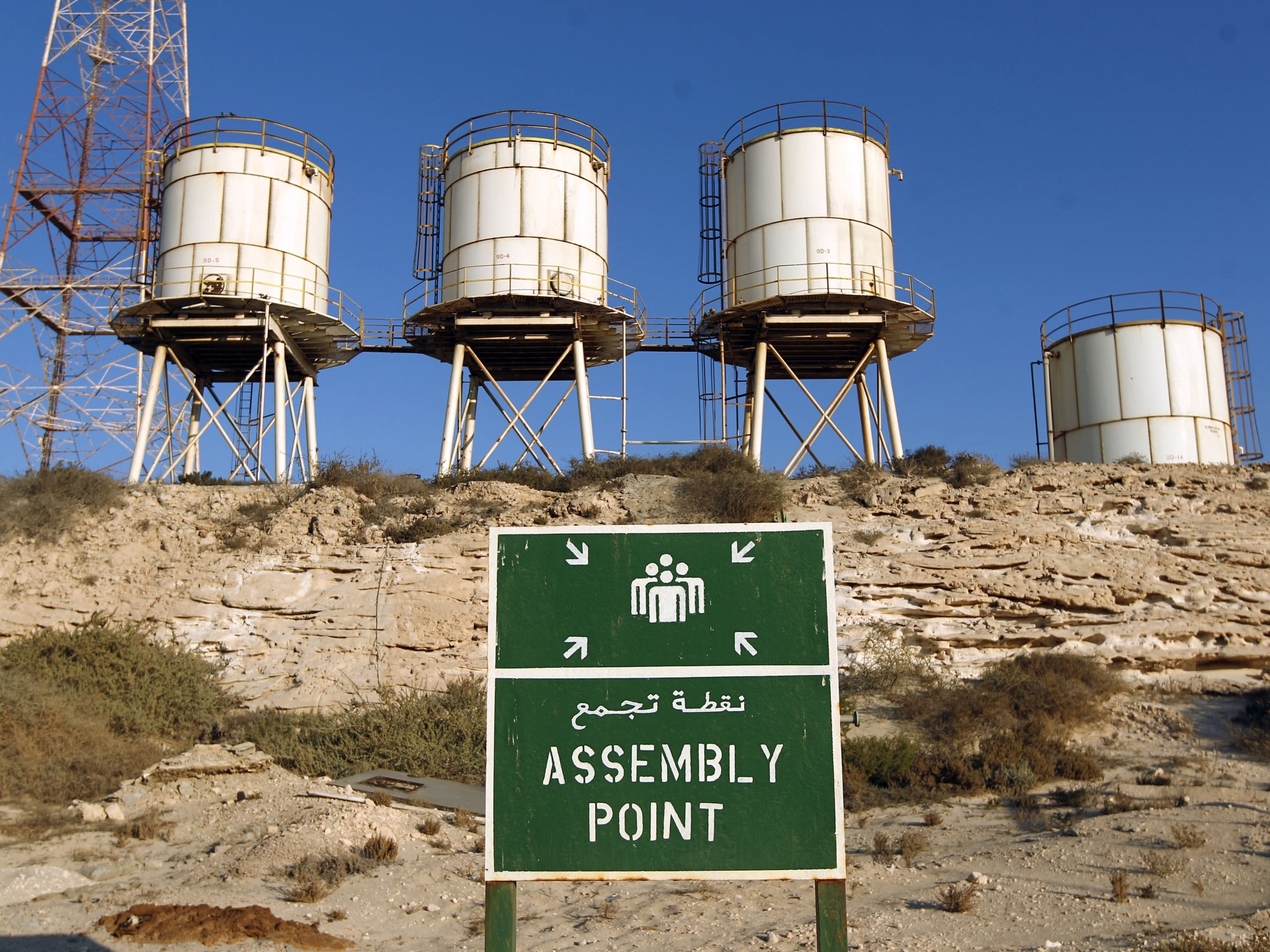
Libya’s oil sector proxy wars occur during Hormuz tensions, creating dangerous supply vulnerabilities for global markets.
Save
Share
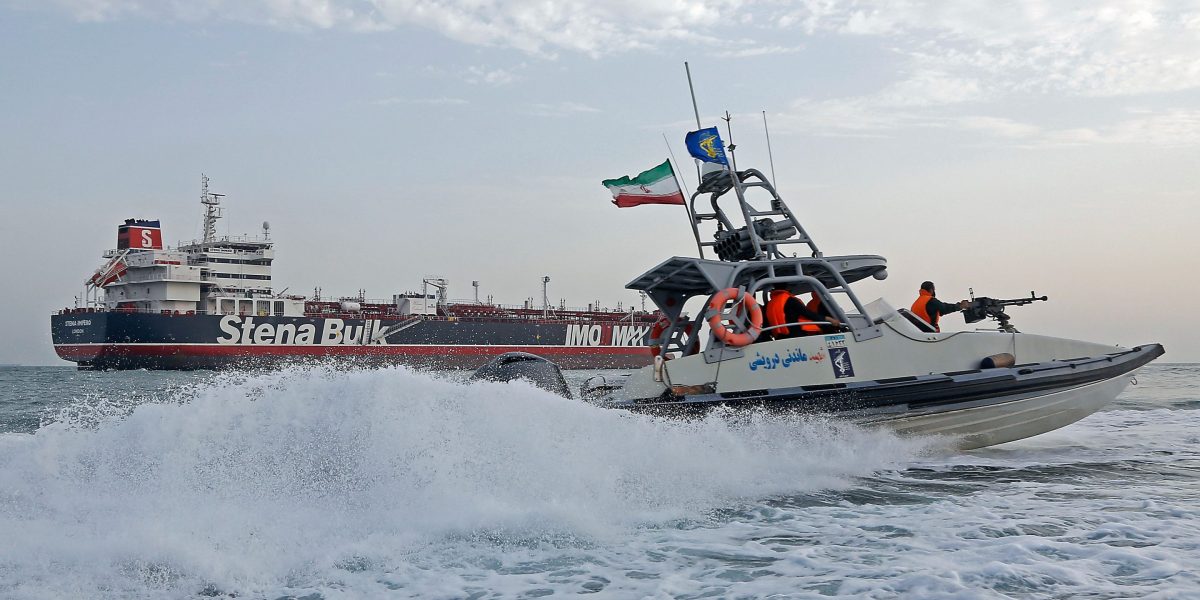
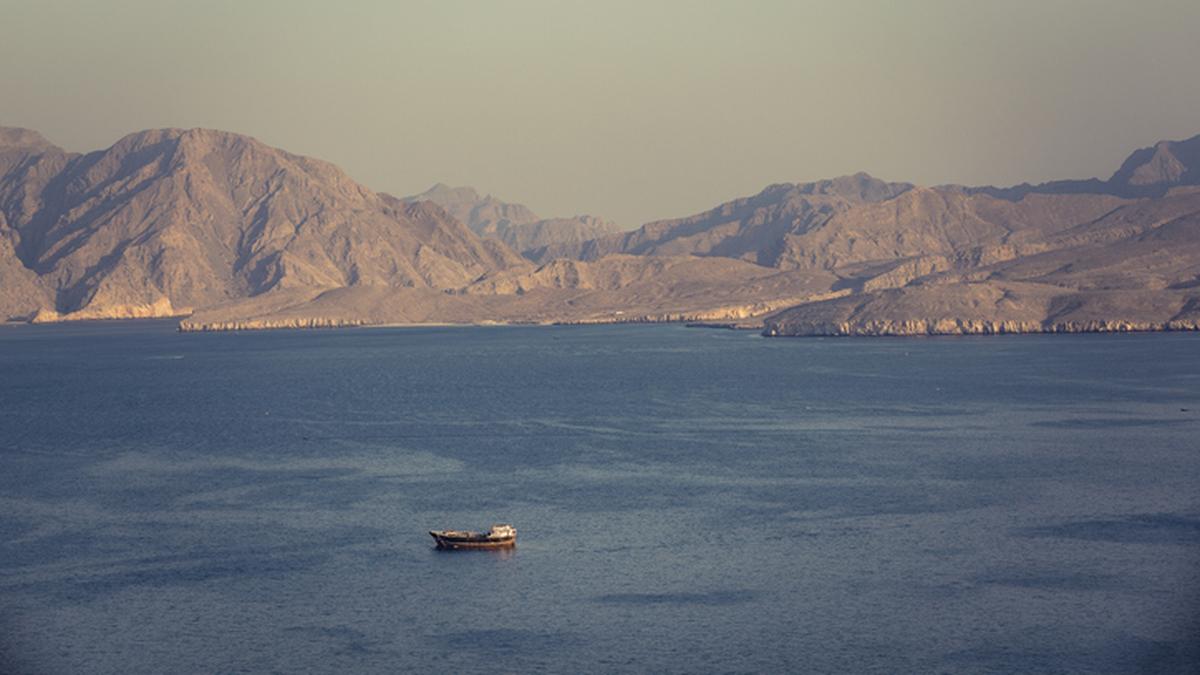
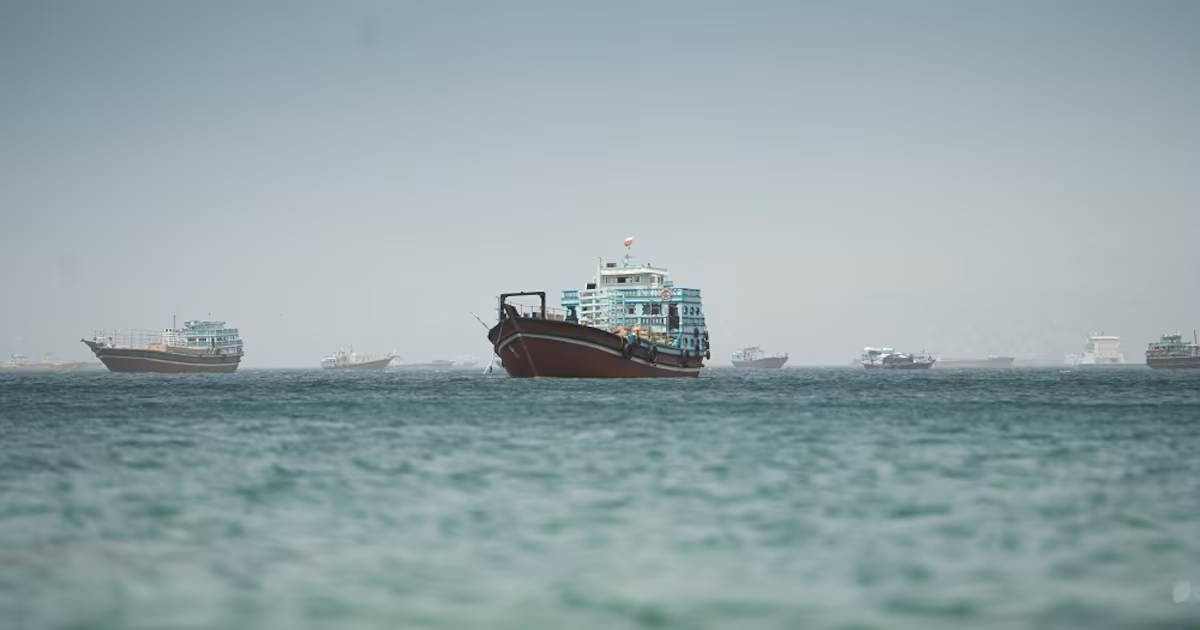
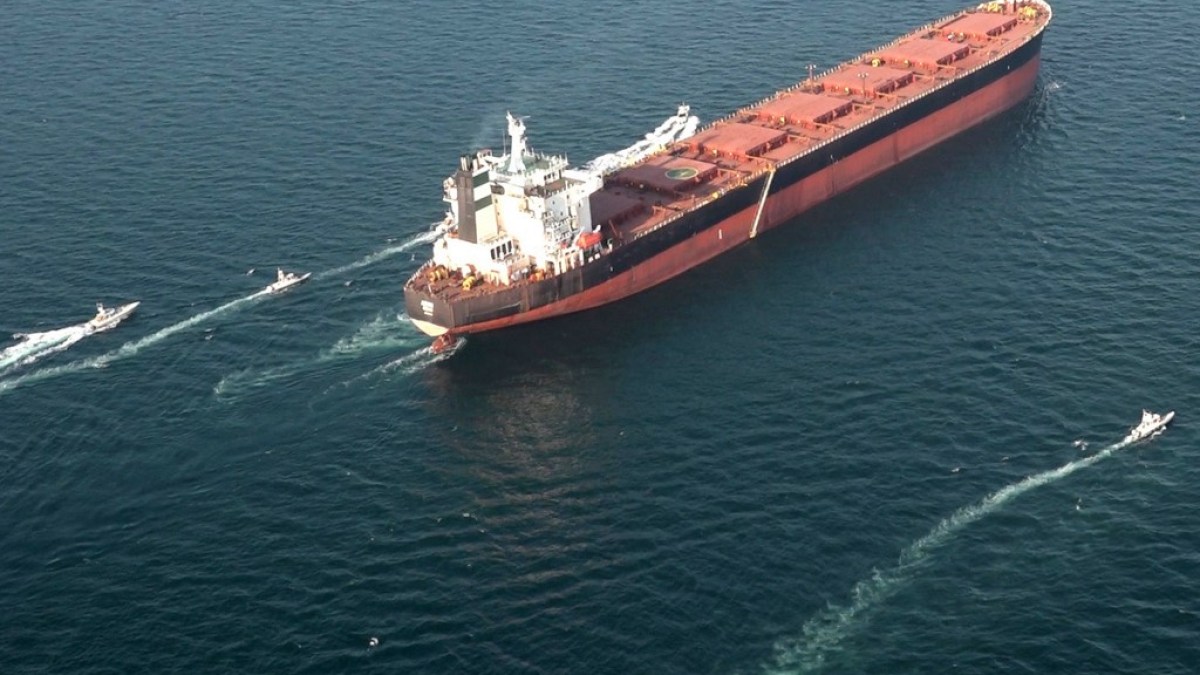
The Strait of Hormuz is only 39km (24 miles) wide at its narrowest point. And yet, 20 million barrels of oil would typically flow through it every day – about 25 percent of the world’s maritime oil trade.
That was until the United States and Israel launched strikes on Iran in late February and Tehran responded by closing the strait. Brent crude oil prices have since soared to nearly $120 a barrel, Gulf producers have been forced to cut production and the pipeline routes that bypass the Strait of Hormuz can move only 5 million to 6 million barrels a day.