https://arab.news/w7xud
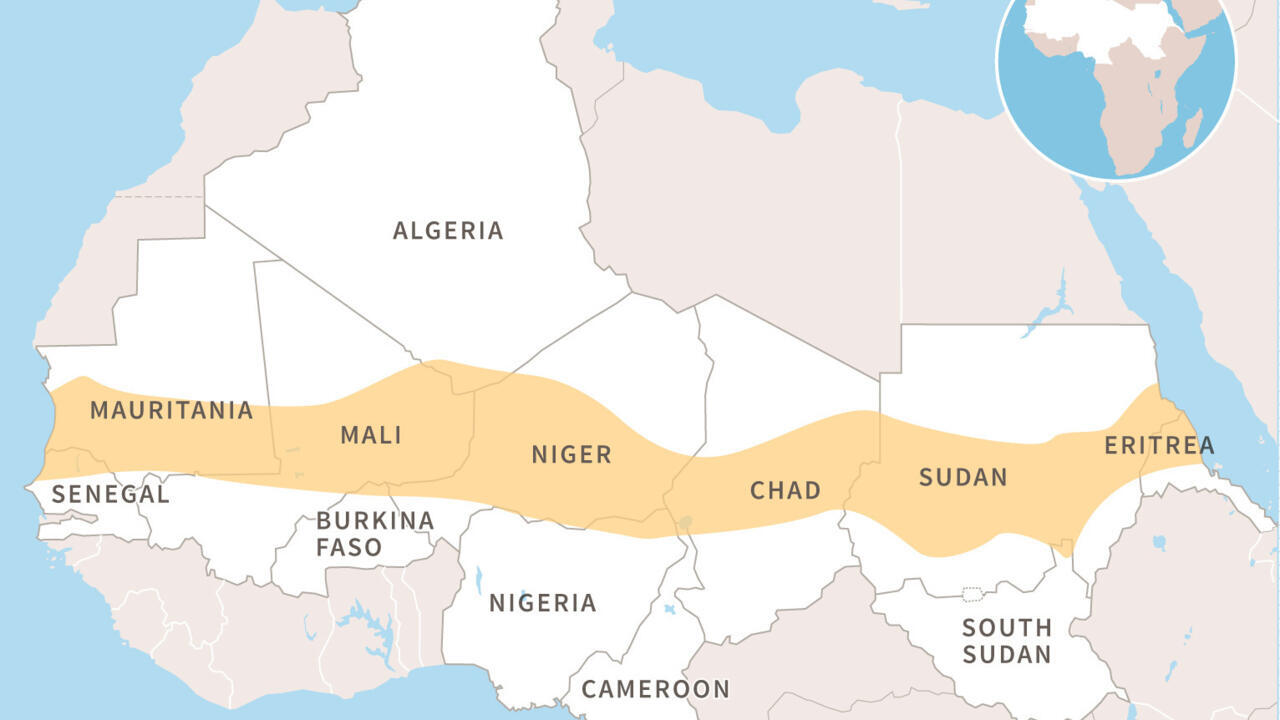
To date, the Sahel has transcended its status as a mere theater of insurgency and humanitarian crisis, evolving into a full-fledged center of sophisticated transnational organized crime. The region now accounts for more than half the deaths related to violent extremism around the globe, a statistic that speaks less to ideological fervor and more to the fertile ground provided by its sprawling criminal economies. These enterprises are now operating in the gaps left by weakened states, actively dismantling state authority and co-opting the functions of government.
With youth unemployment reaching 75.6 percent in Burkina Faso, for instance, while illicit mining alone robs governments of billions in much-needed revenues, the economic desperation is systemic. However, it would be rash to conclude that the Sahel’s trajectory is merely about poverty fueling crime. Instead, it is a deliberate restructuring of power, by armed groups like Jama’at Nusrat ul-Islam wa Al-Muslimin, an extremist organization operating in the Maghreb and parts of West Africa, as well as Islamic State Sahel Province, a remnant of Daesh that operates in Mali, Burkina Faso, and Niger.
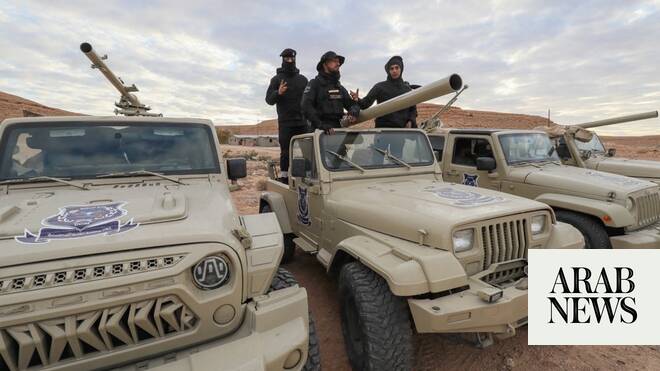
These groups, along with a range of local armed actors too many to list, impose taxes on mining sites and smuggling routes, generating immense revenues that fund their activities and expansion. Moreover, the Sahel’s deteriorating security situation is only accelerating, given the political quagmire in Libya serving as a source of weaponry from its vast post-conflict stockpiles, and a decisive corridor. This “northbound highway,” protected by factions within the Libyan Arab Armed Forces, ensures that criminality flows unimpeded to the Mediterranean, permanently wiring the Sahel’s instability into illicit global networks. We are witnessing the consolidation of a criminal ecosystem that is becoming the region’s de facto governing structure.