https://arab.news/cwpbt
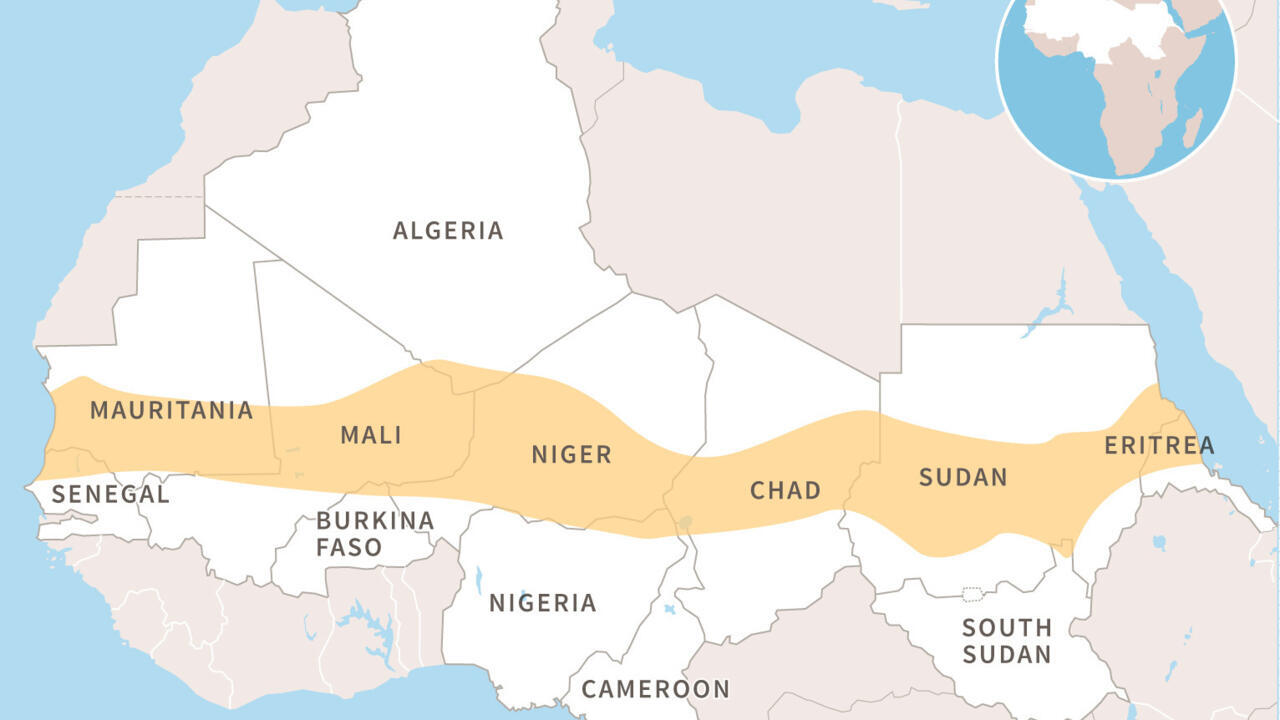
The Sahel region of Africa has undergone a dramatic transformation into the world’s epicenter for extremist violence, responsible for 51 percent of global terrorism fatalities in 2024. Put simply, this translates to nearly 4,000 deaths in a single year, and nearly 20,000 since 2019. Such a rapid surge, from a mere 1 percent of terrorism-related deaths worldwide 18 years ago, is not an organic flare-up of insurgency but the direct outcome of calculated maneuvering and the wholesale collapse of traditional security frameworks.
Firstly, the unraveling of the Sahel accelerated following the withdrawal of an increasingly unwelcome, yet persistent, French security presence and a much more muted UN stabilization mission. Together, these interventions fielded approximately 13,000 personnel and spent billions in the hopes of stabilizing this restless region.
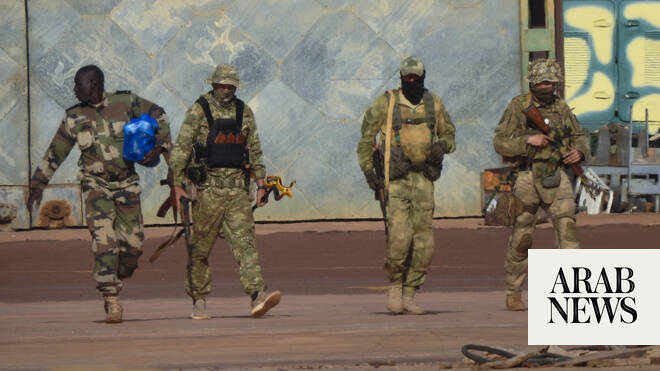
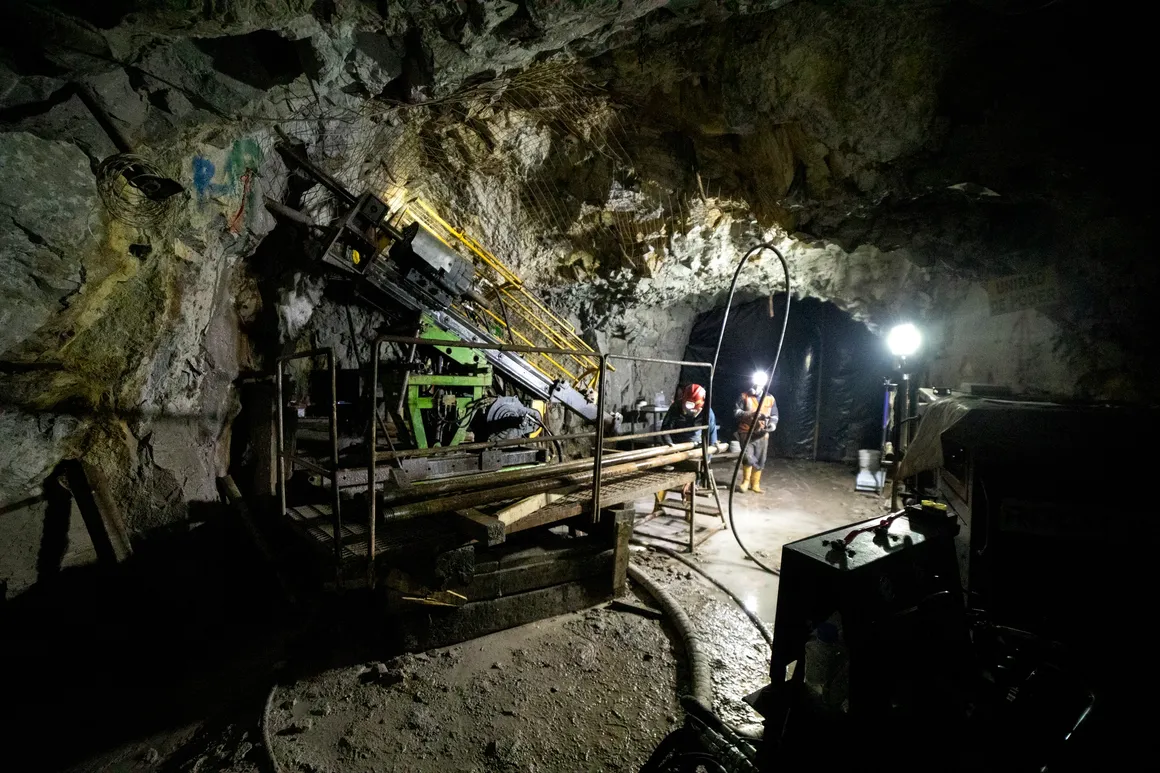
Into the inevitable vacuums created when the last French boots departed stepped enterprising, externally backed paramilitary forces, the deployment and goals of which aligned less with counterinsurgency success than with mineral extractions and the cultivation of political influence.
Concurrently, Islamist factions — in particular Al-Qaeda affiliate Jama’at Nusrat Al-Islam Wal-Muslimin (or JNIM) and Islamic State Sahel Province, professionalized their operations, capitalizing on communal grievances, corrupt governance, and vast ungoverned spaces to entrench their control over rural territories and sprawling illicit economies.