https://arab.news/g9afx
Libya has since become a brutal case study in the consequences of institutional and governance collapse. The 2011 rebellion shattered Muammar Qaddafi’s hyper-centralized state but failed to replace it with a functional alternative. Instead, the international community’s fixation on centralized power-sharing deals with warlords and loose militia coalitions continues to neglect the crucial work of subnational institution-building.
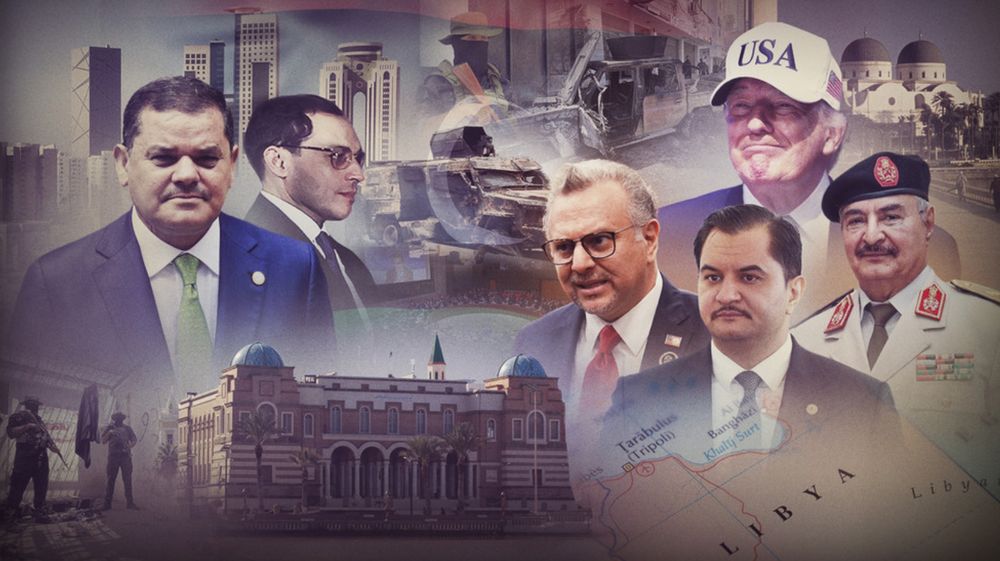
Thirteen years of political limbo have not yielded a single coherent local governance framework, enabling parallel power structures to metastasize. To date, Libya remains split between the Tripoli-based, UN-recognized Government of National Unity and a rogue eastern fiefdom dominated by the warlord Khalifa Haftar and his sons. These, in turn, also compete with more than 100 autonomous militias, including tribal-affiliated groups exploiting administrative vacuums.
A conspicuous absence of well-defined, legally enforceable administrative boundaries is the principal accelerant. Law 59 of 2012 envisaged governorates as intermediaries between municipalities and the state, but zero have been operationalized. Proposed maps, like the Government of National Unity’s 2022 blueprint for 19 provinces, remain theoretical amid venomous disputes over territorial jurisdiction.