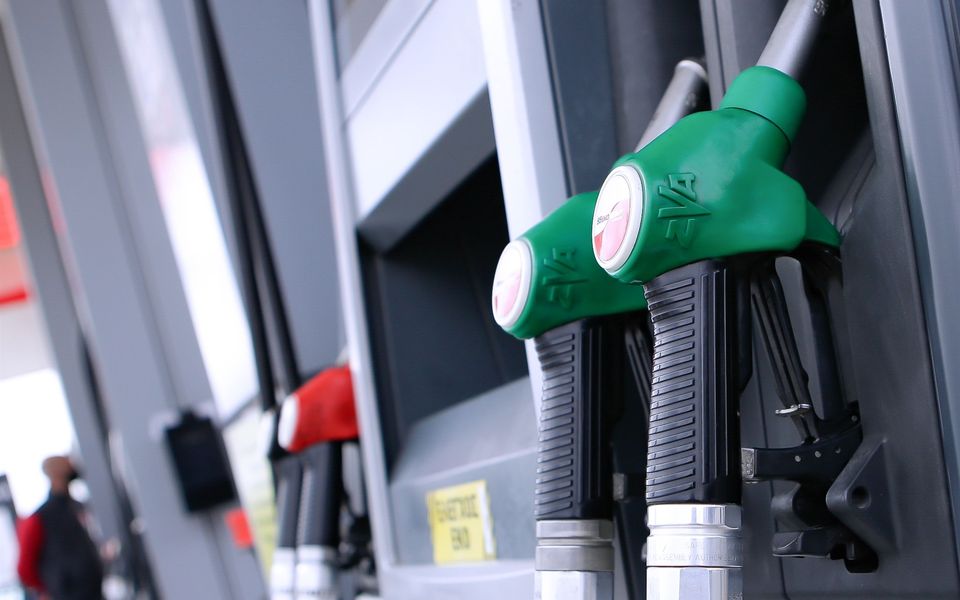
Inflation in Greece jumped to 5% in May, according to Eurostat estimates, the third highest among eurozone countries, with pressure coming mainly from fuel and service prices, and less from food.
With the outcome of the war in the Middle East remaining extremely uncertain and the industry’s resilience being exhausted in terms of absorbing the additional costs in production from the increase in energy costs and raw and secondary materials, the continued rise in prices is considered certain in the coming period.
As far as Greece is concerned, the beginning of the tourism season triggers price hikes in a series of services related to transport, coastal and air transport, accommodation, and food service, something that was already evident in Eurostat’s data for May.
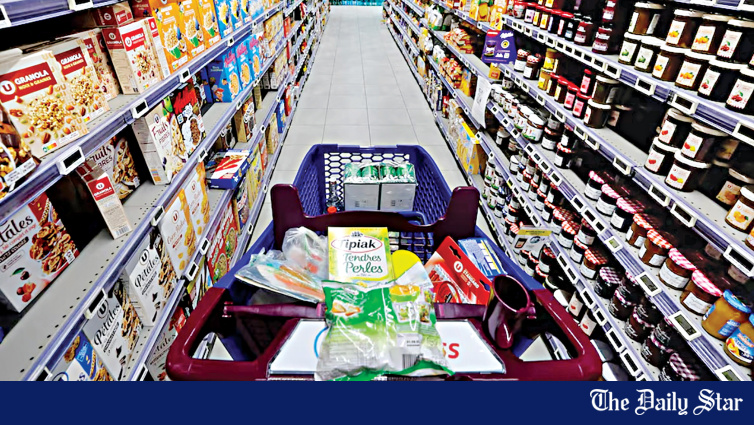
Although until April – due to Easter – there were no visible effects on the demand for supermarket items, the picture in May has begun to change.
According to sources from market research companies, sales volume is now relatively stagnant.