As expected, inflationary pressures continued to be transmitted to the Greek market in May as well. Inflation remained firmly above 5% on an annual basis, despite the slowdown recorded in fuel prices. In Greece’s case, there are other factors contributing to keeping price increases at levels that rank among the highest in Europe, as is often the case with fresh food products and rents.
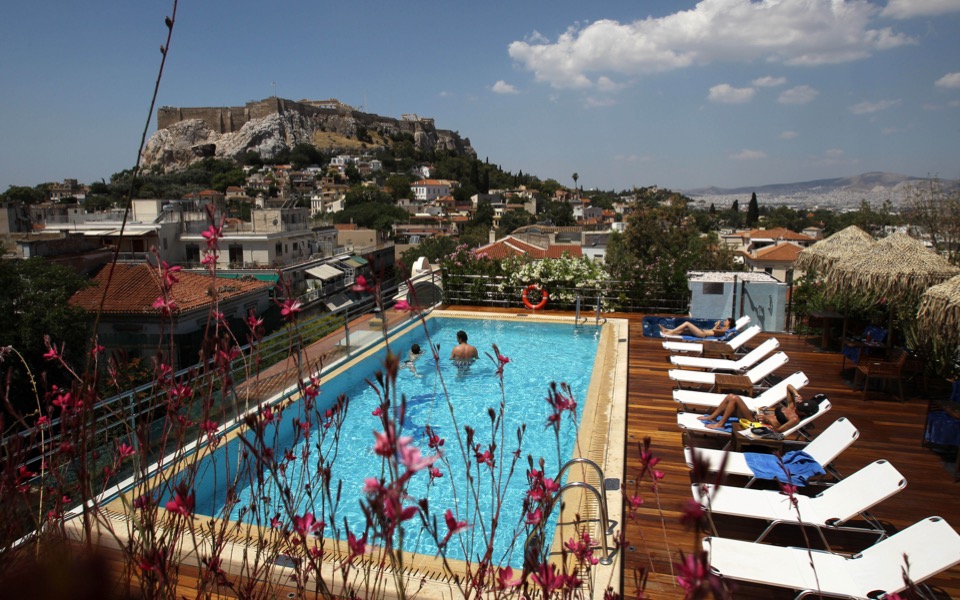
The data that stood out most, however, was in the “holiday package” category, which includes accommodation, transportation, dining and leisure activities. The most striking finding was that hotel, motel (do we even have motels in Greece?) and inn prices rose by 11% in just one month, between April and May.
Double-digit monthly shifts in the data published by the Hellenic Statistical Authority are typically seen only during wars, pandemics, or other major disruptions. Yet accommodation prices in Greece posted an increase of that magnitude in May, despite the fact that Easter – when domestic demand and, consequently, prices usually rise – had already passed, and many resorts in tourist destinations had not yet reached full operating capacity.
Not to mention the concerns repeatedly voiced by tourism industry representatives that the war in the Middle East would place significant pressure on the sector this year. The opposite occurred, in fact. Demand during at least the first three months of the conflict was so strong that it drove prices sharply higher, not only in May compared with April (+11%), but also in April compared with March (+10.2%).