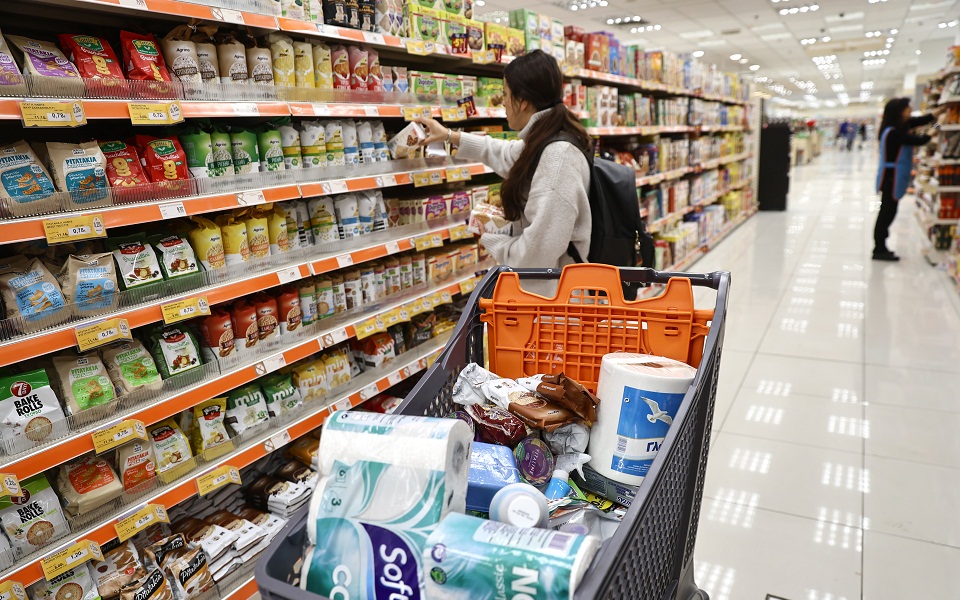
Last Tuesday, Eurostat announced that inflation in May was 5% compared to the 3.2% average in the eurozone, about 56% higher. Greece ranks in the top three in inflation among the 21 eurozone countries, having, among other things, the third highest price increase in energy (20.2%) and the second highest in food (7.9%).
The following day, the OECD announced that in April Greece had recorded the third worst performance in price hikes among its 38 member countries, with inflation of 5.4%, the highest after Turkey and Colombia.
In a normal country, the government would feel obliged to provide some explanation and say whether it was thinking of doing something
In a normal country, the government would feel obliged to provide some explanation: Why have inflationary pressures – which are experienced by all countries in the world – in Greece soared to heights that are internationally recognizable? And perhaps it would also say whether it was thinking of doing something to stop households from suffering from such international firsts. Especially in Greece’s case, where cartels dominate large domestic markets, which translates into profit inflation: According to official data, in the 2020-2025 five-year period the consumer price index increased by 20.9%, and of this, 12 percentage points were due to an unjustified increase in profits.