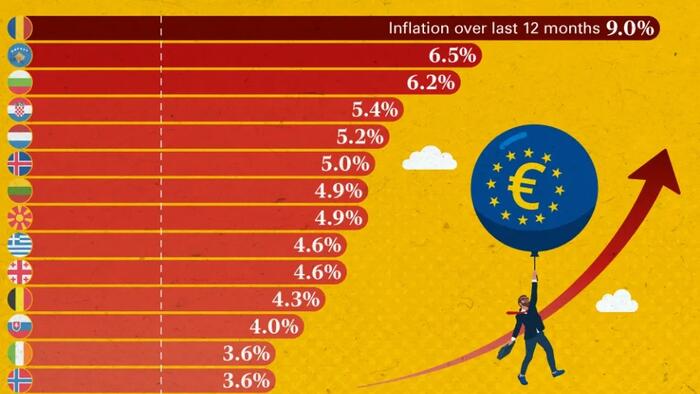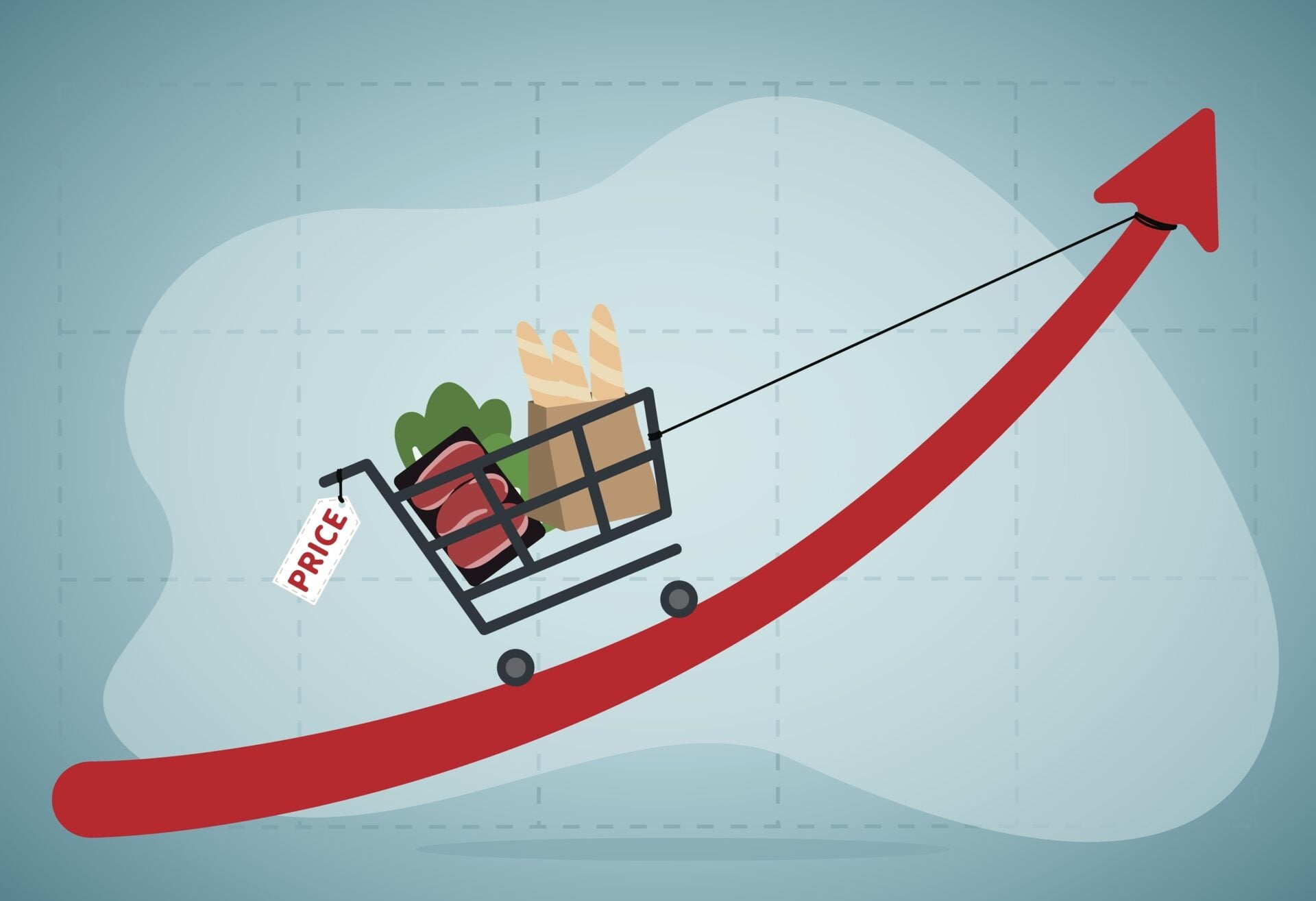
Detailed data released by Hellenic Statistical Authority (ELSTAT) reveal that the prices of certain products and services have risen by as much as 200% over the past five years, highlighting why the cost-of-living crisis is regarded as the number one concern for Greek society.The surge in inflation to 5.4% in April has raised doubts within the government’s economic team over whether the average inflation rate for 2026 can still be contained at 3.2%. The average inflation rate for the first four months of the year has already reached 3.6%, while the trend remains upward.Analysis of the economic data indicates that for every additional half percentage point increase in inflation, real economic growth declines by 0.2%. Under a scenario in which average inflation reaches 3.7%, Greece’s real GDP growth for the year would stand at around 1.8%, while a consumer price index increase of 4.2% would further reduce GDP growth to 1.6%.These figures are clearly disconnected from the pace of income growth over the same period and significantly exceed the average five-year increase in prices, which stands at 26%.The 2021–2026 period in Greece has been marked by an unprecedented restructuring of living costs, with price increases not following a linear trajectory but instead intensifying sharply in key sectors of the economy.The data reveal a “hierarchy” of inflationary pressures, in which transport and energy act as the primary accelerators, subsequently affecting household consumption and leisure-related services.Housing and rentsThe housing burden on households is influenced not only by housing and electricity costs, but also by rents. Rental prices have increased by 30% over the past five years, making housing one of the sectors that has outpaced average inflation.TransportOne of the most striking findings from the data is the sharp increase in transportation costs, particularly air travel. International and domestic flights recorded the highest percentage increases across the economy.The trend points to a fundamental shift in the travel industry’s pricing model. At the same time, higher costs for the rental of personal transportation equipment further reflect a market in which access to transport — whether for business or tourism purposes — has become disproportionately more expensive compared with the past.Energy and fuelsEnergy represents the second major pillar of inflationary pressure. Natural gas and heating oil lead the increases, with costs more than doubling over the five-year period.The rise has broad implications, as it affects not only household heating expenses but also the operating costs of virtually every productive sector of the economy.Diesel and gasoline prices have remained on a steady upward trajectory, with diesel facing particularly strong pressure. The persistence of elevated fuel prices over a prolonged period partly explains why price increases in other sectors, including food, have remained resilient, as transportation costs are incorporated into final retail prices.FoodIn the food sector, the data show that the strongest pressures have been recorded in meat products and specialized goods. Lamb, goat meat and beef have emerged among the categories with the sharpest price increases, making meat consumption an increasingly expensive habit.Particular attention is drawn to cocoa and chocolate products. Significant increases in these categories, along with coffee, suggest that inflation is affecting not only essential goods but also consumers’ everyday discretionary purchases.At the same time, the prices of core staples of the Greek diet — including olive oil, cheese and eggs — have risen substantially, creating an environment in which household budget management increasingly requires spending cuts or the search for lower-cost alternatives.Culture and tourism
Price hikes up to 199% in 5 years: The true face of inflation
The surge in inflation to 5.4% in April has raised doubts within the government’s economic team over whether the average inflation rate for 2026 can still be
666 words~3 min read