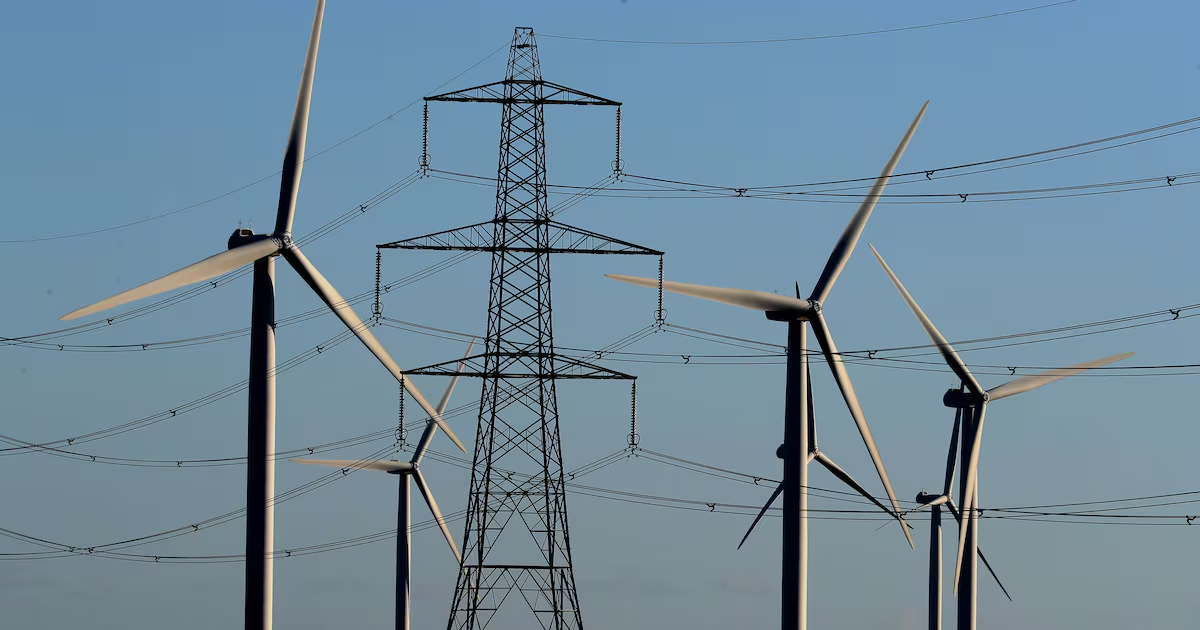
Eurozone inflation jumped to 3.2% year-on-year in May 2026, up from 3.0% in April, marking the highest reading since September 2023. Energy prices surged 10.9% in May, the steepest increase since February 2023, driven by geopolitical disruptions in the Middle East tied to tensions involving Iran and the Strait of Hormuz.
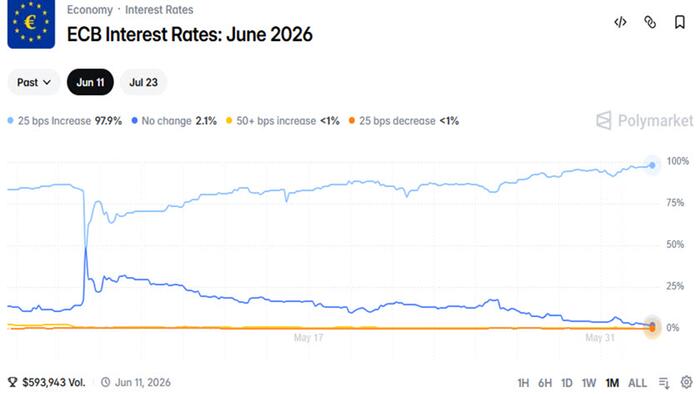
Market pricing now reflects a 97% probability that the ECB will raise rates by 25 basis points at its June 11 meeting. That would push the deposit facility rate from 2.00% to 2.25%, reversing the easing trajectory that had defined much of the past year.
Core inflation, which strips out volatile food and energy prices, also climbed from 2.2% in April to 2.5% in May. The European Commission has already revised its full-year 2026 inflation forecast for the euro area from 1.9% to 3.0%, essentially acknowledging that the oil price shock has fundamentally altered the outlook.
Why the Strait of Hormuz matters to your portfolio
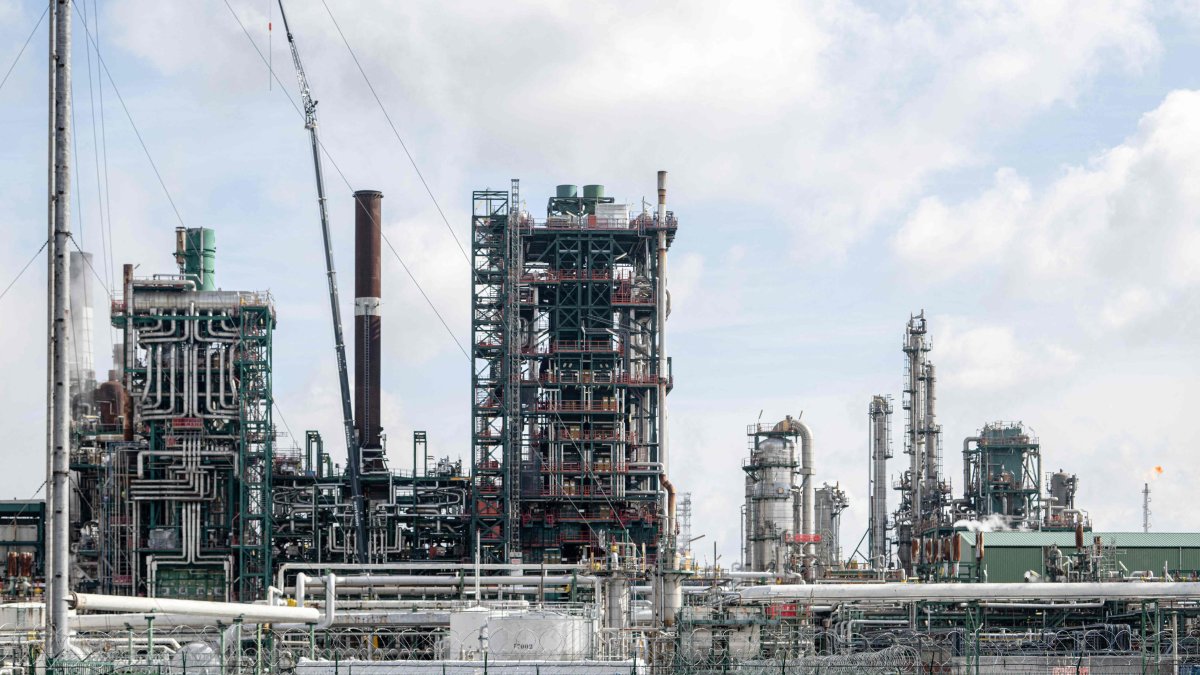
Roughly one-fifth of global oil supply passes through the Strait of Hormuz. When tensions involving Iran escalate, traders price in supply disruption risk almost immediately, and those price spikes cascade through every economy that depends on imported energy.