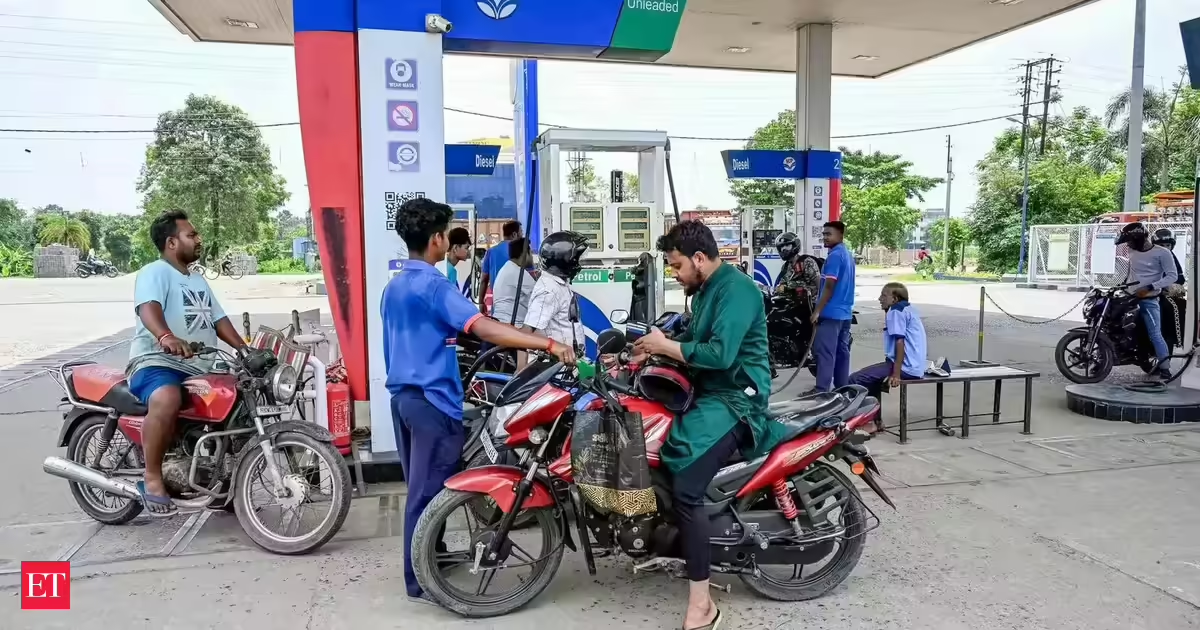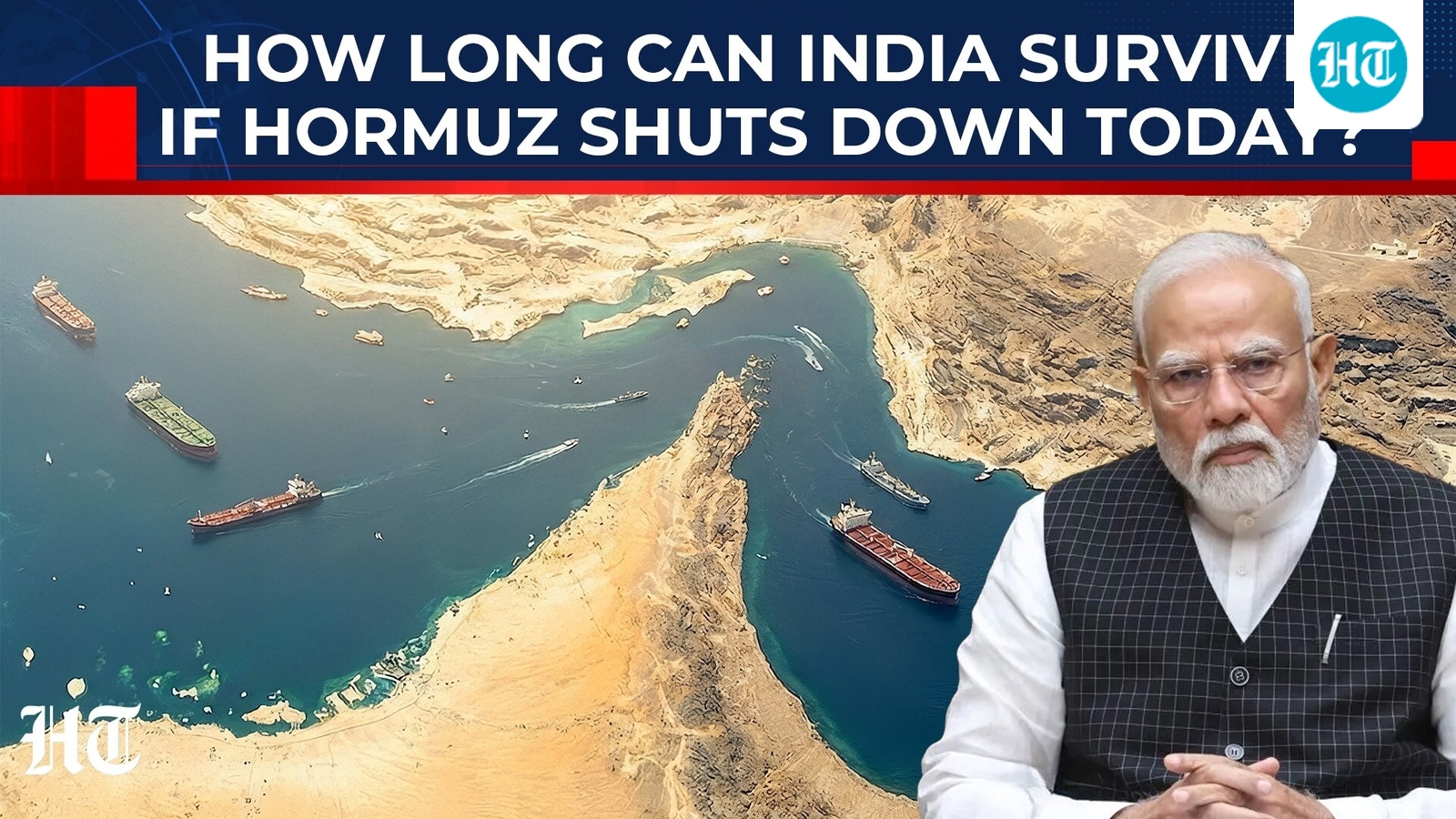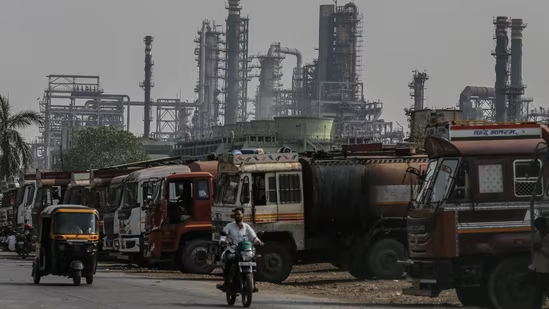
The numbers underline one point: it's important the war ends soon and fuel supplies normalise. The longer it takes, the greater the stress test for the economy. On Tuesday, the petroleum ministry released consumption data for various petroleum products for the month of May. What is normally a banal statistic is an extremely important piece of information regarding India’s energy economy because May was the third month of the ongoing war in West Asia. The war has led to the virtual closure of the Strait of Hormuz and inflicted what the International Energy Agency (IEA) has described as the biggest energy shock ever. What do the May consumption numbers tell us about the war’s impact on India’s energy economy?Oil tankers outside a refinery operated by Bharat Petroleum in Mumbai. (Bloomberg file)India’s energy economy strained, not shockedPetrol-diesel consumption has not fallen in India This is the most important takeaway from the data. Consumption of petrol and diesel, the most important fossil fuels for road transport in India, is still higher than what it was in May 2025. This means that India has avoided a massive fuel supply shock so far and perhaps also managed to prevent a demand destruction via higher prices so far. The government oil marketing companies only started raising petrol-diesel prices from May 15. To be sure, consumption has fallen for other petroleum products – the May data is provisional and only available for four products (petrol, diesel, ATF, and LPG) -- such as ATF and LPG.This does not mean petrol-diesel consumption is completely immune to the war The fact that petrol-diesel consumption has not fallen in absolute terms, does not mean that war has not had any impact whatsoever. This is best understood by comparing the consumption growth in petrol-diesel since the beginning of the war with long-term growth trajectory pre-war. Petrol and diesel consumption grew at 2.8% and 1% in May on an annual basis. This number is 5.7% and 3.2% respectively for the period from March-May . Both the May and March-May consumption numbers are significantly lower than their long-term pre-war averages. The latter is especially true for petrol.The squeeze on consumption growth must be read with the supply squeeze from April imports data Because India has had to face a double whammy of higher crude prices in dollar terms and the rupee itself losing value vis-à-vis the dollar, import value data does not tell us anything about the actual availability of crude and other supplies. This is where April data on imports in volume terms is useful. It shows that there was a significant fall in physical imports of crude oil and LPG, which would also entail a supply squeeze.The statistical evidence for import-led squeeze on consumption is not unambiguousTo be sure, it is not clear the extent to which the squeeze on consumption is due to lower supply from fall in imports. HT looked at the annual change in the combined volume of consumption of diesel, petrol, and ATF (petrol, diesel account for 90% of consumption) in the months when crude oil imports have contracted. The slowdown in the consumption of the three products in April does not look like a big outlier compared to other occasions when crude oil imports have contracted since April 2012, the first month for which annual growth can be calculated from PPAC data. Crude oil imports contracted on an annual basis in 52 out of these 147 months, if one were to exclude the 22-month period from March 2020 to December 2021 during the pandemic. 12 of these 52 months also saw a contraction in the combined consumption of petrol, diesel and ATF. To be sure, fuel consumption would also be driven by demand side and not just supply-side factors. It is entirely possible that the current supply crunch is cutting consumption elsewhere. While petrol-diesel-ATF consumption expanded 2.4% in April, for example, total petroleum products consumption contracted 4.6%.Number TheoryUnlock a world of Benefits with HT! From insightful newsletters to real-time news alerts and a personalized news feed – it's all here, just a click away! -Login Now!See Less
India’s energy economy strained, not shocked | Number Theory
The numbers underline one point: it's important the war ends soon and fuel supplies normalise. The longer it takes, the greater the stress test for the economy.
681 words~3 min read