It wasn't too long ago that India's central bank, the Reserve Bank of India (RBI), described the country's high growth-low inflation environment as a "Goldilocks" moment.
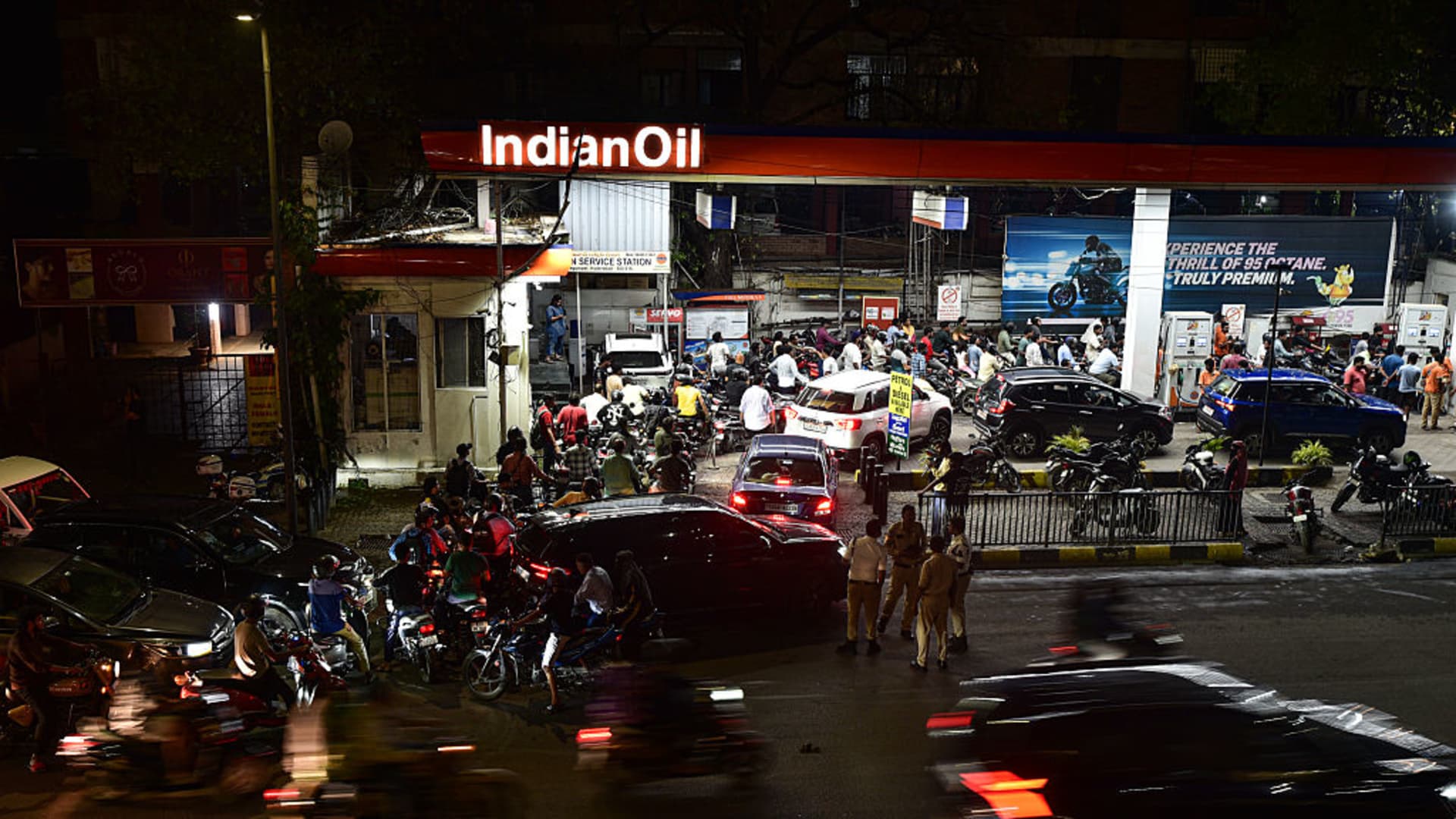
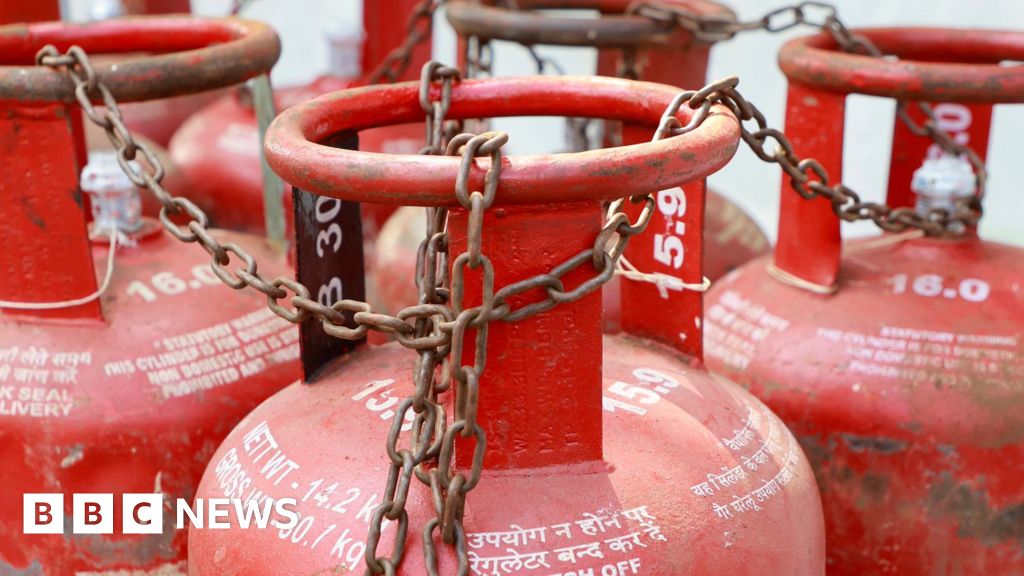
But that optimism has proved ephemeral as the ongoing war in the Middle East and the accompanying disruption to oil markets gives its world-beating growth story an unexpected jolt.
The impact is most starkly visible on the Indian currency, which has hit record lows and is down nearly 10% against the US dollar in the last year.
There's been some relief in the rupee's slide after the central bank intervened to curb speculation, but that is likely to be temporary. Many experts are pencilling in sharper declines ahead, depending on how long the conflict lasts.
In a worst-case scenario where the war persists for much of 2026, the repercussions could be "catastrophic" for the rupee, which could plunge beyond 110 to the dollar, according to Bernstein, a global equity research firm. But even if it ends much quicker, there's further pain ahead.