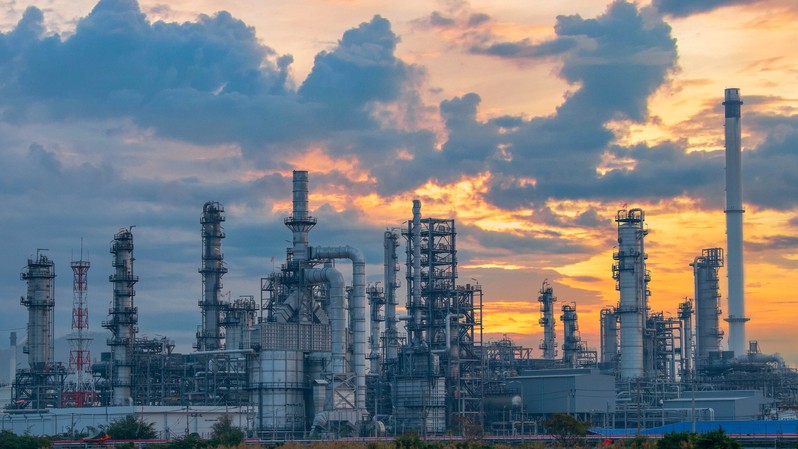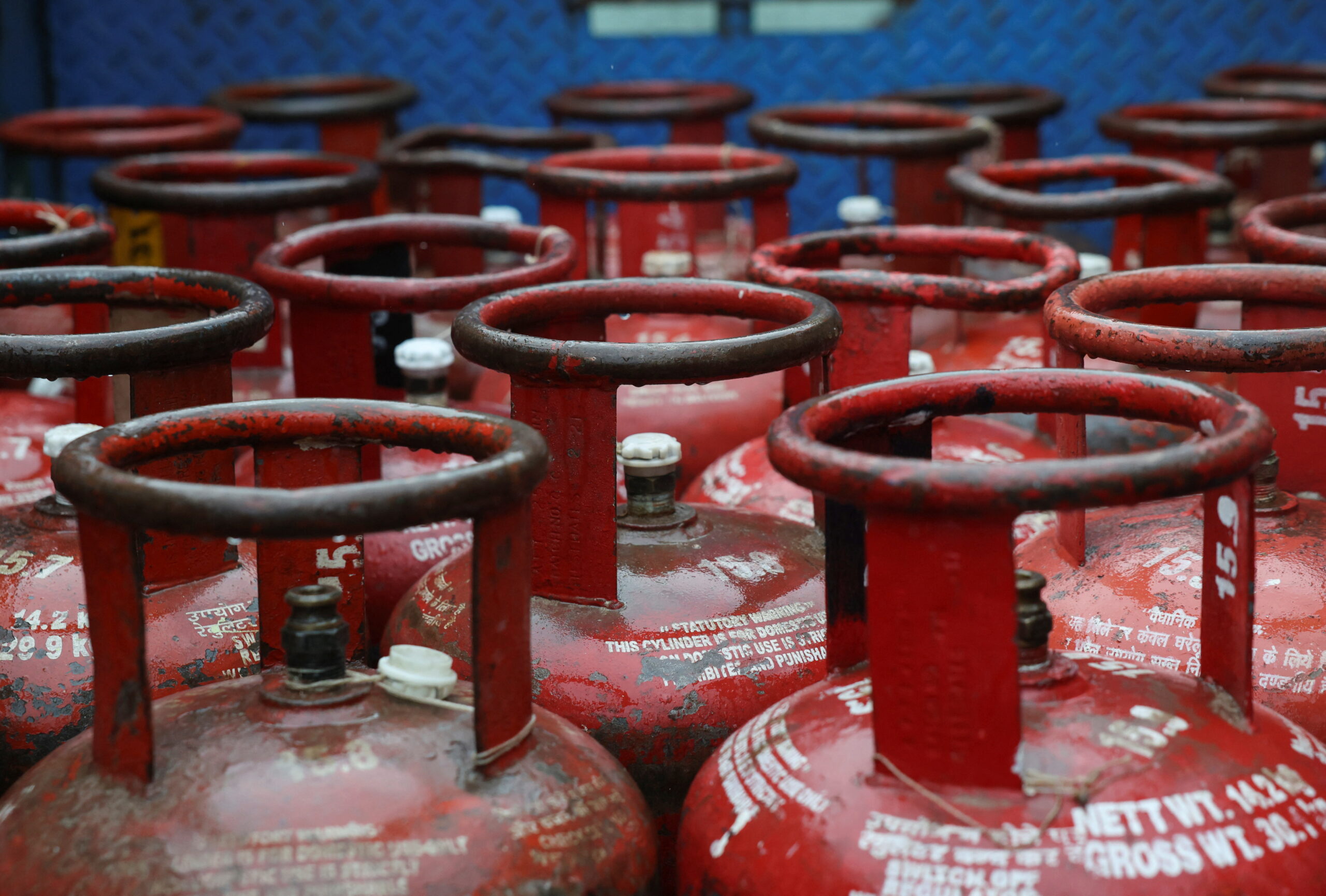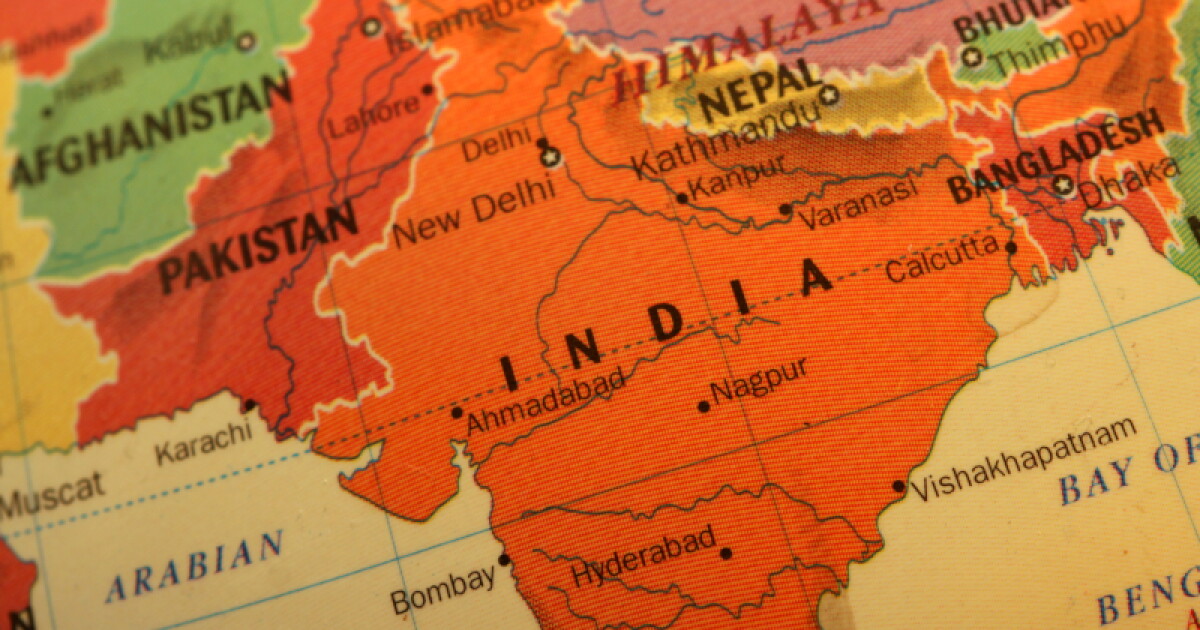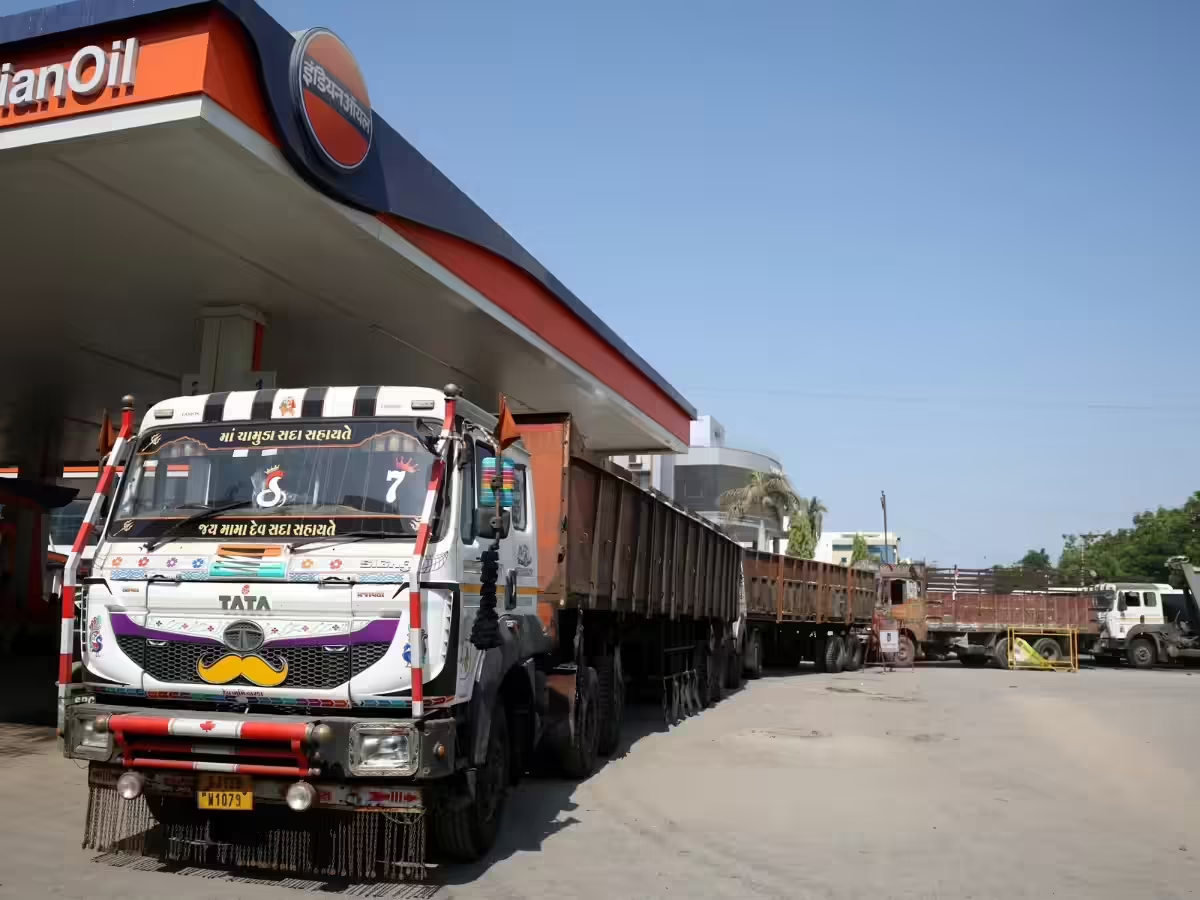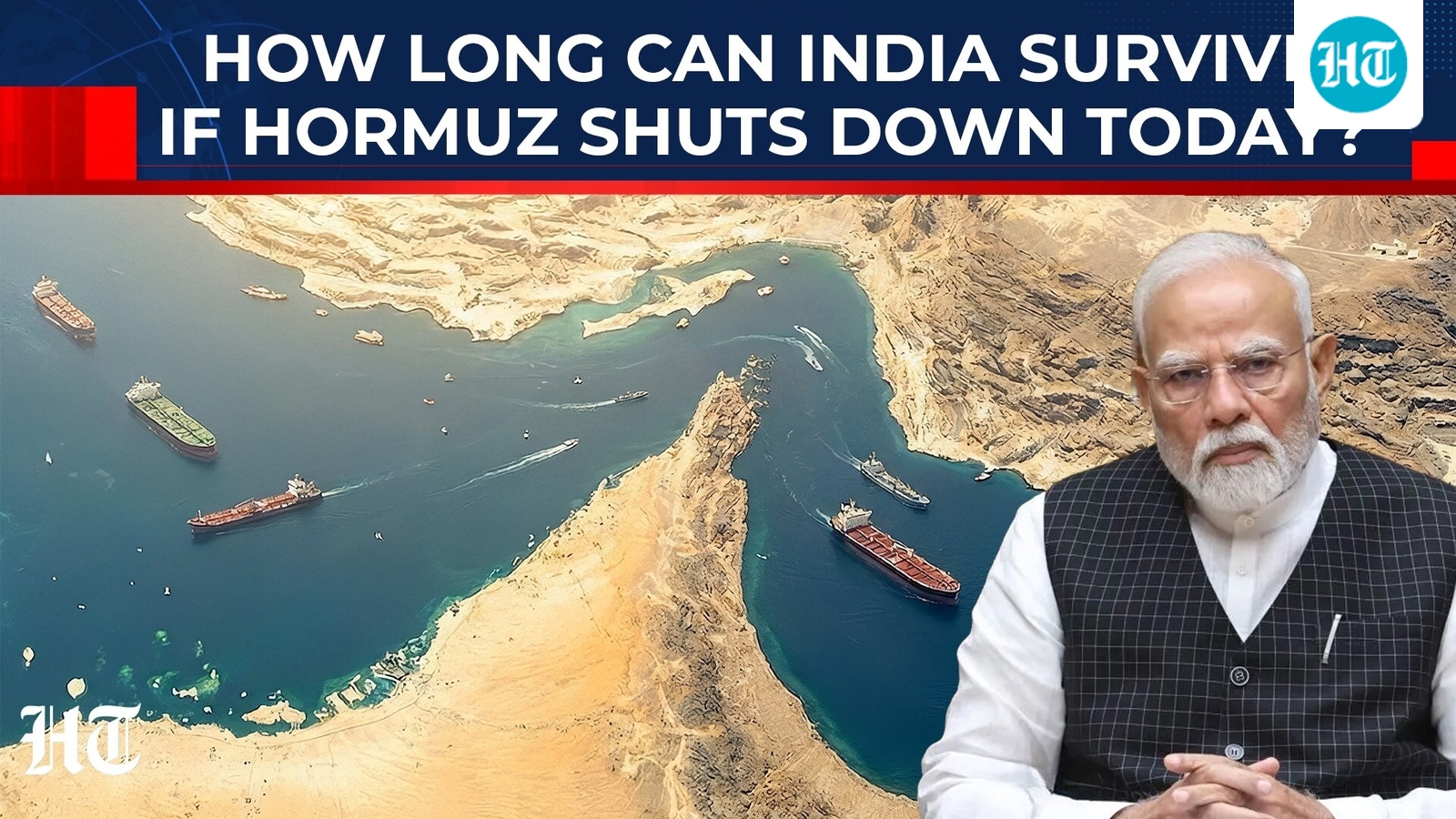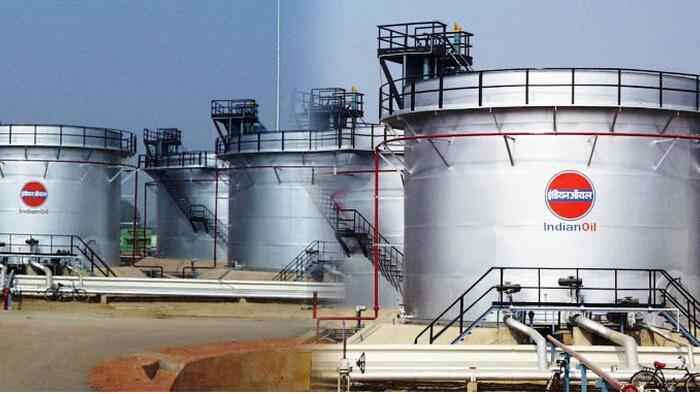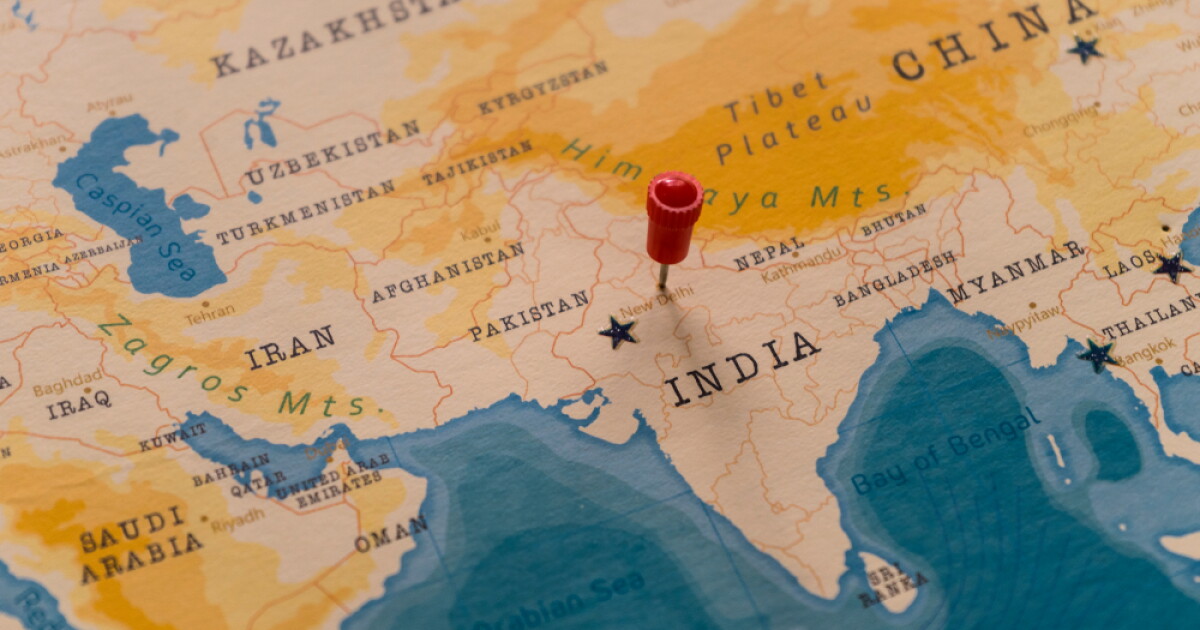
India seems to be coping, so far, with the largest energy supply shock on record despite the country’s huge reliance on Mideast liquids prior to the near-closure of the Strait of Hormuz, through which it was sourcing over half of its crude and LNG imports. Prime Minister Narendra Modi’s government is projecting an image of calm to avoid unnerving voters and insisting there are no serious fuel shortages. But the ballooning cost of subsidies and the losses from fuel sales have thrown India’s finances, and those of its state oil companies, into disarray. Depending on how long the disruptions last, the fallout for the main engine of global oil demand growth could be severe.
India’s Risky Balancing Act
New Delhi is projecting an image of calm as it grapples with the energy shock, but the cost of oil subsidies is ballooning, with no end to the disruptions in sight.
114 words~1 min read