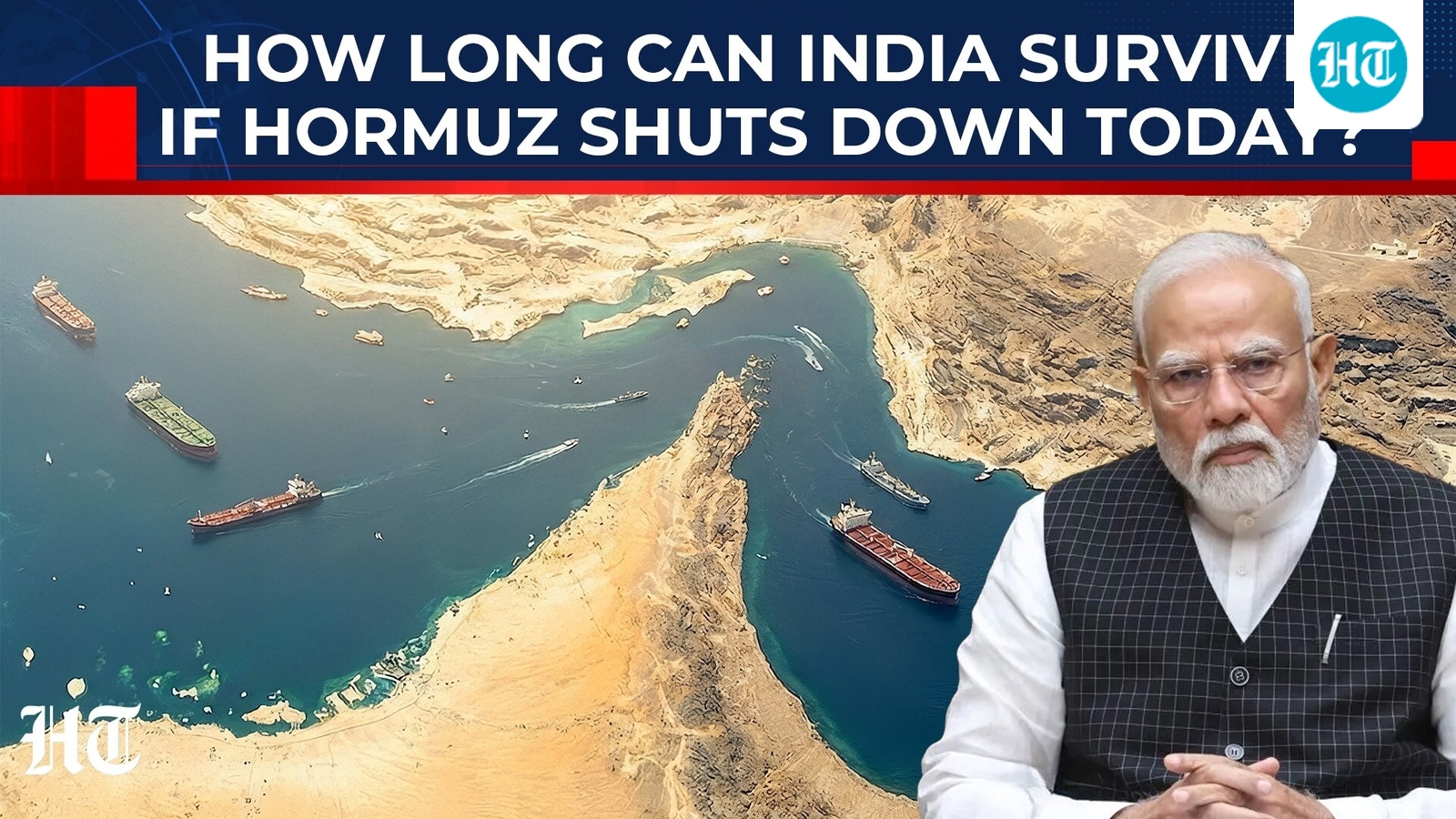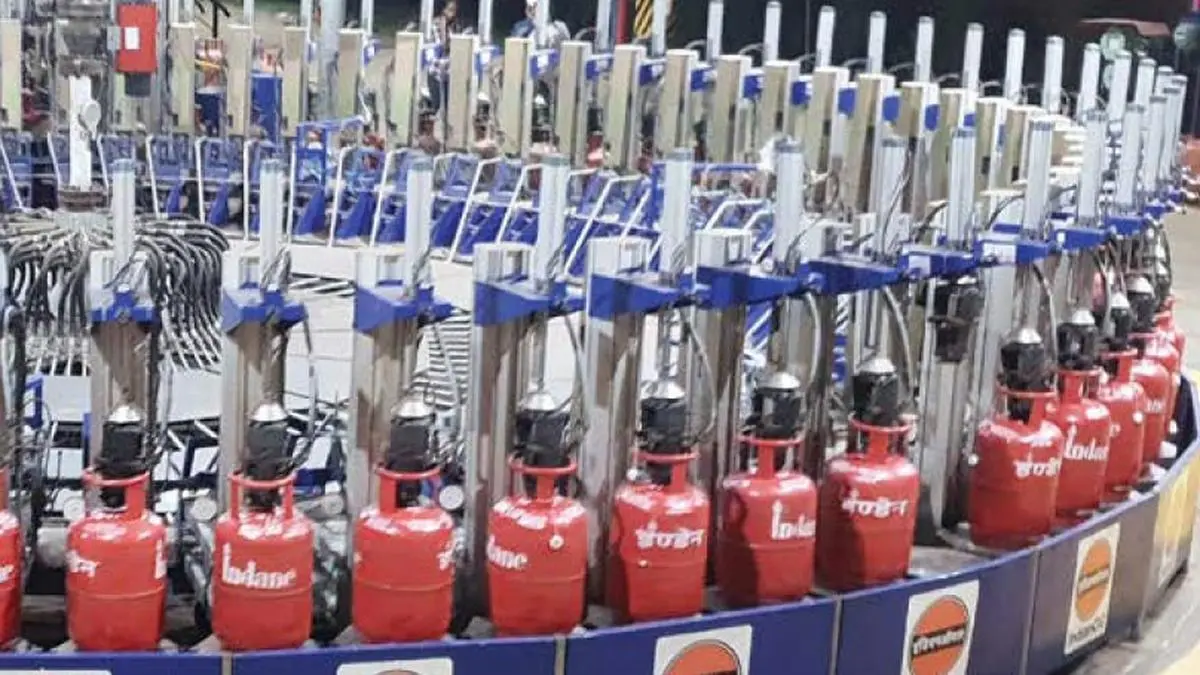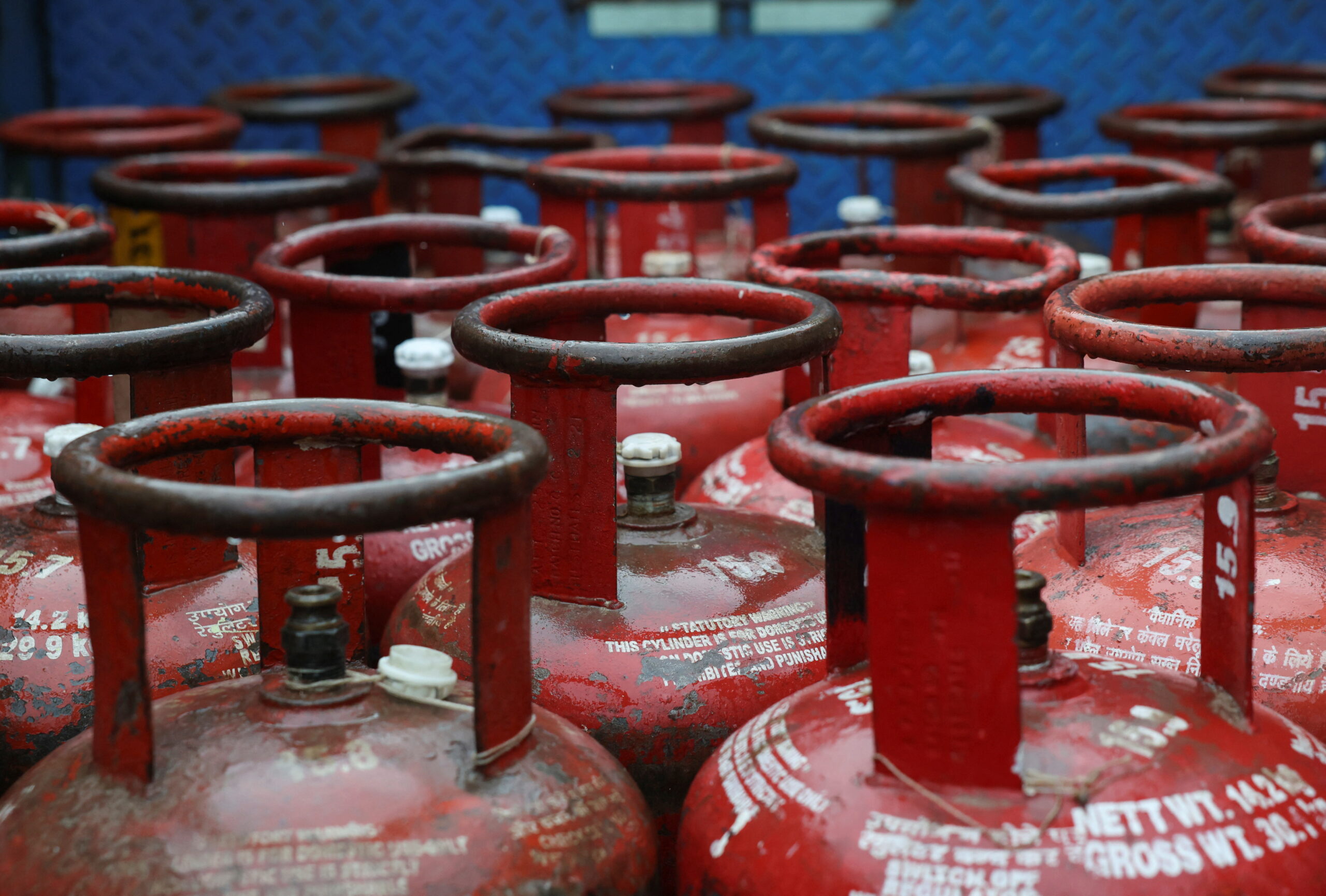
Since Iran began restricting passage through the Strait of Hormuz in early March, India’s crude basket has surged from $69, to over $114 per barrel in April—a dramatic reminder of how exposed the world’s third-largest oil importer is to a single maritime choke point. India’s energy security directly depends on imported oil, liquefied natural gas (LNG), and liquefied petroleum gas (LPG), and the Hormuz crisis directly threatens affordable access to those hydrocarbons.
This fragility, however, presents an opportunity for US policymakers and industry to work with New Delhi to create a stronger, long-term energy partnership—one that would help diversify India’s energy supply chains away from problematic producers like Russia and Iran, benefit US energy producers and Indian consumers, and further a bilateral relationship that is key for the United States and for Indo-Pacific prosperity and stability.
India’s vital role in global energy supply chains
India is currently the world’s third-largest importer of oil, fourth-largest of LNG, and the second-largest importer of LPG. In addition, it is the world’s fourth-largest refiner and fifth-largest exporter of refined petroleum globally, making it a vital part of global oil and gas supply chains. This trend is set to continue, as the International Energy Agency estimates India will become the largest source of global oil demand growth between now and 2030. Currently, much of the feedstock for India’s domestic energy use and refined exports comes either through the Strait of Hormuz or from Russia, so supply shortages from those sources threaten India’s domestic and global contribution to energy security.