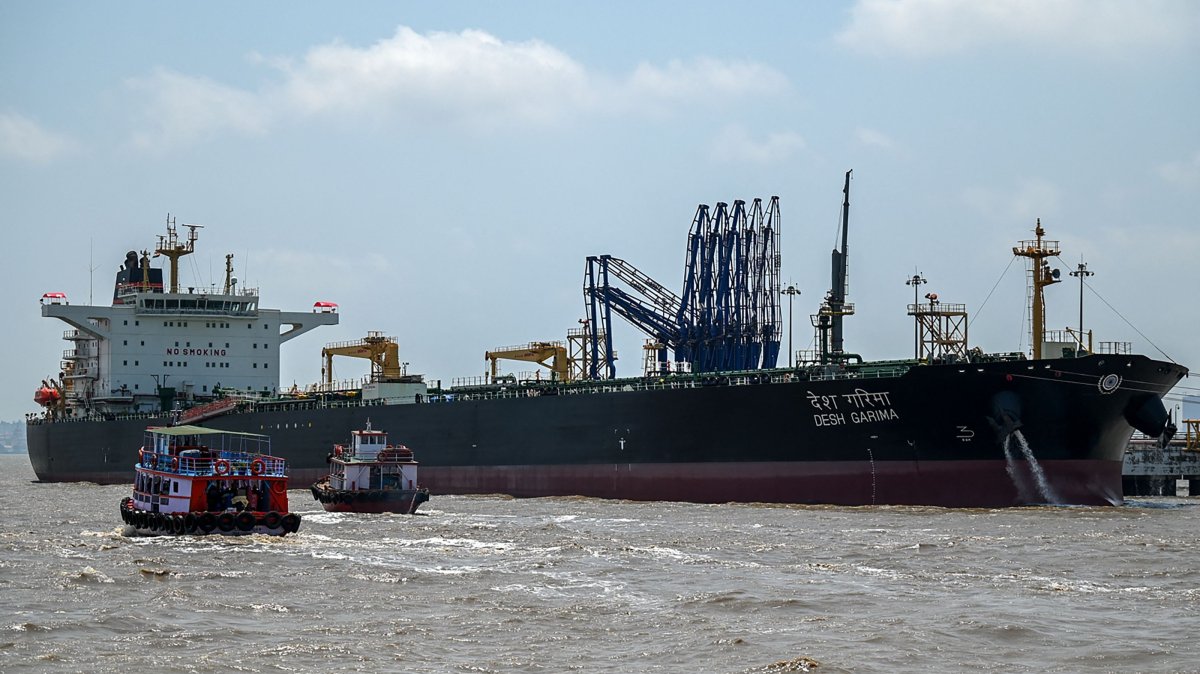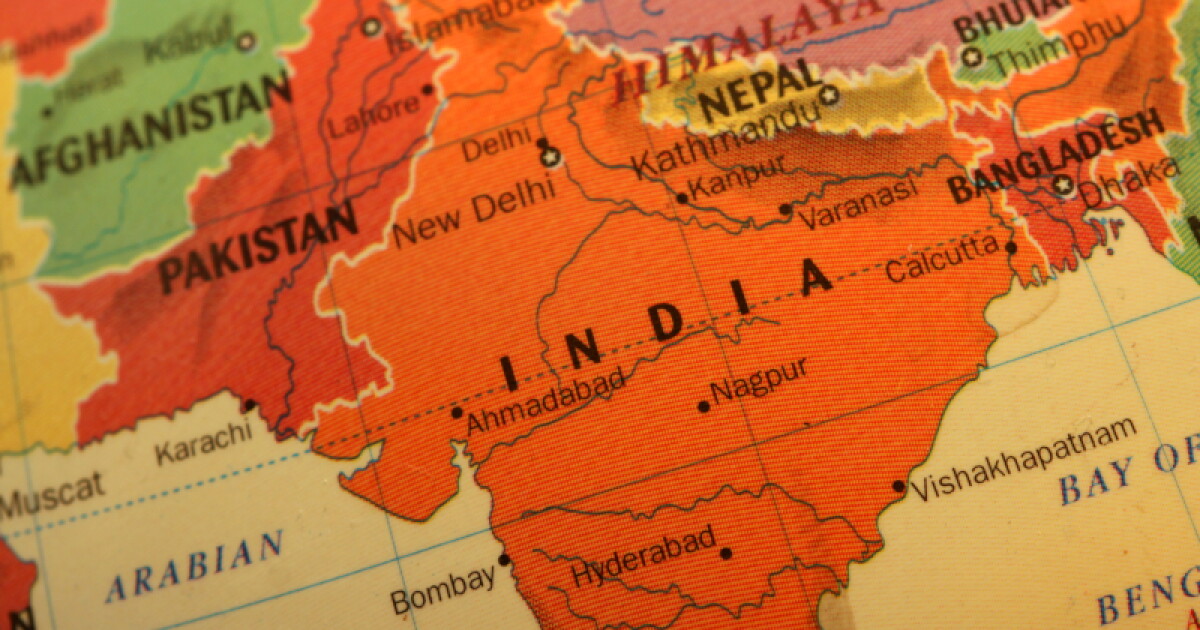
Nearly three months into the largest energy supply shock on record, there are conflicting signals about how well India — the world's fastest-growing economy in 2025 and expected to be its biggest driver of future oil demand growth — is withstanding the crisis. On one hand, the government insists retail outlets are well supplied and there are no fuel shortages, despite the country's precarious reliance on Mideast liquids. State refiners are still finding alternative cargoes to meet the country's 5.5 million barrels per day of demand, industry sources tell Energy Intelligence. At the same time, the government and companies must absorb ballooning oil subsidies, which shield customers from the shock but do little to curtail demand. New Delhi says throughput at state-owned refineries — run by Indian Oil, Bharat Petroleum and Hindustan Petroleum — are now exceeding 100% as they seek to compensate for lost fuel imports. Data appears to back that up: Crude imports in May are on pace to post a near-record 5 million b/d, according to shipping analytics firm Kpler. India, which relied on the Mideast for 50% of its oil, products and LPG imports before the war, has found alternate supplies in Africa and the Americas. Top fuel retailer Indian Oil reported sales growth of 18% for diesel and 14% for gasoline in the first three weeks of May compared to the same period a year earlier. The spike in diesel sales is likely linked to heavy buying by bulk users — these buyers usually purchase directly from oil companies but started queuing up at retail outlets when the companies hiked bulk prices by 50% while keeping retail prices unchanged. LPG, widely used for cooking in India, is the outlier, as the government admits it can't produce or buy all that it needs; LPG consumption dropped by 16% this month compared to 2025 due to lack of supplies, government data shows.
India Pays Steep Price to Keep Oil Flowing
India is surprisingly having no trouble sourcing alternatives to Mideast oil, but the government's subsidy bill risks becoming dangerously unsustainable.
TL;DRAI
India replaced 50% Mideast oil imports via Africa/Americas: May crude near-record 5M b/d, state refineries above 100%. Bulk prices up 50% while retail stays frozen — subsidies are mounting and a 16% LPG supply drop marks the limit of alternate sourcing.
315 words~1 min read