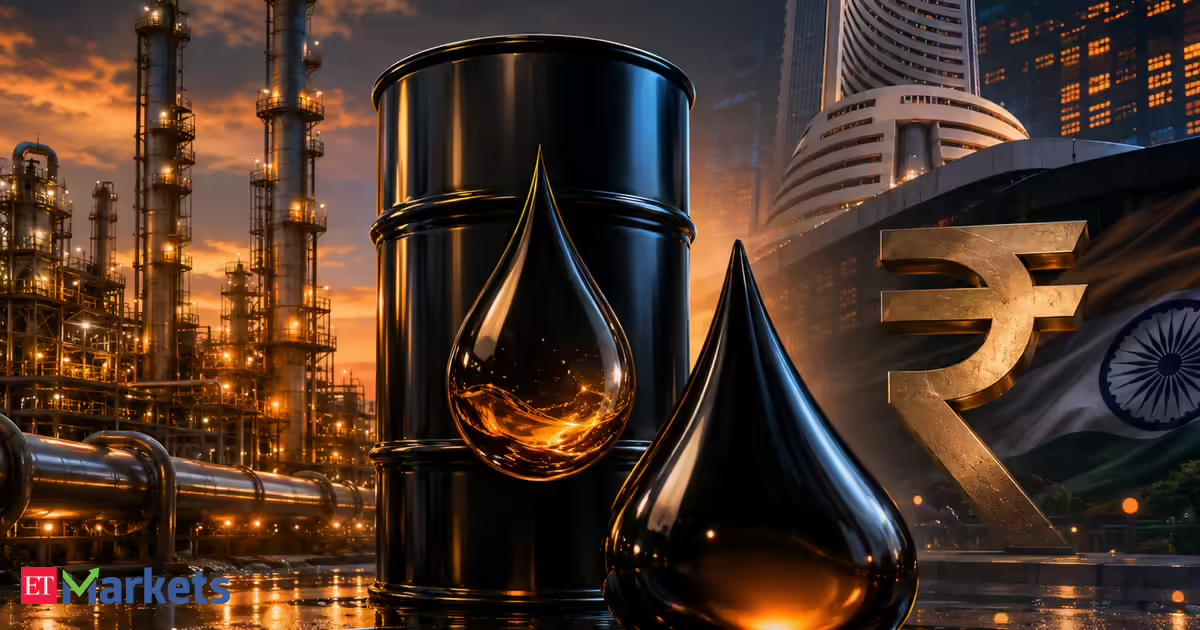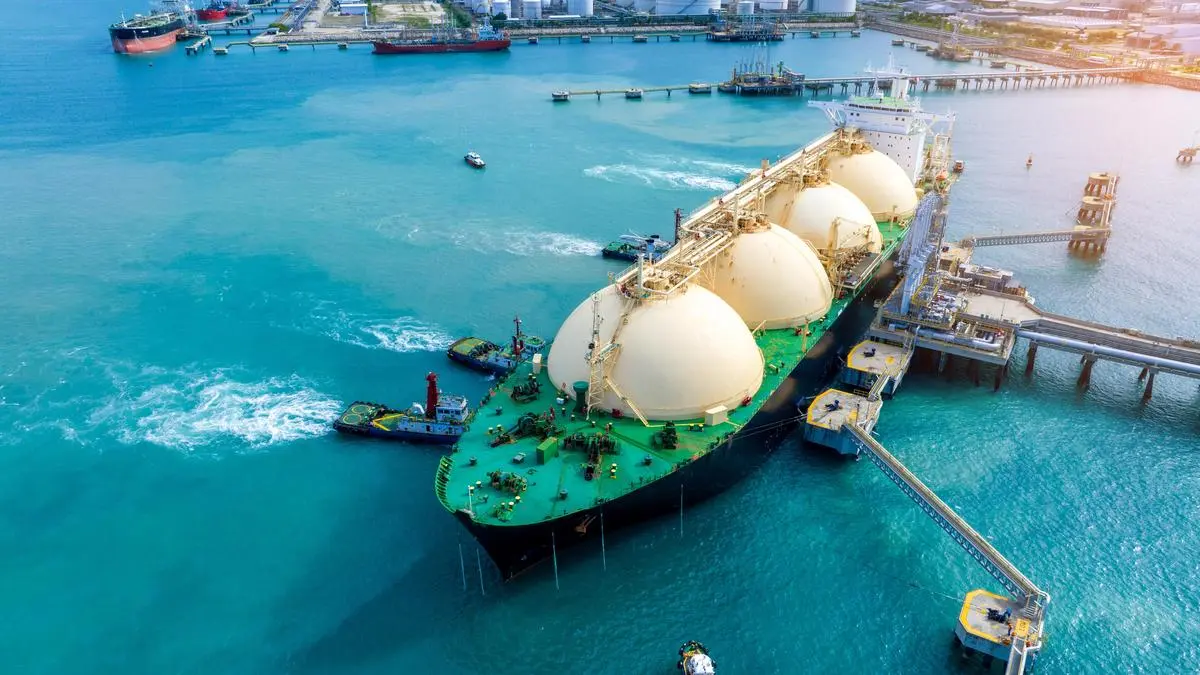
SynopsisAs India grapples with escalating fuel and plastic costs, the situation is further exacerbated by supply disruptions in West Asia, jeopardizing oil access. This trend is likely to squeeze the economy, pushing inflation and interest rates upward.Sharpen focus on energy pricing, exportsOpec reckons oil supply will fall below demand later this year. Projections for the annual average price of crude are creeping up. Saudi Arabia's Aramco and the UAE's Abu Dhabi National Oil Company (Adnoc) estimate full flows through the Persian Gulf will be restored in 2027 - if the US war on Iran ends immediately. IEA says the oil market is heading into a 'red zone' by July-August as global oil reserves are dumped into the market. Even an imminent resolution of the Hormuz standoff will require months of follow-up action to stabilise shipping trade, replenish reserves and restore production. Oil-importing nations may be willing to pay a premium on supplies from less politically-sensitive sources than West Asia.None of this is good news for India, which has begun to transmit fuel price hikes to consumers. Previous experience shows transmission will be gradual, but it must be of an order to compress demand. There is no such flexibility over fertilisers amid the prospect of an erratic monsoon. Pass-through of the price surge in plastics will be more substantial, with a broad impact on core inflation. All this upsets India's growth-inflation dynamics. Fiscal pressure of incomplete transmission of fuel and fertiliser prices will harden interest rates. Monetary policy will, likewise, reset the interest rate cycle in the context of the energy shock. A tightening policy environment will try to keep the growth sacrifice low.In India's case, energy shocks are reinforced by capital flight. Current and capital accounts turn adverse and require central bank intervention to stabilise the rupee. India's vulnerability to the current crisis is underscored by the rupee's extraordinary decline. The economy needs to build resilience through diversification of energy sources. A decade of crises should sharpen policy focus on energy pricing and exports. India has built up a reputation for crisis management. It must leverage this accomplishment to structural changes that lower its susceptibility to imported energy inflation. ...moreElevate your knowledge and leadership skills at a cost cheaper than your daily tea.Subscribe Now
Oil well the damage control machinery - The Economic Times
As India grapples with escalating fuel and plastic costs, the situation is further exacerbated by supply disruptions in West Asia, jeopardizing oil access. This trend is likely to squeeze the economy, pushing inflation and interest rates upward.
374 words~2 min read