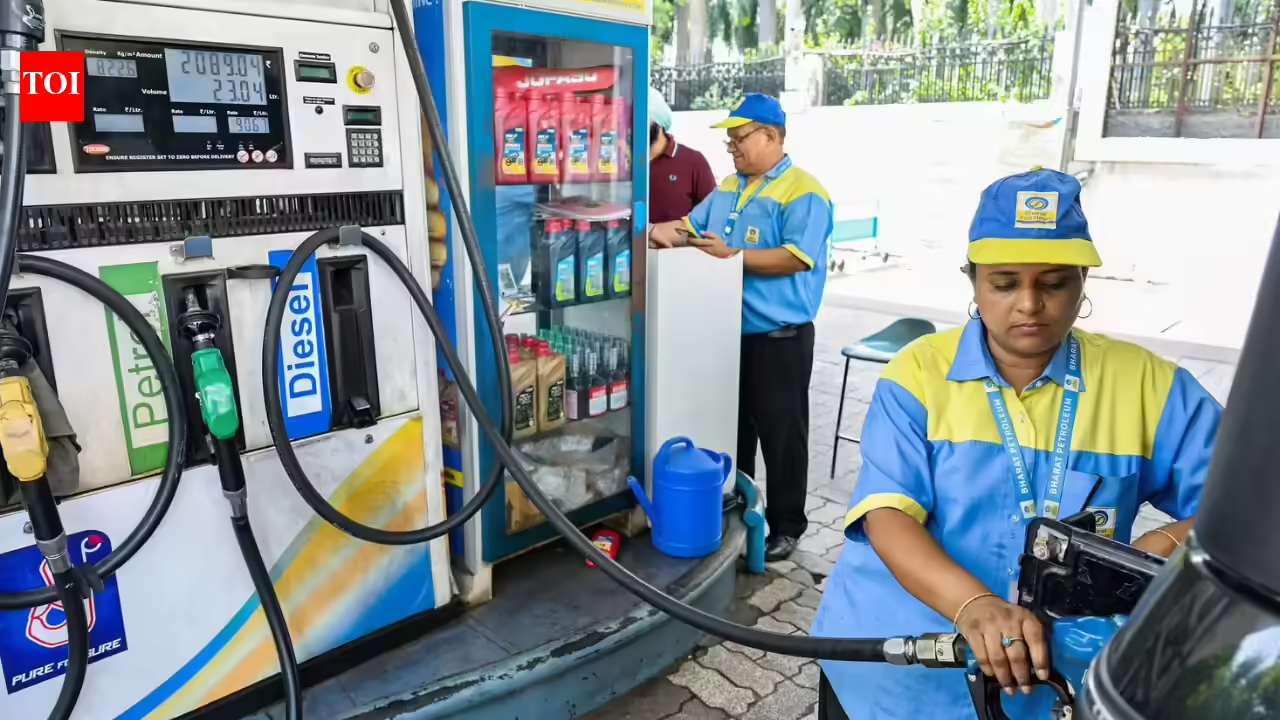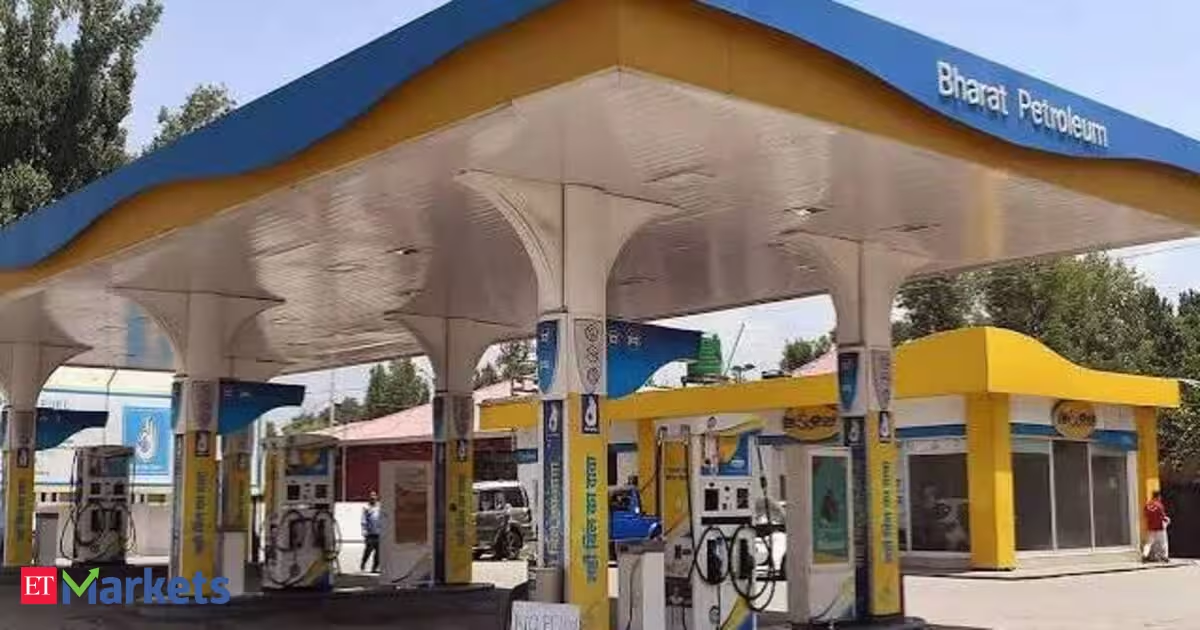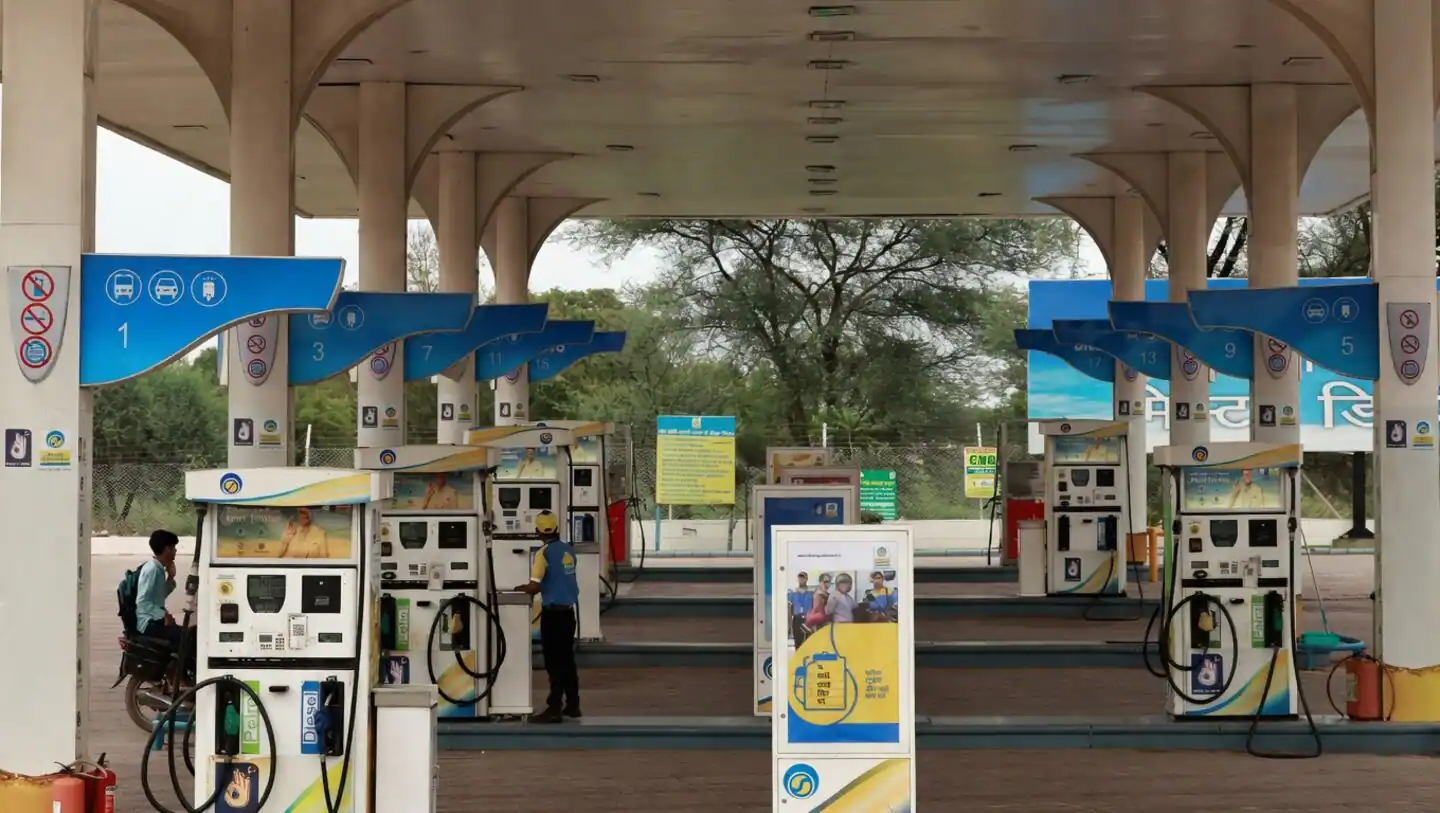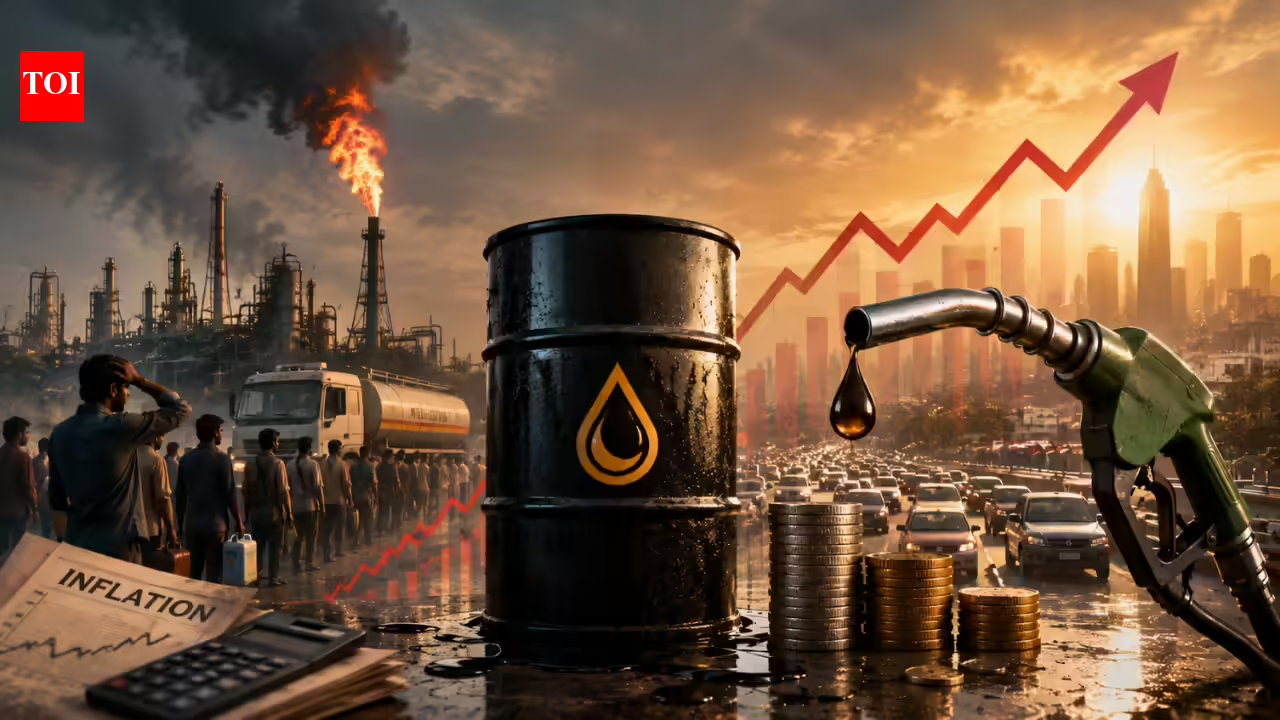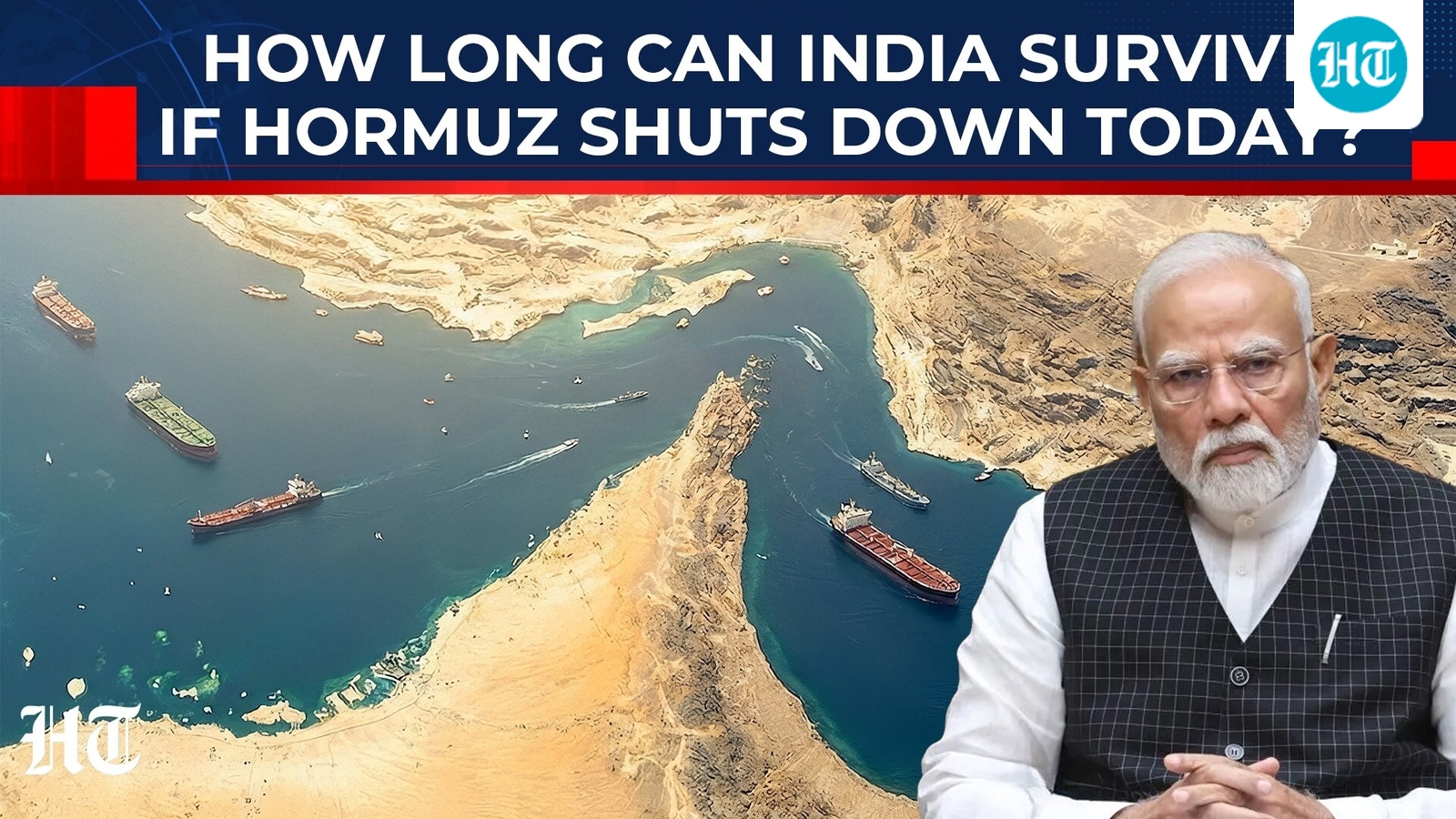
India cannot remain insulated from the global oil shock, and the sharp rise in crude prices is directly hurting the country’s economy, former Bharat Petroleum Corporation Ltd. (BPCL) Marketing Director Sukhmal Kumar Jain said on Sunday, pointing to rising import costs and rupee depreciation as key concerns.Speaking on the impact of rising fuel prices, Jain said the oil and gas sector plays a major role in India’s GDP and remains heavily dependent on imports, making the economy vulnerable to global price swings.Also read: Retail fuel price hike 'inevitable' if global oil pressures persist: BPCL's Director HR“No economy is isolated from the world economy,” Jain told news agency ANI, adding that India imports nearly 85% of its crude oil requirements.— ANI (@ANI) He said crude prices have jumped sharply from around $65–70 per barrel to nearly $110–115 per barrel, marking an increase of almost 60%, which is “directly affecting the economy”.The fate of a depreciating rupeeJain also flagged the weakening rupee as another source of pressure, saying depreciation against the US dollar was further impacting GDP.“The rupee has depreciated against the dollar, further impacting GDP. Economists repeatedly indicate these pressures,” he said.The former BPCL executive also warned that India’s dependence on imports across key commodities was worsening the strain on the economy and currency.“As far as oil-gas, gold, fertilisers, and edible oils are concerned, without controlling their imports, we can’t stop rupee depreciation, leaving the economy heavily affected,” Jain said.The $200 crude riskJain’s remarks come amid growing global concerns over oil supply disruptions linked to tensions around the Strait of Hormuz, one of the world’s most critical energy chokepoints.A report by consultancy Wood Mackenzie on Friday warned that global crude oil prices could surge to as high as $200 per barrel in a worst-case scenario if the Strait of Hormuz remains closed for a prolonged period.The report said global energy markets have remained on edge since the start of the Iran war in February, with oil prices already climbing sharply and fuelling concerns around inflation, interest rate hikes and broader economic disruption.According to the report, more than 11 million barrels per day of Gulf crude and condensate production is currently curtailed, while over 80 million tonnes per annum of LNG supply — around 20% of global supply — has been affected.“The Strait of Hormuz is the most critical chokepoint in global energy markets, and a prolonged closure would become far more than an energy crisis,” Peter Martin, head of economics at Wood Mackenzie, said in the report.“The longer disruption persists, the greater the impact on energy prices, industrial activity, trade flows and global economic growth,” he added.Also read: Crude oil prices could hit $200 per barrel if Strait of Hormuz remains closed: ReportPeace, settlement or disruption? 3 possibilitiesThe report outlined three possible scenarios depending on how quickly tensions ease and the Strait reopens.Under the most optimistic “Quick Peace” scenario, the conflict is resolved by June, allowing Brent crude prices to ease to around $80 per barrel by the end of 2026 and further to $65 per barrel in 2027.A “Summer Settlement” scenario assumes negotiations continue until late summer while the Strait remains largely closed, leading to oil and LNG shortages through the third quarter of 2026 and raising the risk of a shallow global recession in the second half of the year.In the worst-case “Extended Disruption” scenario, the Strait remains largely closed through the end of 2026, with recurring tensions further restricting oil supplies. Under this scenario, oil prices could climb to $200 per barrel even as global oil demand falls by 6 million barrels per day in the second half of 2026.Wood Mackenzie also warned that the global economy could contract by as much as 0.4% in 2026 under the prolonged disruption scenario.The report added that a prolonged crisis could accelerate the shift toward alternative energy sources, particularly in Asia and Europe, with countries increasing electrification and reducing hydrocarbon use. It also projected a positive outlook for US LNG exporters amid rising demand for diversified energy supplies.
India can’t escape global oil shock; fuel prices hurting economy, says former BPCL exec
India's economy is significantly impacted by the global oil shock, with crude prices surging by nearly 60%. Former BPCL Marketing Director Sukhmal Kumar Jain highlighted rising import costs and rupee depreciation as major concerns. He emphasized that the nation's heavy reliance on imports for oil and other key commodities exacerbates these economic pressures.
667 words~3 min read