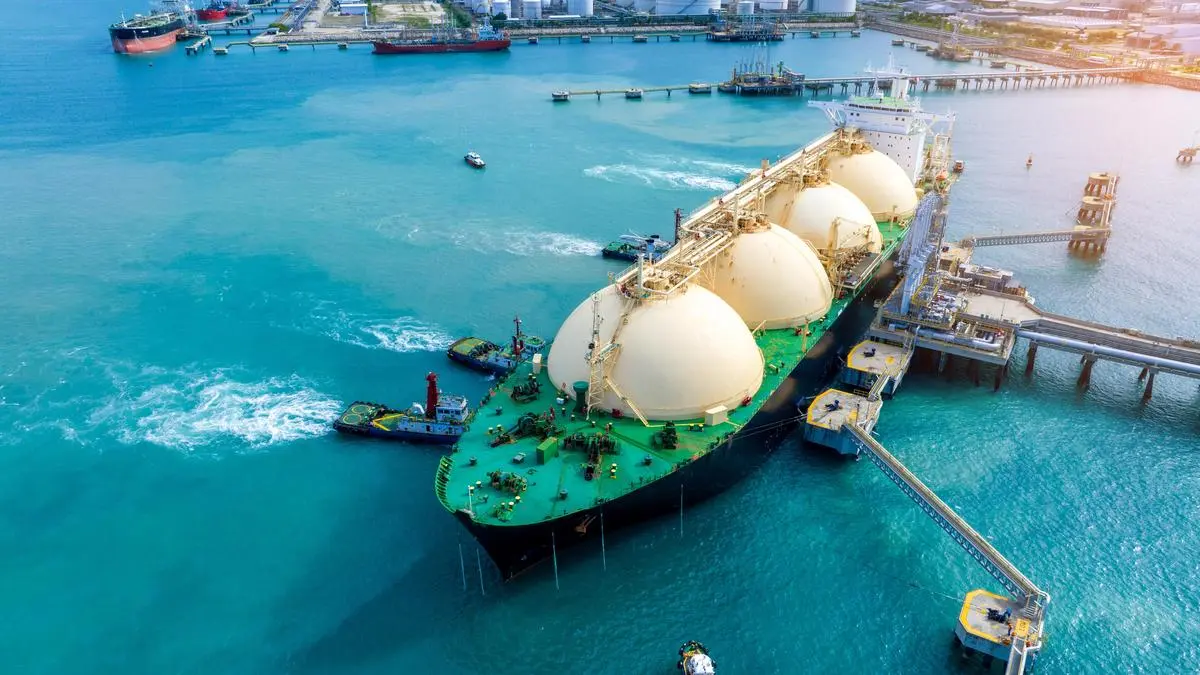
Energy: Supply disruptions
| Photo Credit:
Suphanat Khumsap
Three months into the West Asia conflict, the geopolitical tensions are exerting a deeper influence on India’s economy. The disruption imposed by higher commodity prices, elevated freight costs and supply chain bottlenecks are gradually influencing demand patterns and balance sheet resilience across sectors. A differentiated impact is emerging, depending on sectoral linkages to energy costs, global trade, and discretionary consumption.Sectors hitEnergy-intensive industries such as aviation, refining, fertilisers, and chemicals face the most pronounced challenges due to elevated input costs and operational disruptions. Aviation is under significant stress due to high aviation turbine fuel (ATF) prices, airspace restrictions and weak demand. Limited fare pass-through, currency depreciation and rerouting inefficiencies will bloat losses in FY2027.Crude and Liquefied Petroleum Gas (LPG) disruptions, along with elevated prices, are widening under-recoveries and working capital requirements for the Refining & Marketing players, weighing heavily on profitability despite sourcing from alternate geographies. On the City Gas Distribution (CGD) side, high Liquefied Natural Gas (LNG) prices and limited pass-through are compressing margins, especially in industrial and commercial Piped Natural Gas (PNG) and Compressed Natural Gas (CNG) segments, while PNG (domestic) segment remains relatively insulated.Raw material disruptions for key feedstocks, are constraining production for select chemicals and petrochemicals players. Limited pricing flexibility is compressing sales and margins across segments. Pressingly, elevated input costs and supply constraints in ammonia and sulphur are pressuring margins in the fertiliser sector, particularly for non-urea players, despite policy support mechanisms.Additionally, ceramic tile exporters are faced with pressure from elevated gas and fuel costs, straining revenues and compressing margins. Our channel checks suggest that smaller players are more exposed given their higher dependence on exports and weaker ability to absorb cost shocks. Domestic demand remains steady; however, exports to West Asia (~20% share) have been impacted, leading to a disproportionate effect on Morbi-based ceramic players given their higher reliance on overseas markets.Elevated gold prices and duty hikes impose challenges for jewellery retail, moderating volumes and raising working capital needs despite stable supply and effective cost pass-through. While Cut and Polished Diamonds (CPD) face risks of potential supply chain disruptions, diversified sourcing and low logistics intensity help limit the overall impact.Moderate headwindsSeveral consumption-driven and export-oriented sectors are experiencing moderate headwinds through cost pressures and demand sensitivity. For instance, cement firms face margin pressure from higher input costs, including petcoke and diesel. Limited pricing flexibility is likely to result in lower Operating Profit before Interest, Tax, Depreciation and Amortisation (OPBITDA) per tonne despite demand support.Further, auto component players face moderate pressure from elevated raw material and fuel costs, though supply chains remain stable. Partial, lagged pass-through is leading to mild margin compression, while demand remains resilient despite risks from inflation and export softness. Tyre manufacturers face margin pressure from rising crude-linked inputs and limited pricing flexibility, alongside export disruptions and currency-related cost pressures.For Automobile Original Equipment Manufacturers (OEM), elevated commodity, freight and fuel costs will weaken margins, with pass-through remaining calibrated amid demand sensitivity in mass-market segments. While supply chains are broadly stable, any prolonged disruption could weigh on production planning and affordability-led demand, especially in two-wheelers. While demand remains stable for commercial vehicles, higher fuel costs pose downside risks. Input cost pressures persist, but partial price hikes and stable supply chains support near-term profitability.Additionally, quick Service Restaurants (QSR) operators face moderate disruption from LPG shortages, affecting operations. Moreover, rising costs and weak discretionary demand could pressure sales and margins ahead.While we are watchful of the evolving situation, other sectors appear relatively less affected at present. Hospitality, pharmaceuticals, non-ferrous metals, textiles and cotton spinning remain relatively insulated, supported by diversified supply chains, captive availability of raw materials, domestic demand stability, or favourable pricing dynamics.Credit stressNevertheless, the outlook is complicated by the sensitivity of financial sector profitability to asset quality. Rising economic stress could increase non-performing assets, especially in MSMEs and unsecured loans, amplifying the impact on bank profitability and credit growth.In this challenging backdrop, we expect a significant moderation in the credit ratio, which is the ratio of rating upgrades to downgrades, in the current fiscal for India Inc, after buoyancy in the past 3-4 years.The writer is Chief Rating Officer, ICRAPublished on May 30, 2026