The lesson for India is to diversify away from West Asia, which it is already doing, but that will take time, said an expert
| Photo Credit:
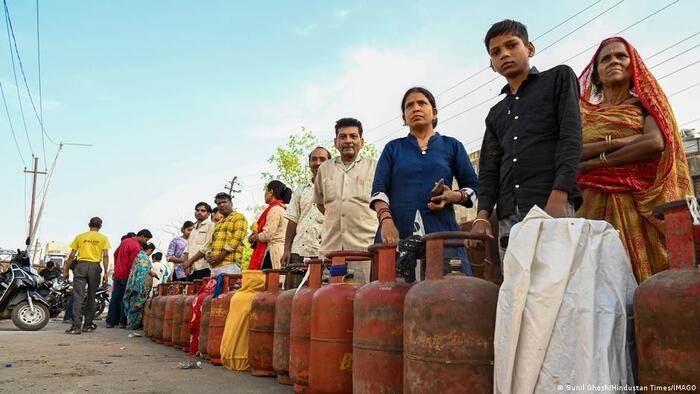
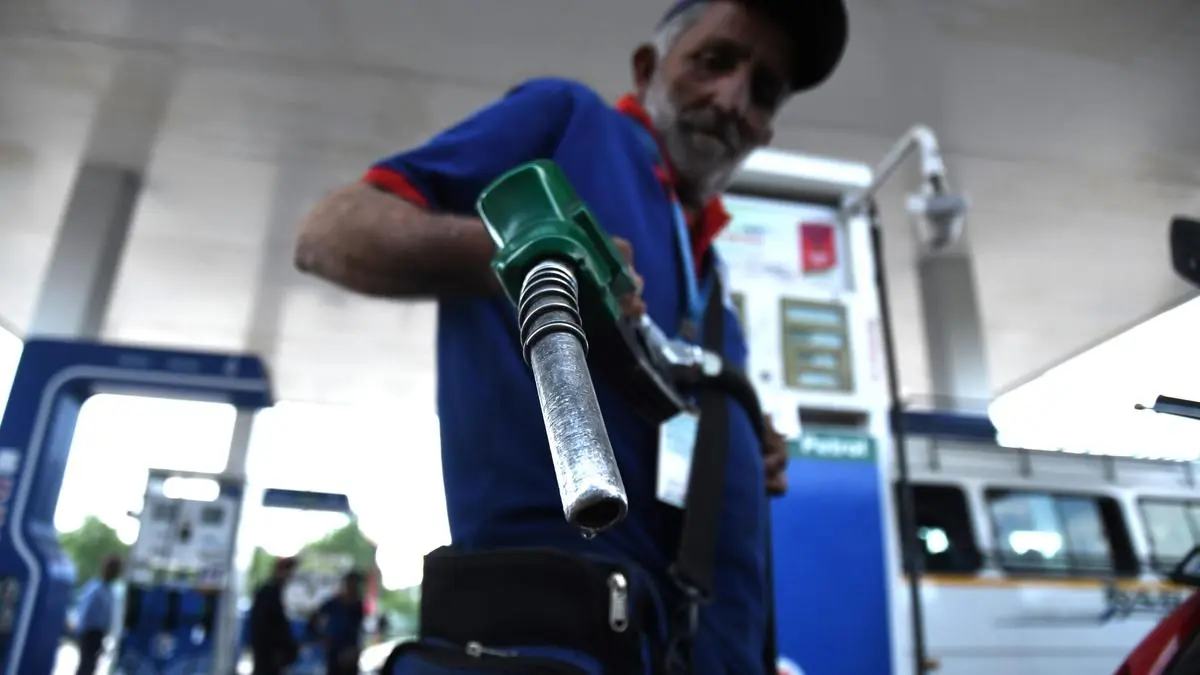
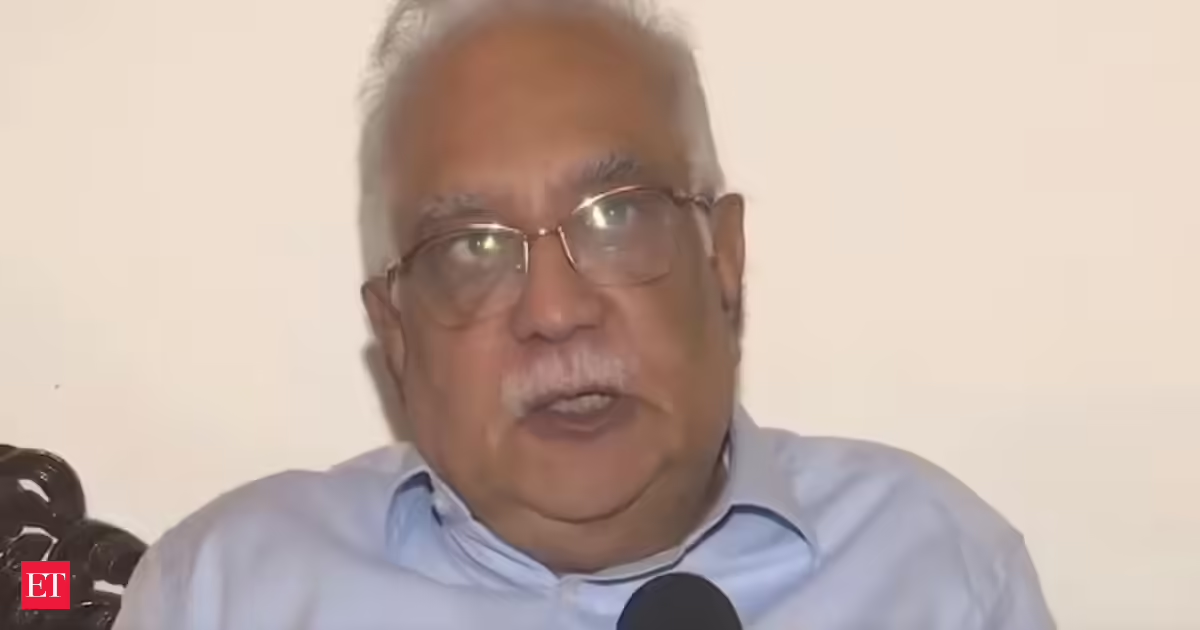
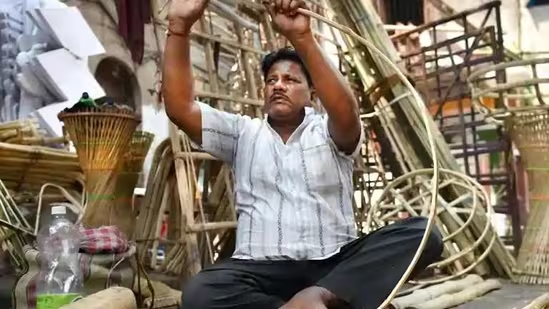
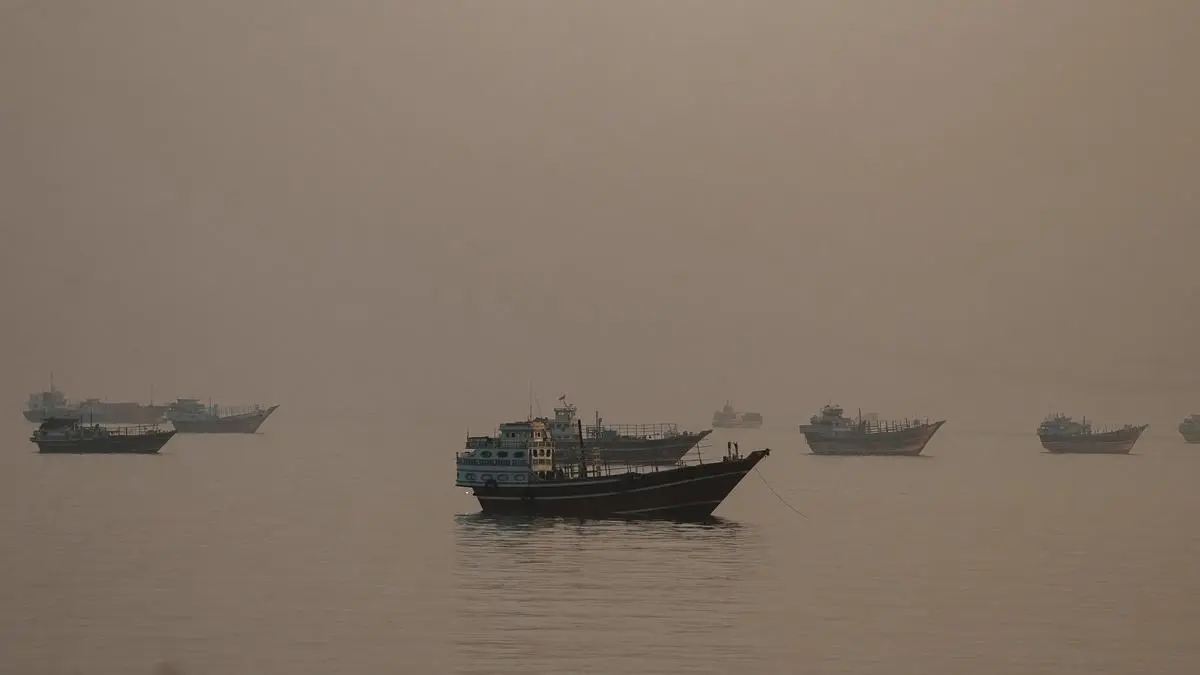
The ongoing West Asia crisis and energy shortages are set to severely affect production, distribution and consumption in the country, and the government needs to take steps to protect vulnerable sections of society while prioritising the use of fuel for essential activities, said experts.“There were problems in the economy even before February 28 [when US attacked Iran], but because of the West Asia crisis we are facing a supply shock, which is a new thing for our economy. Because we are short of energy, it is affecting everything, from production to distribution to consumption. And it is the unorganised sector that is taking the worst hit,” pointed out economist Arun Kumar at a panel discussion on the impact of the West Asia crisis organised by the Indian Women’s Press Corps on Wednesday.As far as poor people are concerned, the economy is in stagflation, with high inflation and growth stagnation. “If the situation continues, the economy will be in recession with official data not capturing it,” he said. Pointing out that gas was being sold in the black market at four to five times the actual price, Kumar said it was severely affecting the budget of the poor who had very little savings. “The black market prices don’t get accounted for in our inflation data. The inflation for our poor could be as high as 40 per cent while the official figures could be 3.5 per cent,” he said.On the production side, the large sector was still managing as it had enough capital, but things are dire for small producers. “The small sector has very little capital. So, when prices go up, especially that of energy, it shuts down. And people lose their jobs. That is why lots of workers are now going back to the rural sector, just like in the pandemic. There they can at least burn wood,” said Kumar.On how to find a way out of this energy crisis, Kumar said the government must differentiate between essential things and non-essential things. “You curb the inessential, but you allow full energy use to the essential. That will minimise the loss of output,” he said.For example, the government could check the use of private transport and promote public transport, said Kumar.US hit, too“We are in trouble. But we are not the only ones. The US, too, is facing problems. West Asia is very important to us for our energy and fertilizer security. And the closure of the Strait of Hormuz and other routes have affected supplies,” said former Ambassador Anil Trigunayat.The lesson for India is to diversify away from West Asia, which it is already doing, but that will take time, he said. “The alternative routes that are being explored cannot happen in the short term. There will be pains [for India], and these have to be addressed through policy measures and the government is already taking action,” he said.Published on June 3, 2026