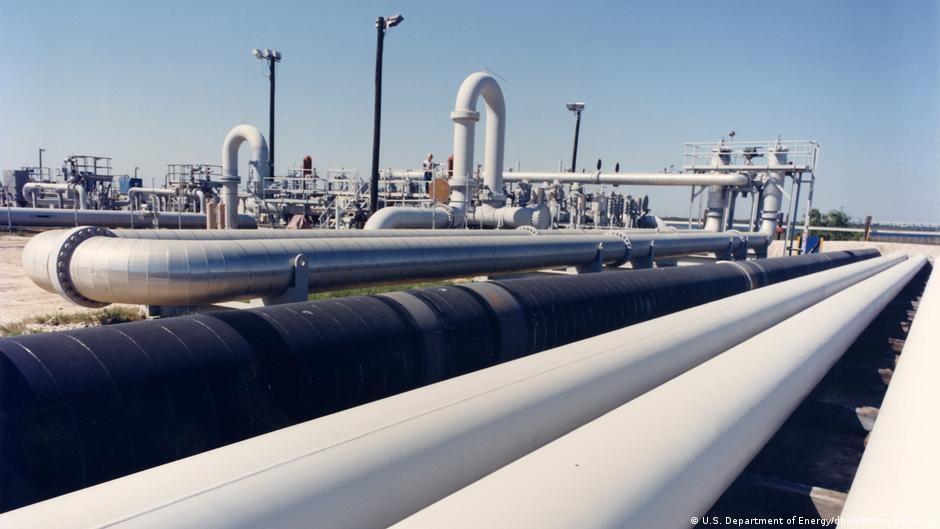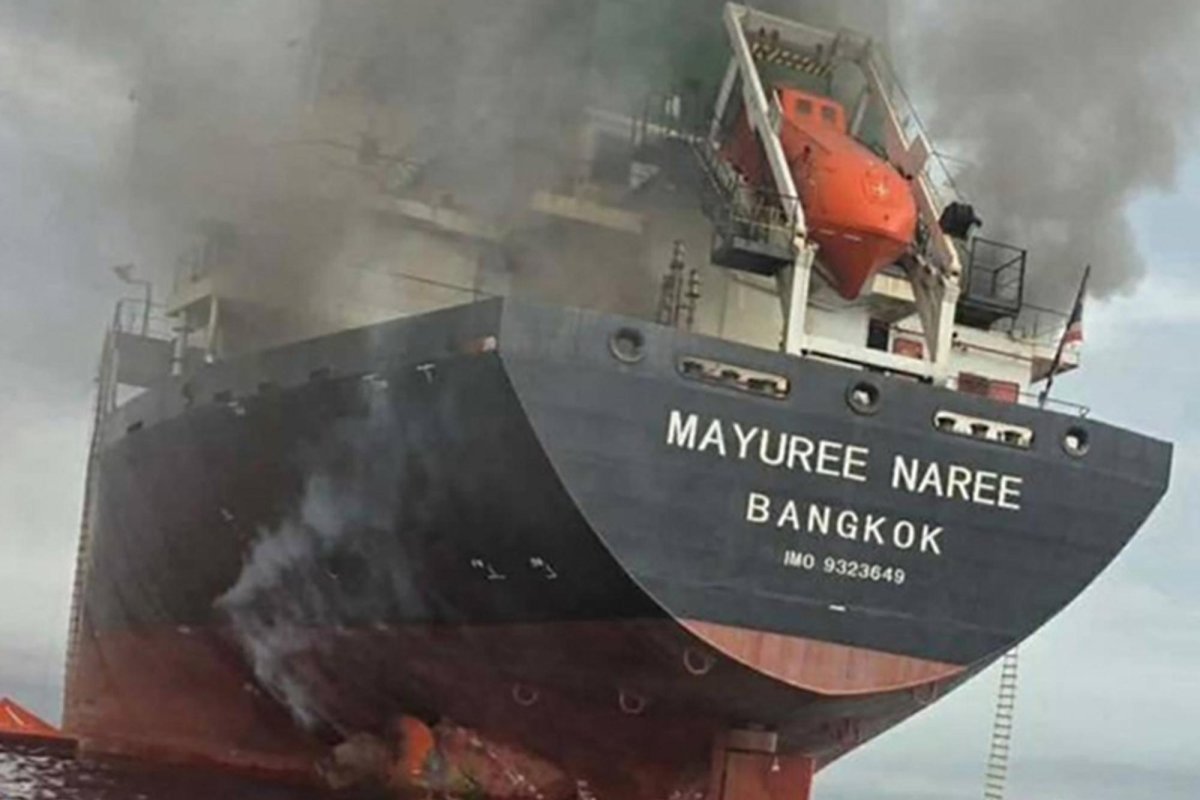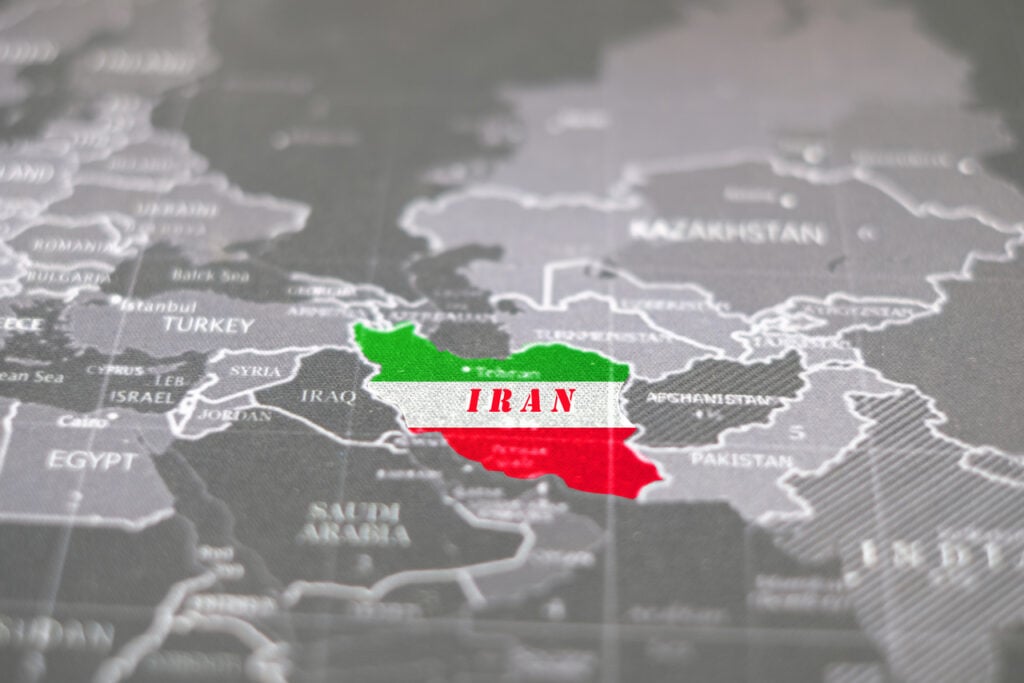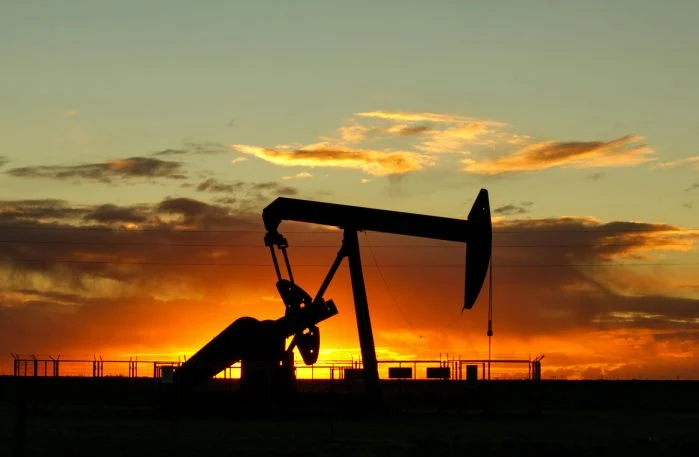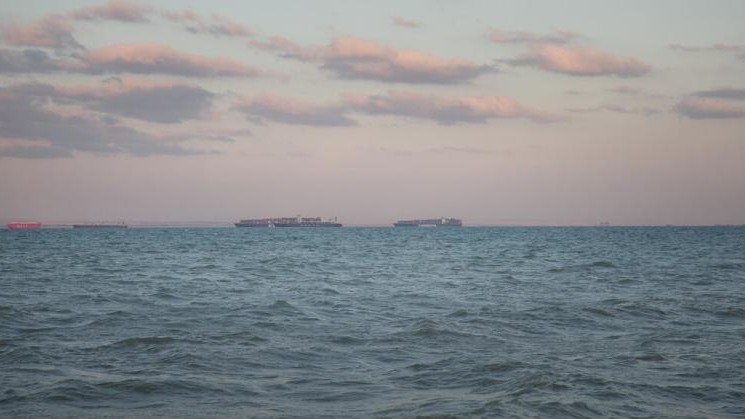
The Middle East conflict has triggered sweeping, multi-commodity supply shocks, profoundly impacting global energy, petrochemicals, agriculture and shipping industries, among others. The disruption of shipping through the Strait of Hormuz--which handles nearly 27% of the global maritime oil trade--has triggered historic shortages and long-term operational strain on Gulf energy infrastructure, with estimates that repairing damaged liquefied natural gas (LNG) facilities in Qatar could take up to five years.Even with ongoing de-escalation efforts, rerouting tankers and the war risk premium are expected to maintain structurally higher pricing floors for energy and refined products. Here are the top 5 commodities that have been impacted the most by the war in Iran.#1. Crude Oil This is the biggest one by far. Roughly 20% of global oil consumption normally moves through Hormuz, including exports from Saudi Arabia, Iraq, Kuwait, the UAE and Qatar. Asian buyers like China, India, Japan and South Korea are especially exposed. Crude oil prices have largely remained headline-driven, taking direction from escalations and de-escalations of the conflict in the near term. Medium- to longer-term prices should be supported by purchases for strategic reserves, a focus on resource nationalism and hoarding, and logistical lags caused by the disruption. However, a prolonged shutdown could trigger a catastrophic supply deficit, drain commercial reserves, drive physical cargo premiums to historic premiums and force global benchmark prices like Brent to surge sharply.When immediate delivery is threatened, physical crude prices (like North Sea Forties) decouple from financial futures. Buyers pay massive premiums for available non-blocked barrels, causing immediate physical market tightening. The shutdown of direct Persian Gulf export routes forces long detours. Tankers rerouting around the Cape of Good Hope trigger massive jumps in maritime insurance premiums and shipping durations, embedding a heavy logistical premium into the final cost of physical crude.#2. LNG (Liquefied Natural Gas)Qatar is one of the world’s largest LNG exporters, traditionally accounting for roughly 20% of global liquefied natural gas supply. Operating primarily out of the massive Ras Laffan Industrial City, the country supplies critical long-term contracts to major markets in Asia including China, India, and Japan as well as Europe. Nearly all of its LNG cargoes transit Hormuz.Natural gas markets have continued coping remarkably well with the near-term loss of the majority of Middle East gas supply, mainly due to expected additions to LNG capacity in the United States later in the year. However, LNG markets are structurally tighter than oil because rerouting alternative supply is harder and spare export capacity is limited. Unlike crude oil, which can often be switched to alternative overland pipelines or transported via different regional ports when chokepoints occur, LNG requires highly specific, localized cryogenic infrastructure. LNG relies entirely on dedicated liquefaction plants at the export origin and regasification terminals (or FSRUs) at the destination. Additionally, alternative supply from non-Gulf regions, including the U.S. and Australia, is insufficient to offset the loss of Persian Gulf volumes.To balance the market, prices would be forced to spike dramatically with Asian LNG spot pricing such as JKM surging, until industrial demand destruction and forced power rationing occurred.#3. Fertilizers (Urea, Ammonia, DAP)This is one of the most underappreciated risks. Gulf producers are major exporters of urea, ammonia, sulfur, and phosphate fertilizers. Fertilizer production relies heavily on natural gas, both as a fuel and a raw material. Attacks on Gulf energy infrastructure and the Strait of Hormuz blockade--which handles approximately one-third of globally traded fertilizers--has triggered skyrocketing prices for nitrogen and phosphate fertilizers, widespread supply shortages and increased manufacturing costs. Wholesale prices for nitrogen fertilizers like urea and anhydrous ammonia have surged by 30% to 40% in the US; nitrogen-based fertilizer prices have risen drastically across the globe, while urea prices have seen extreme spikes in vulnerable markets.Countries in sub-Saharan Africa, India, Pakistan, and Bangladesh face significant threats to domestic crop yields and food security due to limited import alternatives and high costs. While the EU is less reliant on Middle Eastern fertilizers directly, European nitrogen fertilizer is made using natural gas. The constraint on global gas supplies has sent European fertilizer manufacturing costs soaring.#4. Petrochemicals / Naphtha The Iran war has severely restricted global supplies of naphtha and petrochemicals, leading to skyrocketing feedstock prices, production cuts at Asian steam crackers and massive inflation in downstream products like plastics and medical supplies. Naphtha refining margins over Brent crude surged past $400 per tonne in Asia while prices in northwest Europe soared over $900 per ton. Because naphtha is the core building block for plastics, derivative markets have suffered massive inflation, with polyethylene and polypropylene prices on the Dalian Commodity Exchange surging over 35% while global plastic resins have jumped more than 30%. As a result, Asian petrochemical producers--which rely on the Middle East for more than 60% of their naphtha--are facing severe shortages, forcing them to reduce operating rates and throttle manufacturing. The conflict and subsequent blockades in the Strait of Hormuz have halted roughly $20–$25 billion worth of petrochemical flows, severely impacting Middle Eastern exports from countries like Qatar and Kuwait.Shortages of polyethylene have directly disrupted manufacturing chains. For example, food companies in Japan have been forced to change their packaging processes due to a lack of plastic feedstocks. Meanwhile, healthcare supply chains--including items dependent on synthetic rubber and polymers, such as medical gloves and syringes--have experienced cost spikes of up to 40% and threats of localized shortages.#5. AluminumThe global aluminum market is currently facing an existential supply crisis triggered by the Middle East conflict. The global aluminum market is facing its largest supply deficit in over 25 years, driven by military conflict involving Iran, a critical mix of missile strikes on major Middle Eastern smelters and shipping blockades has knocked out up to 5% of global output. The ongoing shipping blockade chokes off 23% of the aluminum exported outside of China, and also halts the inbound maritime flow of vital raw materials like alumina and carbon bauxite. Wall Street is now projecting a refined aluminum deficit of at least 2 million metric tons by the end of 2026.Direct missile strikes physically crippled several critical Gulf production facilities, with Emirates Global Aluminium's Al Taweelah facility in Abu Dhabi and the Aluminium Bahrain smelter extensively damaged. Restarting completely shut-down aluminum smelters is a grueling process that takes 12 to 18 months for rebuilding, meaning this supply will remain offline even if geopolitical tensions ease immediately.The Middle East accounts for roughly one-fifth of American and European aluminum imports. Western manufacturers cannot easily pivot to alternative suppliers like China or Russia due to strict tariffs and trade sanctions.By Alex Kimani for Oilprice.comMore Top Reads From Oilprice.comSaudi Arabia Expected to Slash Oil Prices AgainNorway Lobbies to Persuade EU to Drop Arctic Drilling BanJapan Crude Imports Fell 66% in April
Top 5 Commodities Impacted By The Iran War | OilPrice.com
The Iran war has triggered major disruptions across multiple commodity markets, with crude oil, LNG, fertilizers, petrochemicals, and aluminum experiencing severe supply shortages, higher costs, and increased volatility.
1,115 words~5 min read