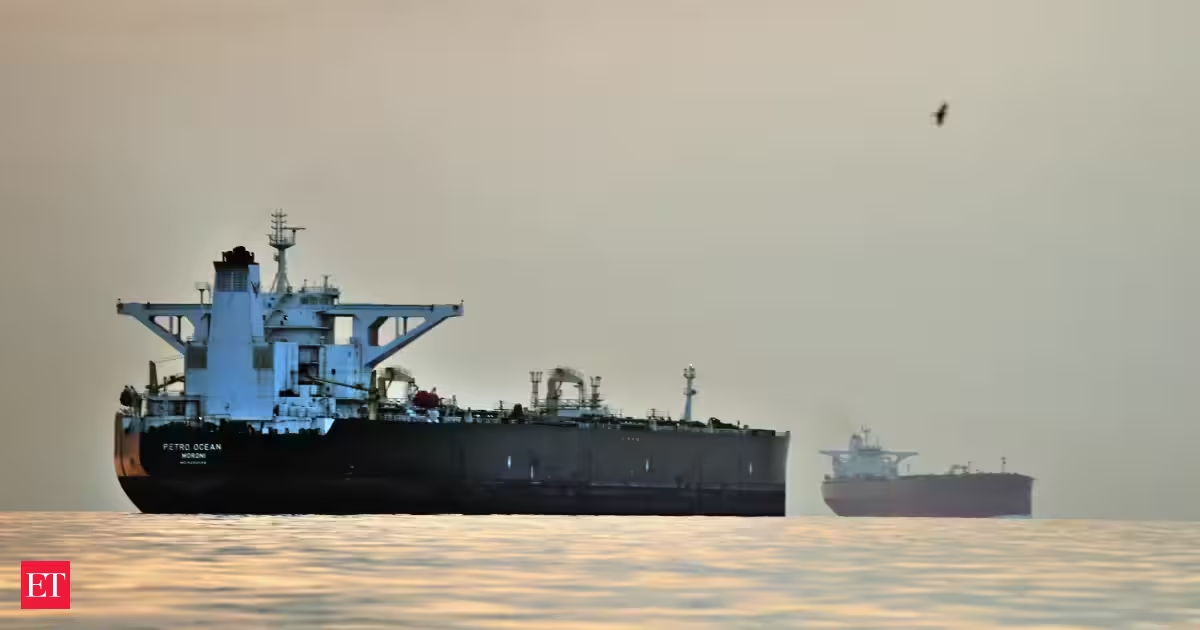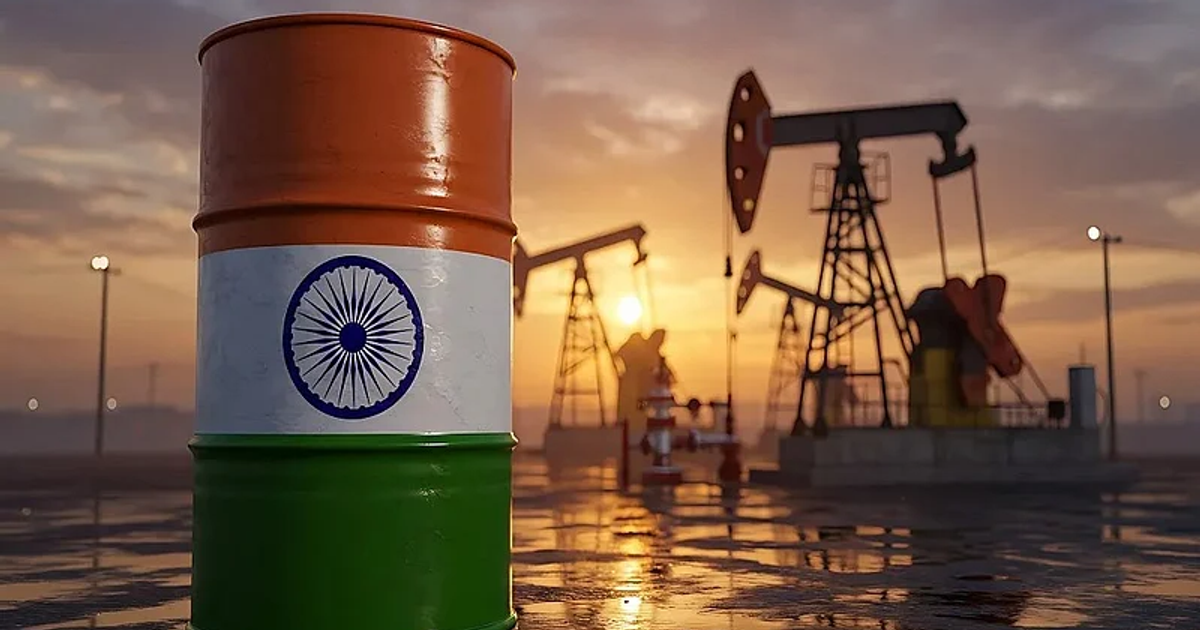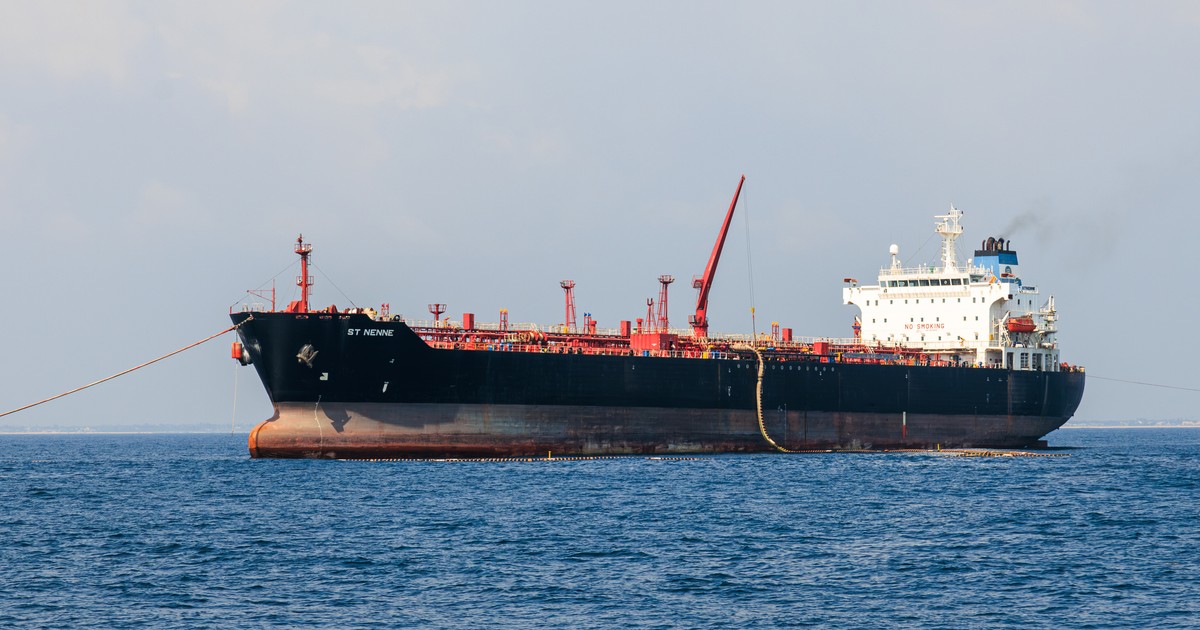
The world’s third-largest crude importer, India, is accelerating efforts to diversify its oil imports in the wake of the Middle East crisis.India had begun raising imports from Russia three years before the Iran war cut off most supplies from the Middle East, on which India relies for about half of its crude purchases.With the Strait of Hormuz de facto closed and only a handful of tankers moving out of the chokepoint per week, and few of these India-bound, the country is looking further away for sources of crude.Africa and South America have become an important part of India’s crude import slate in recent weeks, as refiners seek to replace the barrels trapped west of the Strait of Hormuz.Lost Middle East Barrels The share of Middle Eastern supply of all Indian purchases slumped in March and April as most of the crude is trapped behind the Strait and unable to leave the Persian Gulf.Saudi Arabia and the United Arab Emirates (UAE) have sent relatively stable volumes to India since the war started. But they are the only Middle Eastern producers with pipeline capacity to bypass the Strait of Hormuz and ship crude from ports not needing access to the chokepoint. Crude from Iraq, Kuwait, Qatar, and Bahrain couldn’t reach India in recent months.India didn’t buy any Iraqi crude in April, according to data by Kpler cited by Reuters.But purchases for May appear to have resumed, probably thanks to bilateral Iraq-Iran agreements for the safe passage of Iraqi oil tankers out of the Strait of Hormuz.OPEC’s second-largest producer, Iraq, heavily dependent on oil revenues and constrained by limited alternative export routes, has already secured passage for multiple supertankers carrying Basrah crude and is seeking additional agreements with Tehran.Iraq was one of the first Gulf producers to slash upstream production and now exports a small part of its crude via a pipeline to the Turkish Mediterranean coast. But its key export port at Basrah, which handled the bulk of exports before the war, is constrained due to the nearly impassable Strait of Hormuz.Preliminary data from Kpler shows that India is set to import about 40,000 barrels per day (bpd) of Iraqi crude in May—higher than the zero imports in April, but much lower than the volumes India has typically bought. For years, Iraq was one of India’s top three crude suppliers.Africa and South America Fill the GapAs supply from the Middle East crashes, India is buying growing volumes of crude from West African producers Nigeria and Angola, as well as from South American producers Brazil and Venezuela.As a result, Brazil and Venezuela moved into the top five of India’s crude oil suppliers in April, according to the Kpler data cited by Reuters.Russia was the biggest supplier of oil to India in April, as refiners took advantage of the continuous renewal of U.S. waivers for Russian crude loaded on tankers.The UAE and Saudi Arabia followed in second and third place, as they are the only Middle Eastern producers capable of moving crude from ports outside the Persian Gulf without having to ship through the Strait of Hormuz.Then came Brazil in fourth, and Venezuela in fifth place among the biggest crude suppliers to India.This month, Venezuela is even on track to become the third-largest oil supplier to India, per Kpler data cited by Indian media.India began importing Venezuelan crude in April, after the U.S. took control of Venezuelan oil sales early this year following the capture of Nicolas Maduro and desanctioned sales of Venezuelan crude, which are now being handled by the world’s biggest oil trading houses.Indian imports of Venezuelan oil are expected to average 417,000 bpd in May, nearly double from the 283,000 bpd shipped in April, and zero imports for the previous nine months, according to Kpler’s preliminary tracking.This would make Venezuela the third-biggest oil supplier to India this month, behind Russia and the UAE and replacing none other than the world’s top crude exporter, Saudi Arabia.“Indian buyers have historically shown strong interest in Venezuelan barrels due to their attractive economics and compatibility with complex refining systems,” Nikhil Dubey, lead analyst-refining at Kpler, said, as carried by the Economic Times.Many of India’s big refineries, including Reliance Industries’ Jamnagar site, the world’s largest integrated, single-location refining complex, are geared to process heavier crudes with higher sulfur content.Brazil is also boosting its crude exports to record highs and sending growing volumes to Asian markets, which are reeling from the Hormuz crisis.India is shifting its crude import slate, but it has reduced overall imports compared to pre-war levels due to the soaring oil prices.The world’s most populous country has been suffering from the crisis, which has crippled not only its crude supply, but also those of the main cooling fuel, liquefied petroleum gas (LPG). Oil marketing companies in India have just raised fuel prices for the fourth time in less than a month, after holding off on price hikes for two months after the war began.India’s economic pains are intensifying every day that the Strait of Hormuz remains closed. One of the highest-performing emerging markets in recent years is scrambling to contain the oil shock that is spreading to consumer prices, foreign exchange reserves, current accounts, and economic growth.By Tsvetana Paraskova for Oilprice.comMore Top Reads From Oilprice.comOil Prices Plunge Below $100 on Iran Deal OptimismU.S.-Iran Deal Delayed as Trump Refuses to “Rush” AgreementTotalEnergies Eyes $100M+ Stake Sales in European Solar and Wind Portfolio
India Turns to Russia, Brazil, and Venezuela for Crude | OilPrice.com
India is rapidly diversifying crude imports away from the Middle East as the Strait of Hormuz disruption cuts access to key Gulf suppliers like Iraq, Kuwait, and Qatar.
897 words~4 min read