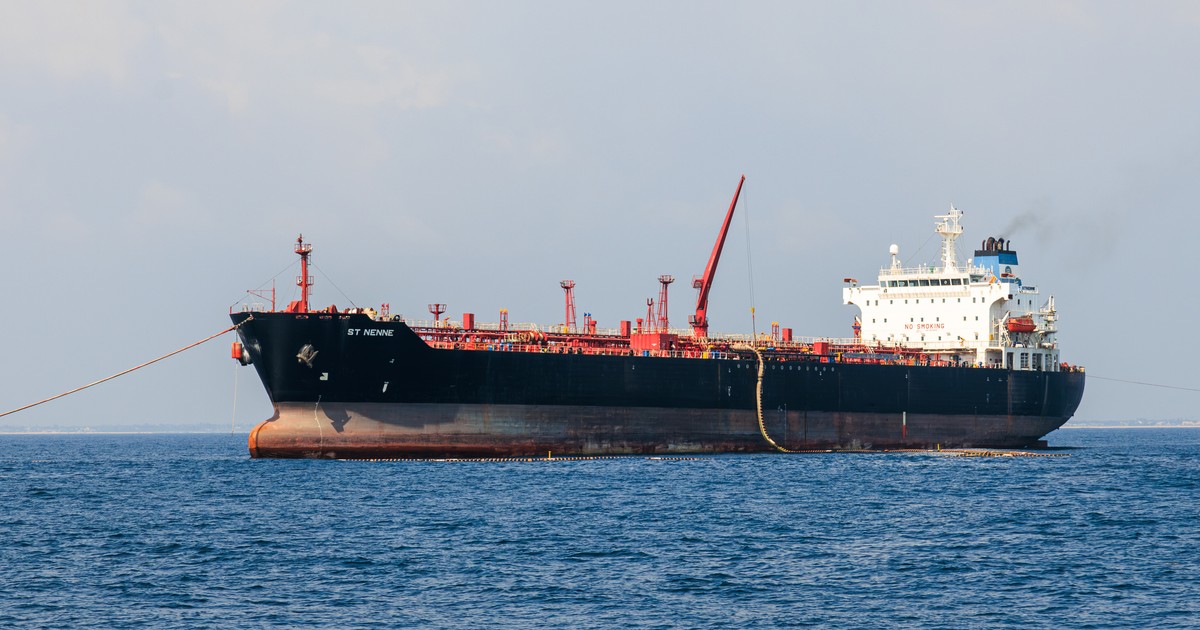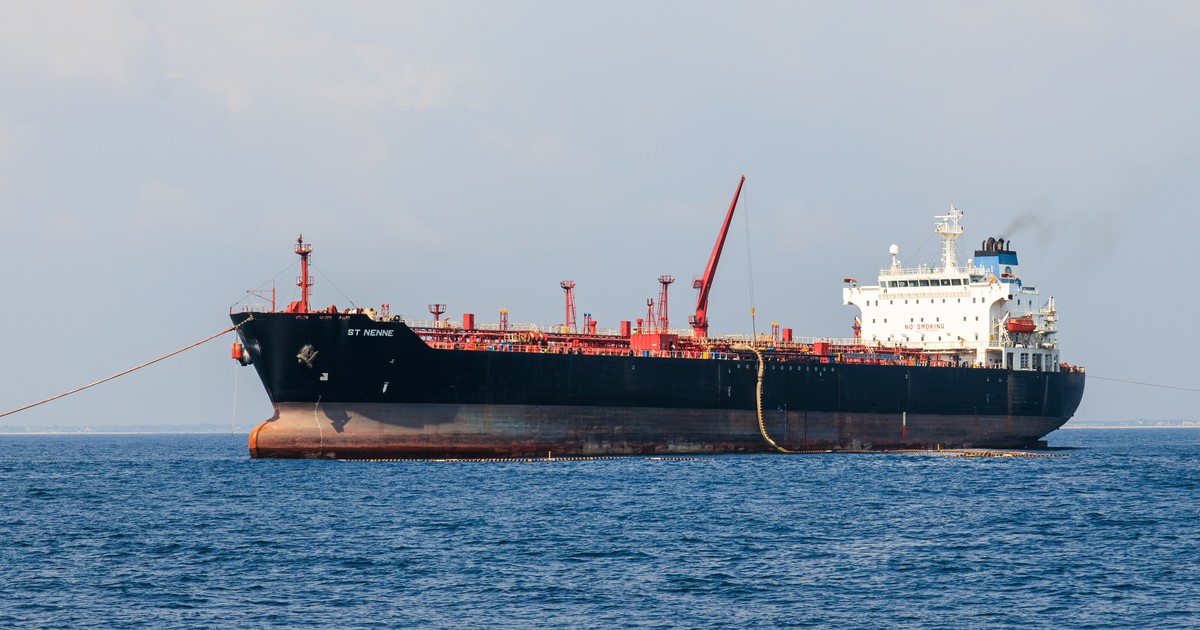
India, the world’s third-largest crude oil importer, is scrambling to replace lost Middle Eastern barrels with Nigeria and other alternative suppliers, answering the call as the closure of the Strait of Hormuz continues to choke off roughly half of its traditional oil supply, forcing a realignment of one of the world’s most consequential crude import relationships.
The shift, accelerating with each passing week that the Persian Gulf chokepoint remains effectively impassable, has elevated West African producers Nigeria and Angola, alongside South American giants Brazil and Venezuela, into positions of strategic importance for Indian refiners who, until recently, relied on Iraq, Kuwait, Qatar and Bahrain for a substantial portion of their energy needs.
According to data from the global commodities-tracking firm Kpler, cited by Reuters, Indian refiners increased purchases from Nigeria, Angola, Brazil and Venezuela in April and May to offset supply disruptions in the Middle East.
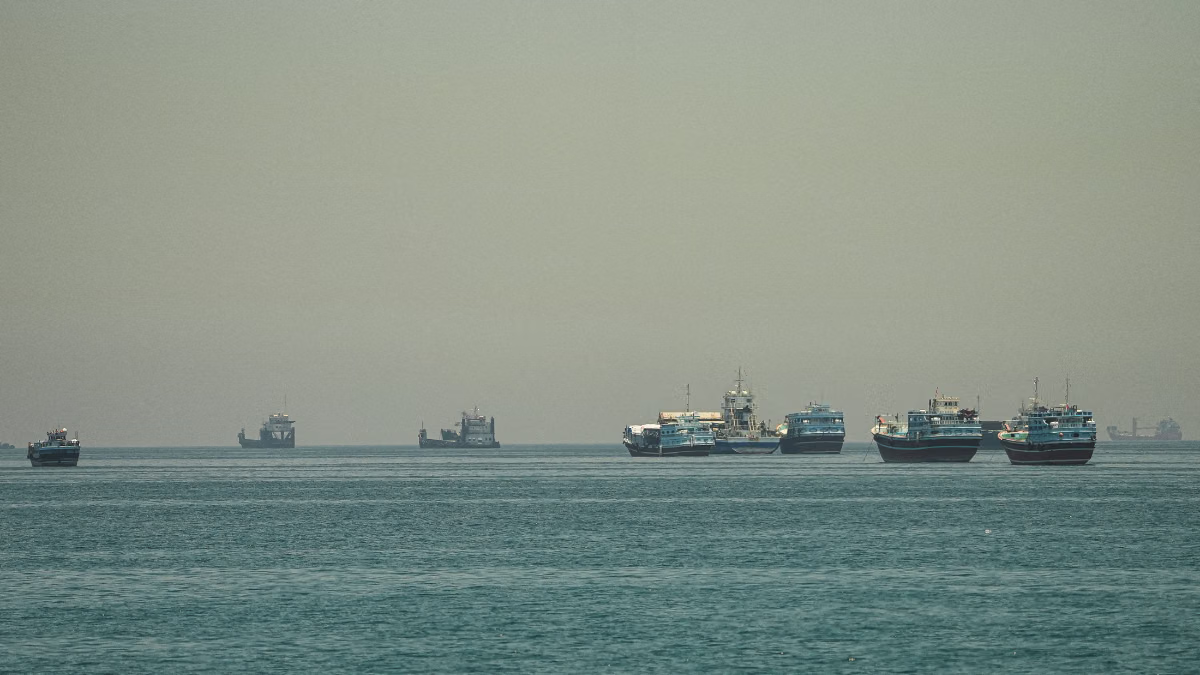
India typically sourced roughly half its crude from the Middle East. That arithmetic collapsed when the Strait of Hormuz, the narrow chokepoint through which nearly a fifth of the world’s oil passes daily, became effectively impassable for most commercial tankers.