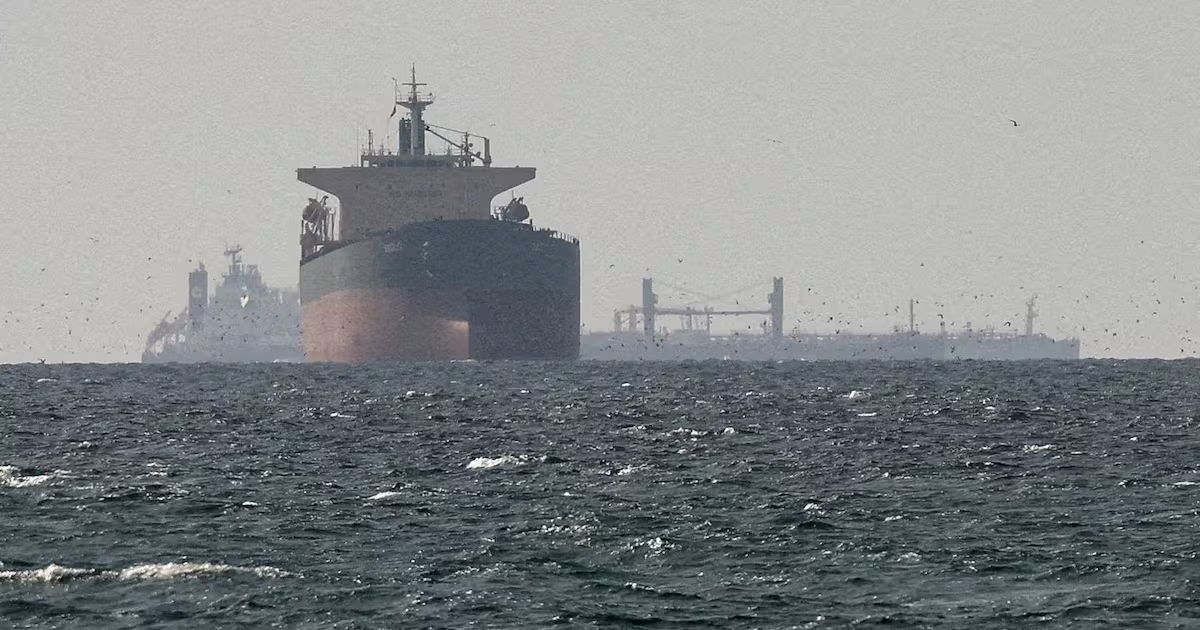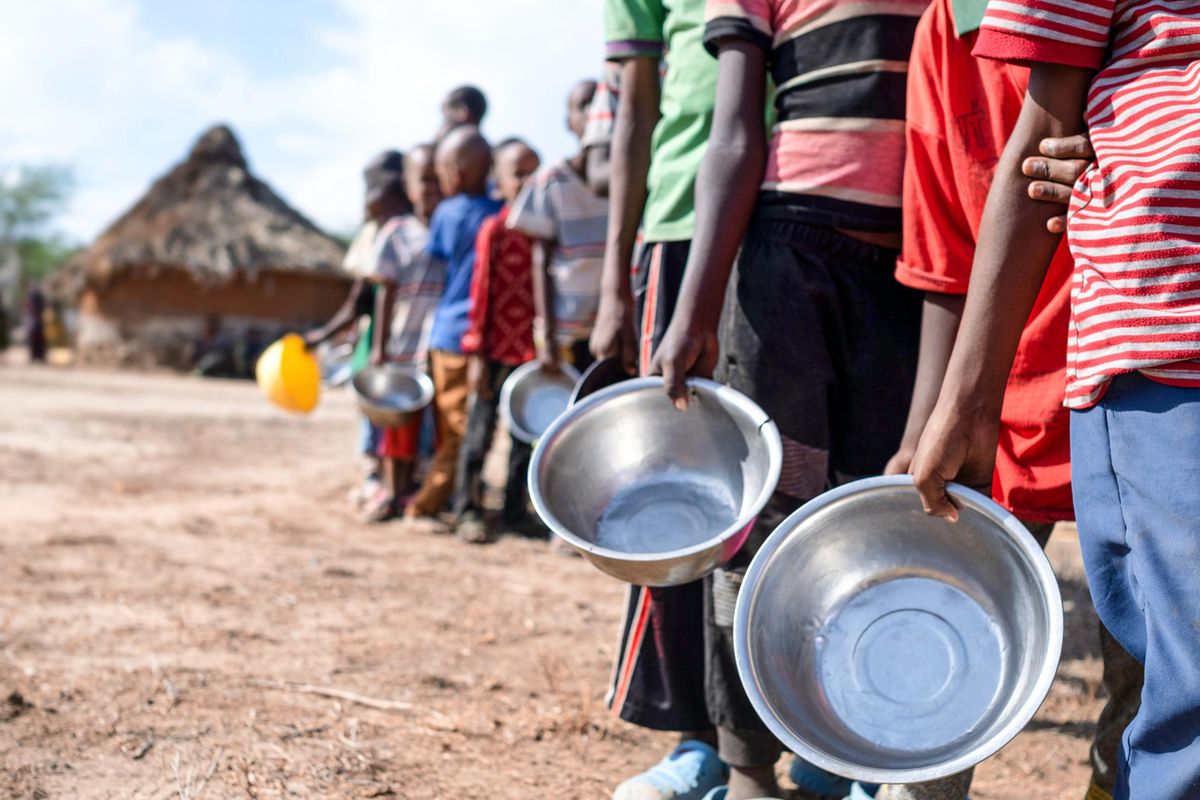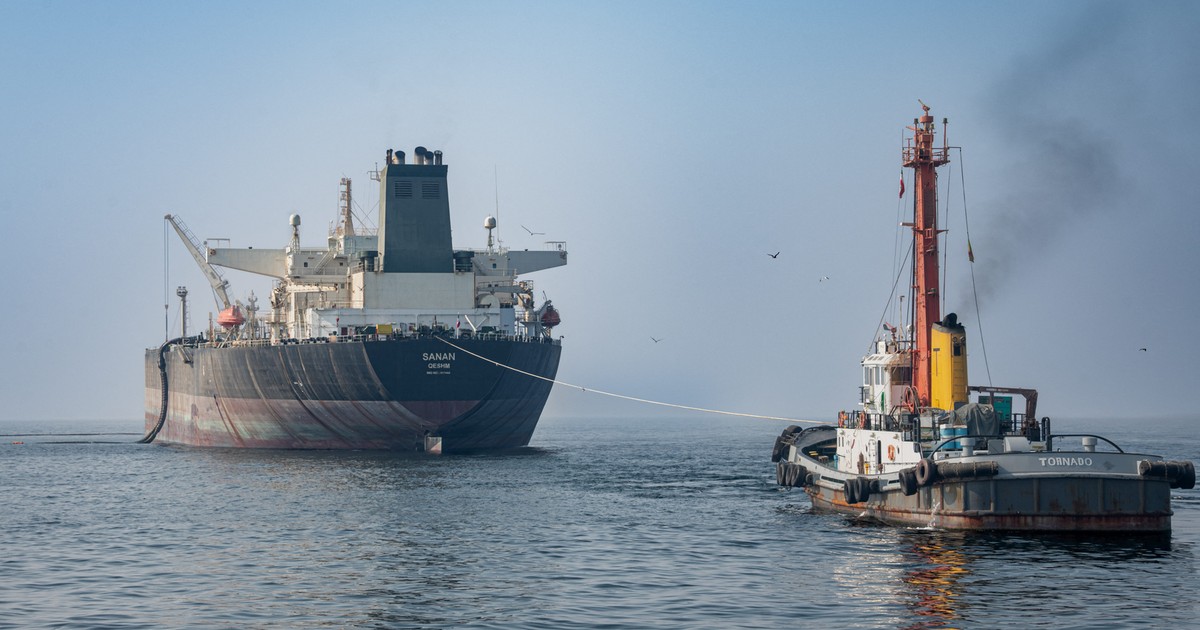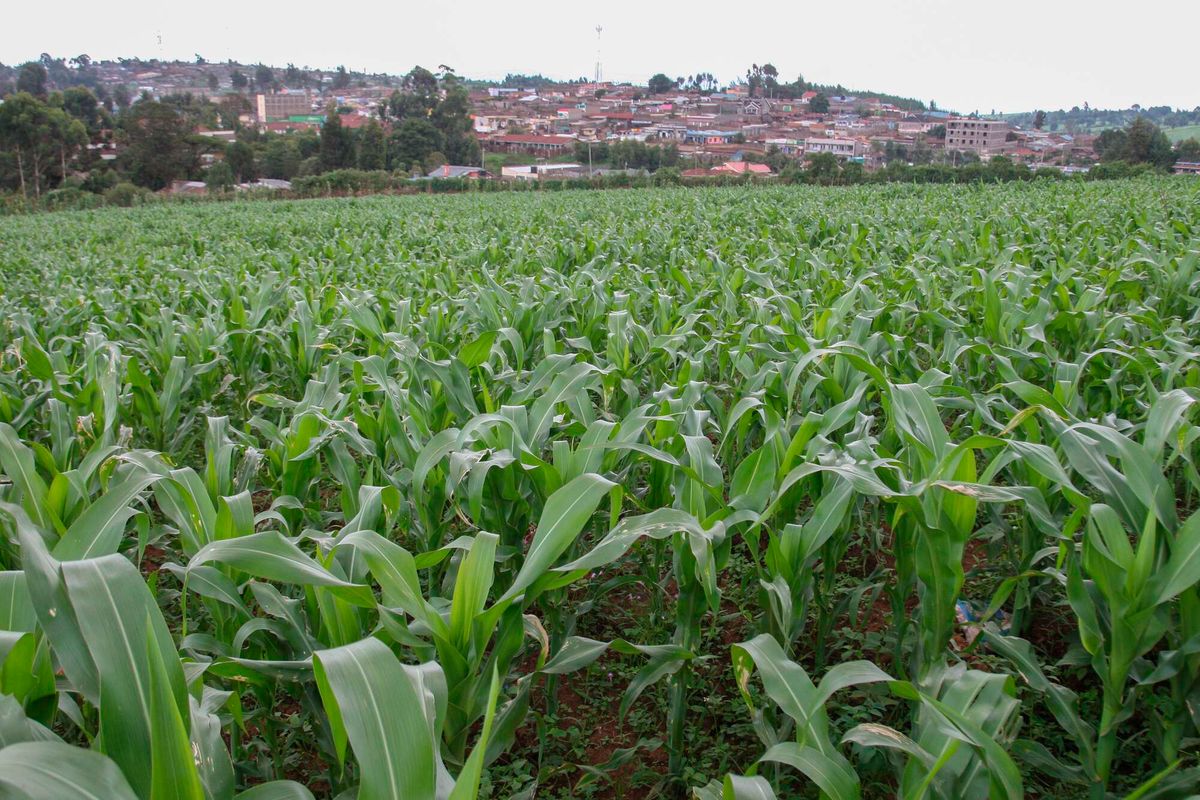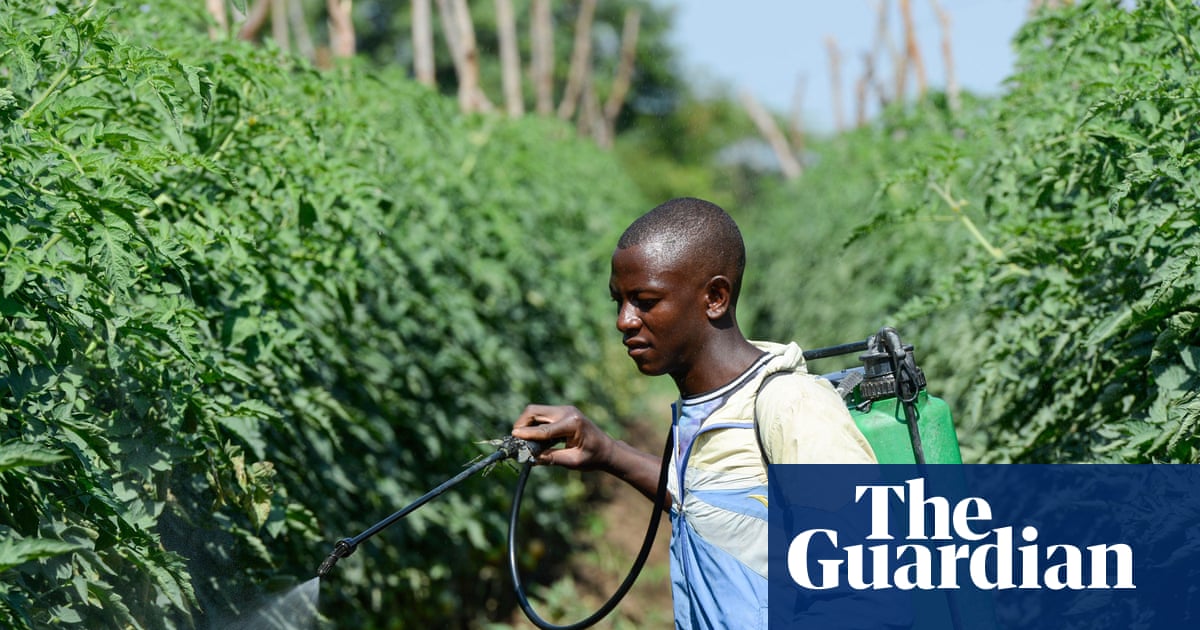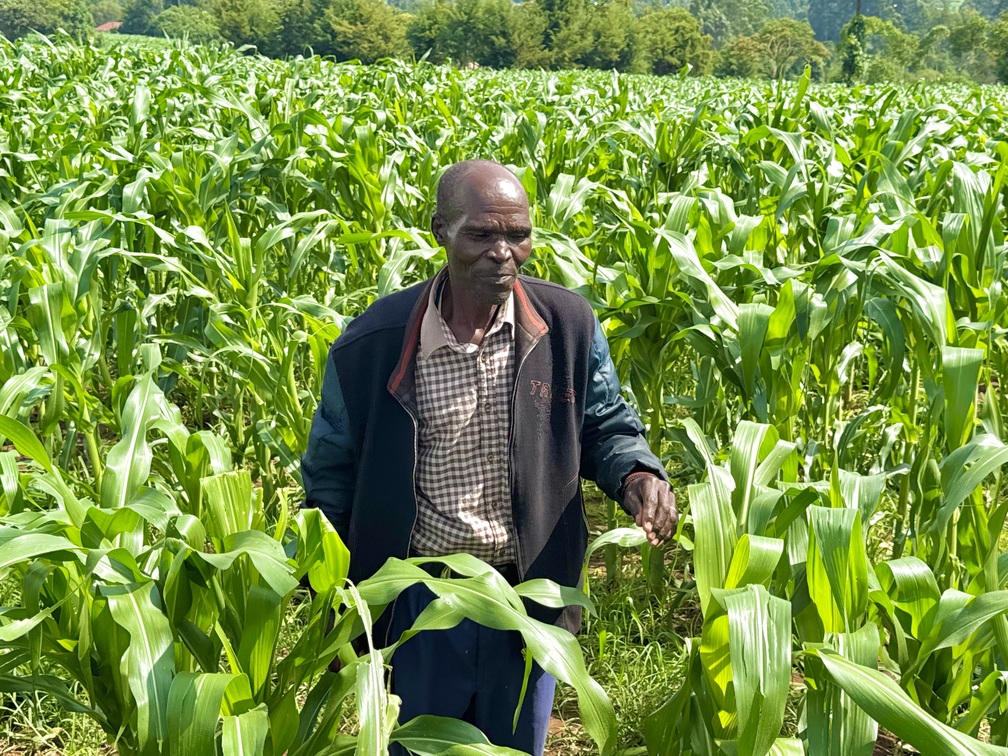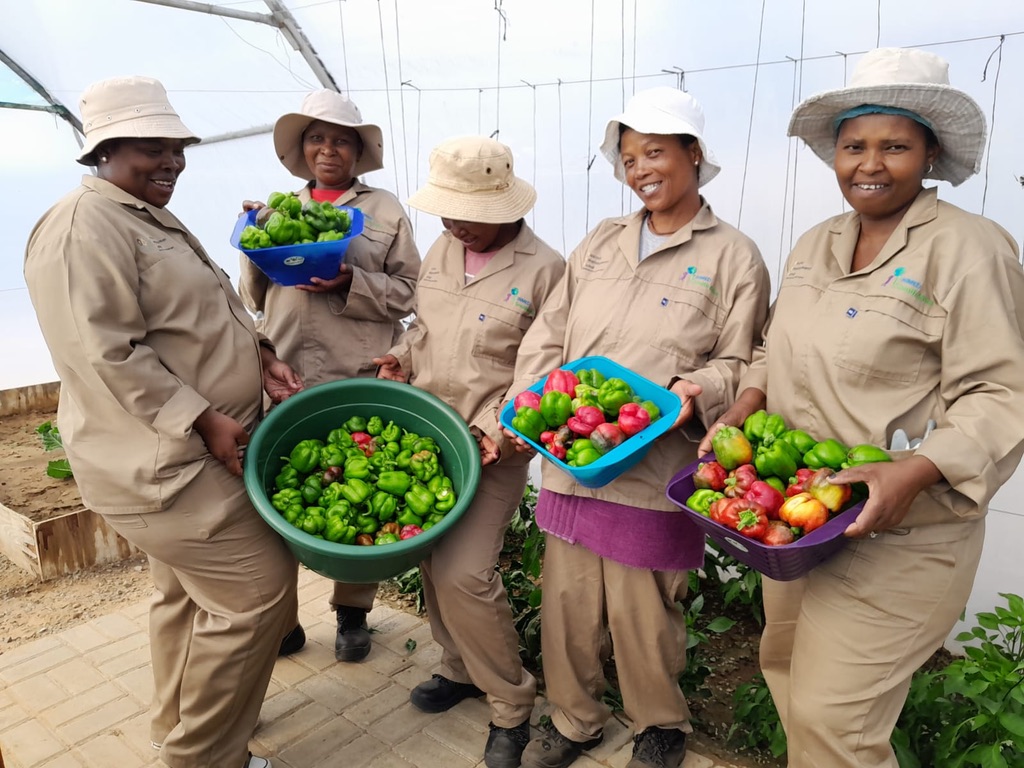
The consequences of disruptions in the Strait of Hormuz in small markets in northern Rwanda, southern Niger, or in the highlands of Central Kenya and beyond, mean less food production, less food at the table, and less income for small-scale food producers. This is what a distant conflict looks like at the “first mile” of food systems, where small-scale food producers meet markets, finance and inputs. The projected effects of this crisis will hit hardest in the second half of 2026 as farmers decide how much to plant. This is not an isolated event. These effects are the latest in a chain of economic, climate and geopolitical shocks bearing down on Africa’s rural economies. El Niño conditions expected to emerge in the second half of 2026 add new uncertainty to areas already grappling with climate volatility on top of this latest crisis.
The result of these compounding shocks is familiar: higher production costs, rising food prices, deeper hunger and greater macroeconomic strain. The IMF has warned of weaker growth and higher inflation in Africa, with median inflation in sub-Saharan Africa projected to reach five per cent by the end of 2026.
On the heels of last week’s African Development Bank Annual Meetings in Brazzaville, the stakes could not be clearer: Africa’s rural economies cannot absorb this level of pressure alone. This moment demands African leadership, partnership, and ambitious investment to not only protect the next harvest, but to build stronger and more sustainable rural economies that are resilient to inevitable future shocks.