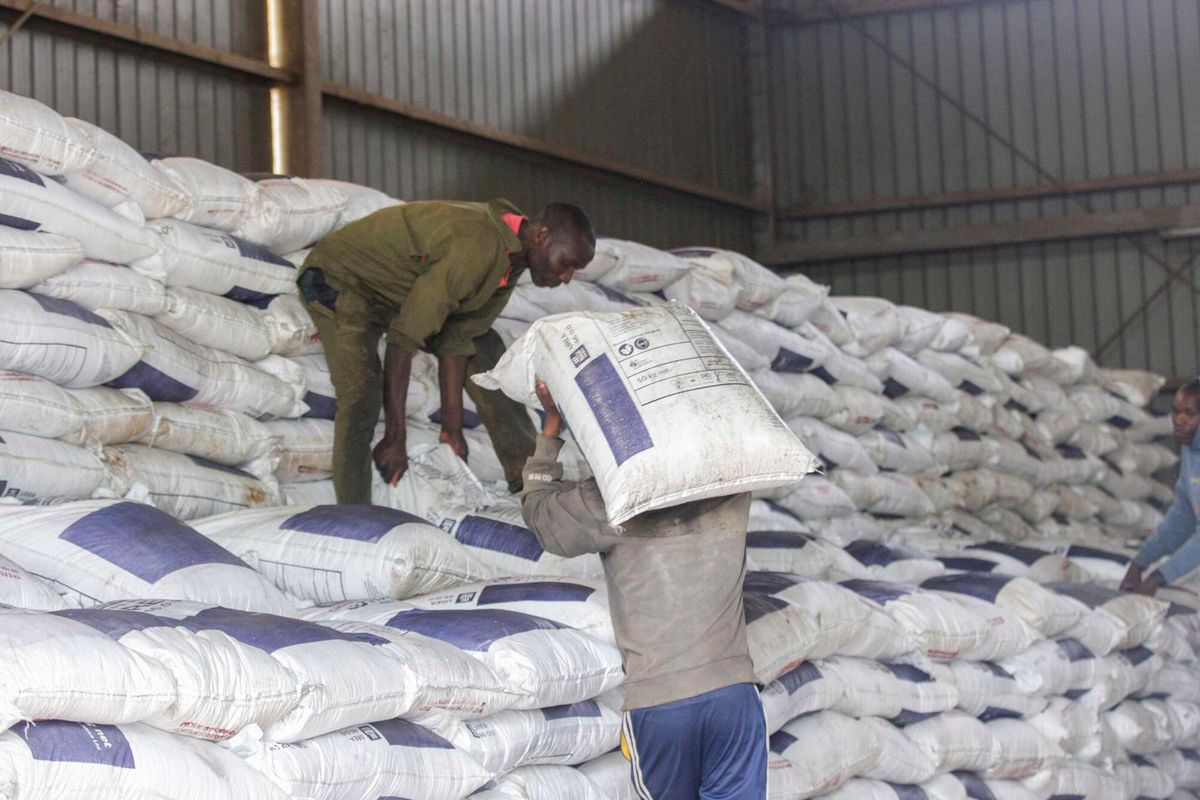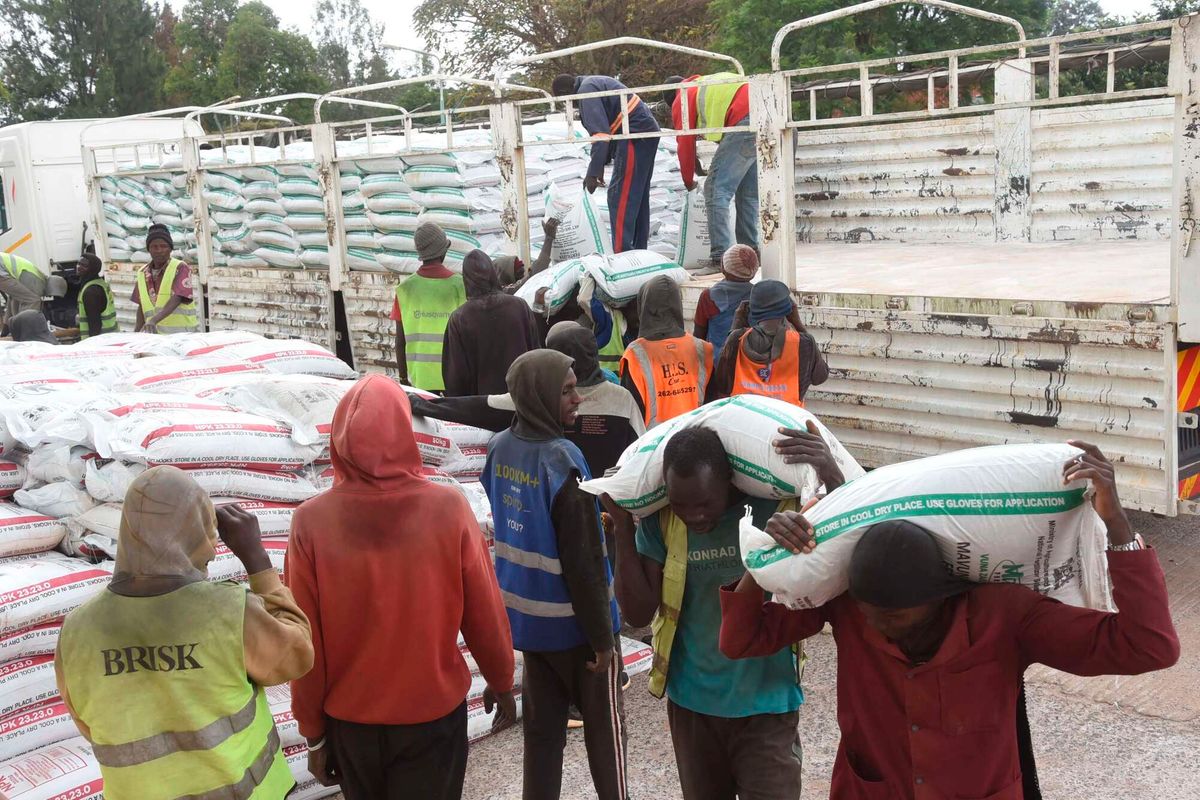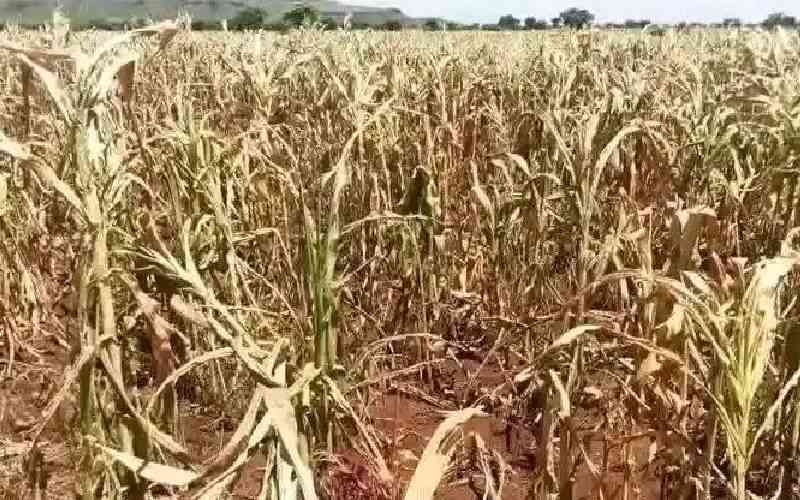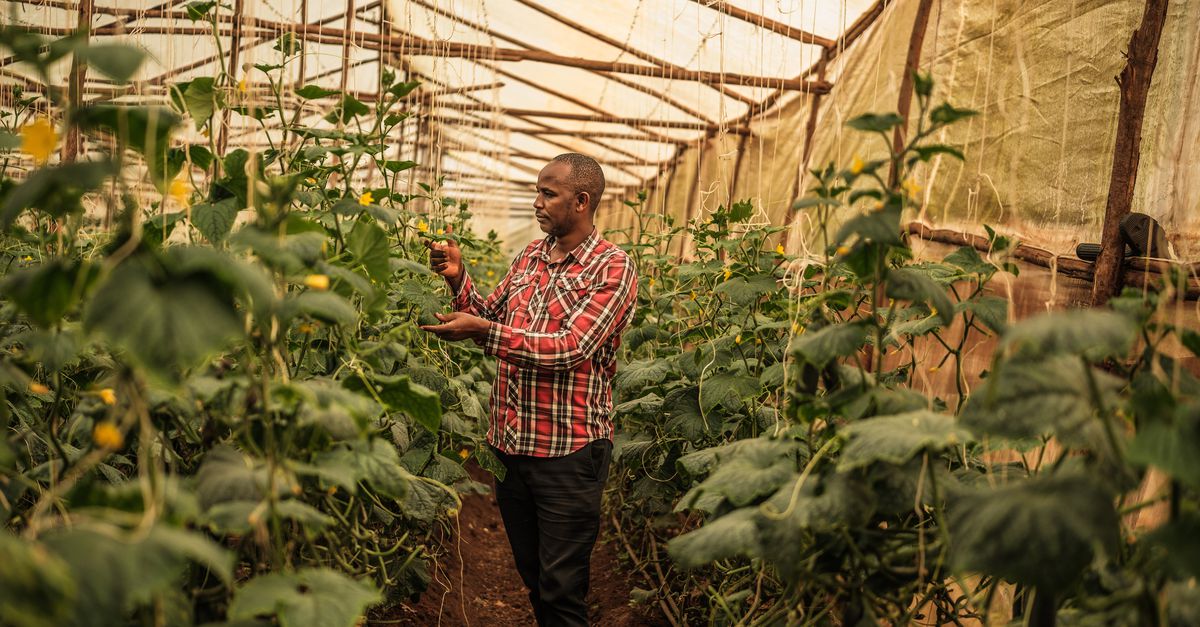
Tensions in the Gulf that have disrupted shipping through the Strait of Hormuz, causing fertilizer prices to rise. Despite the Kenyan government’s subsidy program, farmers have to deal with high fuel and other input costs.At least 26% of Kenya’s fertilizer supply passes through the Strait of Hormuz. The government has, however, assured its citizens of adequate stocks of fertilizer, with plans to diversify imports.Meanwhile, farmers foresee reduced yields, despite government subsidy program, while commercial fertilizer prices continue to soar amid rising fuel costs.Kenya has to also deal with land degradation attributed to soil erosion, poor farming practices, overuse of synthetic fertilizers and climate change impacts such as floods.
Philip Kitur walks through a neat row of maize stalks, with budding leaves painting a picture of a bountiful harvest. The 71-year-old has a 41-acre parcel at Kipkeikei village in Trans-Nzoia County.
However, hidden behind Kitur’s smile is the fear of losing a significant yield if he does not access fertilizer. “The crop is due for top dressing, but I have not accessed urea, without which I may lose up to 30% of my harvest,” he told Mongabay.
Mutahi Kagwe, Kenya’s Cabinet Secretary for Agriculture, says the country has adequate stocks of fertilizer, including 2 million bags for top-dressing. He says Kenya is working around finding alternative sources for the fertilizer to ensure food security in spite of global shocks triggered by the tension between Iran and USA.