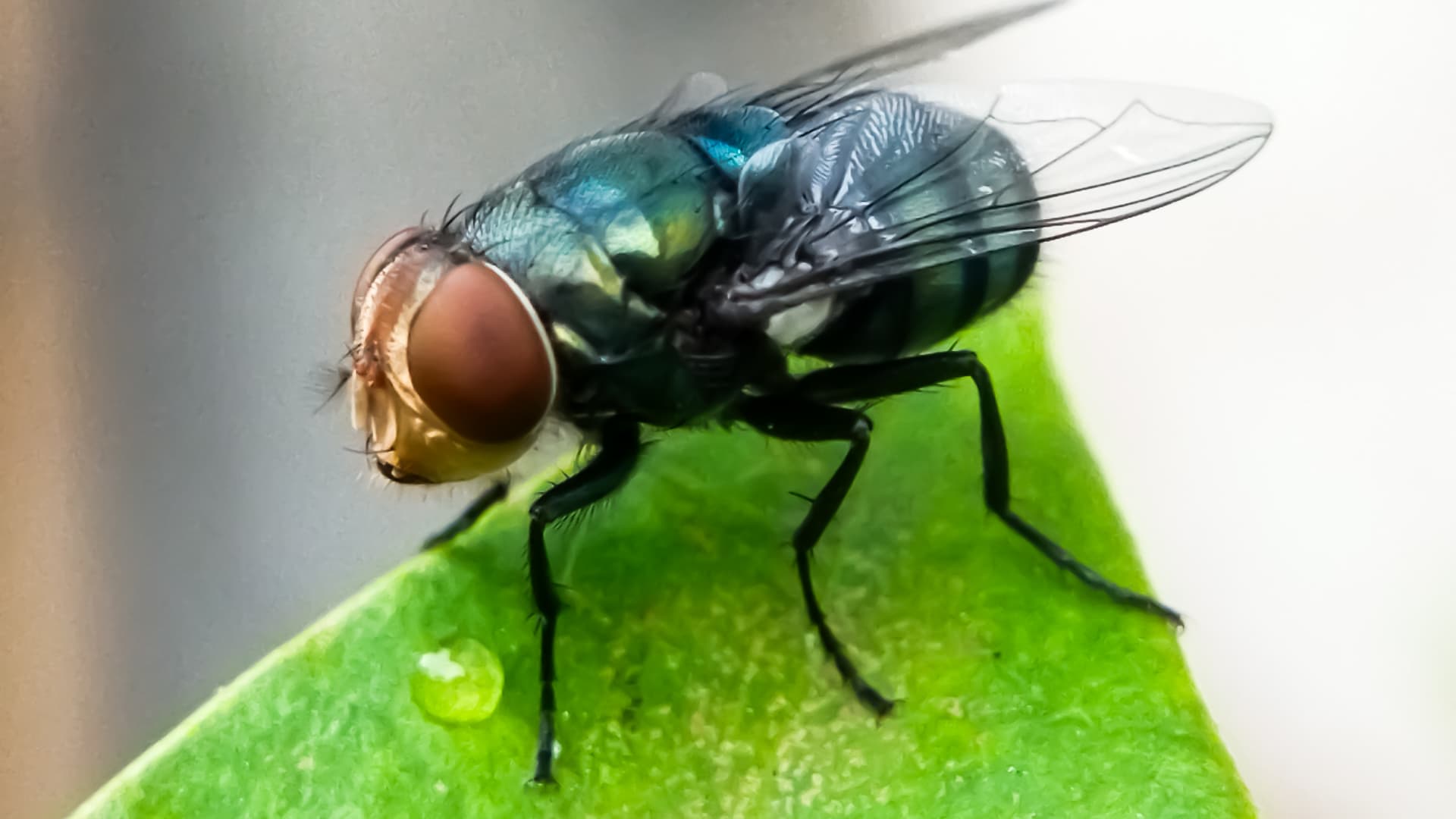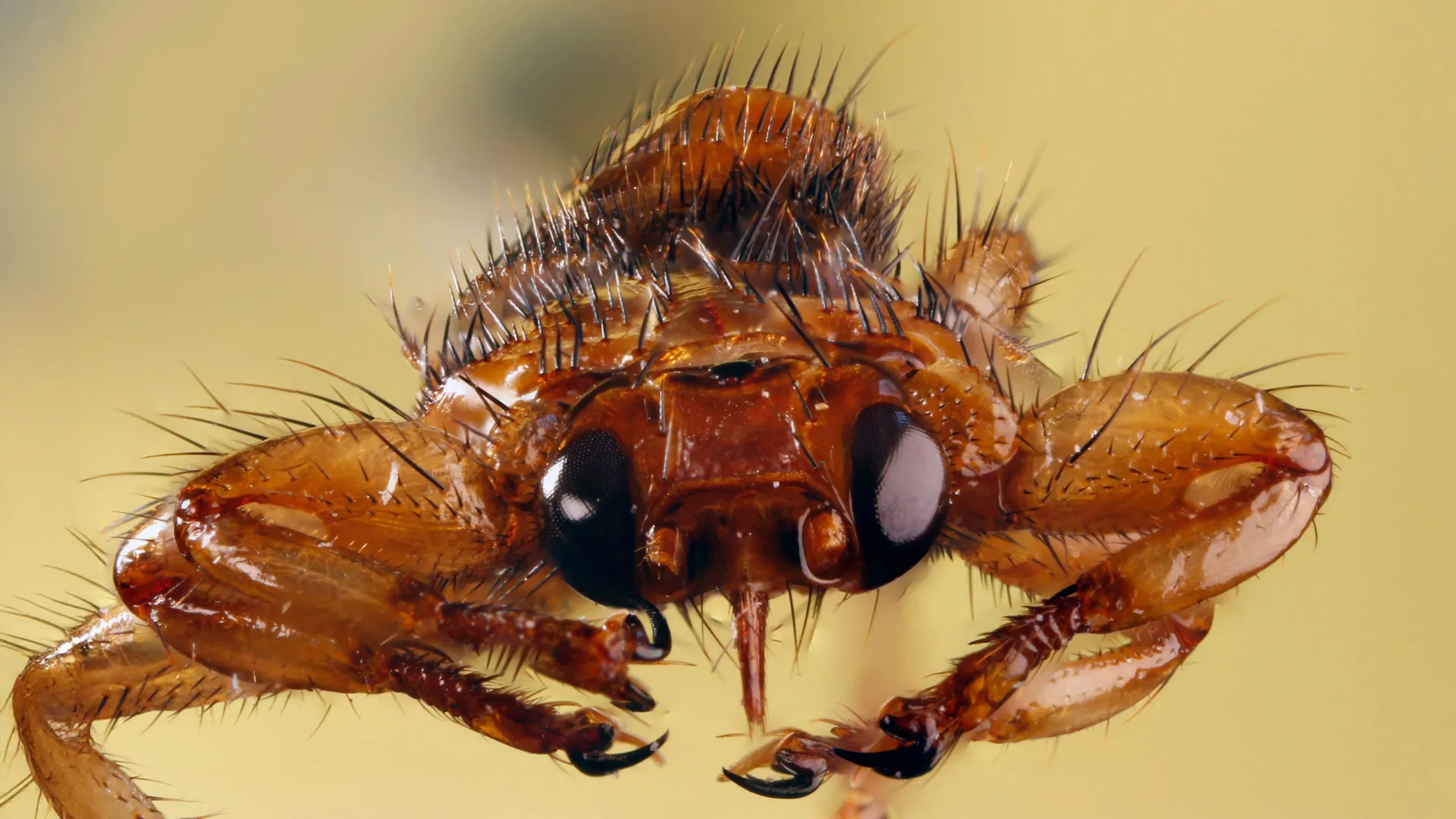
A strange blood-feeding fly appears to reduce its visual sensitivity after locating a host and giving up flight for good, according to new research.
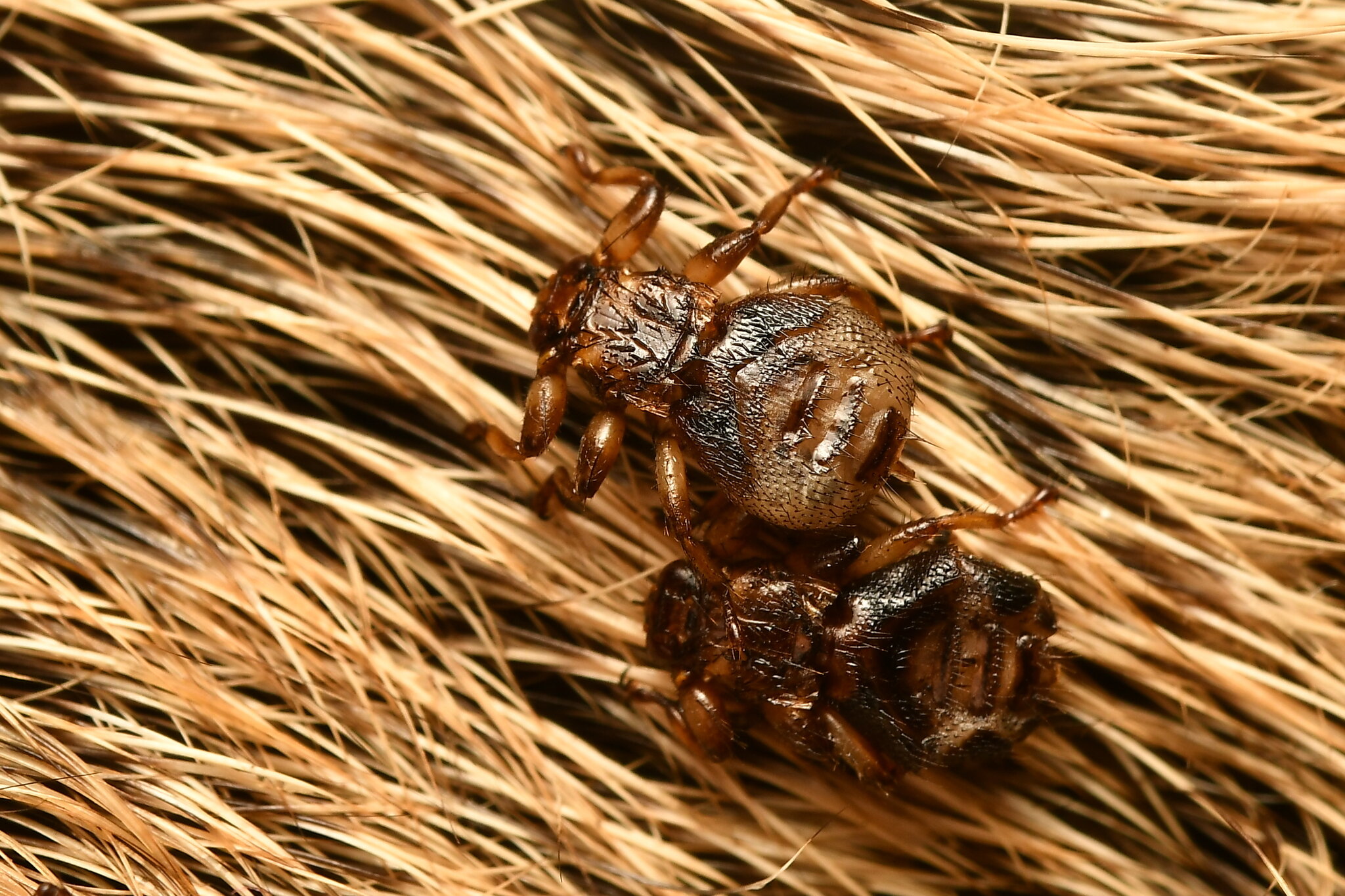
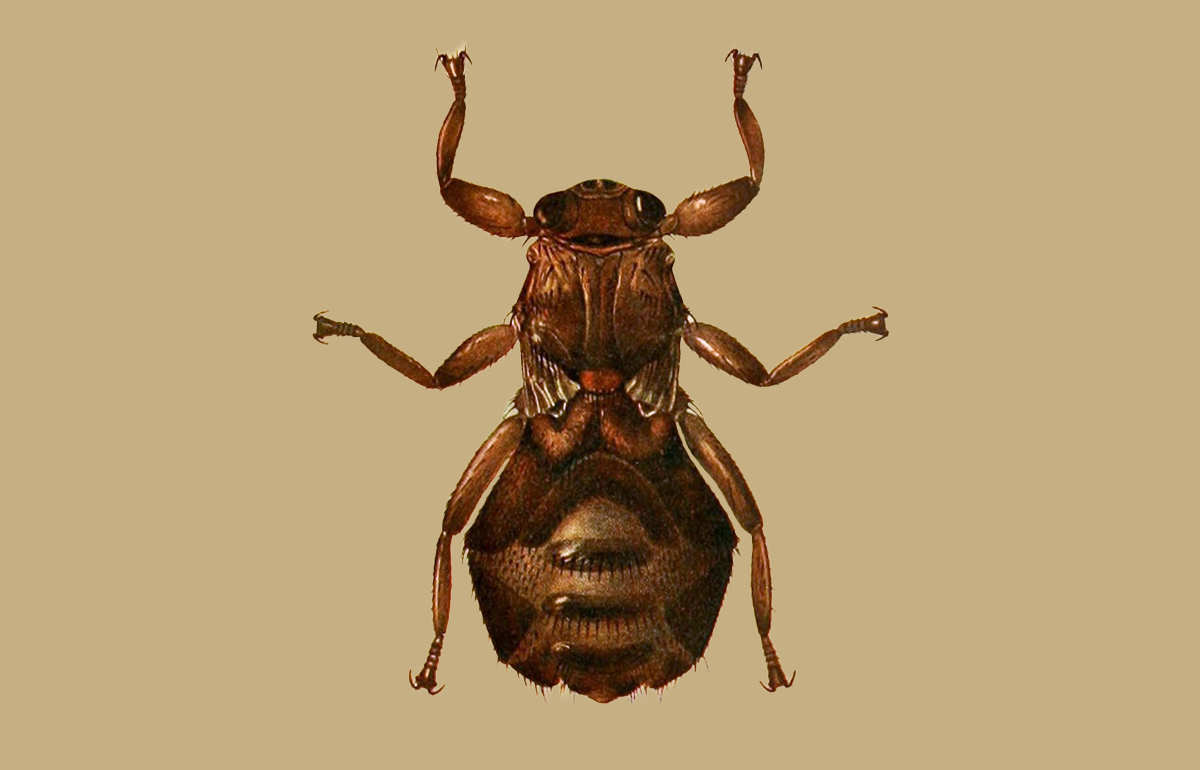
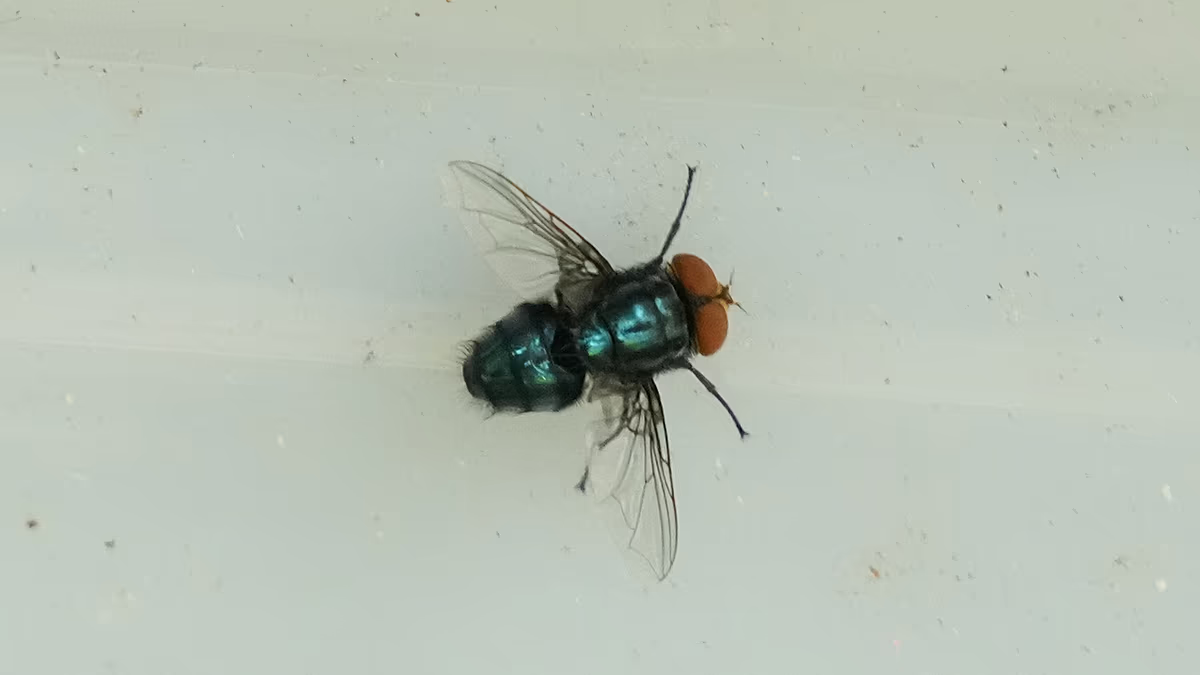
Known as deer keds, these biting flies are found throughout Europe, Asia, Africa, and the Americas. As adults, they use both flight and vision to search for a suitable host, most often deer, though they sometimes target humans and other mammals.
Once a deer ked lands on a host, its lifestyle changes dramatically. The insect permanently sheds its wings and spends the remainder of its life moving through fur and feeding on blood.
Scientists from Aberystwyth University and the University of Florence have discovered that this major behavioral shift is accompanied by changes in the fly's sensory system.
Their findings suggest that after settling on a host, deer keds reduce investment in vision and redirect energy toward functions that are more important for life as a permanent parasite.