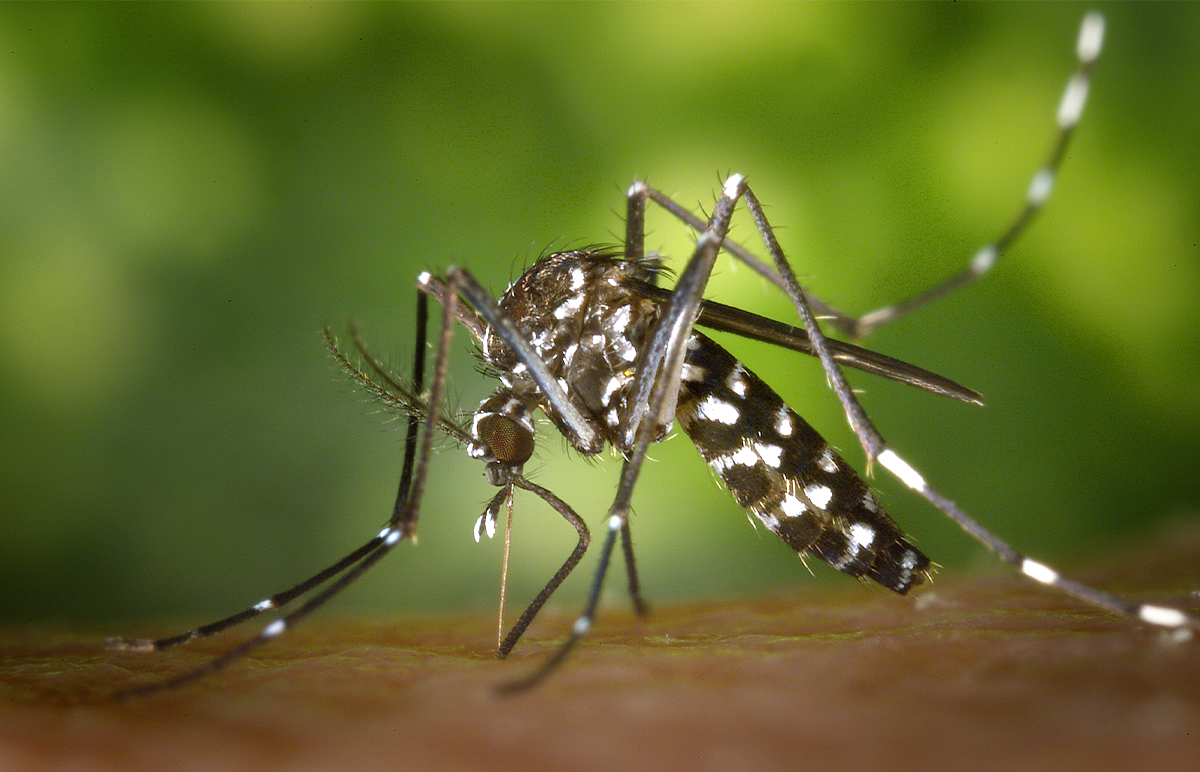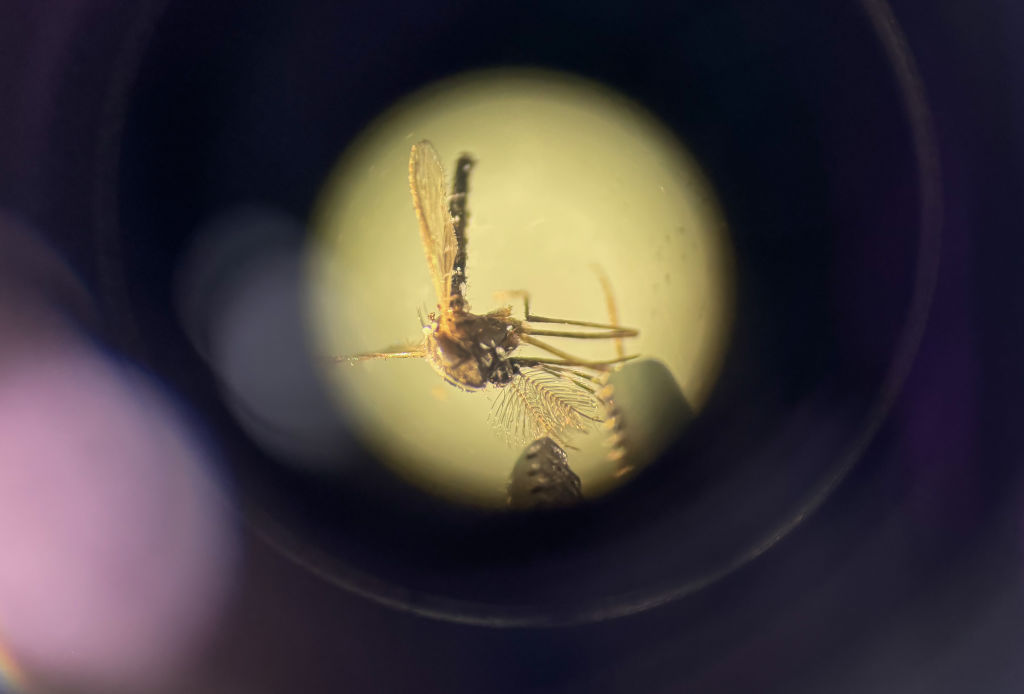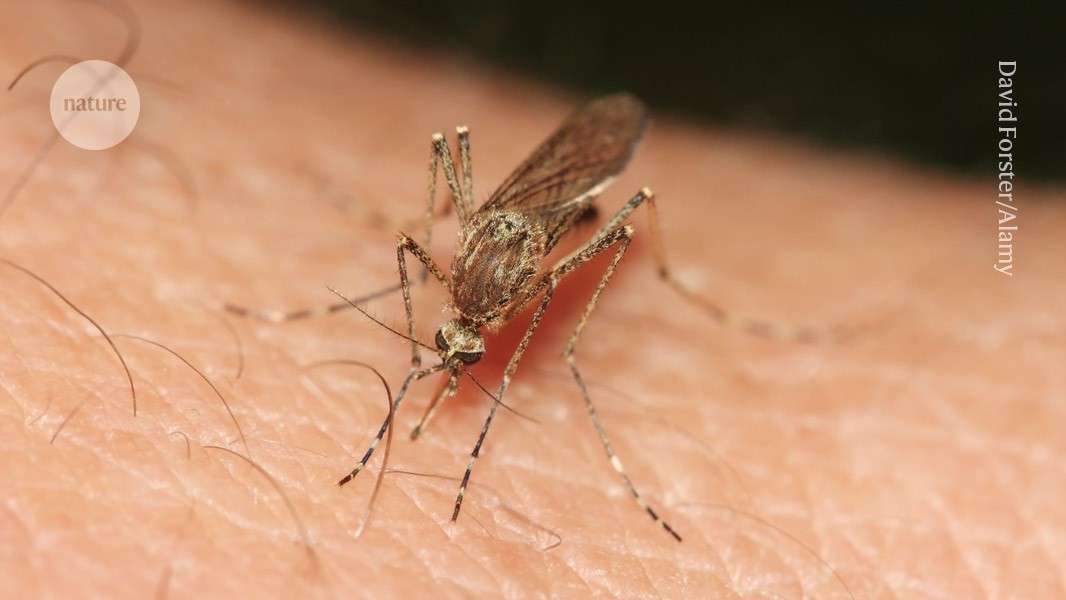
About 8 months ago, a bug enthusiast on the outskirts of Reykjavik, Iceland wandered into his yard at dusk to survey his latest wine roping haul -- a hobby in which fabric soaked in sweet wine is used to lure insects. Suddenly, the evening took an unexpected turn. As Björn Hjaltason later noted on a Facebook chat, "I caught sight of a strange fly...I immediately suspected what was going on." He snapped a few photos and sent them to an entomologist, who confirmed his hunch.
Until recently, Iceland was one of the last areas in the world without mosquitoes. Hjaltason had just caught the country's first wild mosquito.
Humanity's Deadliest Predator
As two physicians in emergency medicine and infectious diseases, we viewed this development with curiosity but not surprise. As long as there have been humans, there have been mosquitoes. And as long as there have been mosquitoes, there has been mosquito-borne illness. Mosquitoes have altered human genetics (think sickle cell disease), ended wars (the American Revolution) and inspired beverages (the gin and tonic). And they've killed more humans than any other species on earth: up to half of the 108 billion humans who ever lived died from mosquito-borne illness. Today, 1 million humans die annually from dengue, West Nile, Zika, chikungunya, yellow fever, and of course, malaria.