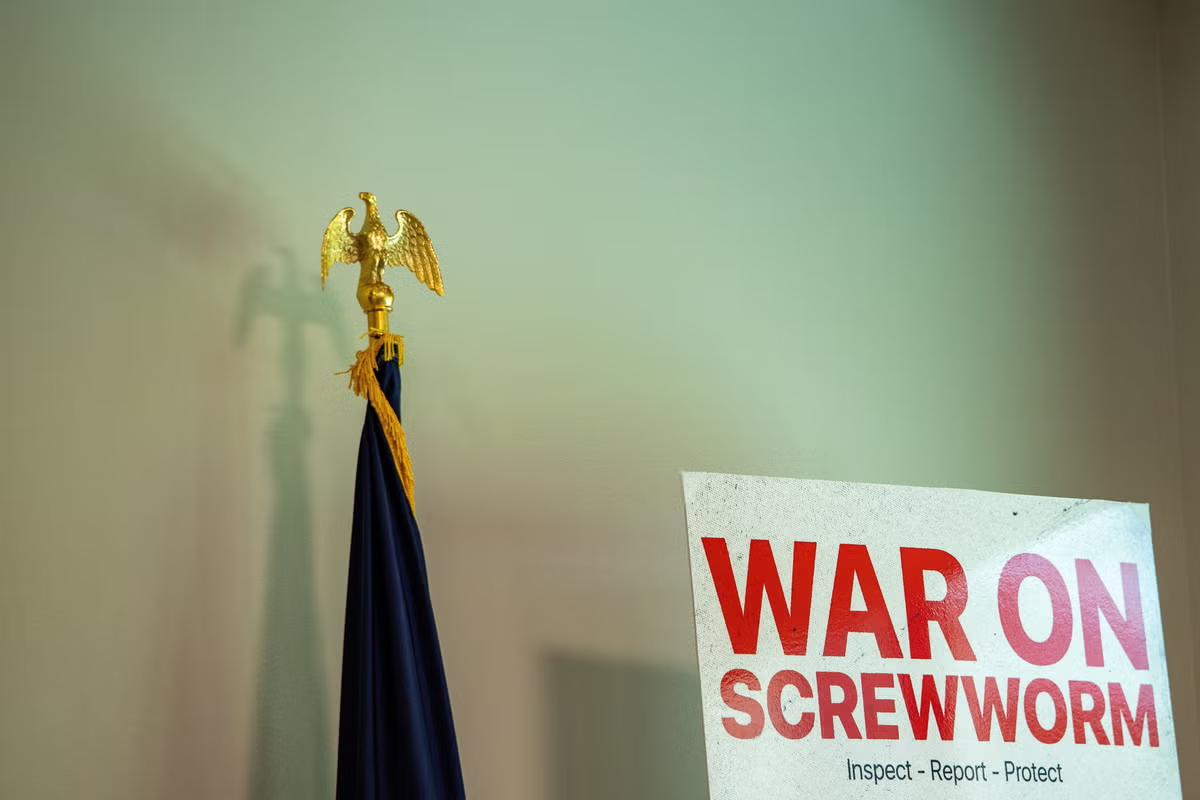
The return of the New World screwworm has triggered one of the most intensive animal-health responses seen in North America for decades.
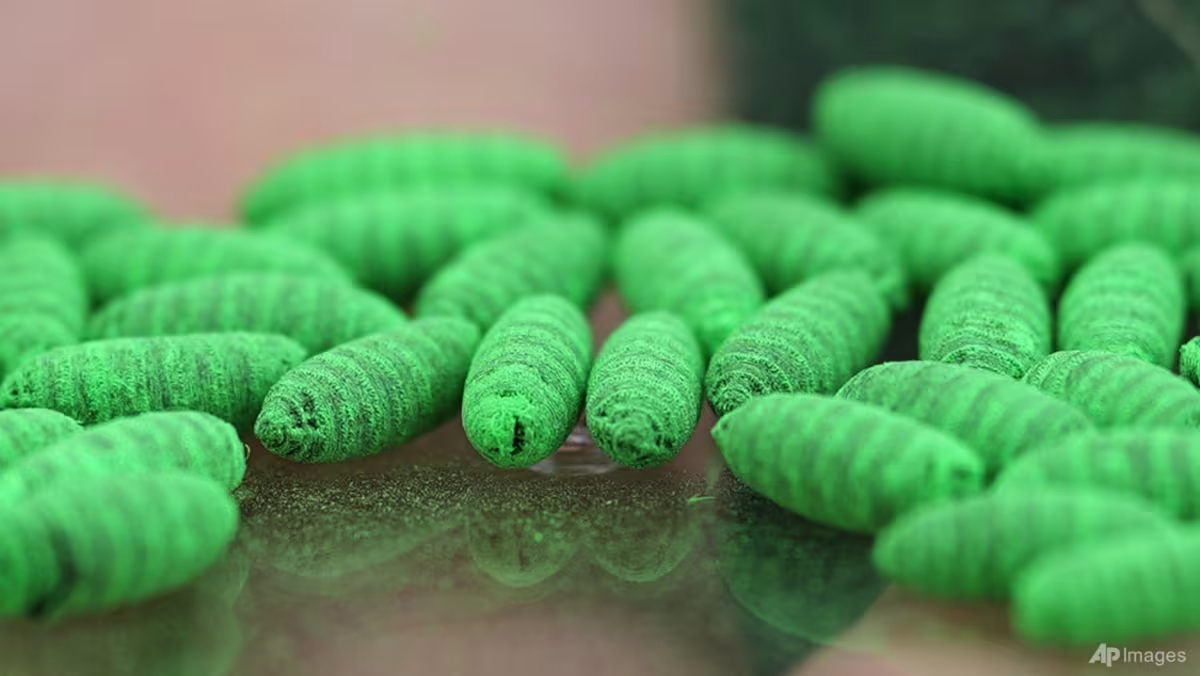
From AI-assisted surveillance systems and enhanced border monitoring to livestock movement permits and the mass release of sterile flies, authorities are deploying a sophisticated toolkit to prevent the flesh-eating parasite from establishing itself once again.
What began as a veterinary concern has evolved into a large-scale biosecurity operation involving federal agencies, ranchers, veterinarians, researchers and border officials.
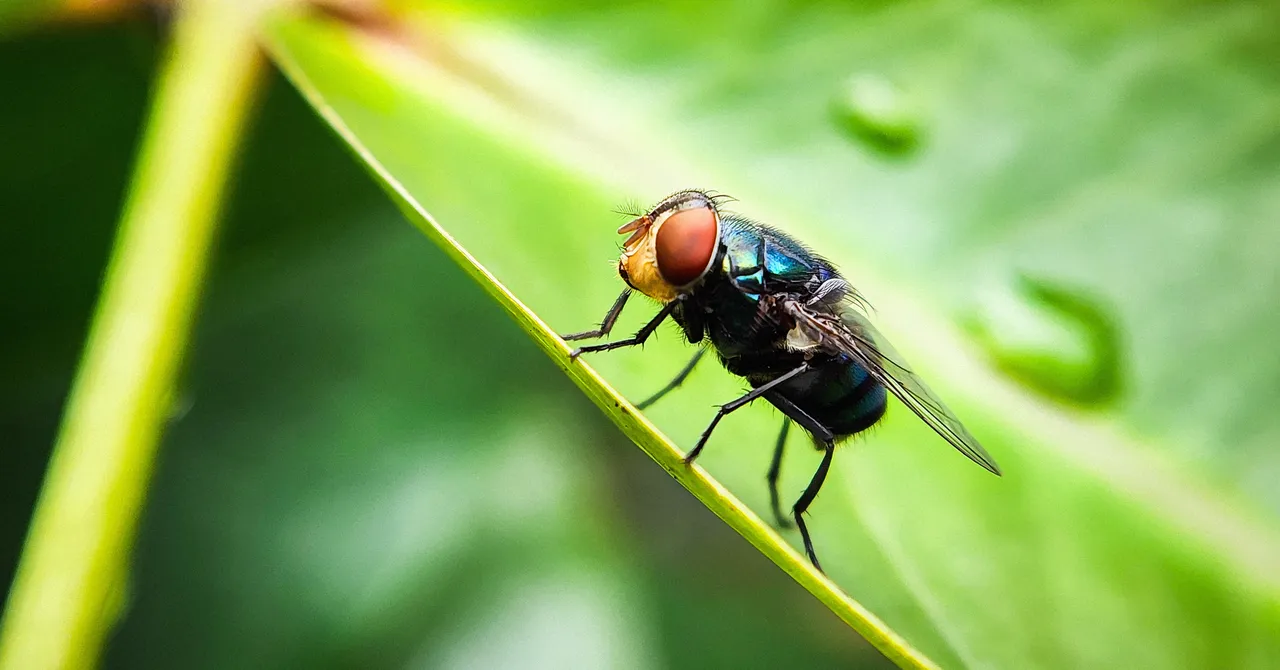
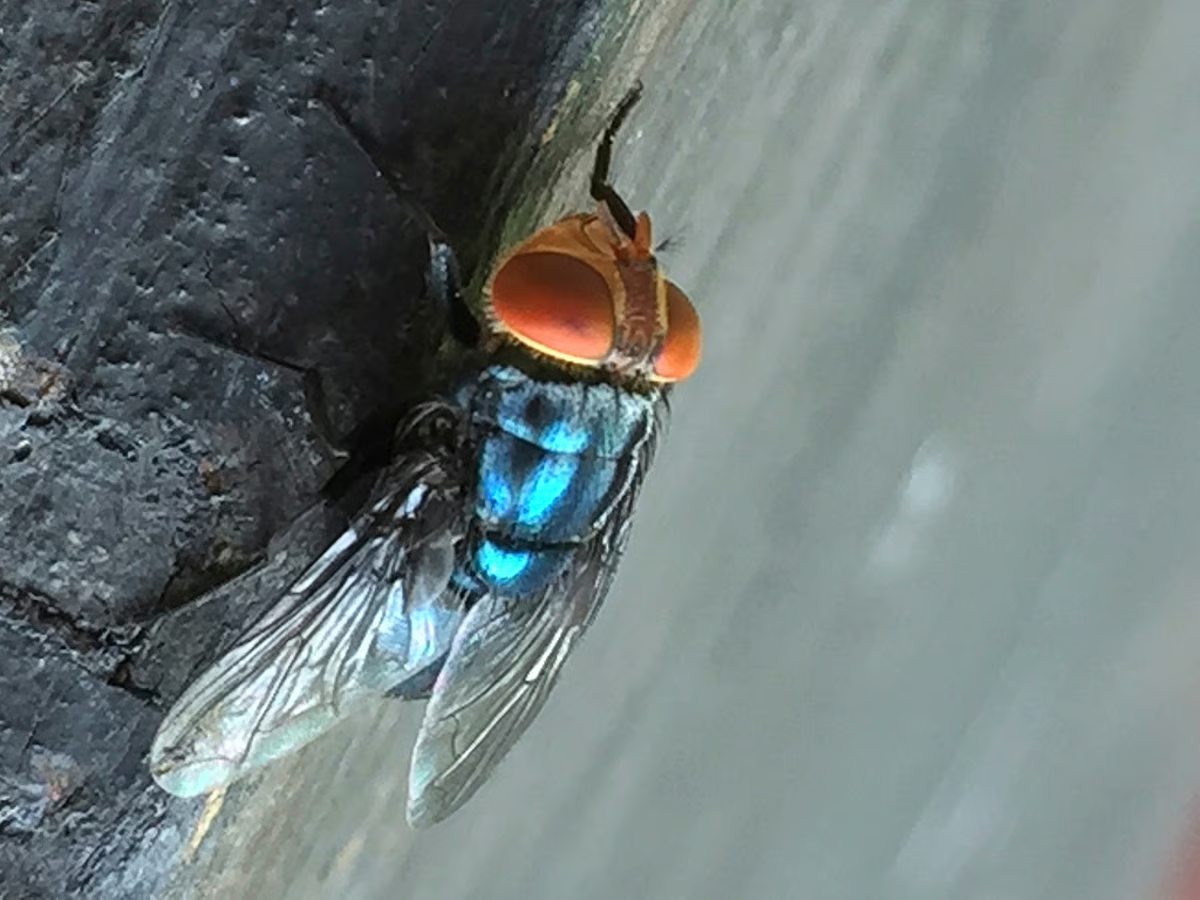
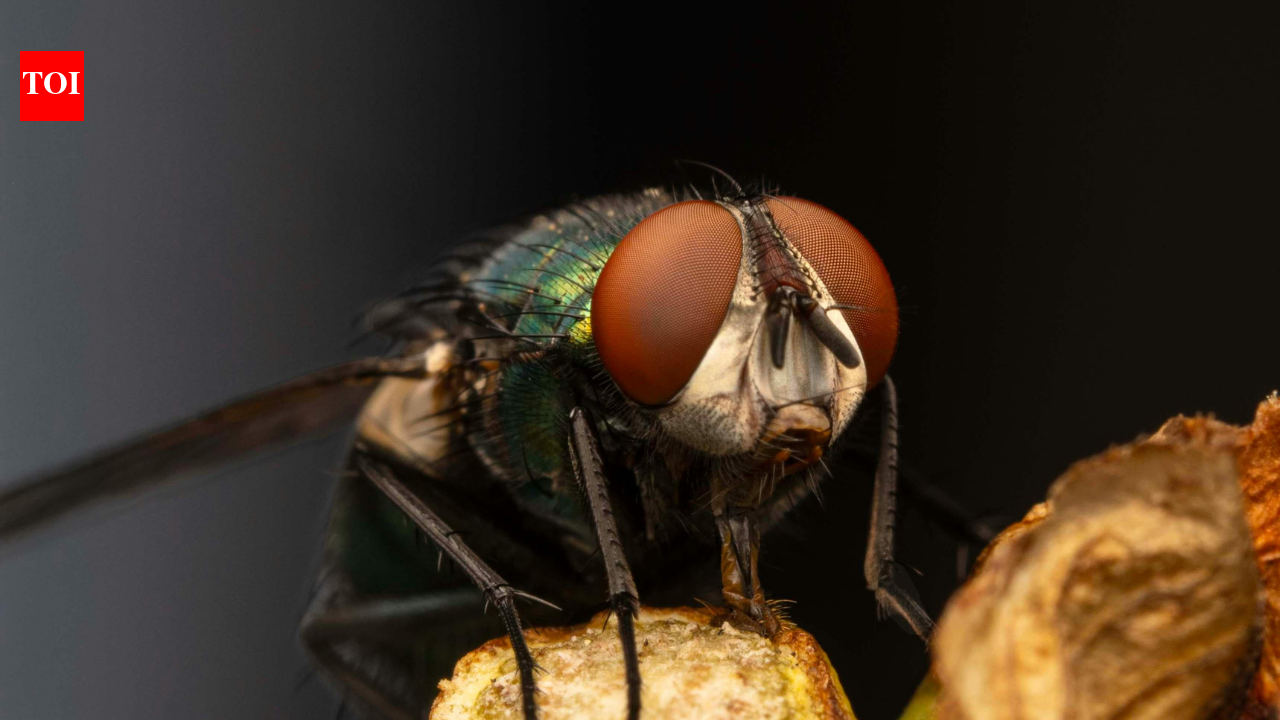
As confirmed detections increase and surveillance expands, the campaign against screwworm is becoming a real-world test of how modern technology, data-driven monitoring and biological control can work together to stop an invasive threat before it spreads across livestock populations and wildlife habitats.Why the New World screwworm outbreak has triggered an unprecedented biosecurity responseThe New World screwworm (Cochliomyia hominivorax) is not an ordinary agricultural pest.
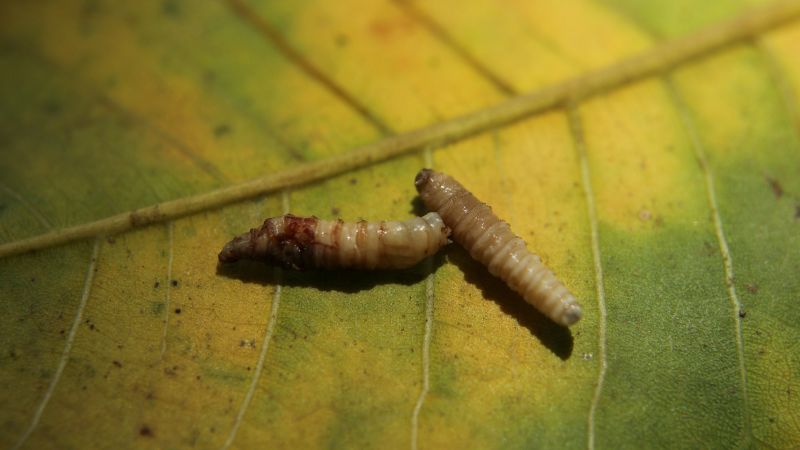
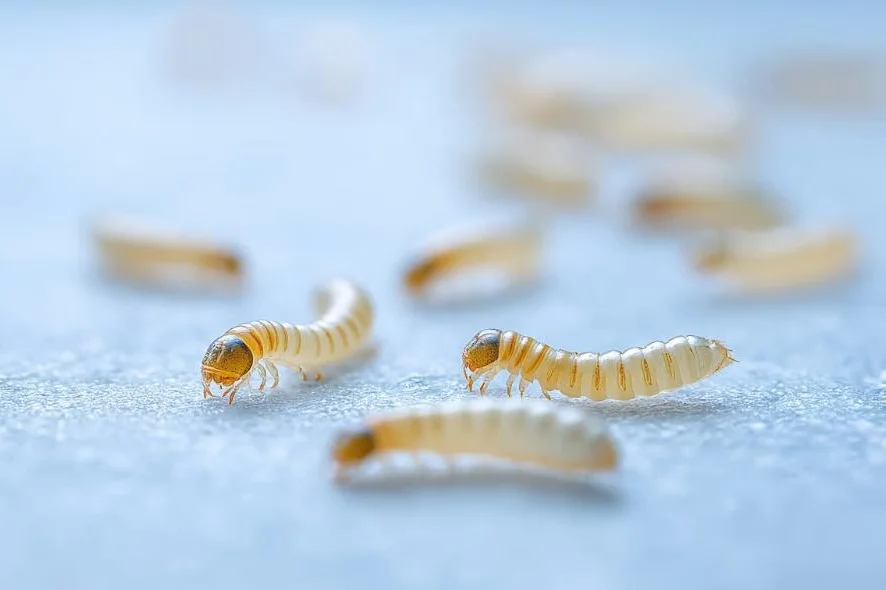
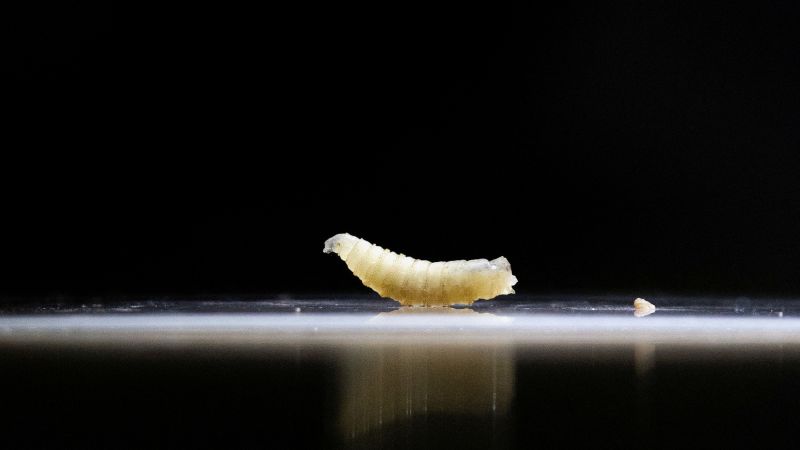
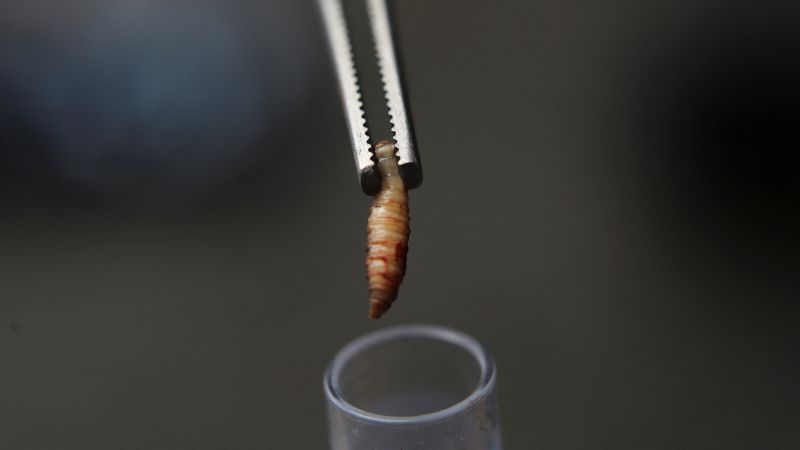
Unlike many fly species that feed on dead tissue, screwworm larvae consume living flesh, causing severe wounds that can become fatal if left untreated.