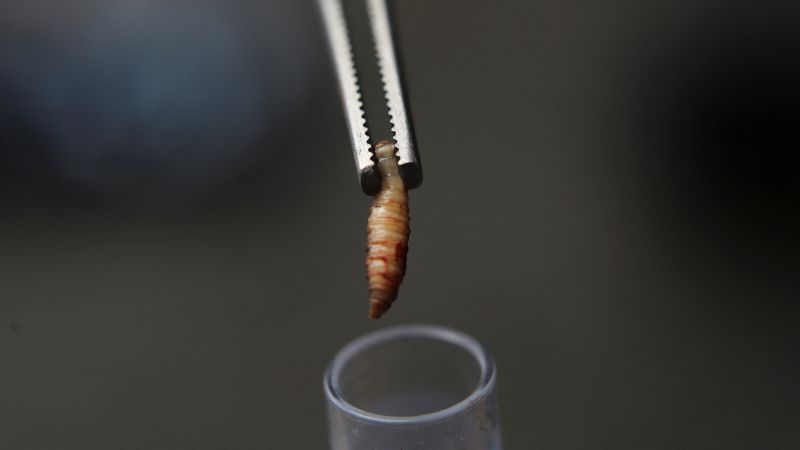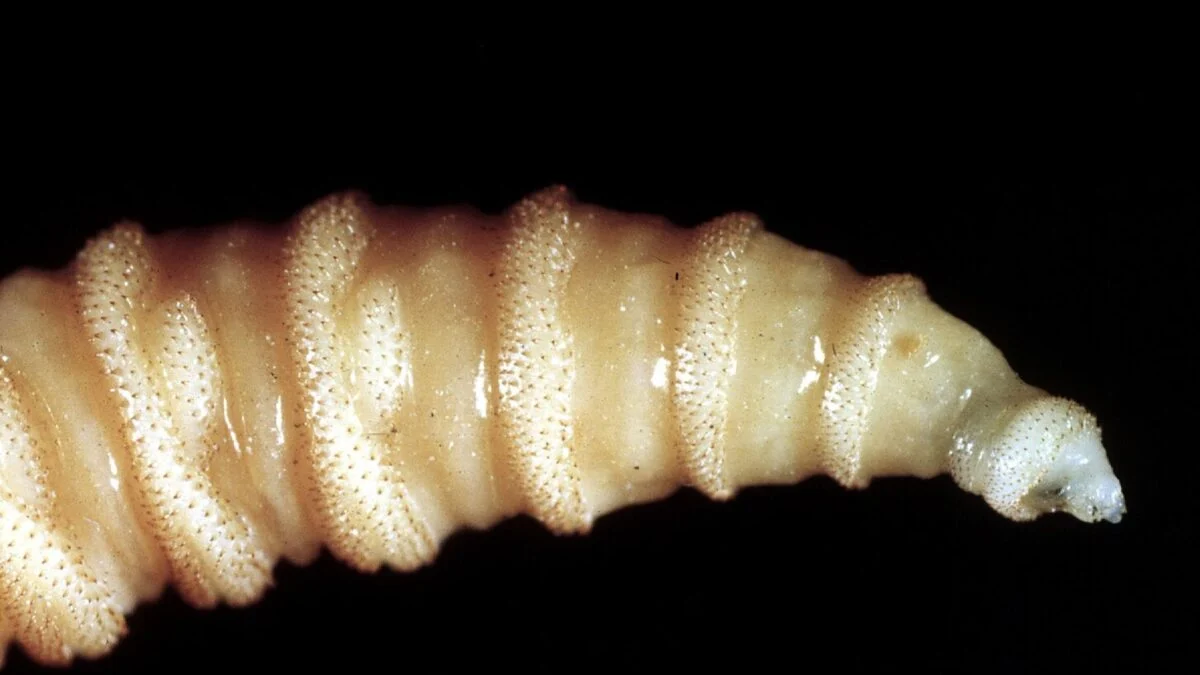
Stay up to date with notifications from The IndependentNotifications can be managed in browser preferences.Jump to contentThank you for registeringPlease refresh the page or navigate to another page on the site to be automatically logged inPlease refresh your browser to be logged inAllNewsSportCultureLifestyleScrewworms are the larvae of a parasitic fly, which lay their eggs in open wounds on any warm-blooded animal (Reuters)A flesh-eating parasitic fly, the screwworm, has re-emerged in the U.S. Southwest for the first time since the 1970s, posing a significant threat to livestock, wildlife, and household pets.Screwworms lay eggs in open wounds of warm-blooded animals, with the hatched larvae burrowing into and consuming living flesh, often resulting in fatal outcomes if left untreated.Veterinarians are urging pet owners, particularly near the U.S.-Mexico border, to be vigilant for symptoms such as swollen or oozing wounds, pain, lethargy, and a foul smell, and to seek immediate veterinary care.Treatment involves thorough wound investigation, careful removal of larvae, disinfection, and medication, with experts strongly cautioning against owners attempting to treat infestations themselves.The U.S. Department of Agriculture (USDA) is actively combating the re-emergence through sterile fly production, increased surveillance, and movement restrictions, though current production levels are deemed insufficient.In fullWarning as flesh-eating fly returns to the US and threatens petsThank you for registeringPlease refresh the page or navigate to another page on the site to be automatically logged inPlease refresh your browser to be logged in
Nightmare parasite that eats living flesh returns to America
Stay up to date with notifications from The IndependentNotifications can be managed in browser preferences.Jump to contentThank you for registeringPlease refresh the page or navigate to another page on the site to be automatically logged inPlease refresh your browser to be logged inAllNewsSportCultureLifestyleScrewworms are the larvae of a parasitic fly, which lay their eggs in open wounds on any warm-blooded animal (Reuters)A flesh-eating parasitic fly, the screwworm, has re-emerged in the U.S. Southwest for the first time since the 1970s, posing a significant threat to livestock, wildlife, and household pets.Screwworms lay eggs in open wounds of warm-blooded animals, with the hatched larvae burrowing into and consuming living flesh, often resulting in fatal outcomes if left untreated.Veterinarians are urging pet owners, particularly near the U.S.-Mexico border, to be vigilant for symptoms such as swollen or oozing wounds, pain, lethargy, and a foul smell, and to seek immediate veterinary care.Treatment involves thorough wound investigation, careful removal of larvae, disinfection, and medication, with experts strongly cautioning against owners attempting to treat infestations themselves.The U.S. Department of Agriculture (USDA) is actively combating the re-emergence through sterile fly production, increased surveillance, and movement restrictions, though current production levels are deemed insufficient.In fullWarning as flesh-eating fly returns to the US and threatens petsThank you for registeringPlease refresh the page or navigate to another page on the site to be automatically logged inPlease refresh your browser to be logged in