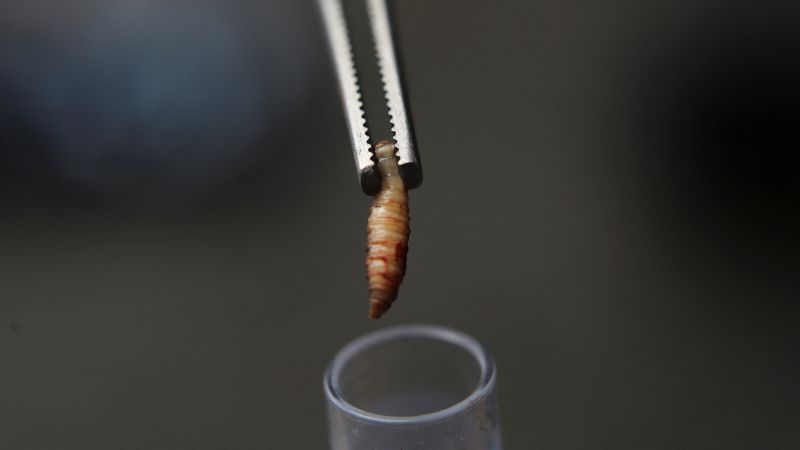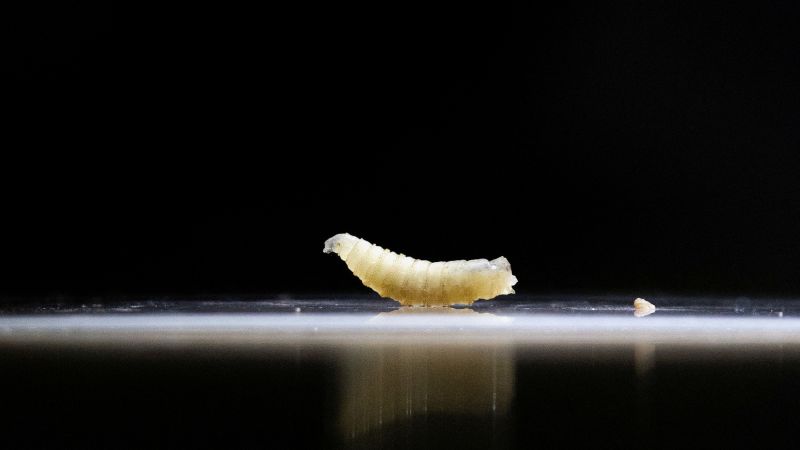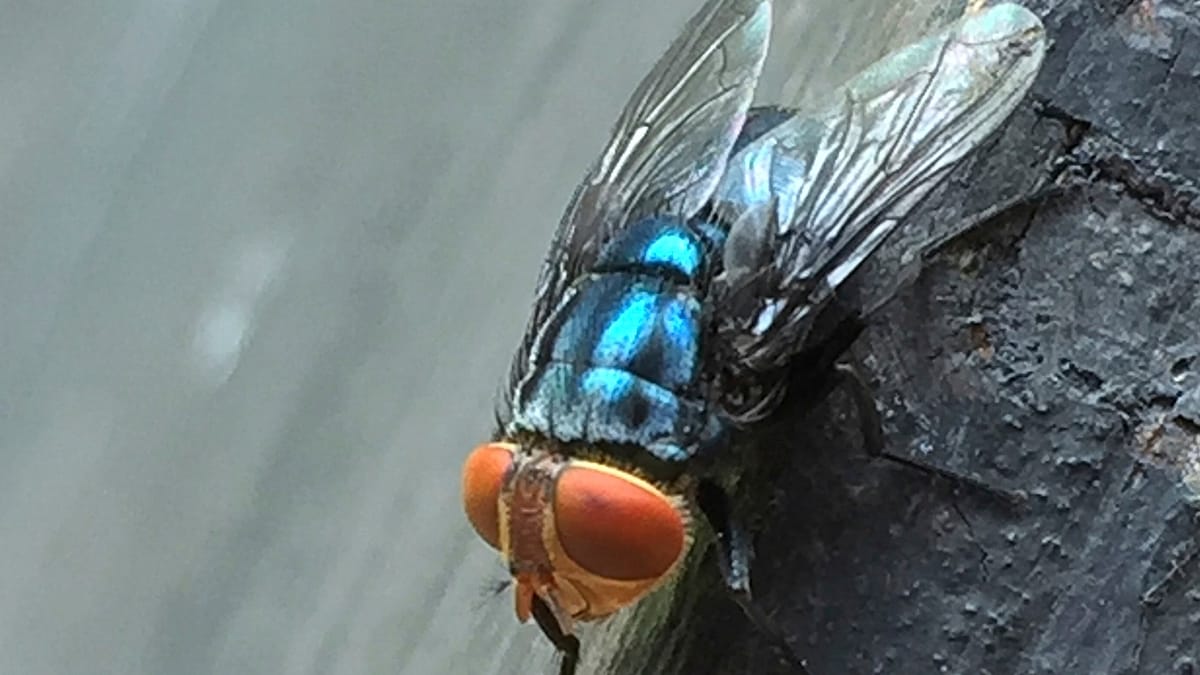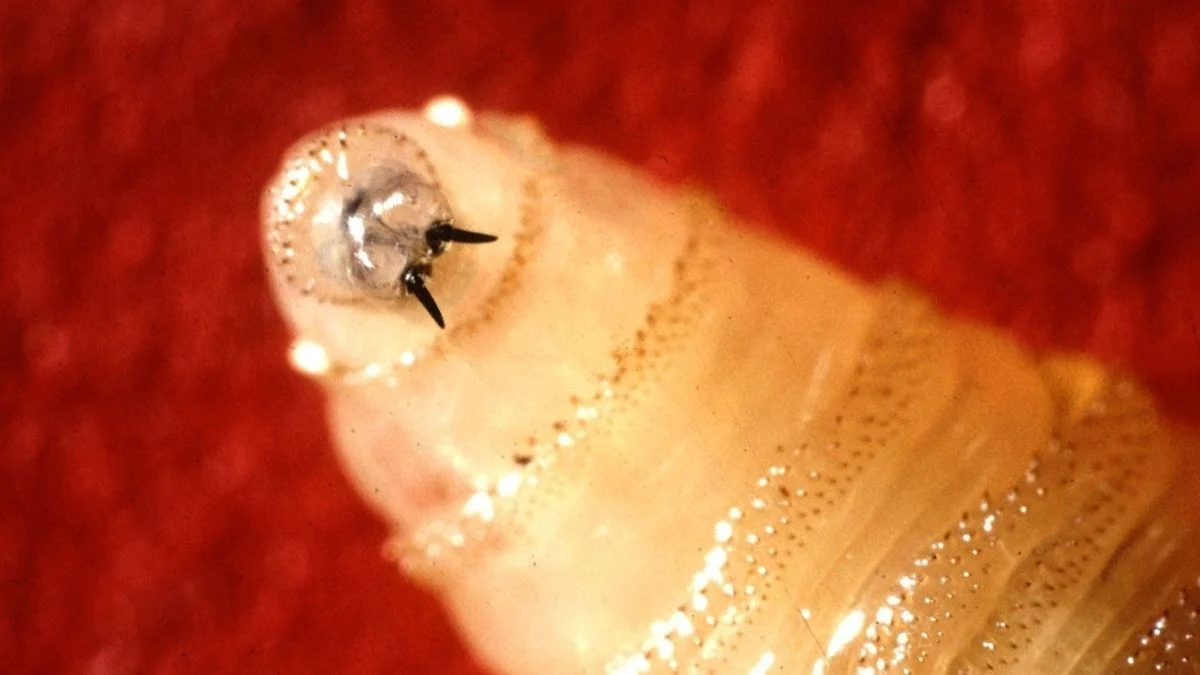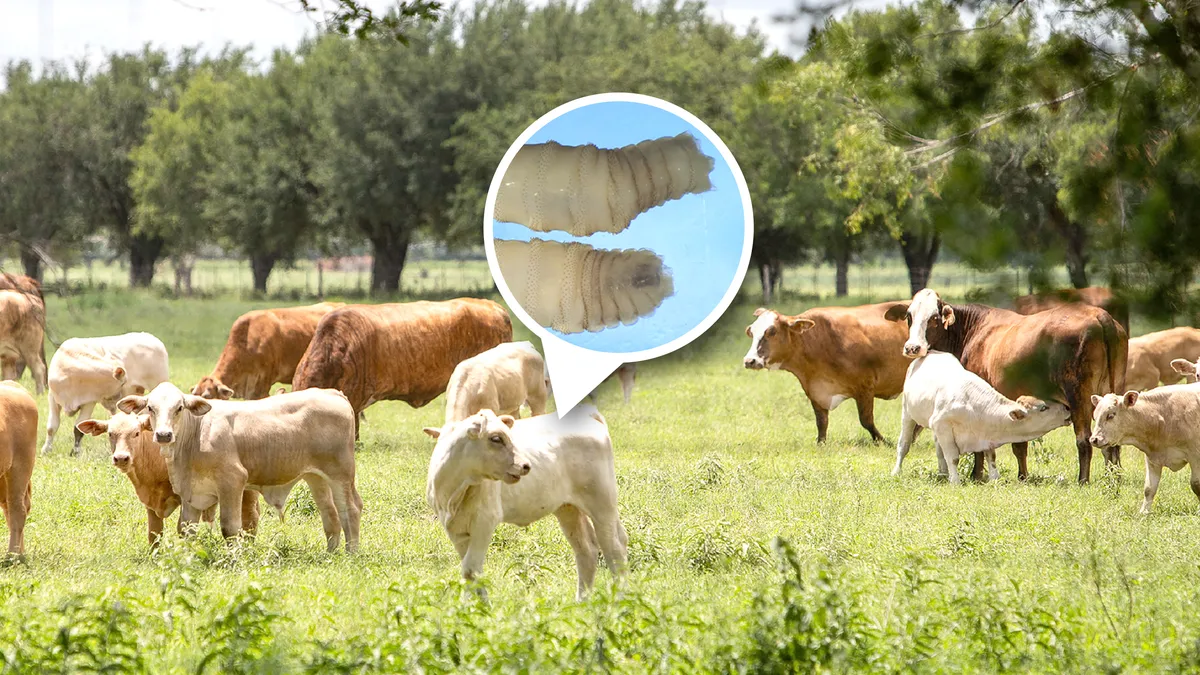
The US Southwest has its flesh-eating maggots back. There are 15 confirmed cases of New World screwworm in cows, goats, sheep, and at least one dog in Texas and New Mexico as of June 21. The first case was reported June 3 in a three-week-old calf in Zavala County, Texas, according to the United States Department of Agriculture.According to a 2025 peer-reviewed study, ‘The reemergence of the New World screwworm and its potential distribution in North America,’ published in Scientific Reports by Espinoza and colleagues, which modeled the fly’s potential spread across North America, found the highest invasion risk in the US is in Texas and Florida. Climate seasonality and global warming are key drivers of the pest’s reemergence and northward push.What screwworm actually doesThe New World screwworm (Cochliomyia hominivorax) is a subtropical blowfly of South America. According to a 2025 clinical review published in Cureus, ‘The New World Screwworm in the United States: A Narrative Review Anchored to the 2025 Travel-Associated Human Case,’ the female flies lay their eggs in the open wounds of any warm-blooded animal, including livestock, pets, wildlife, and even people. Once hatched, the larvae burrow into living tissue and feed as they grow, using hooked mouths. According to the same review, infestations can cause severe pain, secondary bacterial infections, and can be fatal in animals and humans if untreated.The stakes in agriculture are high. According to the USDA, a 1976-style outbreak of screwworms in Texas would cost the state’s economy more than $1.8 billion a year. One thing people don’t need to worry about is screwworms infesting meat or food products. There is no threat to the food supply.The screwworm: Small enough to miss, destructive enough to kill. Image Credits: Wikimedia CommonsHuman risk is low, but real elsewhereThere are currently no identified local human cases in the United States. Since the first outbreak was reported in 2023 in Panama and Costa Rica, some 2,100 human cases have been reported in Mexico and Central America. In 2025, one travel-associated case was also reported in the US in a person with travel history to El Salvador.Edwin Burgess, a veterinary entomologist at the University of Florida, spelled out the risk bluntly. Although there are horror stories about human cases on the internet, the real number is “itty-bitty” compared to the total number of people exposed over that period, Burgess said. Science News reports that people in affected areas can reduce their personal risk by wearing protective clothing, using insect repellent and keeping any open wounds clean and covered.The US beat this before and here's howFederal researchers developed the sterile insect technique, or SIT, during a devastating outbreak in the 1950s-60s that swept through Texas and the southeastern US. According to Science News, its principle of operation relies on a key biological fact: female screwworms mate only once. Males are bred in large numbers, irradiated to sterilize them, and released into infested areas. If there are more sterile than fertile males, females lay non-viable eggs, and the population collapses over generations. According to a research paper published in BMC Biology, ‘SIT 2.0: 21st Century genetic technology for the screwworm sterile-insect program,’ SIT is a species-specific targeted approach that was first developed for screwworm control and eradicated the pest from the US by 1982.Why is it back now?There is no single reason for the return, but researchers point to a number of overlapping factors. In the study published in Scientific Reports, warming temperatures are identified as a major contributor. The fly prefers warm weather and often disappears during cold winters, a natural barrier that is eroding in the South and South-west. Unregulated cattle movement across the Guatemala–Mexico border is also believed to have contributed to the fly’s northward spread, with infested animals carrying the larvae across the border without checks.Production gaps matter as well. Until recently, the only facility making sterile flies was COPEG, the Panama–United States Commission for the Eradication and Prevention of Screwworm Infestation in Livestock, in Panama. Since the fly was detected outside the border between Guatemala and Mexico in 2024, COPEG increased output from around 20-40 million flies a week to 115 million flies. According to Science News, that is still only about 20 percent of the amount experts say may be needed to eradicate the pest from North and Central America. The last effort to eliminate it in the US alone involved exporting 500 million sterile flies per week.Dyed green to tell them apart from fertile flies. These sterile pupae are being deployed across Texas as part of the federal counteroffensive. Image Credits: Wikimedia CommonsWhat's being done right nowThe USDA now uses epidemiological tracking and meteorological data to predict where flies are headed, and guide targeted sterile fly releases. A new dispersal facility being built at Moore Air Base in Edinburgh, Texas, is estimated to cost $8.5 million, but won't be ready for about another year. $21 million is being spent to renovate a facility in Metapa, Mexico. The USDA announced an additional $105 million on June 16 to fund innovative response efforts, including novel sterilization methods and new early-warning traps.There’s also a new strain, called Novo Fly, which the USDA is developing and awaiting EPA approval. Science News reports that the strain eliminates female larvae from each brood, resulting in all surviving flies being male. This means that instead of producing 50 million males and 50 million females each week, facilities would produce 100 million males. That would effectively double usable sterile fly output from each batch.According to Science News, the FDA also has authorized the emergency use of treatments for a range of animals. Injectable insecticides like Dectomax, which received emergency authorization on May 19, spread through animal tissue and hit the nervous systems of feeding larvae.The road aheadExperts are optimistic about the timeline, but only cautiously. With new facilities, new technology, and new funding, help is on the way, but it will take time to produce enough sterile flies to push the screwworm back south. For now, the priority is to slow down the spread. Livestock and pet owners in Texas and New Mexico should carefully check animals for unusual wounds. Treated animals can make a full recovery.We have the tools to win this fight. The question is whether production can scale fast enough.
Scientists and ranchers are racing to stop a flesh-eating fly after 15 animal cases turned up in Texas and New Mexico, and the battle could take more than a year
Scientists and ranchers are racing against time to eradicate the New World screwworm, with 15 confirmed cases reported in Texas and New Mexico. This invasive pest threatens livestock health and the agricultural economy. Discover the latest efforts and risks involved.
1,042 words~5 min read