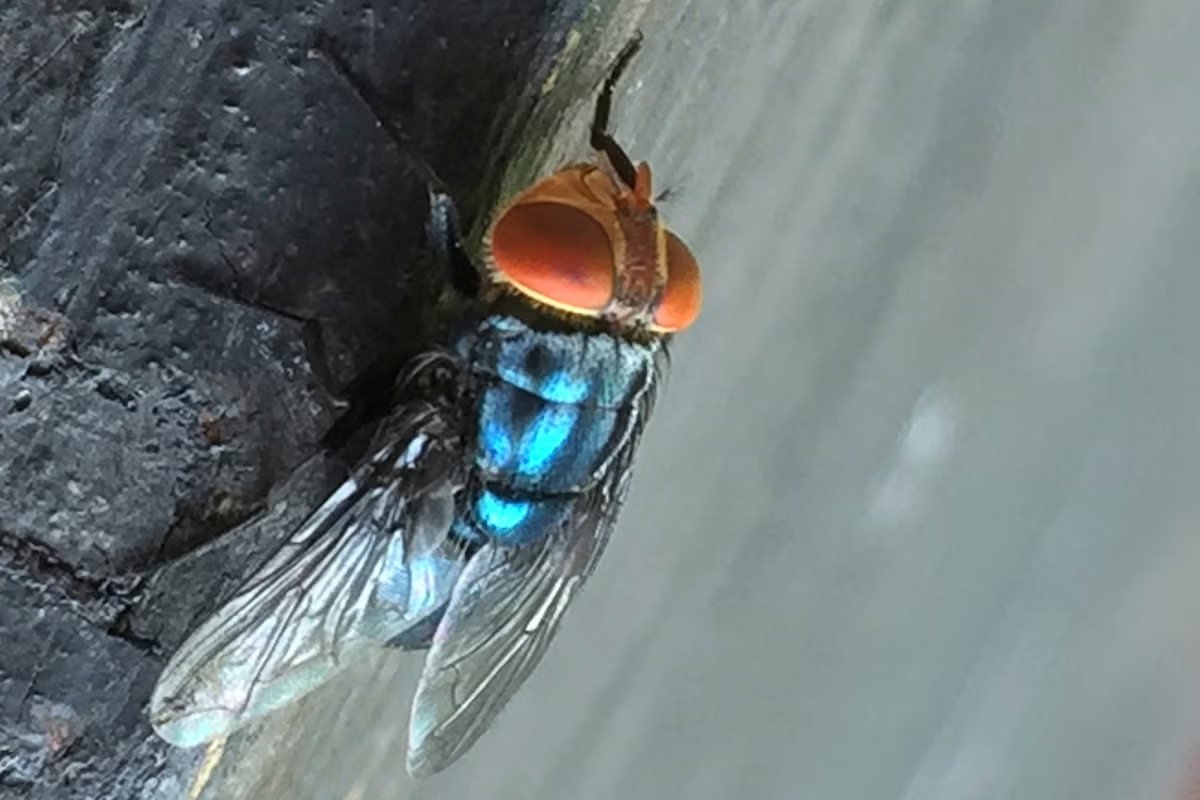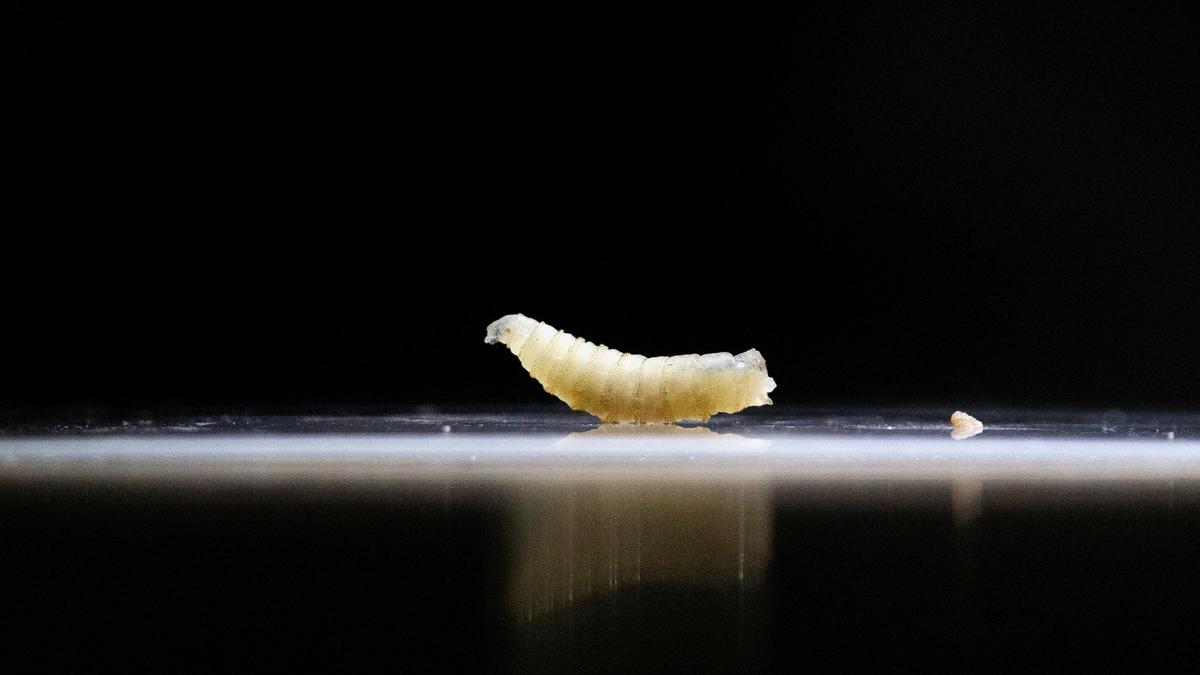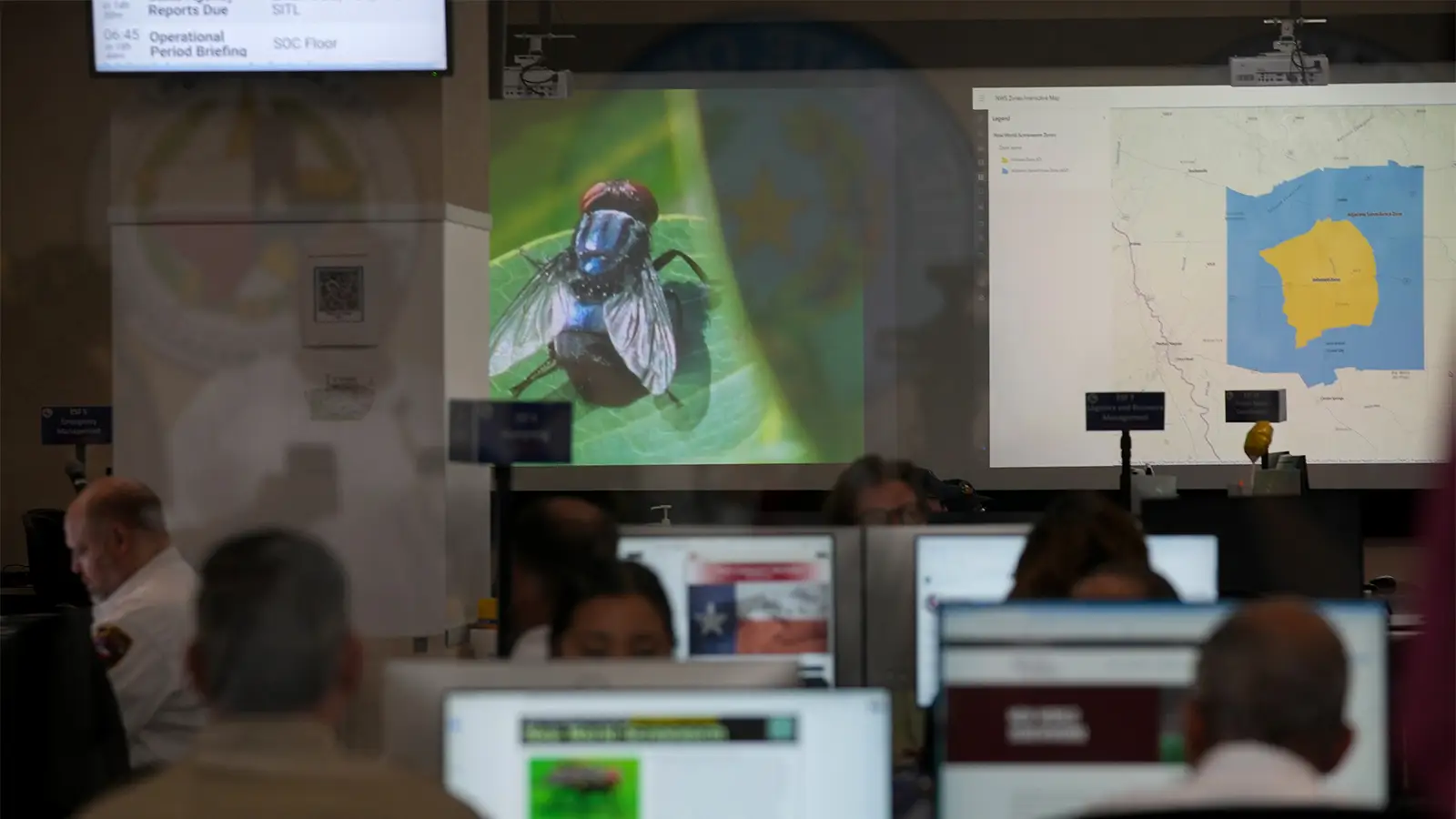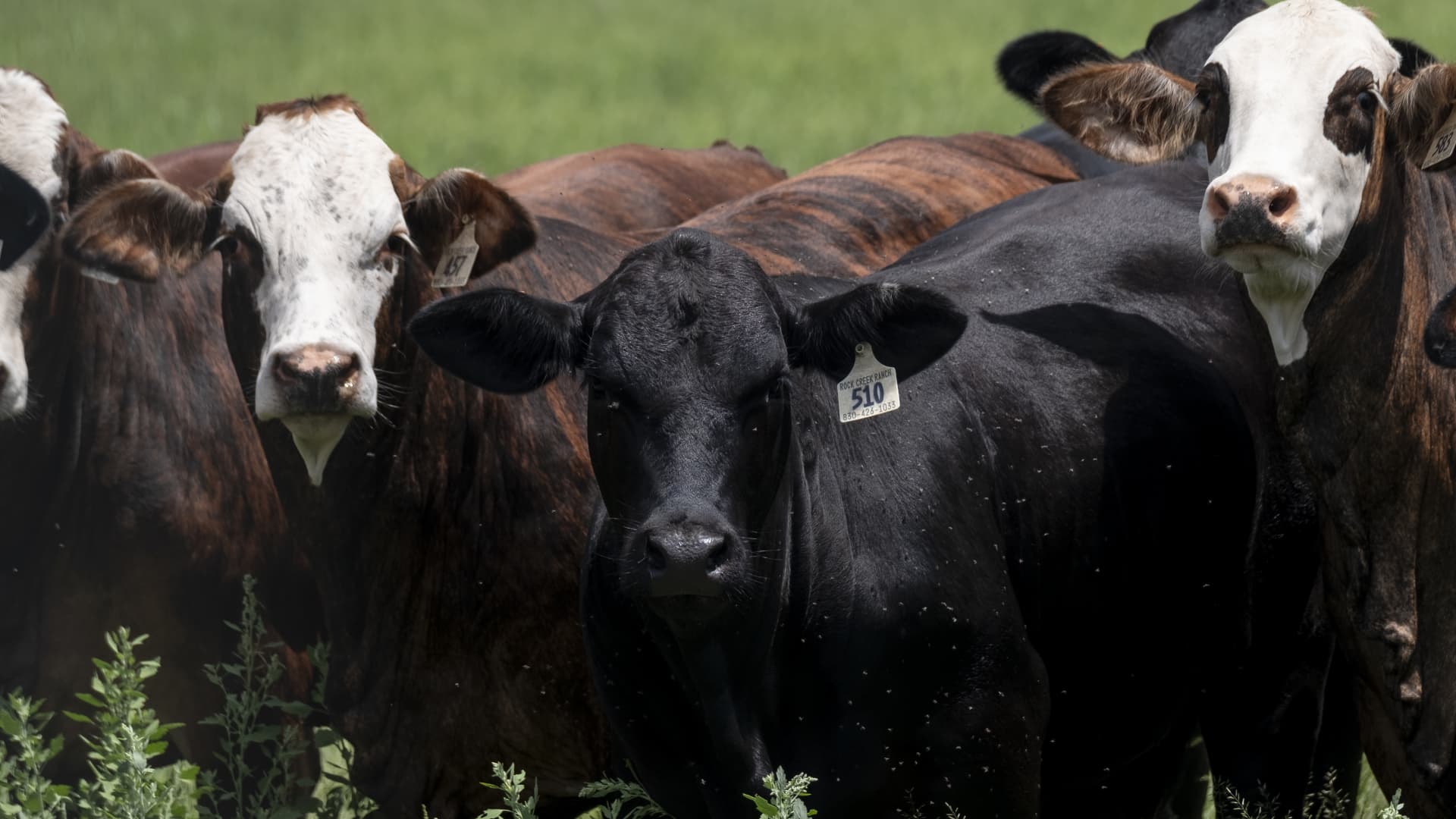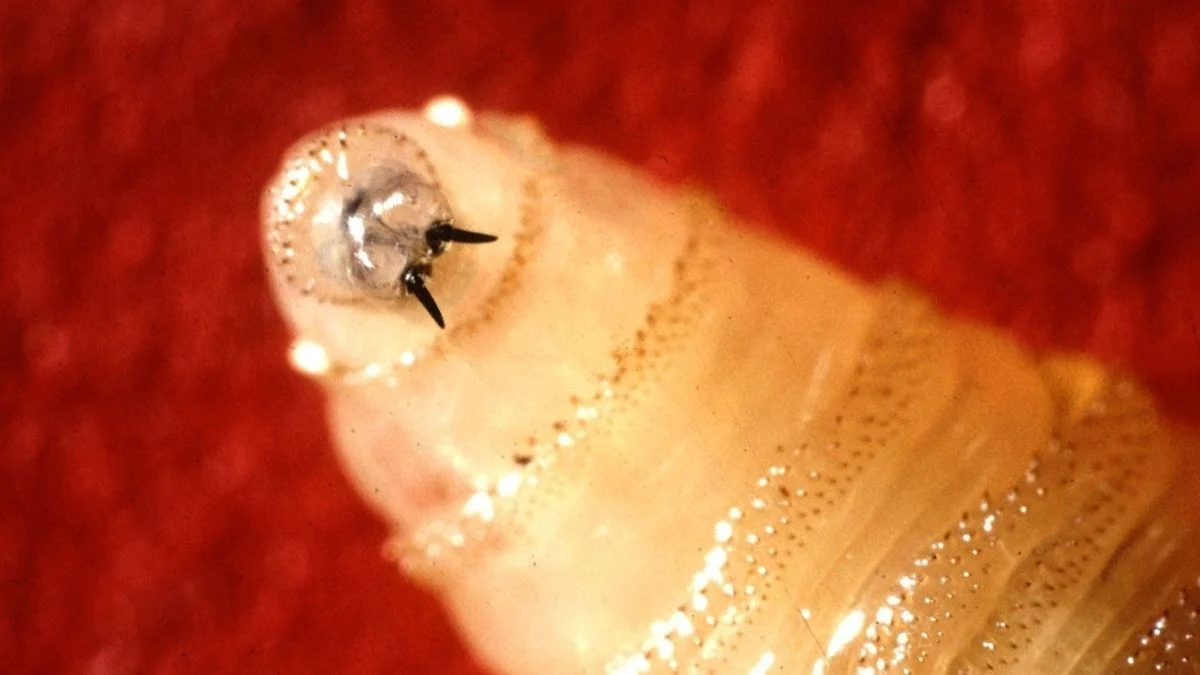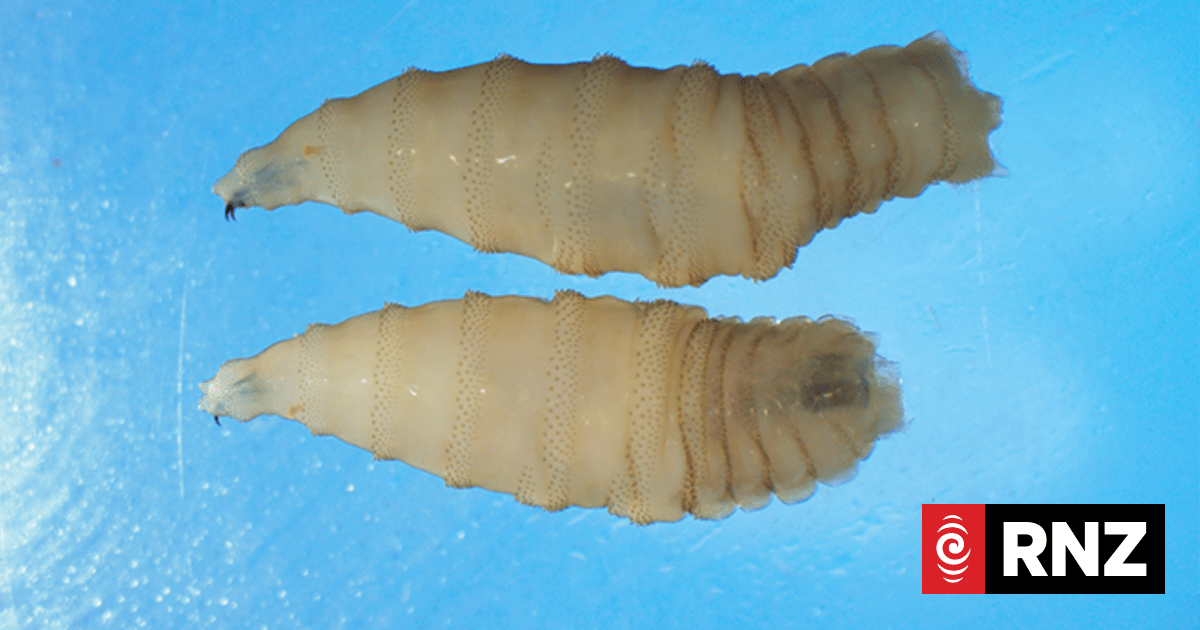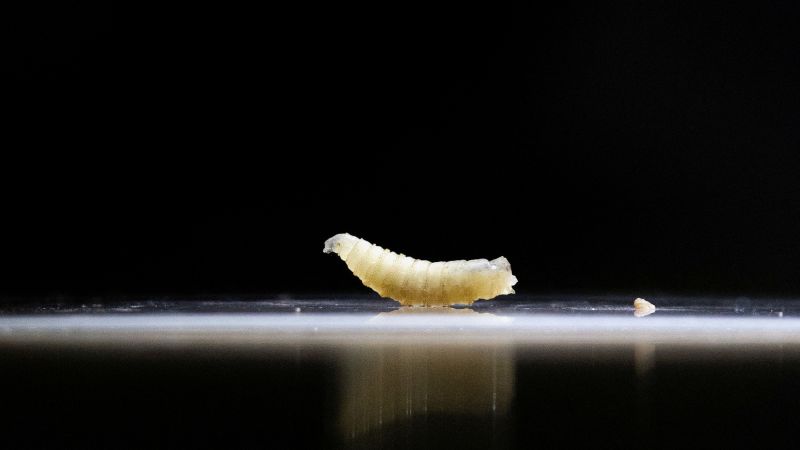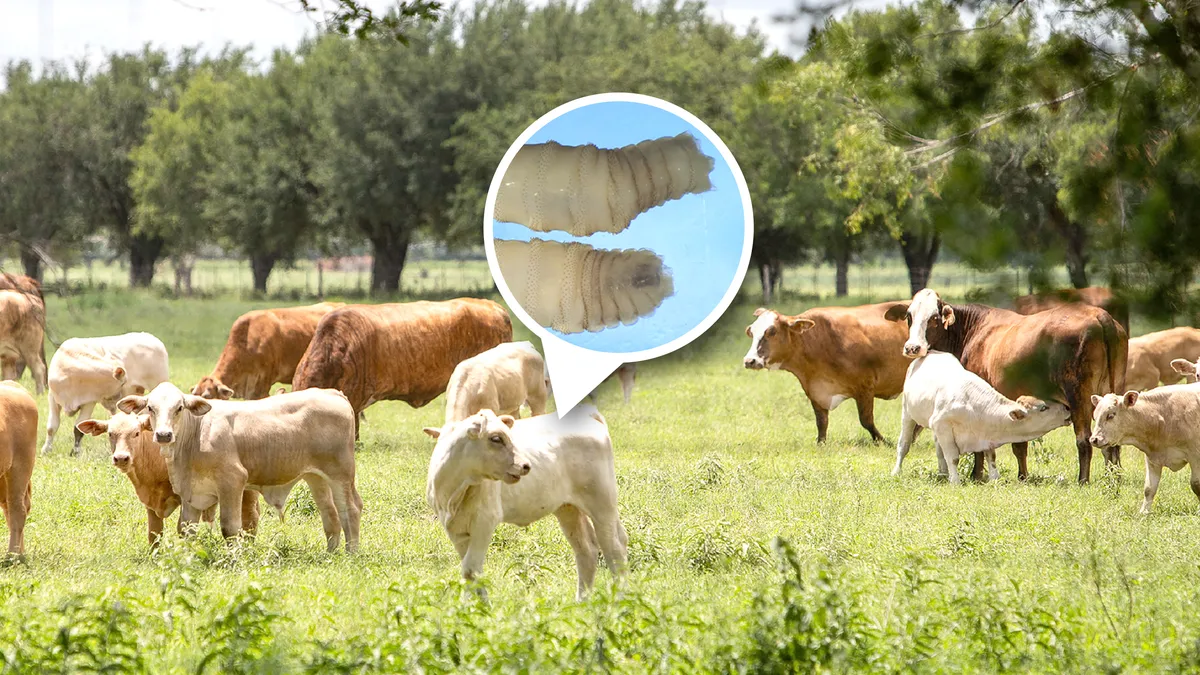
Three new cases of the New World screwworm, a parasitic fly that painfully infects animals and threatens humans, were confirmed by U.S. officials June 9, bringing the total number of domestic cases to five from last week.Experts predict a widespread outbreak could devastate wildlife and cost Texas $1.8 billion in economic damage, including possible higher beef prices because of infected cattle.Beef prices have steadily increased since December 2020, driven by strong demand and the smallest U.S. cattle herd in 75 years, the American Farm Bureau Federation reported.New World screwworm flies, also known as NWS, are about the size of common houseflies. They have advanced across Mexico and Central America since 2023, according to the Centers for Disease Control and Prevention. The first U.S. case was found in Texas June 3.Screwworm flies cause myiasis, an infection of flesh-eating maggots that burrow into the skin of living animals, causing serious and often fatal damage. The fly is named for how its maggots burrow, or screw, into an open wound using "its sharp mouth hooks," according to the Animal and Plant Health Inspection Service.New World screwworm began resurgence in Central AmericaUnable to view our graphics? Click here to see them. The Canadian Food Inspection Agency announced June 5 that it was banning Texas livestock because of the screwworm spread.Texas Gov. Greg Abbott declared a state of disaster June 5, citing the “imminent threat” posed by screwworms. Texas officials said Canadian authorities were overreacting.The parasite infects only living livestock, wildlife, birds, pets and, in some rare cases, humans, the U.S. Department of Agriculture says. It does not infect meat or fruit.Where have the screwworms been discovered?The five confirmed cases are in:Zavala County, Texas: Two calves.La Salle County, Texas: One calf.Gillespie County, Texas: One goat.Lea County, New Mexico: One dog.The screwworm is native to South America and the Caribbean. It was eradicated in the United States in the 1960s, in Mexico in the 1970s, and much of Central America in the early 2000s, according to the CDC.But new cases were reported in October 2024 in Panama, Costa Rica, Nicaragua and Honduras, the CDC said. That sparked concern that the insects would spread north to the United States.The first case in southern Mexico was reported to the United States in November, the USDA said.Though the United States and Mexico are working together to eradicate NWS in Mexico, “there has been unacceptable northward advancement of NWS, and additional action must be taken to slow the northern progression of this deadly parasitic fly,” the USDA said.What's so dangerous about the NWS?NWS flies lay eggs “on open wounds or other open parts of the body in live, warm-blooded animals,” according to the CDC. A wound as small as a tick bite can attract the flies.The eggs hatch and become larvae, or maggots. They burrow into the wound to feed on the living flesh, the CDC says. That’s different from most other types of maggots, which feed on decomposing flesh.After they feed, the larvae fall to the ground and burrow into it. They later emerge as adult screwworm flies, the CDC says.As you might expect, burrowing maggots in living creatures are highly painful.What’s being done to combat screwworms?Some of the countermeasures by the Department of Agriculture include:Metapa, Mexico: The USDA invested $21 million to modernize an existing fruit fly facility in Mexico. It’s expected to open this summer and will produce 60 million to 100 million sterile NWS flies a week.Edinburg, Texas: A $750 million sterile fly production facility is under construction at Moore Air Base in South Texas. It will have a projected capacity of 300 million sterile flies a week and is expected to open in November 2027.Pacora, Panama: The USDA has been bringing in 100 million sterile flies a week from the COPEG facility in Panama. They are dispersed within and just north of affected areas in Mexico. USDA confirms three additional cases of screwworm in the USSecretary of Agriculture Brooke Rollins said that three additional cases of New World screwworm had been confirmed in the U.S., including two in Texas.What are the symptoms of NWS infection in humans?NWS infestations are very painful, the USDA says. If you have an infestation, you may see maggots around or in an open wound or in your nose, eyes or mouth. Symptoms can include:Unexplained skin lesions (wounds or sores) that do not heal.Skin wounds or sores that worsen over time.Painful skin wounds or sores.Bleeding from open sores.Feeling larvae movement within a skin wound or sore, nose, mouth or eyes.Seeing maggots around or in open sores.A foul-smelling odor from the site of the infestation.Secondary bacterial infections can occur and may cause fever or chills.In animals, the symptoms include:Irritated behavior.Head shaking.Smell of decay.Evidence of a fly strike.Presence of fly maggots in wounds.What should you do if you get infected?Maggots in a wound or a body part need to be removed by a medical professional, the CDC says. Don’t try to remove them yourself.CONTRIBUTING Greta Cross, John Bacon, Mike Snider and Eduardo CuevasSOURCE USA TODAY Network reporting and research; Reuters; Department of Agriculture; Centers for Disease Control and PreventionThis story was updated to add new information.
Flesh-eating screwworms in Texas could make beef prices rise
Five cases of the New World screwworm parasite have been found in Texas and New Mexico.
856 words~4 min read