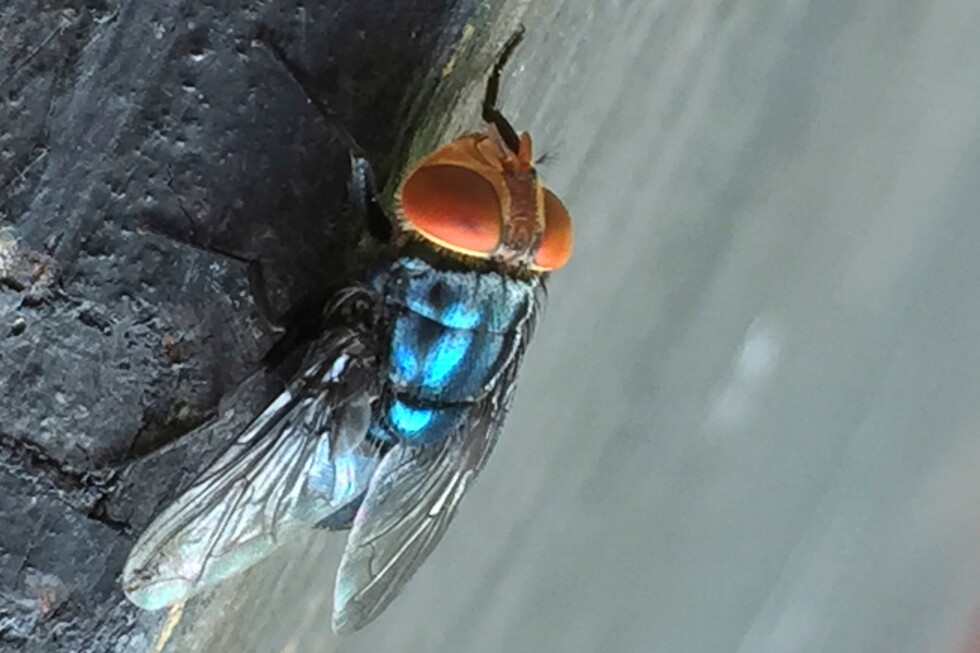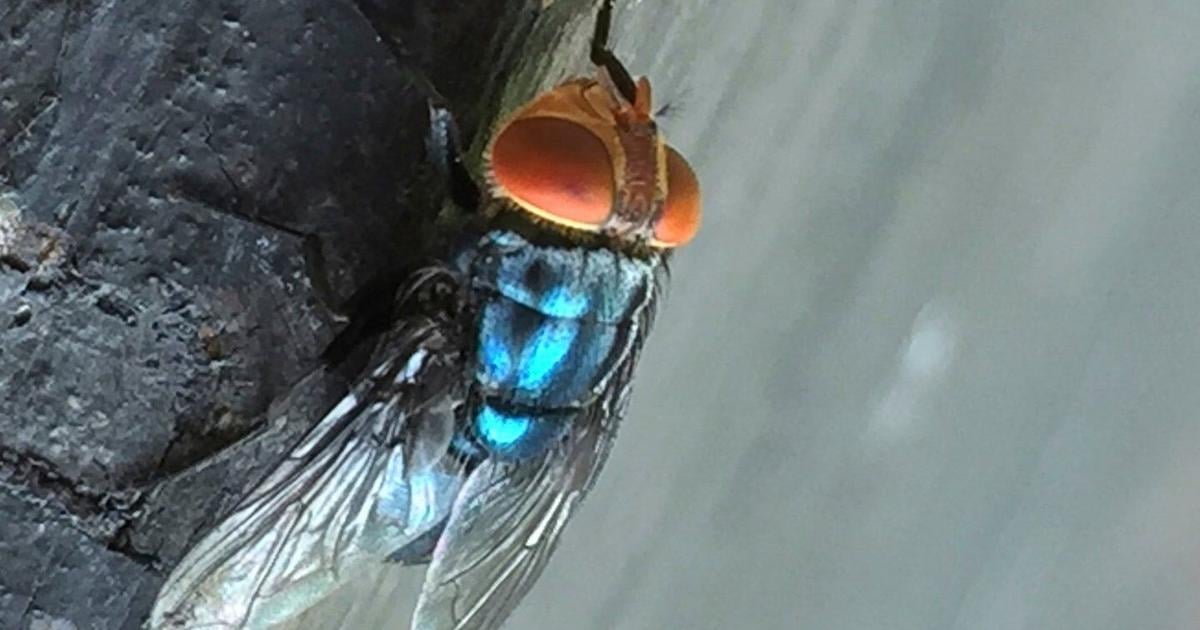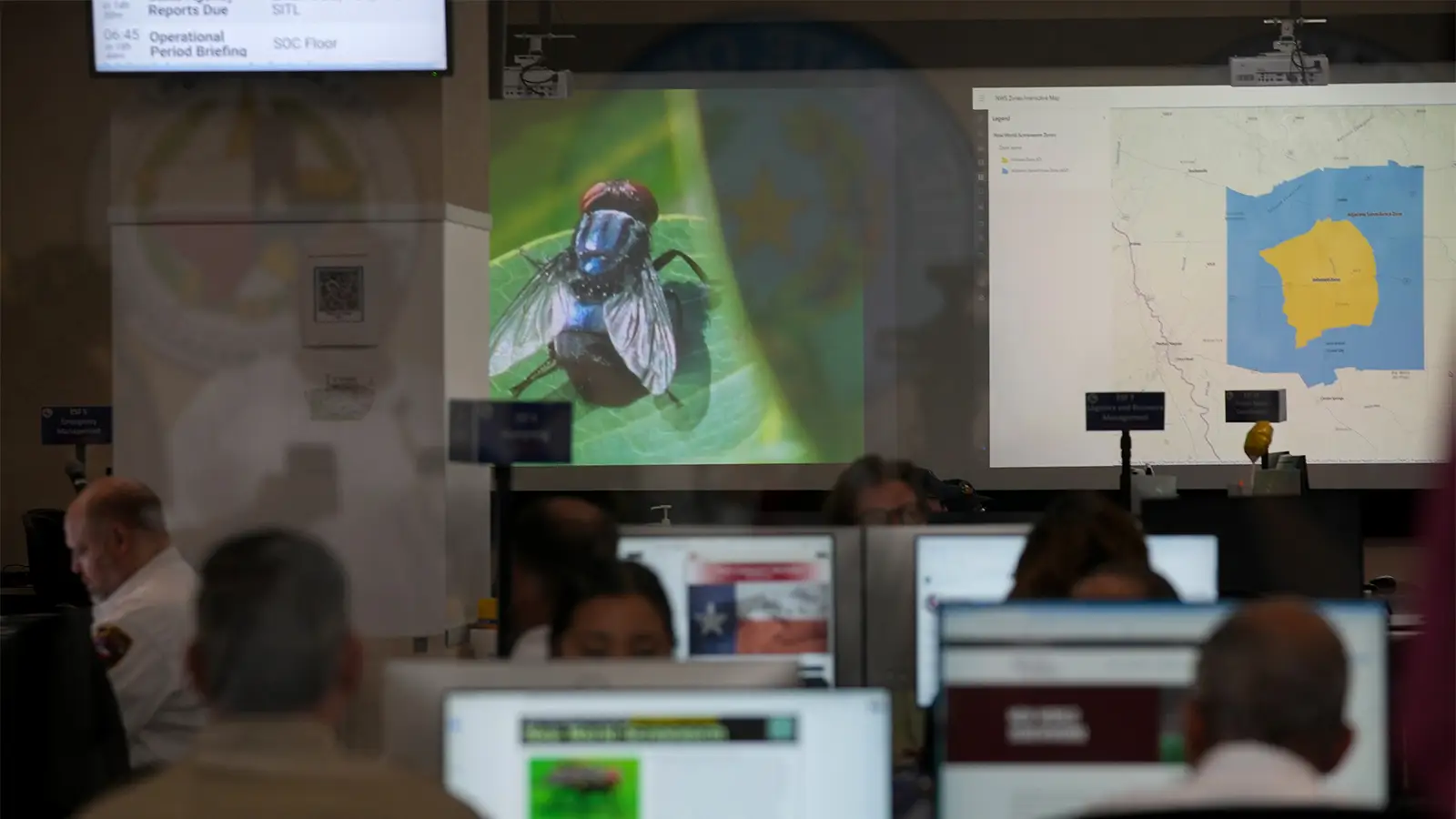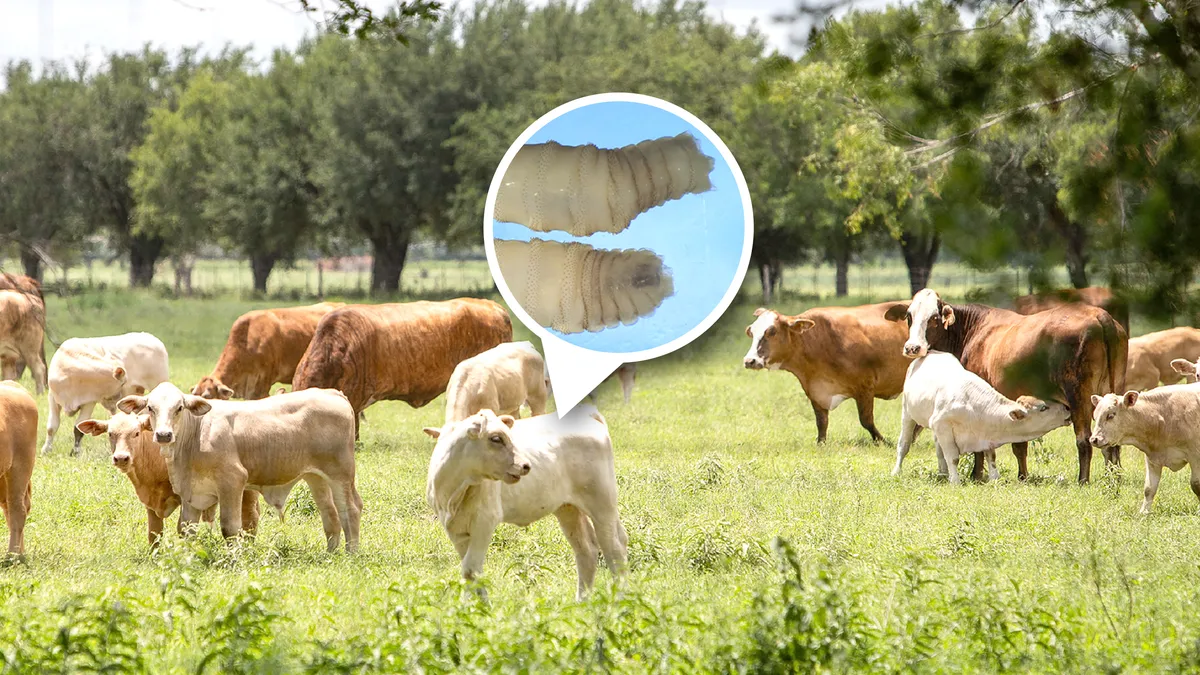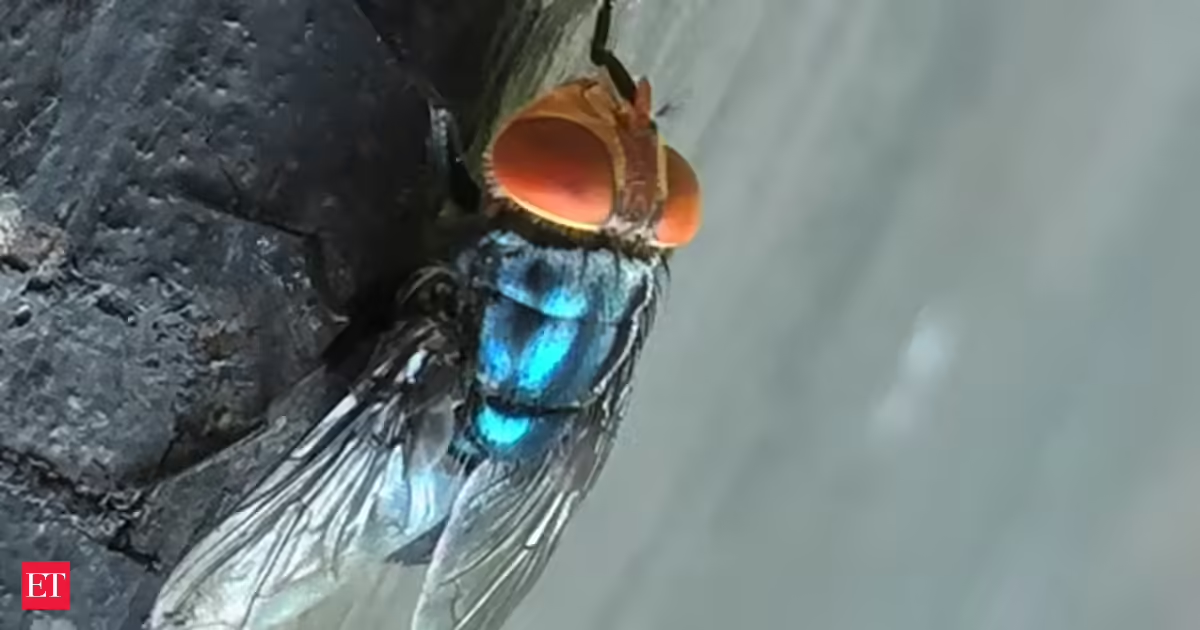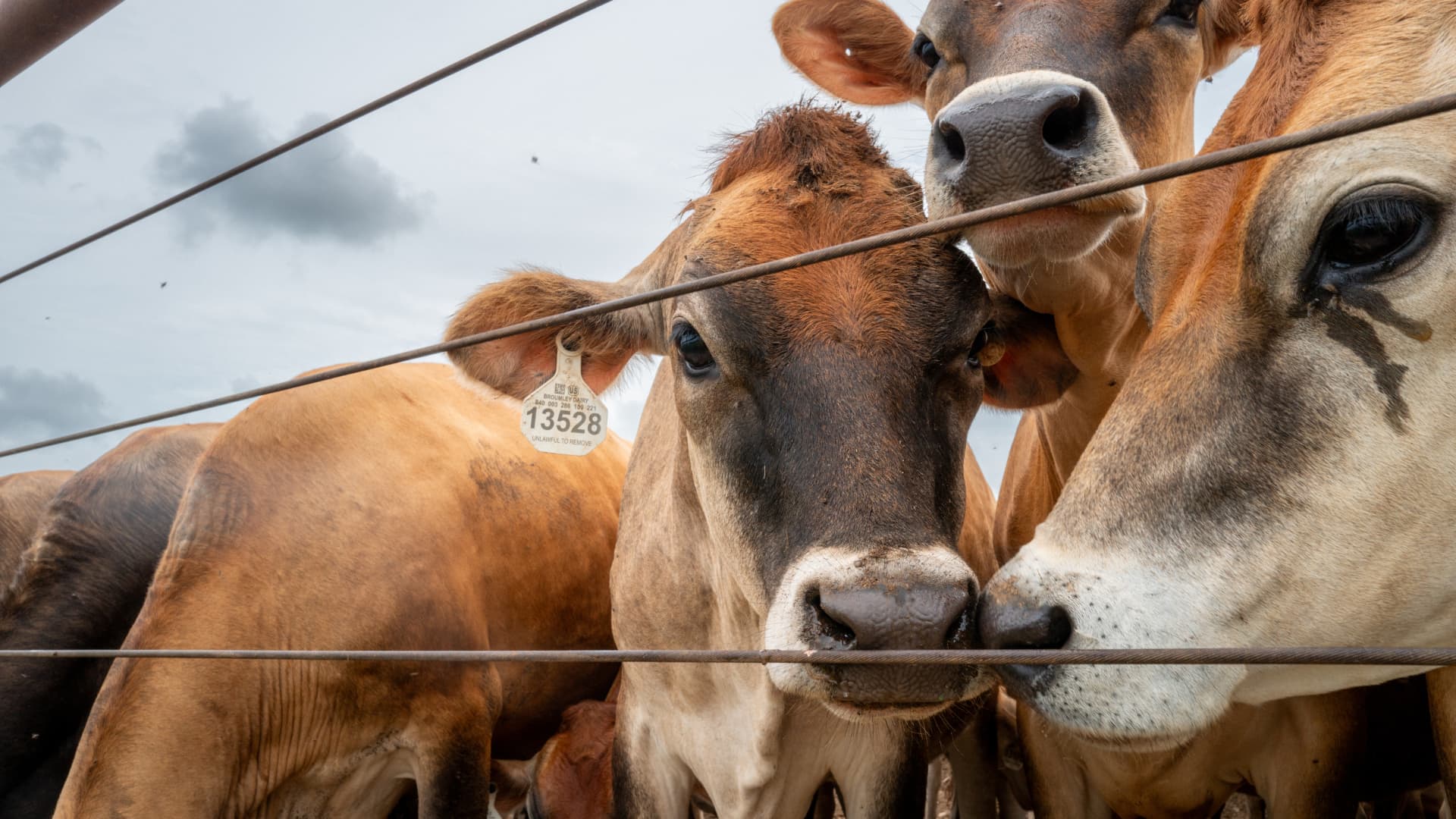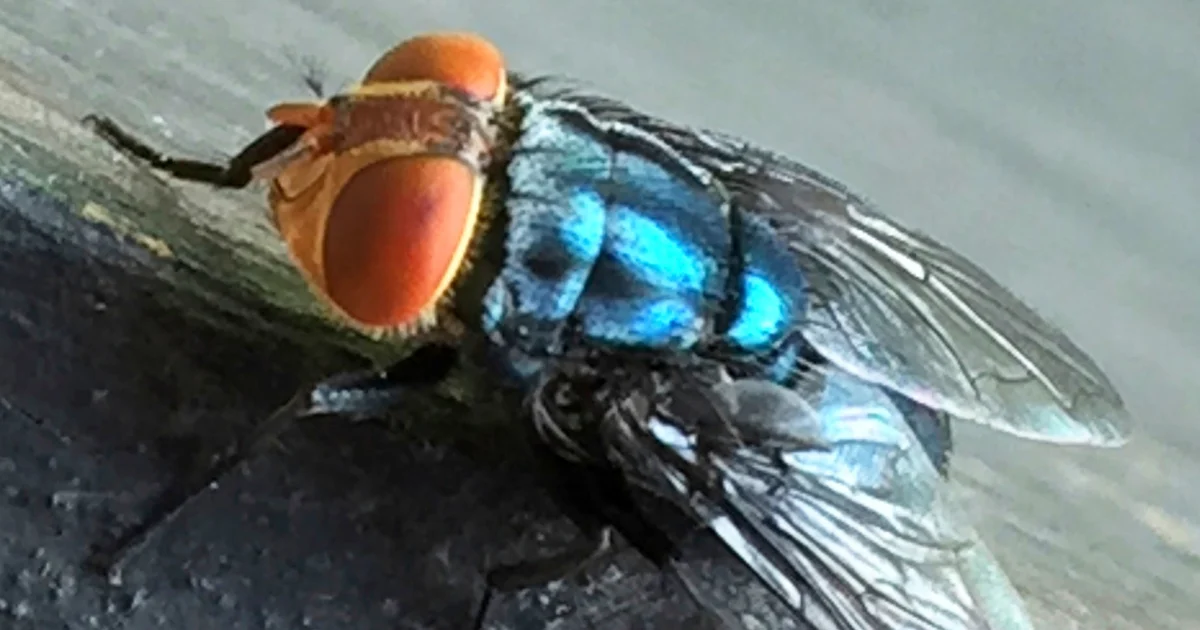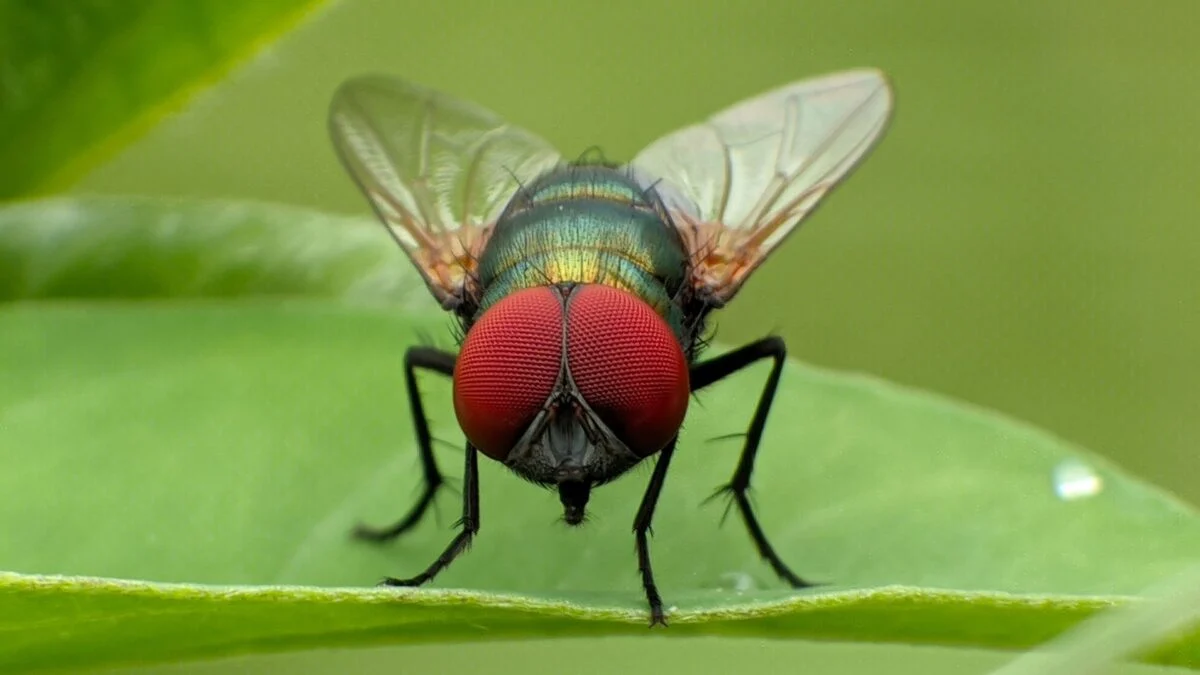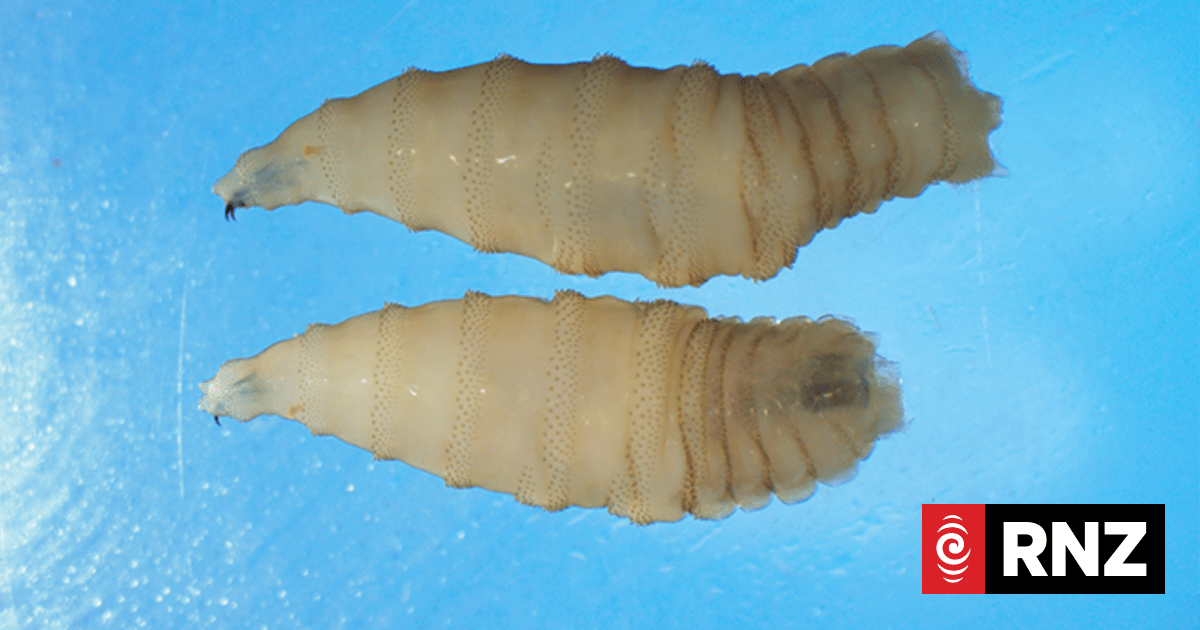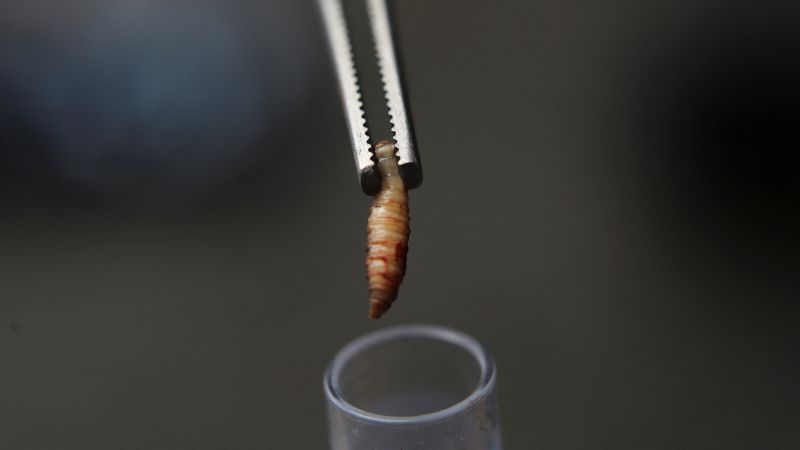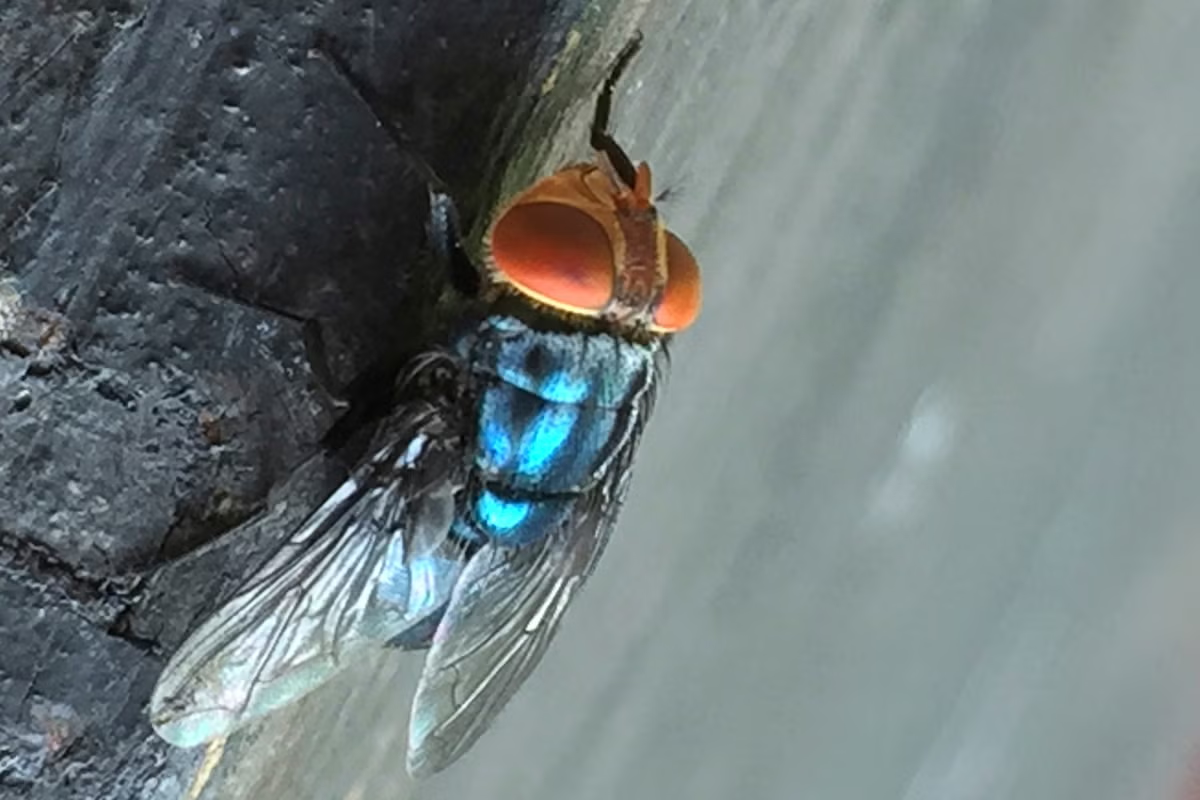
Texas grapples with a renewed threat to its vital cattle industry as two additional cases of the New World screwworm were confirmed Monday by the U.S. Department of Agriculture, bringing the total to four. The development underscores the persistent challenge of containing a pest with the potential for widespread devastation.The screwworm is, in fact, a fly whose larvae consume live flesh rather than dead tissue. Two more cases of the New World screwworm have been confirmed in Texas, demonstrating the difficulty of stopping the spread of a pest that potentially could devestate the nation’s cattle industry (U.S. Department of Agriculture)Females deposit their eggs in open wounds of any warm-blooded animal, including cattle, wildlife, pets, and, on occasion, even humans.The new infections were identified in a calf and a dog, located hundreds of miles apart in La Salle and Andrews counties. These follow the initial discovery last week in a 3-week-old calf, with a second case found only miles away in another young calf.A cow grazes in a field a day after the U.S. Department of Agriculture confirmed that New World screwworm was detected in a Texas calf, near Crystal City (Reuters)Dudley Hoskins, the USDA's marketing and regulatory undersecretary, stated, "While we address these instances that require immediate attention, and continue to sample suspected cases, we are simultaneously working to eradicate the pest entirely."Before its elimination from the U.S. in the 1960s, the fly was an annual warm-weather scourge for cattle ranchers. Its re-emergence has spurred the USDA and the U.S. cattle industry to race against an infestation since the pest was detected in Mexico late in 2024, after decades of containment at the southern end of Panama.A couple of months' worth of several preventative and topical treatments line the counter, three days after the U.S. Department of Agriculture confirmed that New World screwworm was detected in a Texas calf in Zavala County, near La Pryor (Reuters)The government combats the pest by breeding sterile male flies. These then mate with wild females, who reproduce only once during their month-long lifespan. This process prevents offspring, eventually halting outbreaks.To bolster these efforts, the USDA intends to increase sterile fly production at facilities outside the U.S. while a new fly factory is constructed in Texas. USDA Secretary Brooke Rollins is scheduled to be briefed on the infestation Monday afternoon at the U.S. Livestock Insects Research Laboratory in Kerrville, Texas.
A parasite that devours living flesh is spreading in Texas
Two more cases of the New World screwworm have been confirmed in Texas, demonstrating the difficulty of stopping the spread of a pest that potentially could devastate the nation’s cattle industry
395 words~2 min read