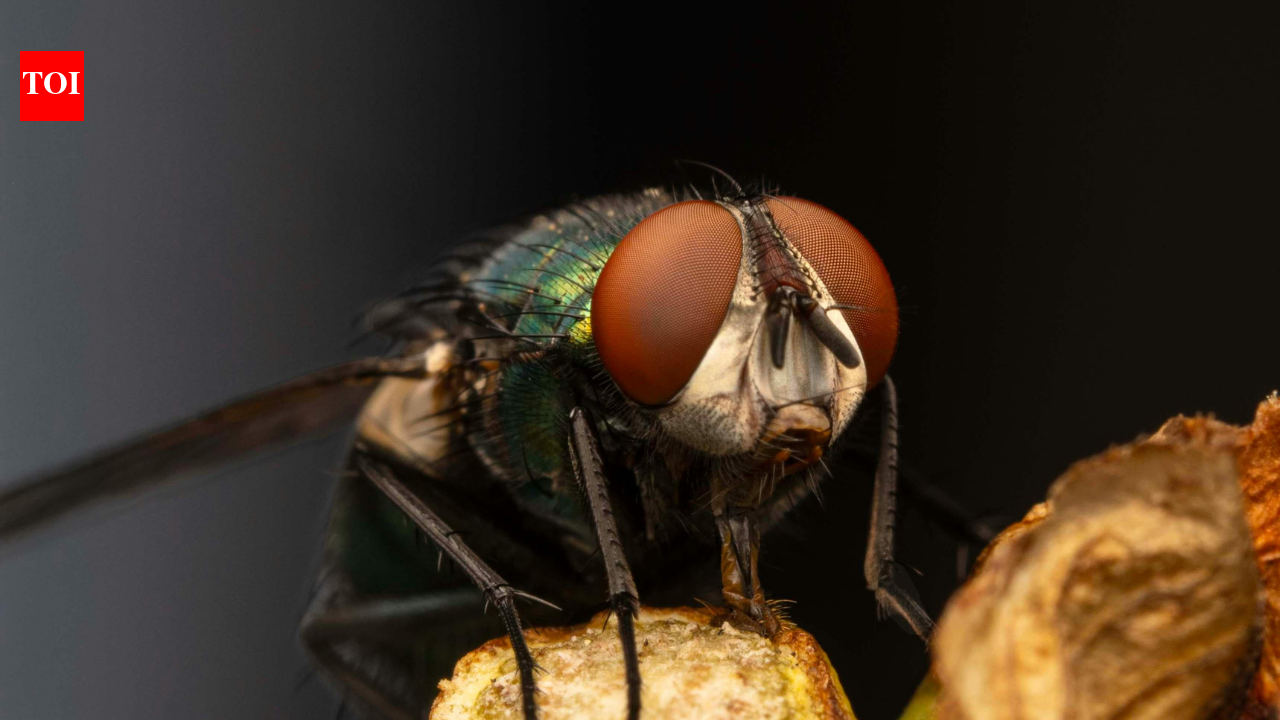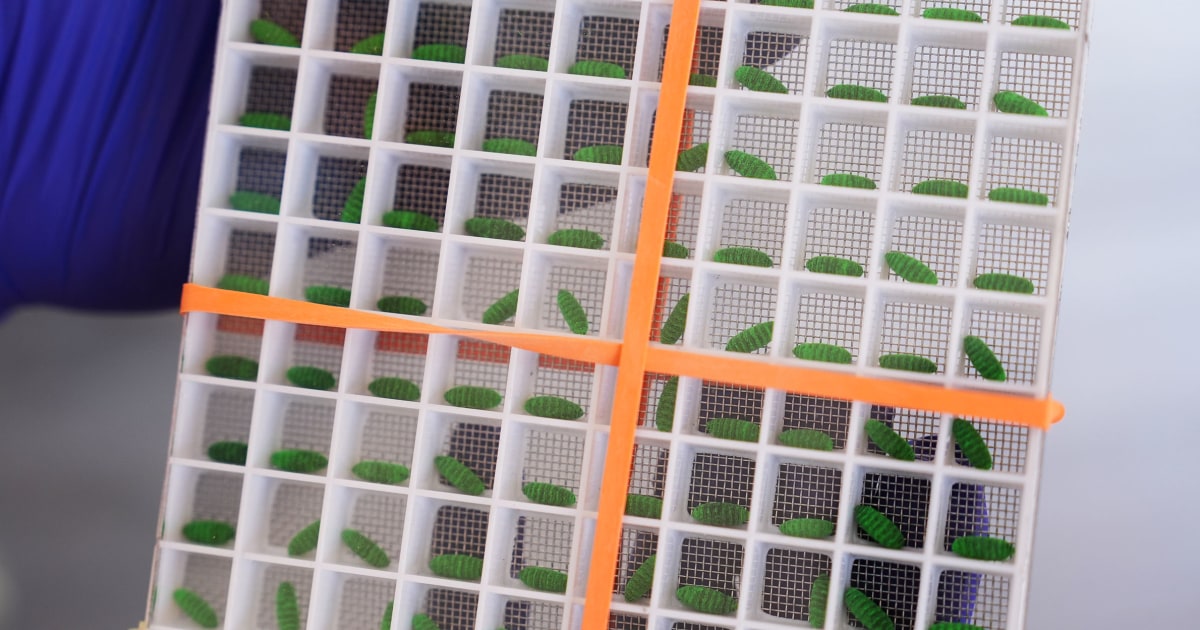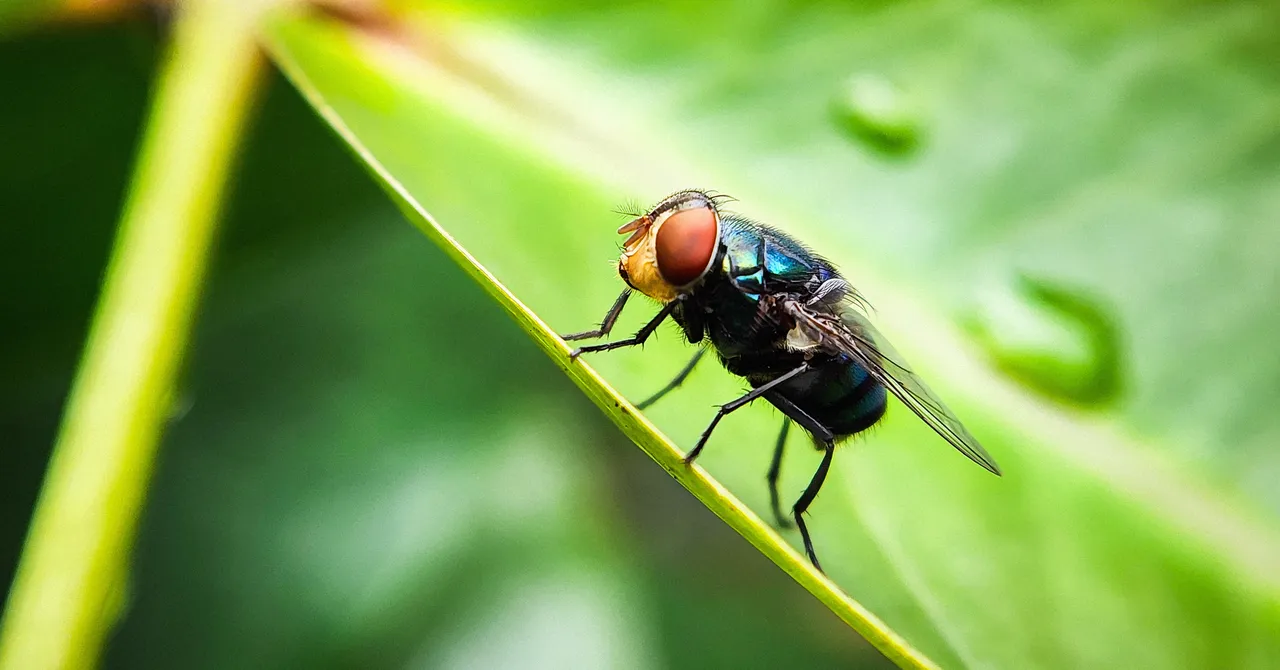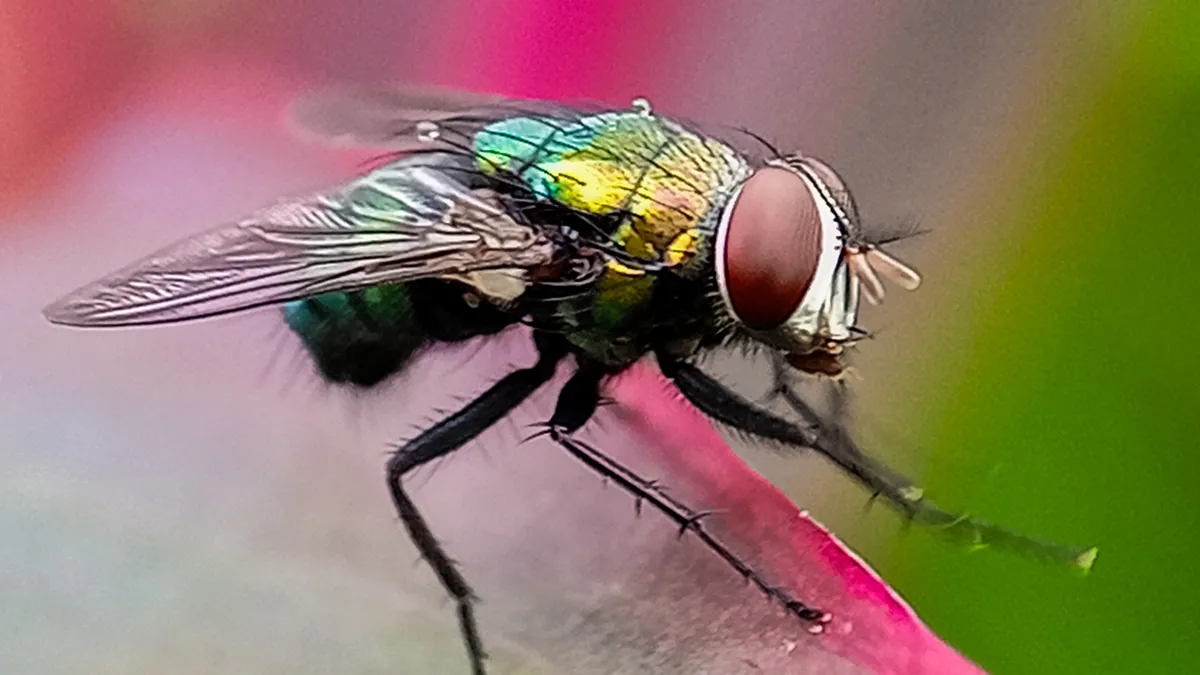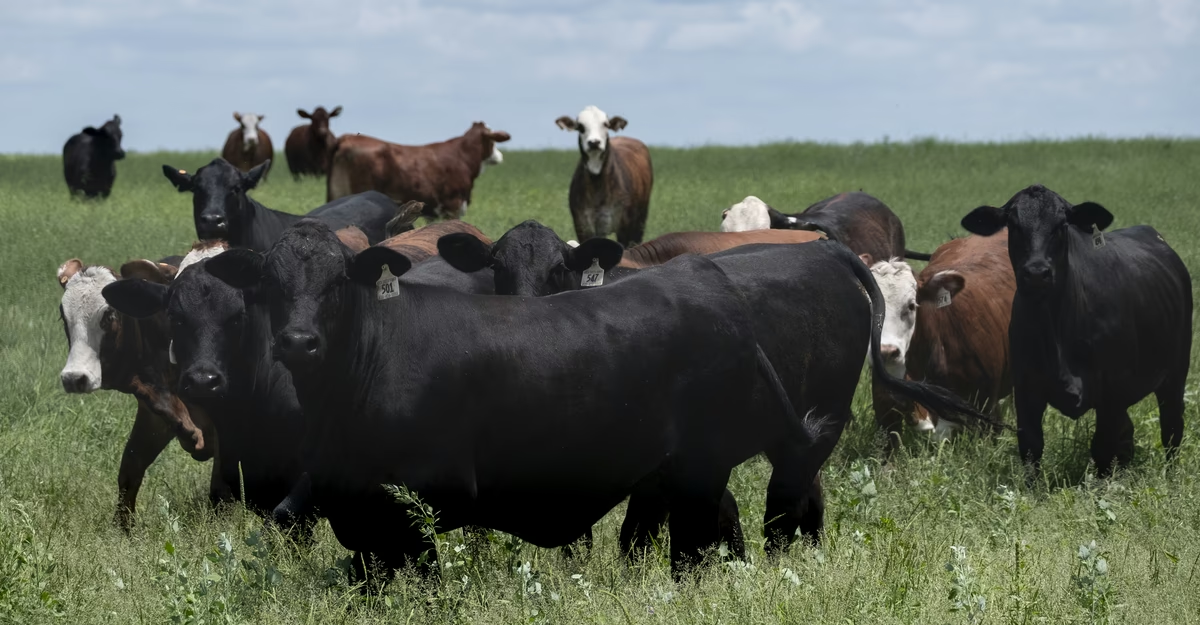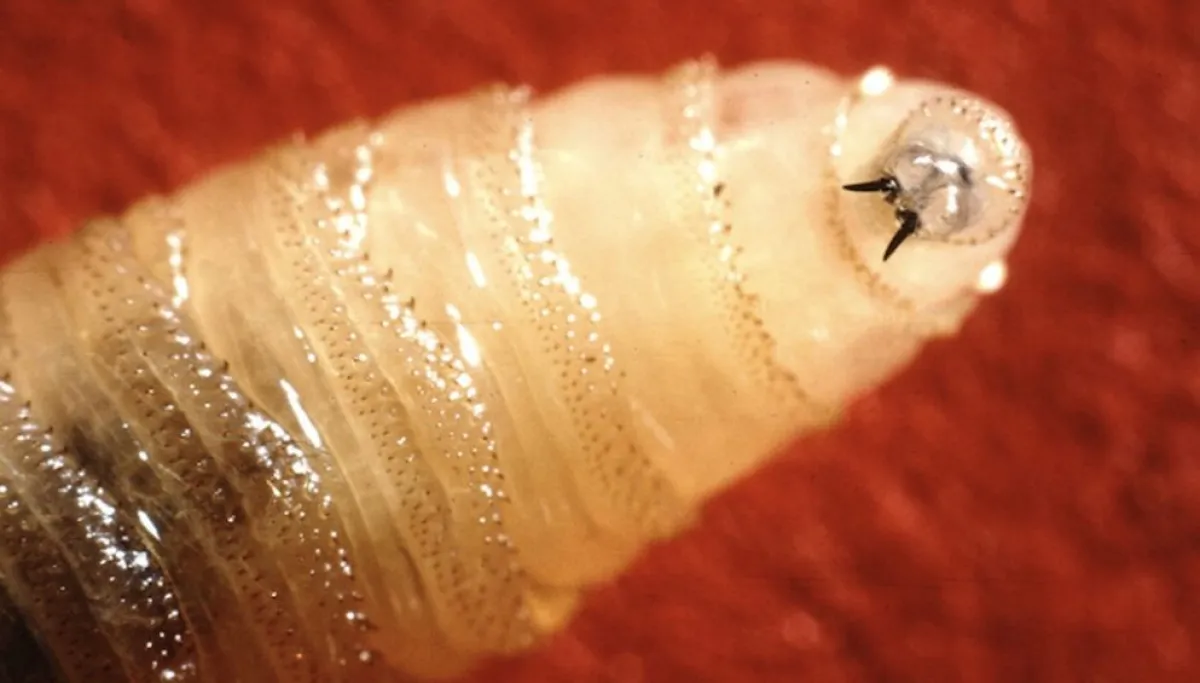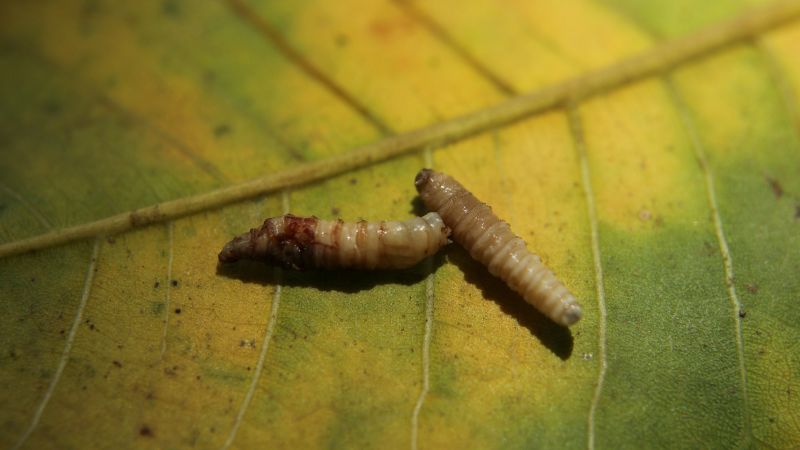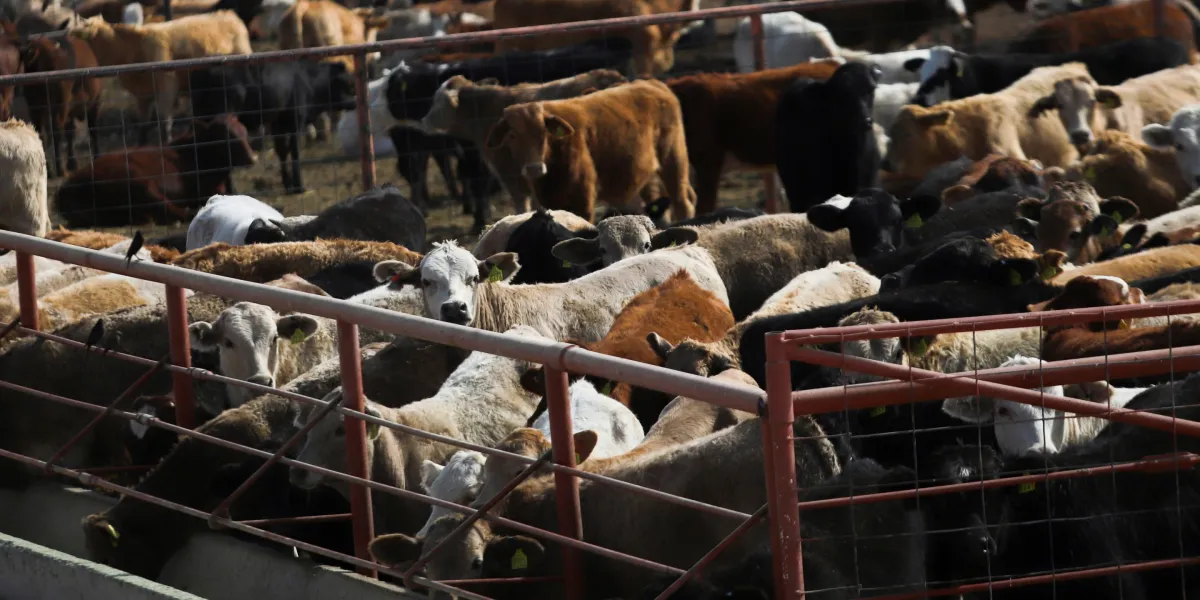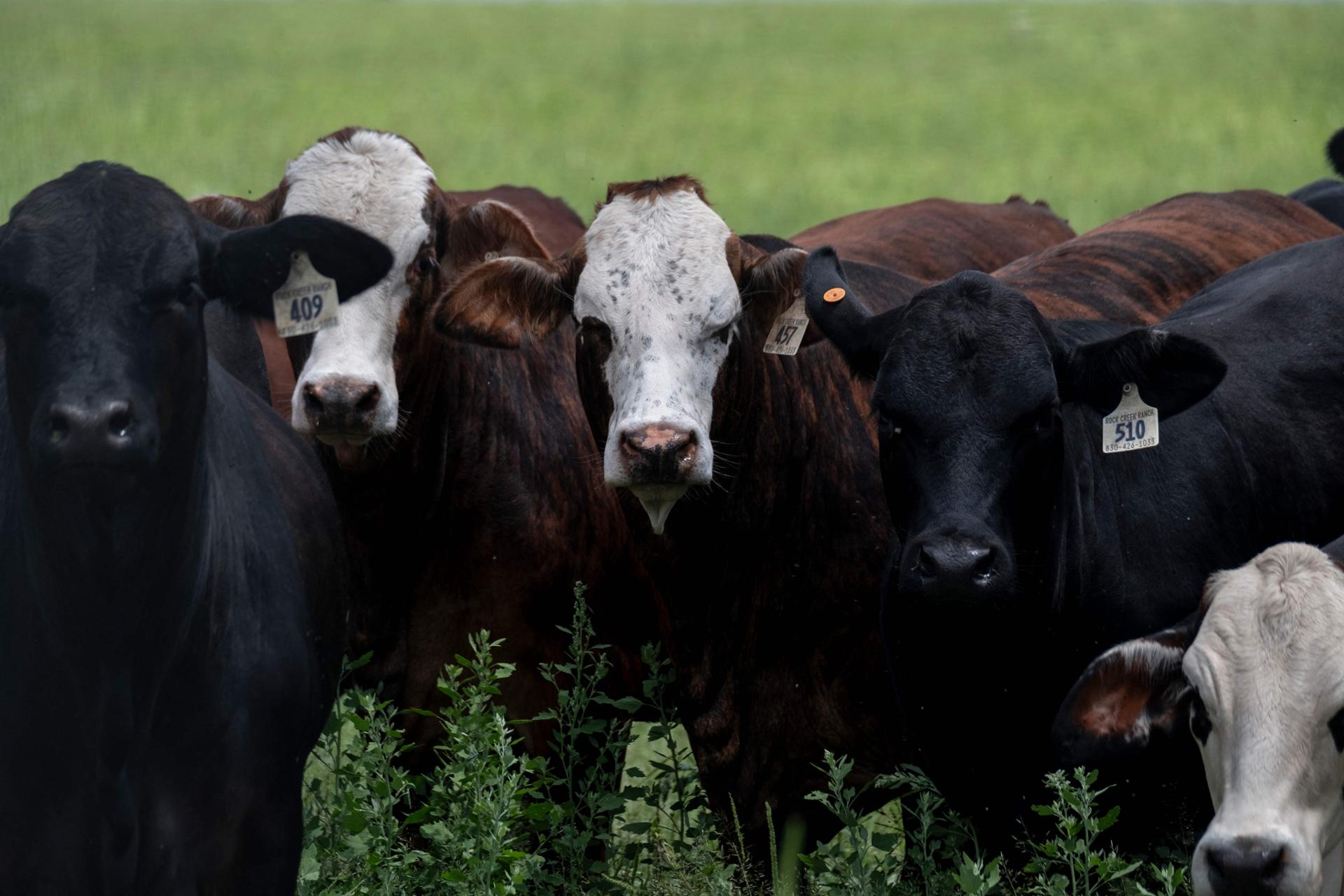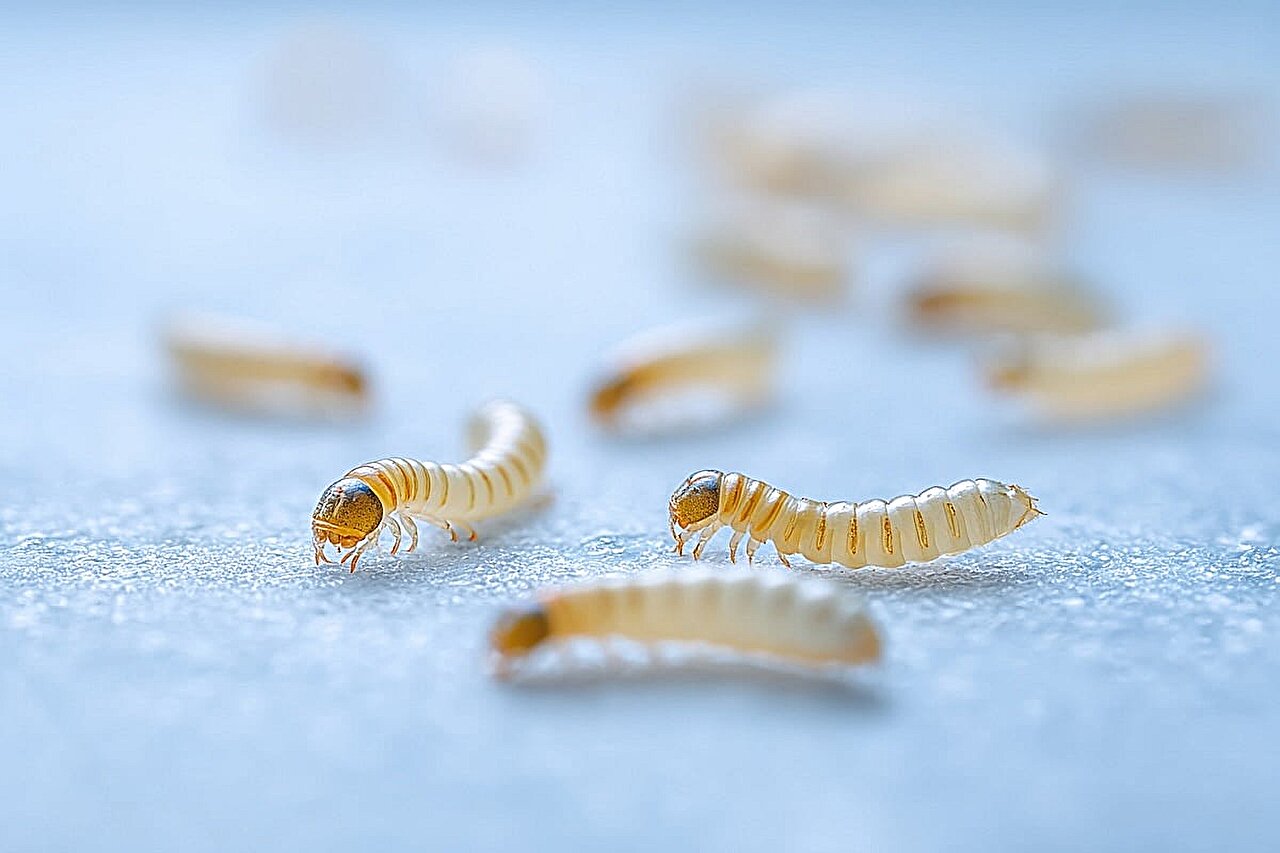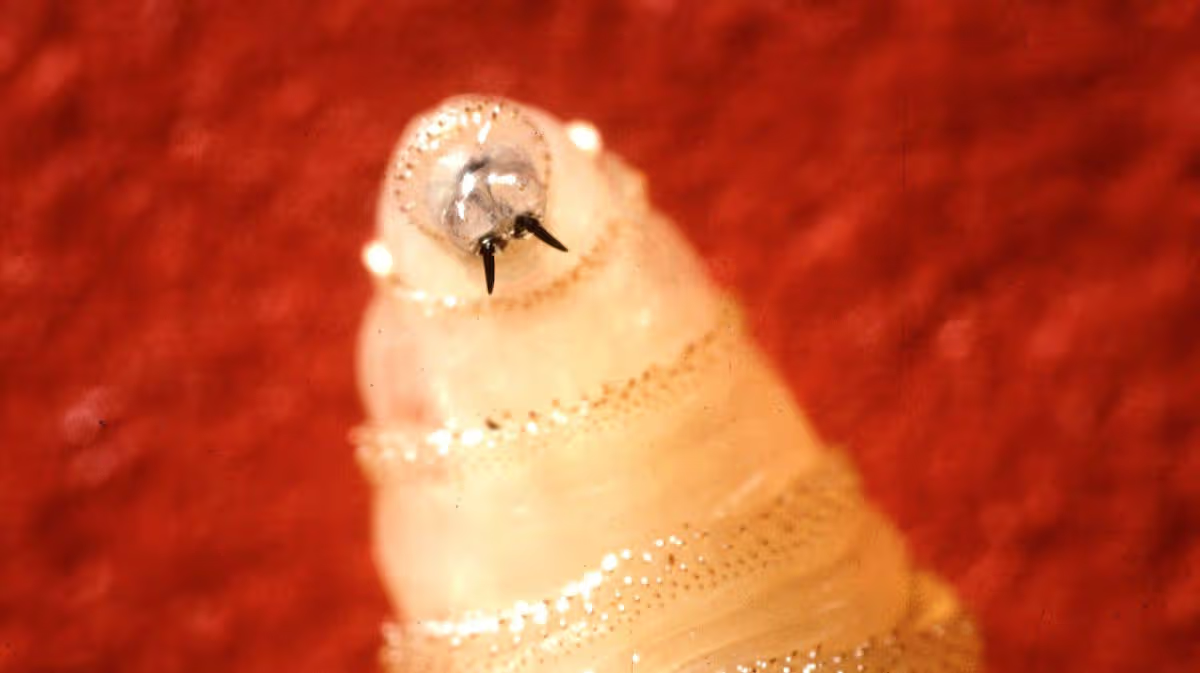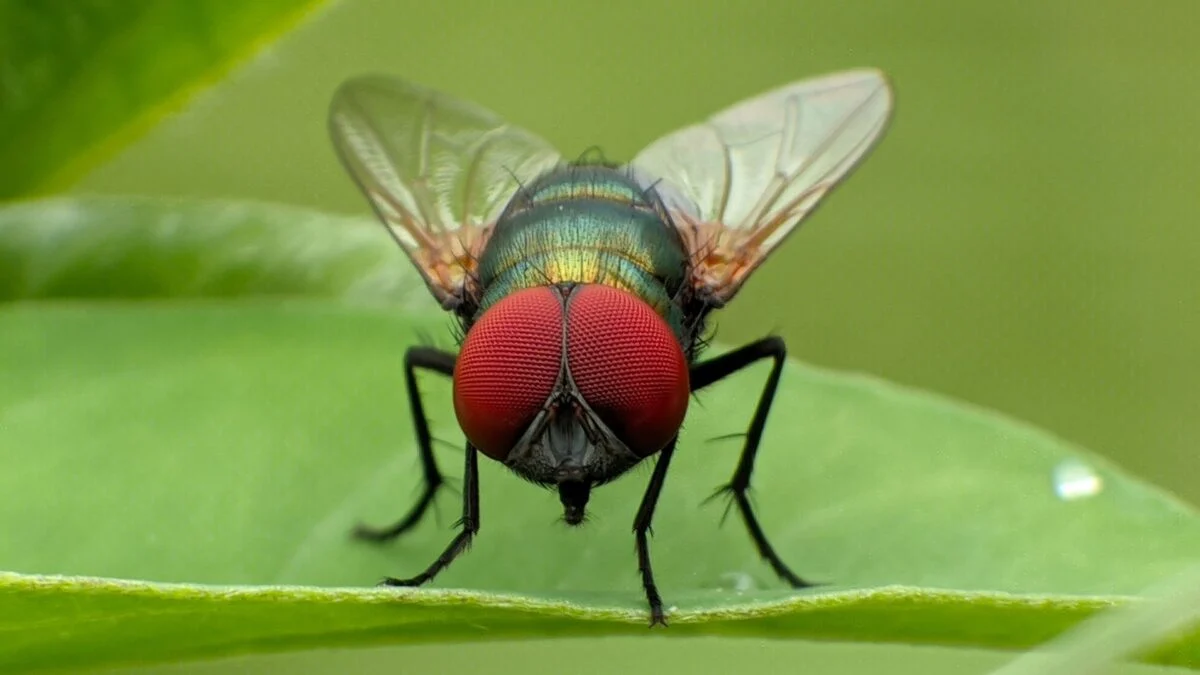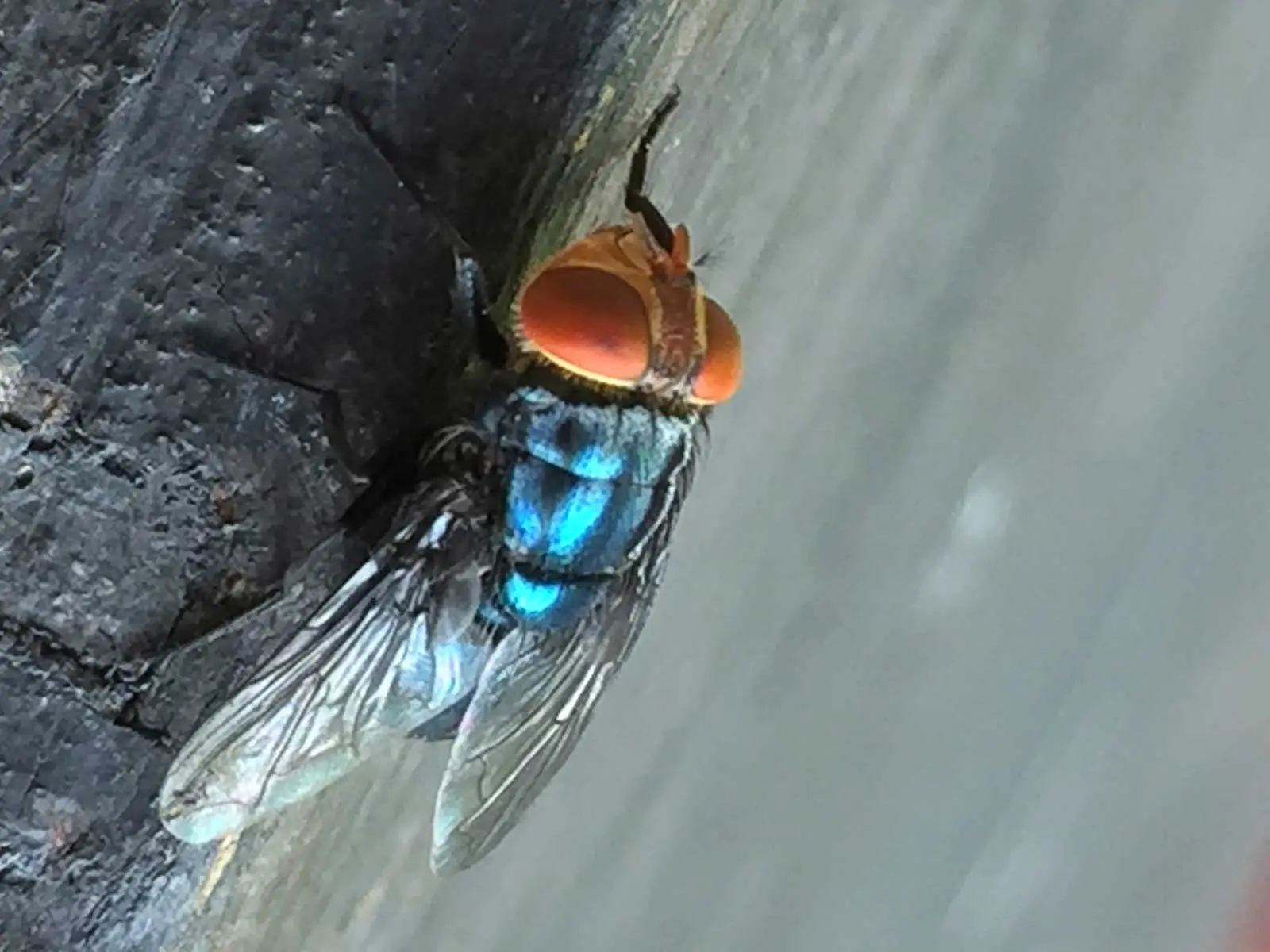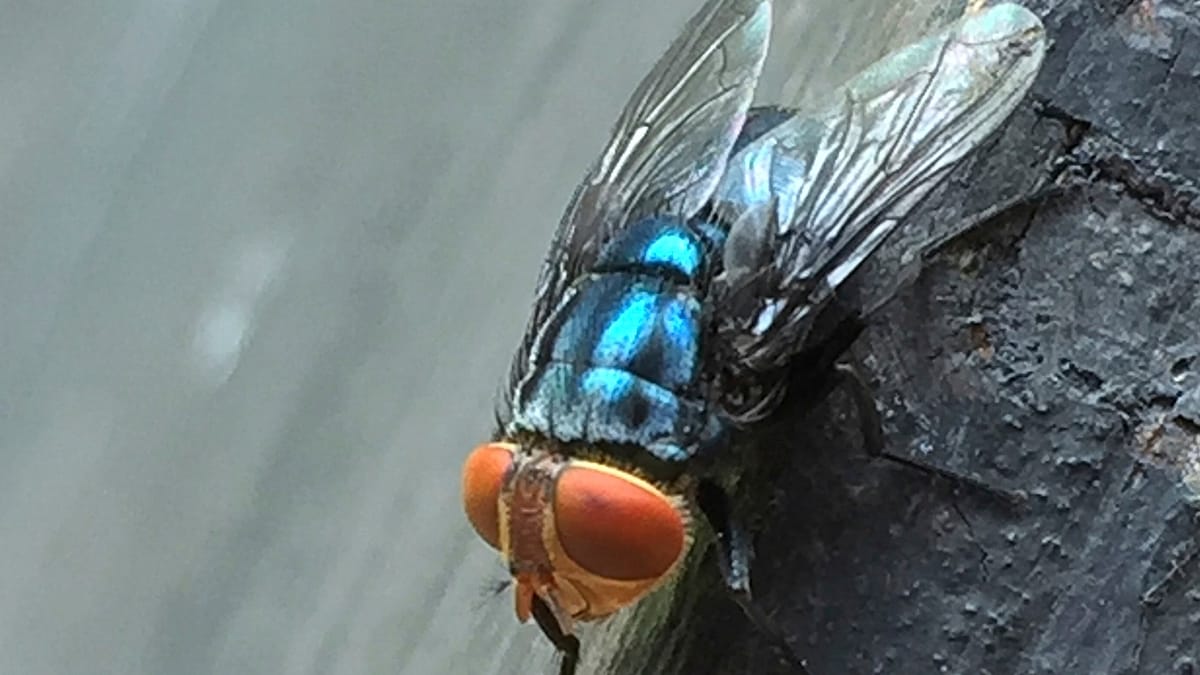
For nearly six decades, the eradication of the New World screwworm fly — a flesh-eating parasite that attacks livestock, wildlife, pets, and in rare cases, humans — was considered one of America’s greatest agricultural feats. Through cutting-edge scientific innovation, the United States eliminated a parasite that once caused devastating losses for livestock producers and consumers alike. The achievement became a reminder of what was possible when threats to our agriculture were taken seriously.Today, despite decades of scientific progress, the threat is back. After steadily advancing north through Central America and Mexico for years, the screwworm has been detected once again in Texas and New Mexico. While I have welcomed recent actions to strengthen our southern border, I have to ask why those efforts didn’t extend to biological security threats. Why did we wait for the screwworm to come through our doorstep to have a serious conversation? Border security is about more than people and products — it’s about securing the U.S.’s food supply.
SENATE DEMOCRATS PUSH USDA TO BOOST EFFORTS TARGETING ‘EVOLVING’ SCREWWORM OUTBREAK
I’m not interested in partisan answers. Indiana is one of the nation’s leading livestock-producing states, ranking among the top five for hogs and among the top producers of eggs, turkeys, dairy, and cattle. We’re actively threatening billions of horses, sheep, goats, wildlife, family pets, people, jobs, and dollars in my state, and likely many more around the country.