view more
A blood-feeding parasitic fly loses visual sensitivity after finding a host and permanently giving up flight, new research shows.
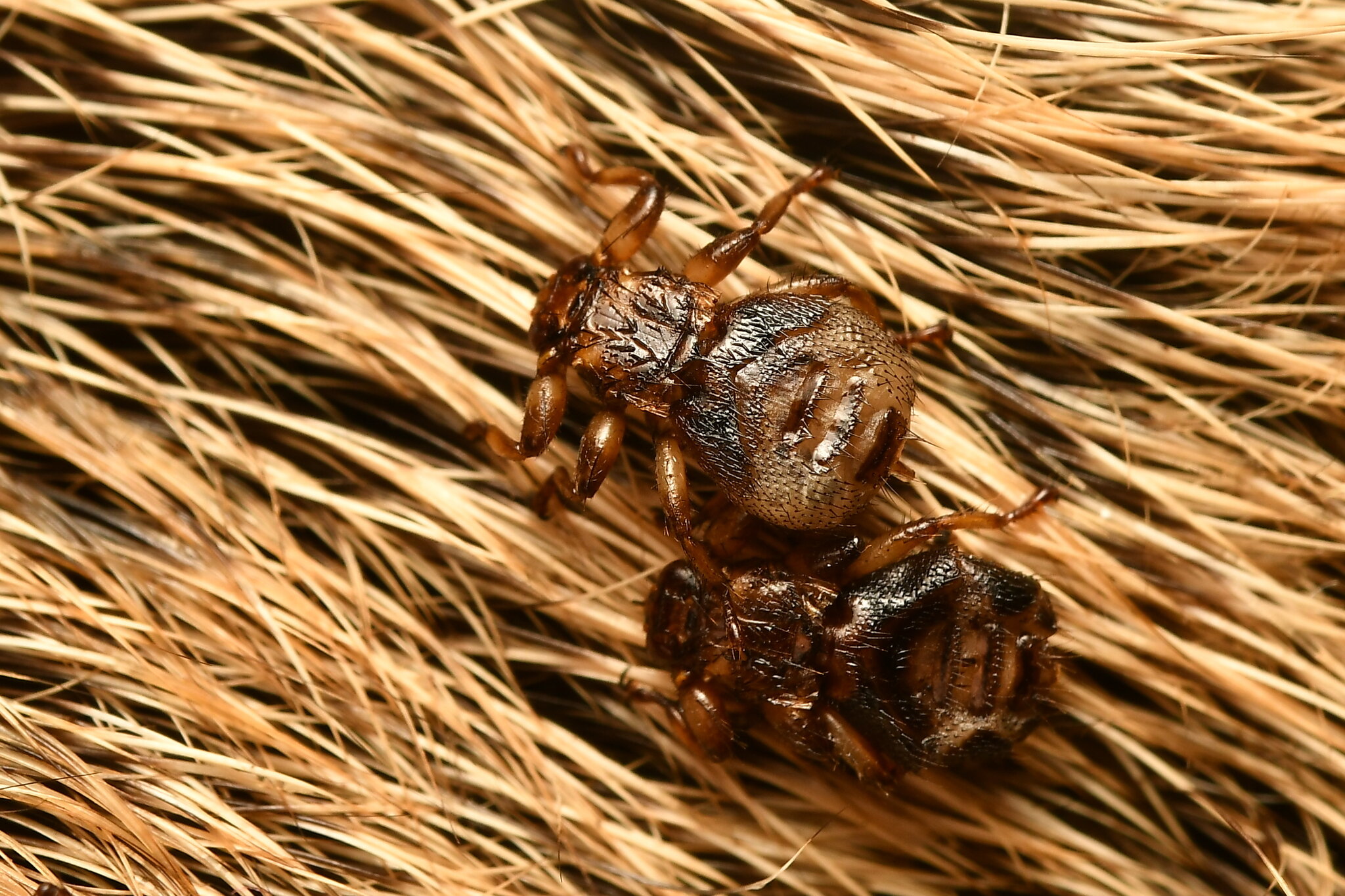
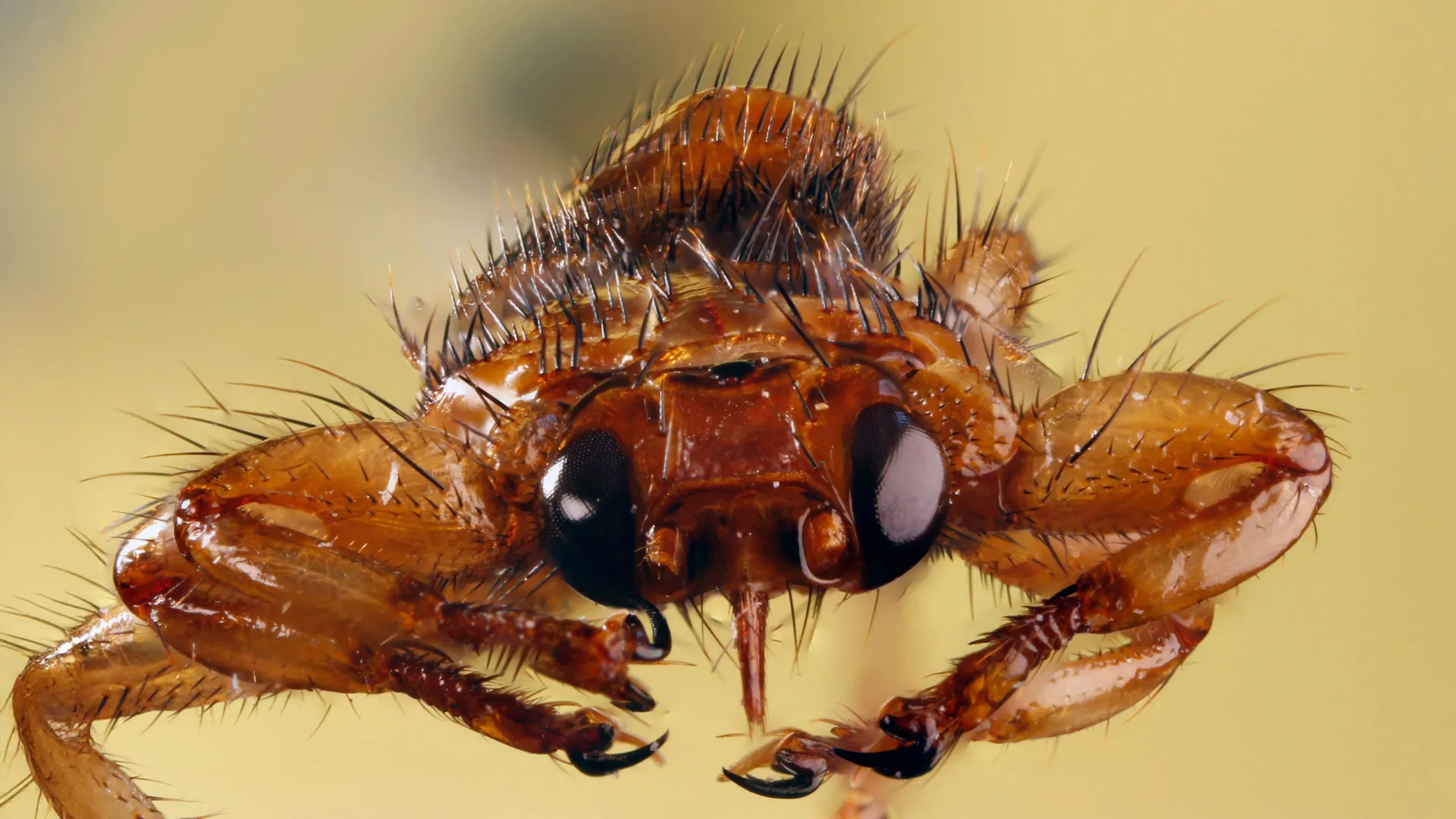
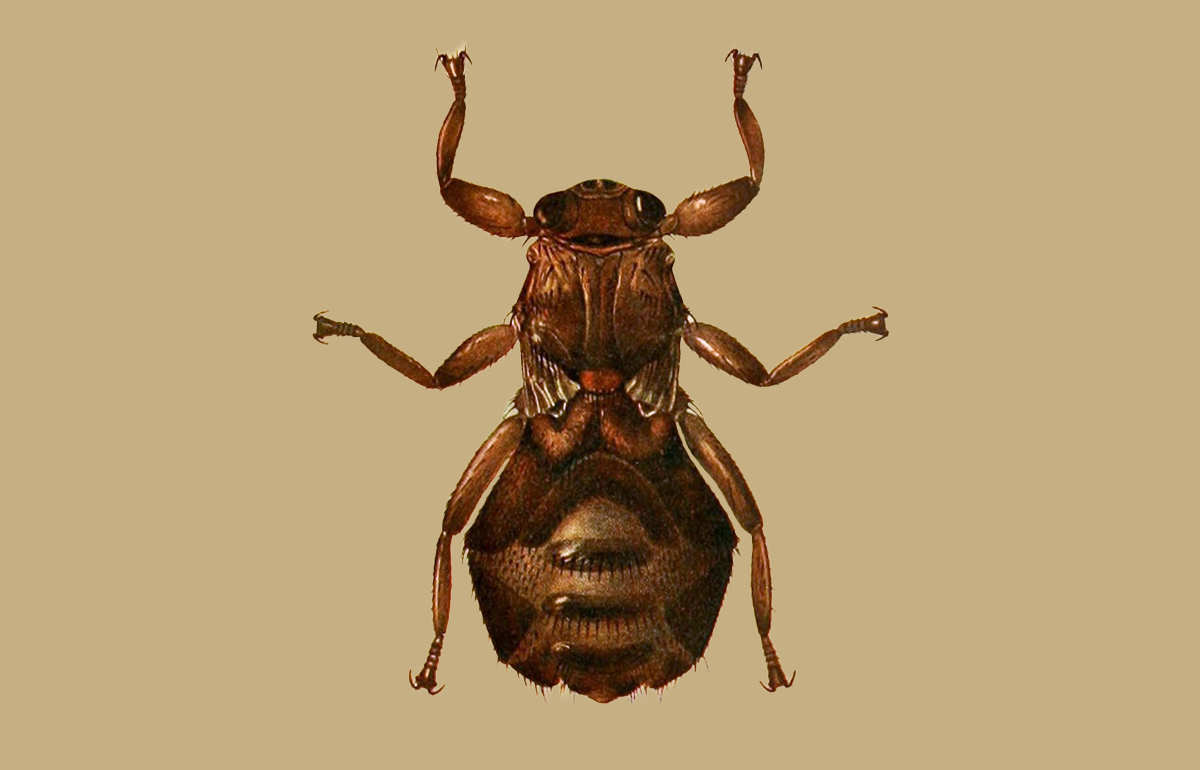
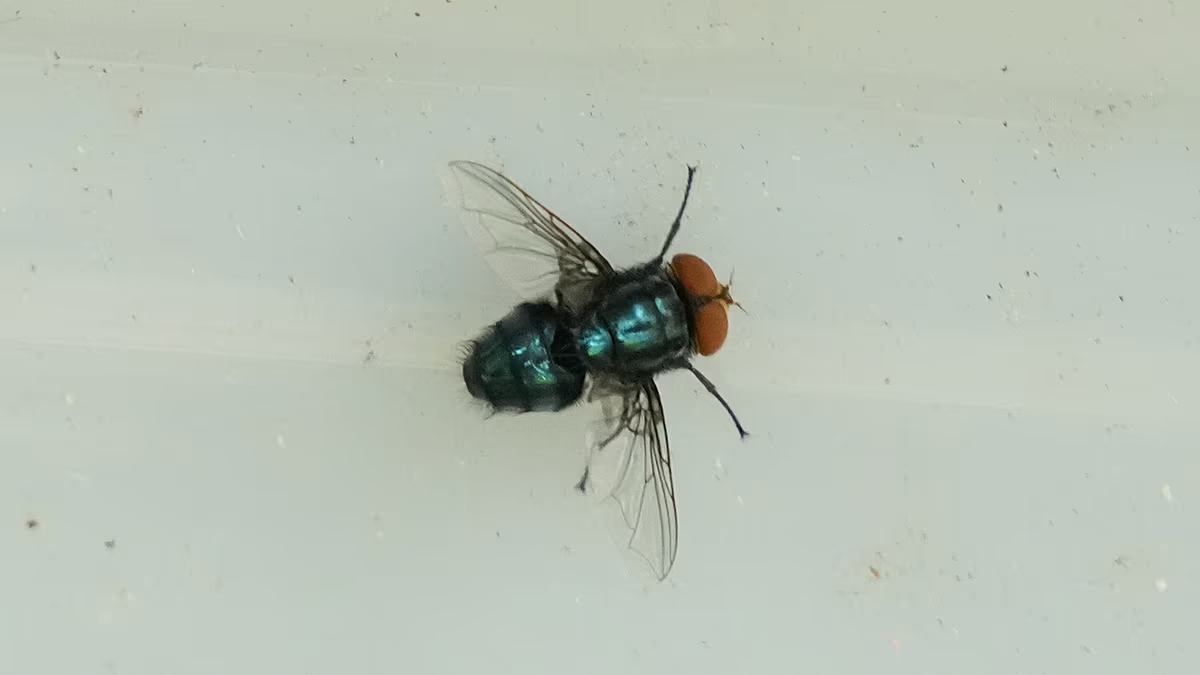
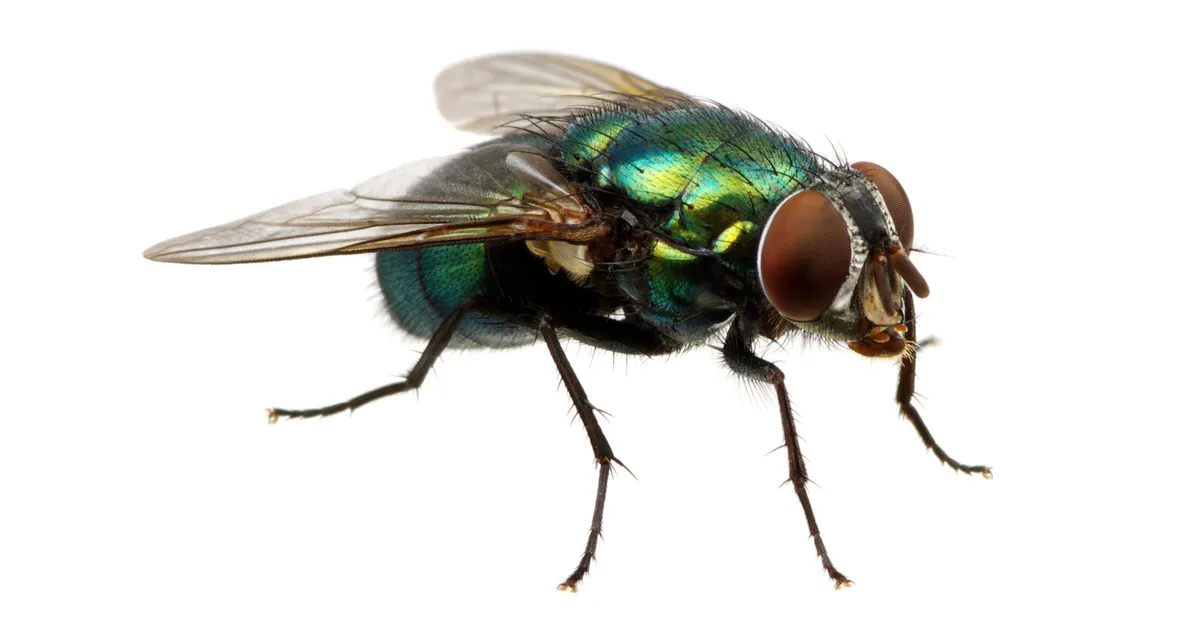
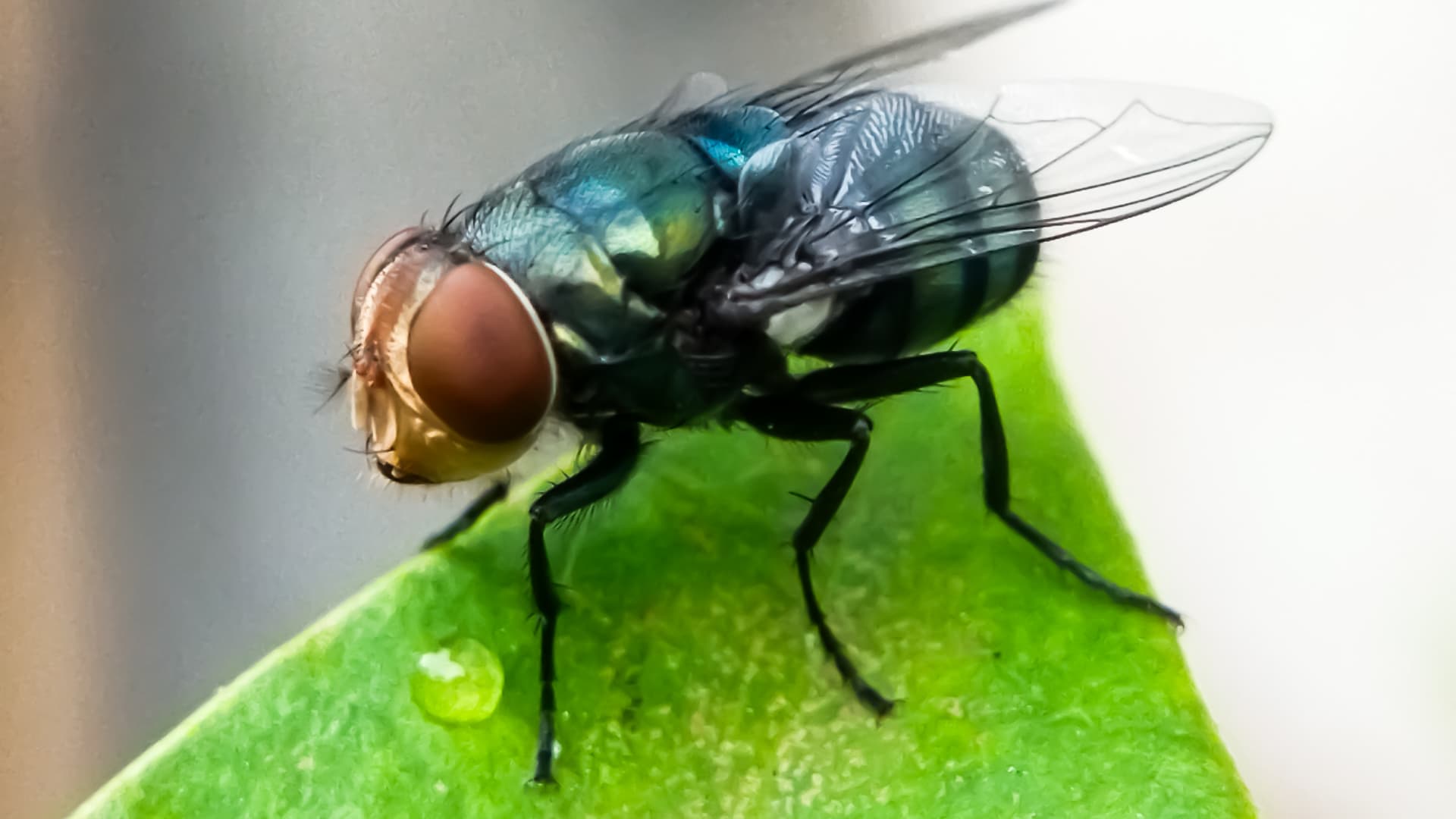
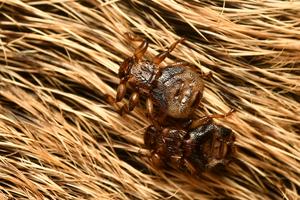
Deer keds—biting flies found across Europe, Asia, Africa and the Americas—use their eyes and flight to locate a host, typically deer, but occasionally humans or other mammals. Once they land, however, they shed their wings permanently and spend the rest of their lives crawling through fur and feeding on blood.
Researchers at Aberystwyth University and the University of Florence have now shown that this striking lifestyle shift is accompanied by a major change in the insect’s sensory priorities.
After securing a host, deer keds direct resources away from vision, potentially conserving energy for functions better suited to life as a permanent parasite.