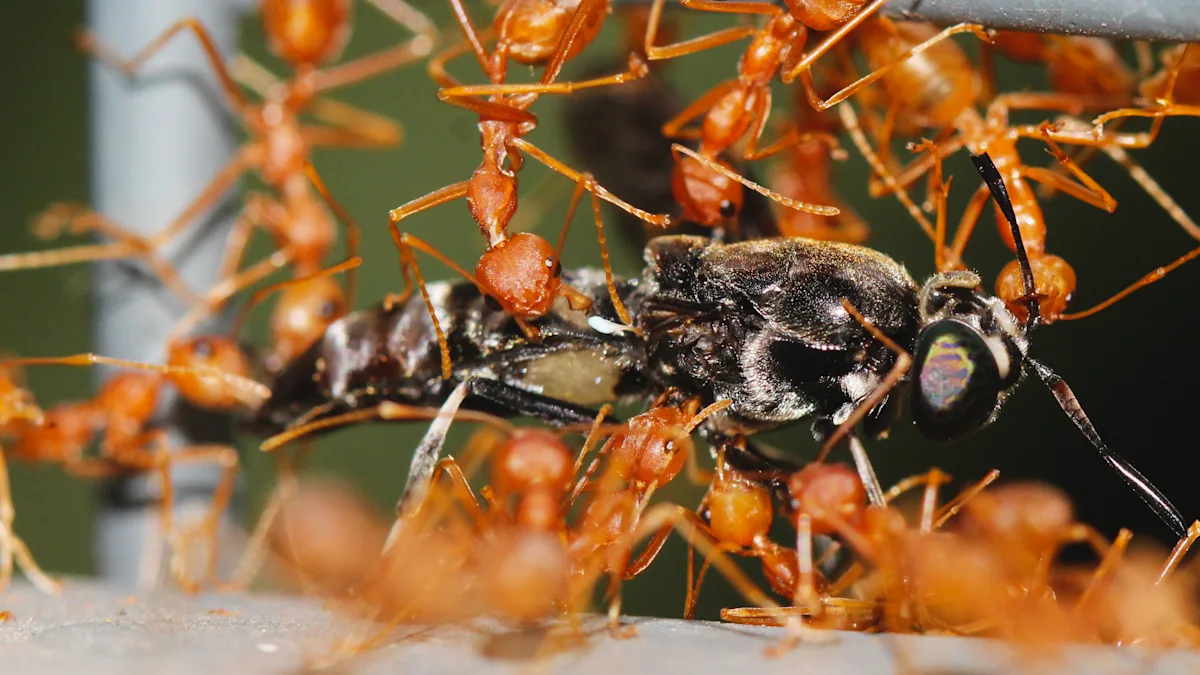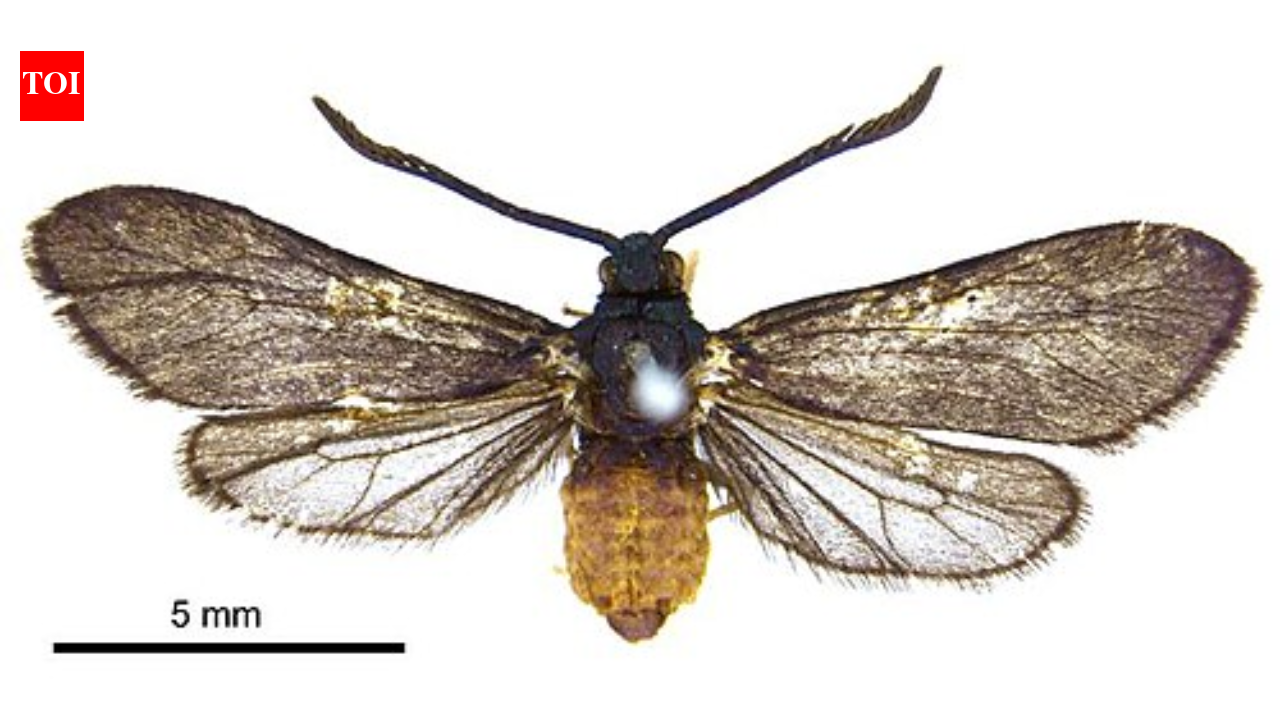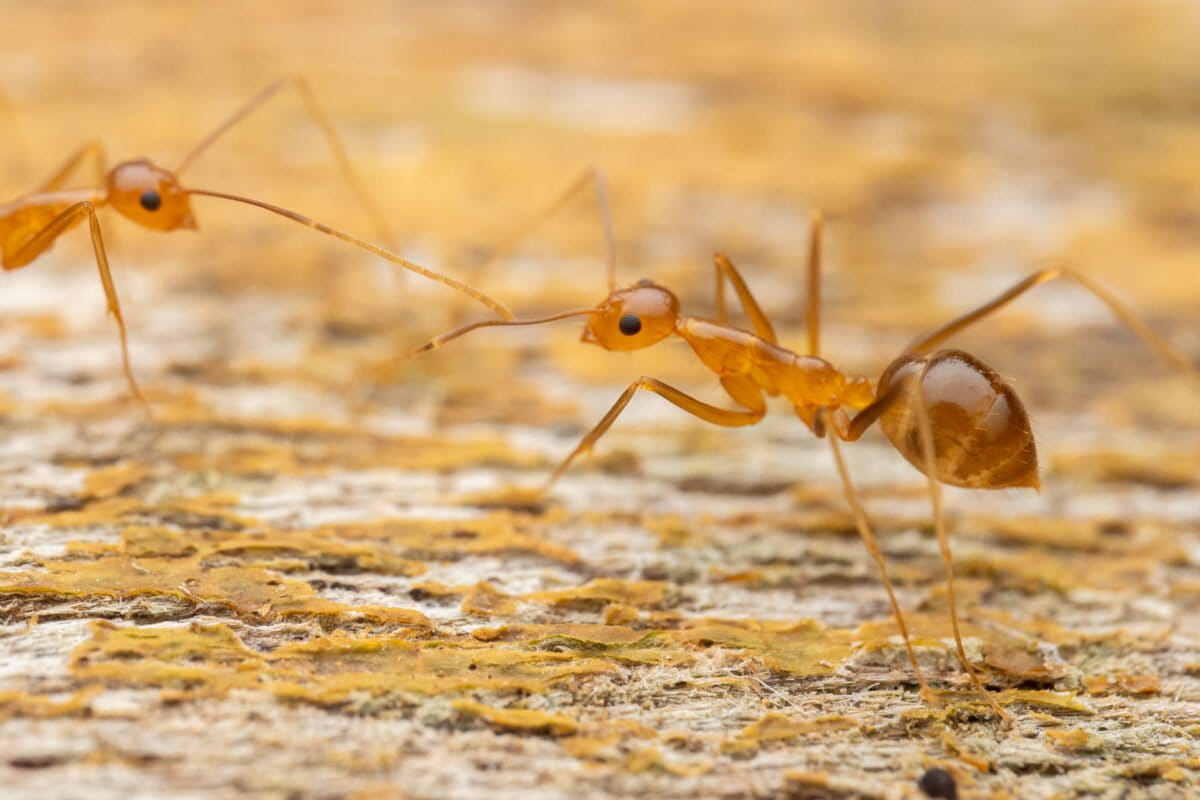
Researchers have developed a new framework for measuring the suffering caused by invasive species, which they hope will complement the existing global standard for assessing these species’ impact on native biodiversity.Initial case studies from around the world assessed by the Animal Welfare Impact Classification for Invasion Science (AWICIS) suggest that the suffering caused by invasive ants and flies has been systematically overlooked. Focusing on welfare impacts also challenges conservationists to consider how management might harm invasives themselves.Results from AWICIS were, however, skewed by a relative lack of research describing invasive welfare impacts in lower-income countries. Its authors hope AWICIS’ adoption will encourage conservationists to record suffering more regularly and systematically.
Avian vampire flies (Philornis downsi) were not discovered in the Galápagos Islands for almost three decades after they were thought to have arrived from mainland Ecuador in the 1960s. Even then, the first were found by accident.
Birgit Fessl, a landbird ecologist, was surveying for native species on the island of Santa Cruz in 1997 when she reached into the branches of a tree to take down the huge, domed nest of a woodpecker finch. Inside was a surprise. “We found one dying chick, another dead one which just looked sucked dry and 20 large maggots full of blood,” said Fessl, who now leads the Charles Darwin Foundation’s Landbird Conservation program.