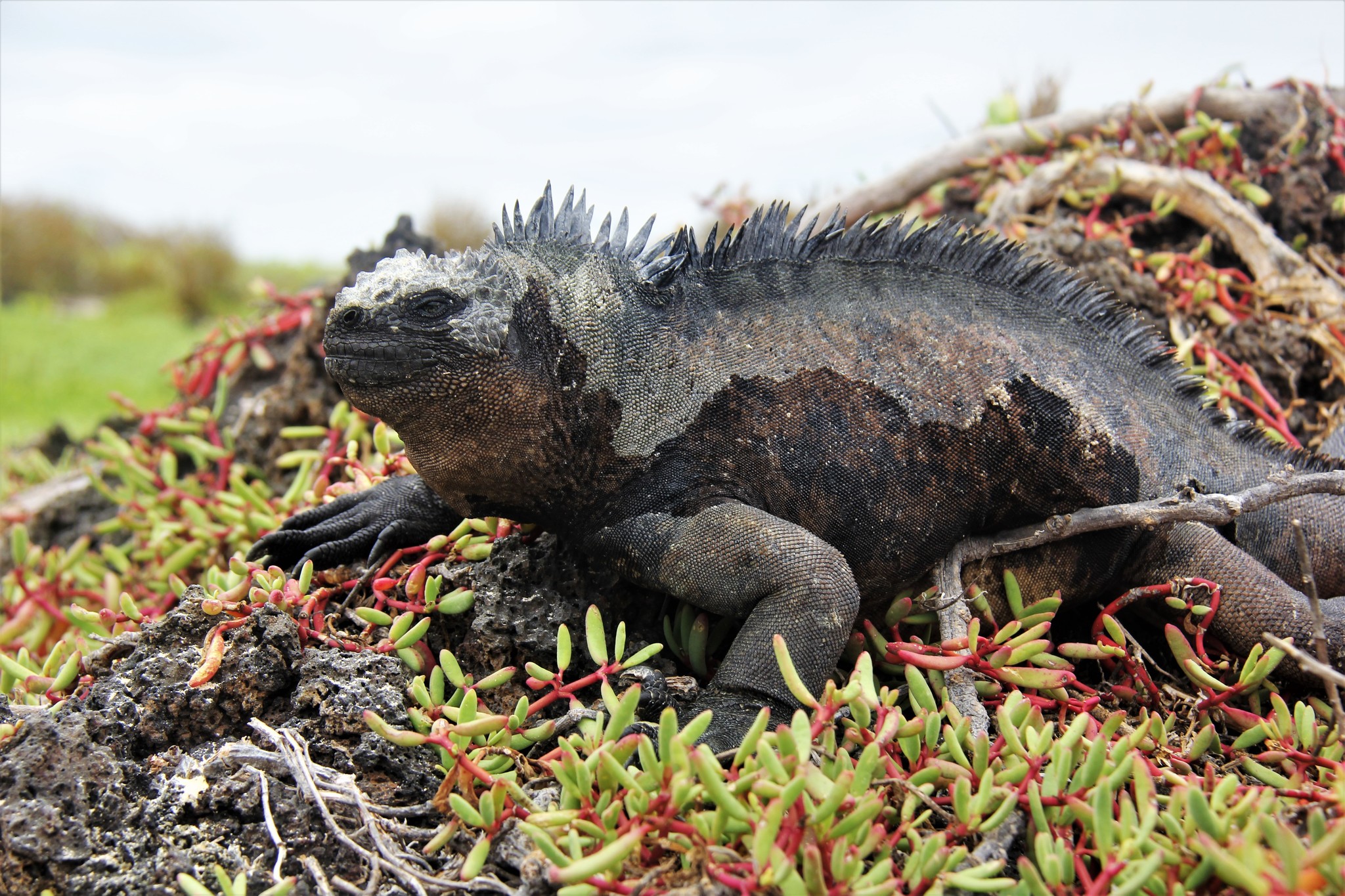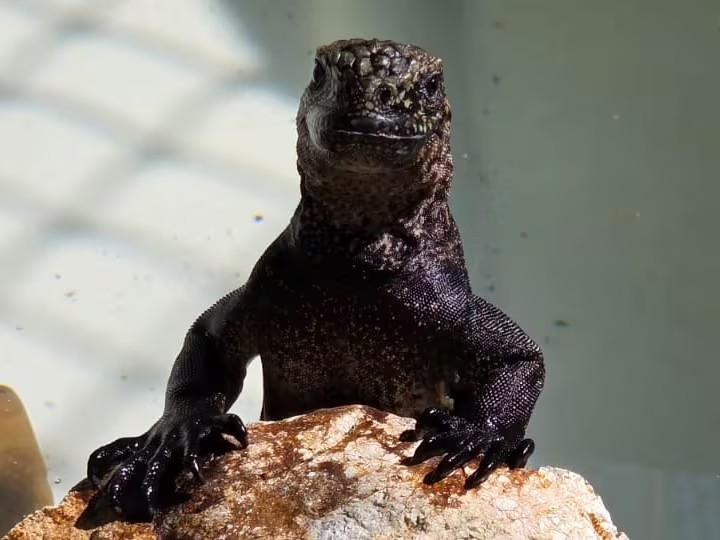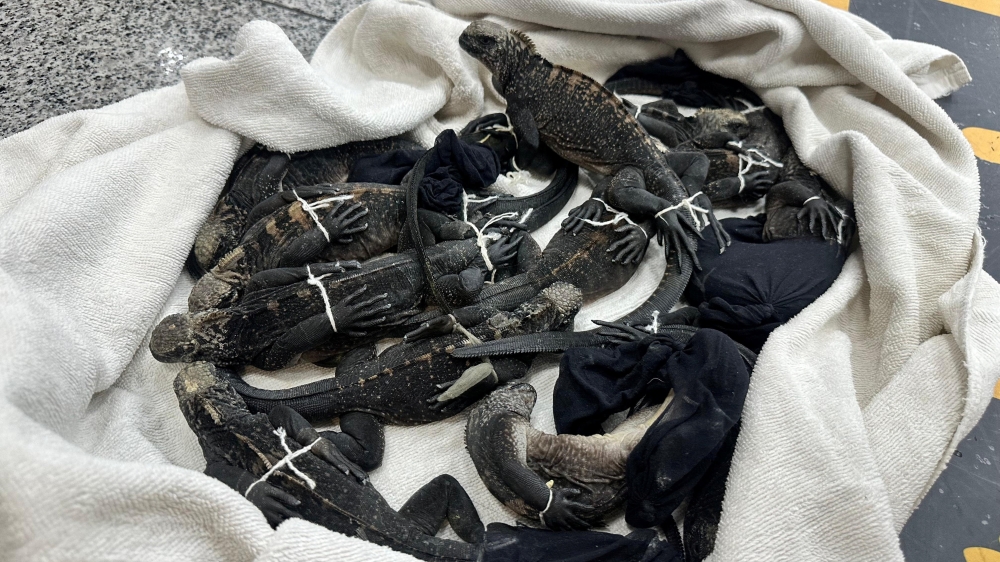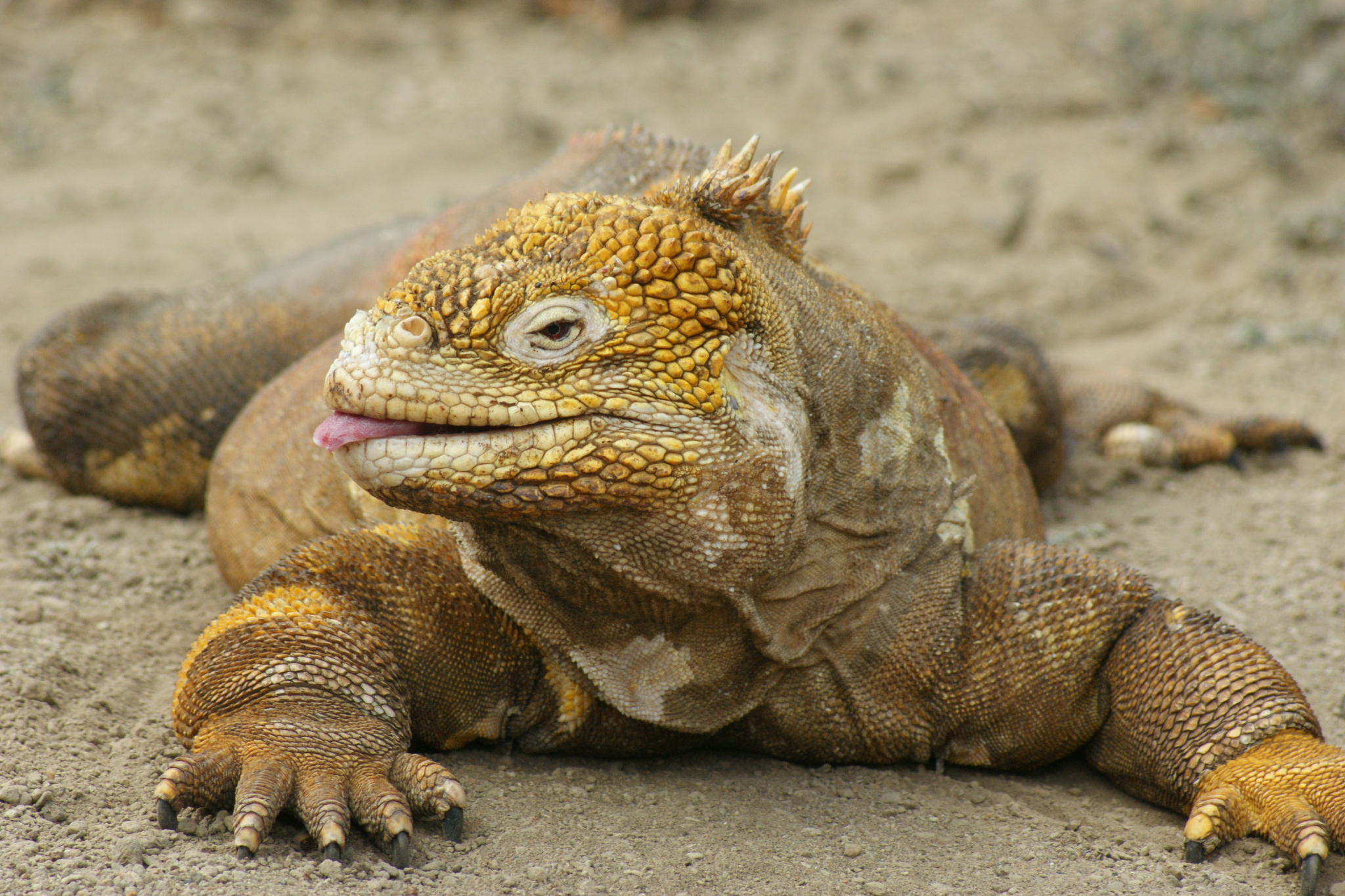
The mega-diverse Galápagos archipelago is home to more than 9,000 species, most of them endemic, including four species of threatened iguanas.A new study has uncovered how traffickers obtain valid CITES permits for trafficked animals — Galápagos iguanas in this case — and trade them legally, highlighting the role of national CITES authorities in enabling illegal wildlife trade.The study identifies a transnational trafficking network of Galápagos iguanas, with Uganda being a hub for the “legal” trade and raises questions on the origins of these animals.Conservationists urge all CITES parties to exercise caution when issuing future permits for endemic species and to consult with countries where they are native. They also recommend canceling all previously issued export permits for Galápagos iguanas and refraining from issuing future export permits.
In 2013, when Sandra Altherr, co-founder of the German NGO Pro Wildlife, began looking into the reptile trade in Europe, she wondered why people paid thousands of euros for little-known reptiles whose trade wasn’t regulated by CITES, the international agreement on wildlife trade. On investigating further, she found many of the expensive reptiles sold were protected in the countries of their origin. While they were illegal to trade in their range countries, they could still be smuggled out and sold internationally, thanks to regulatory loopholes in EU wildlife trade regulations.