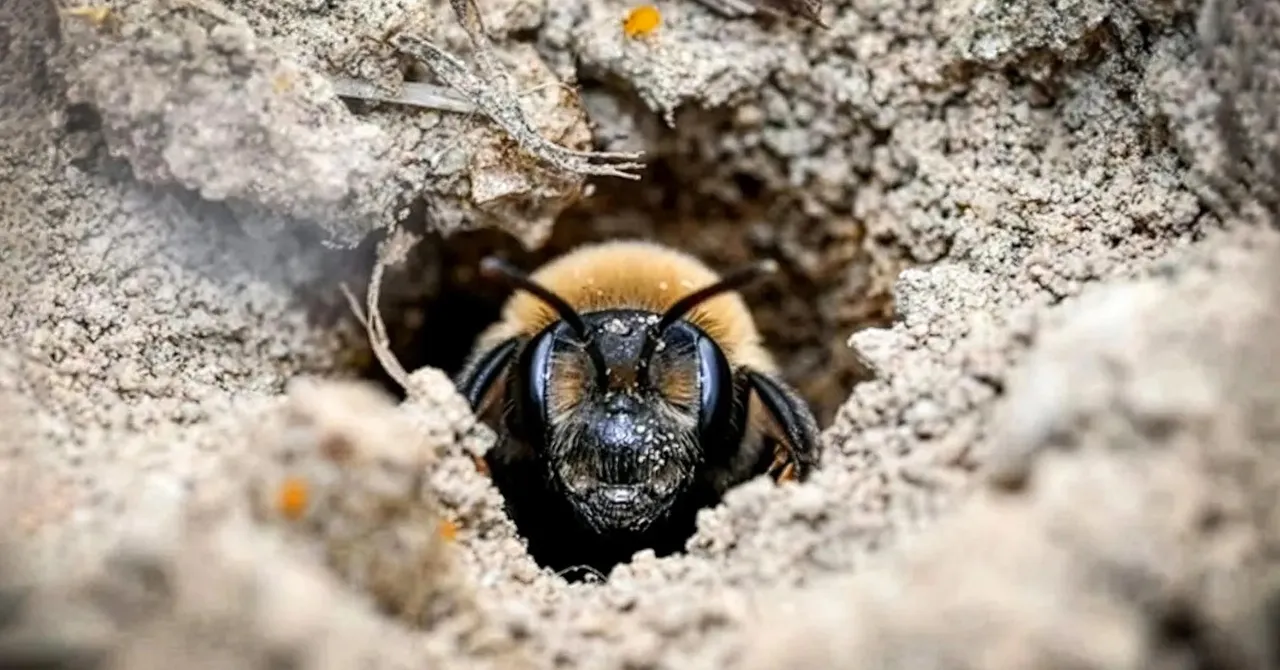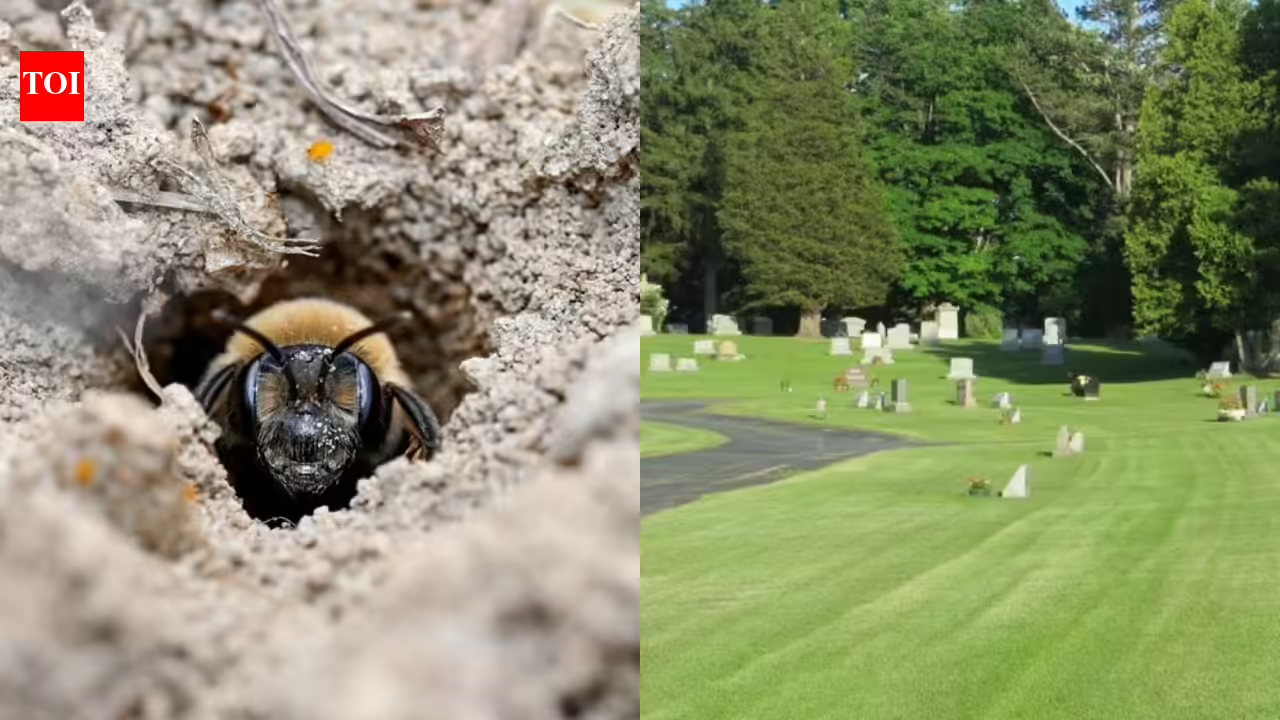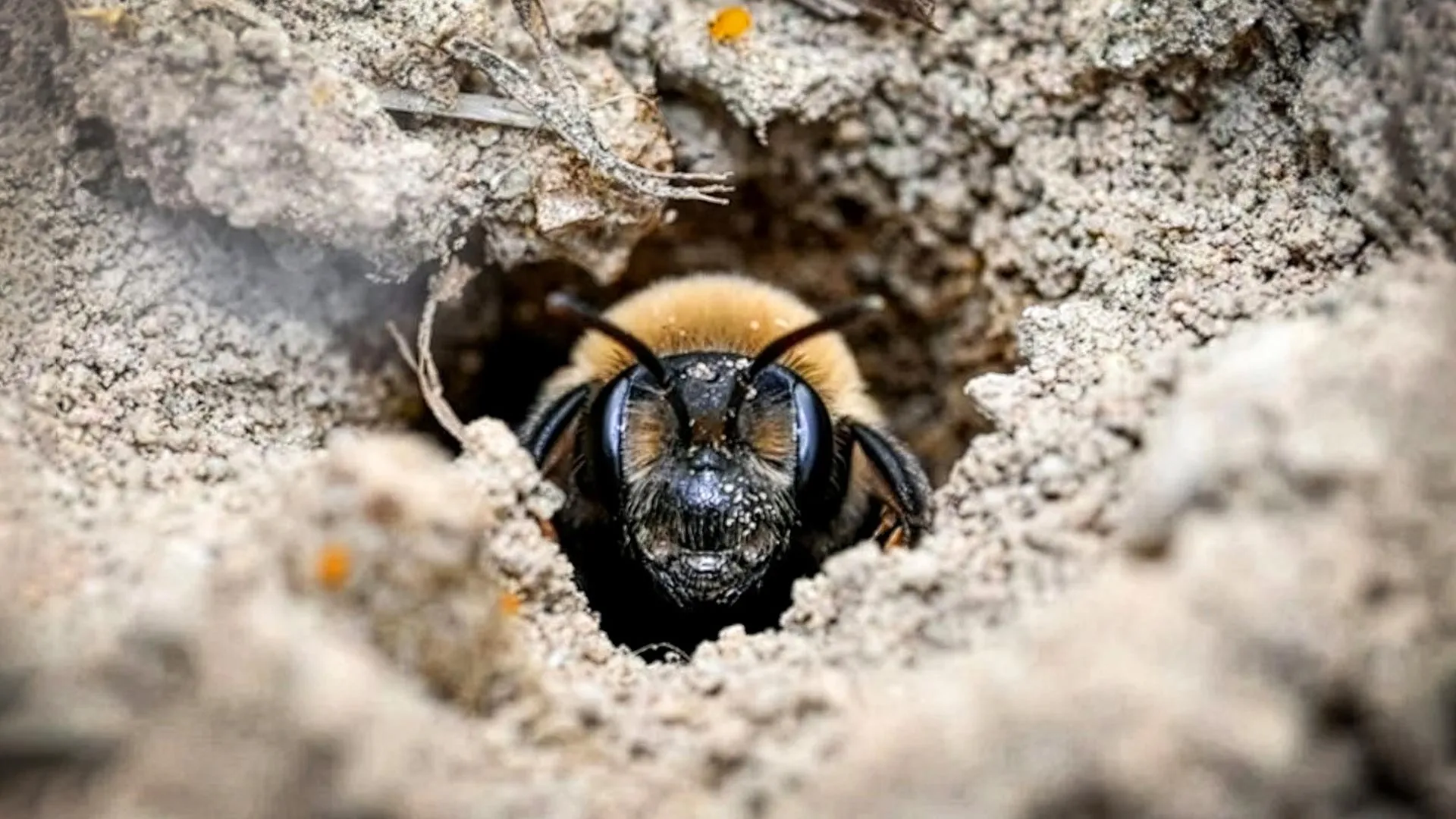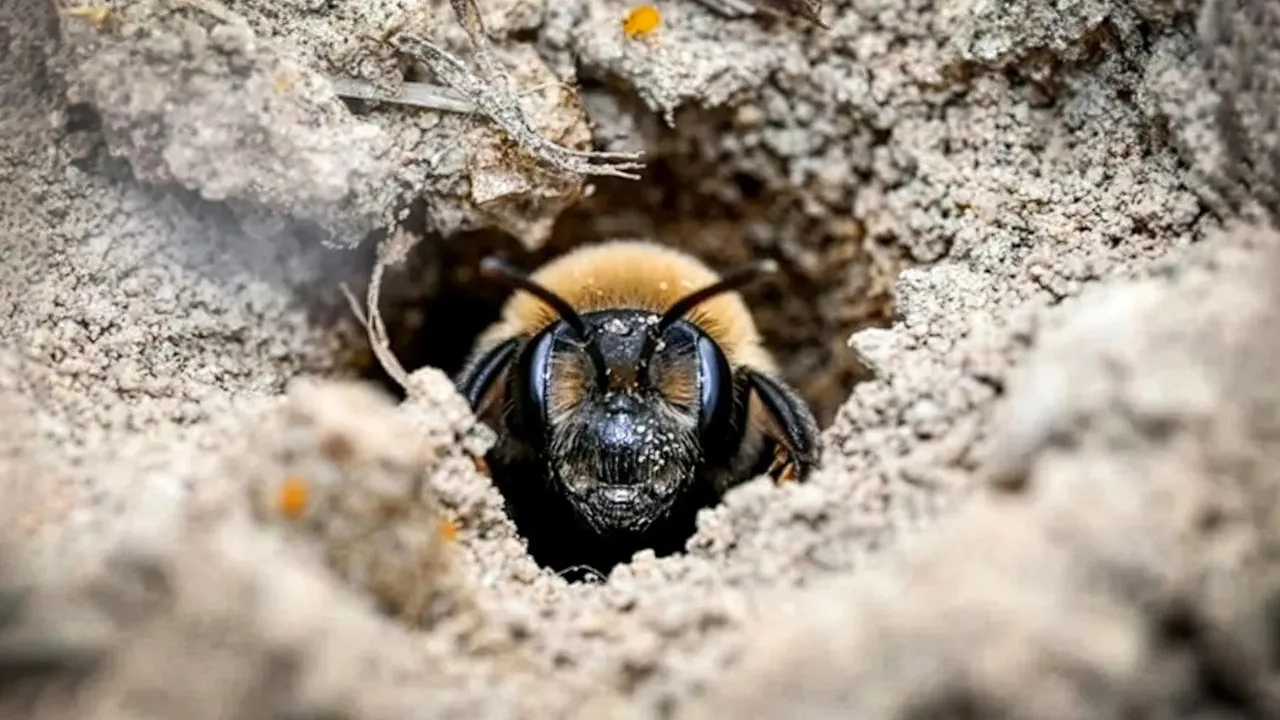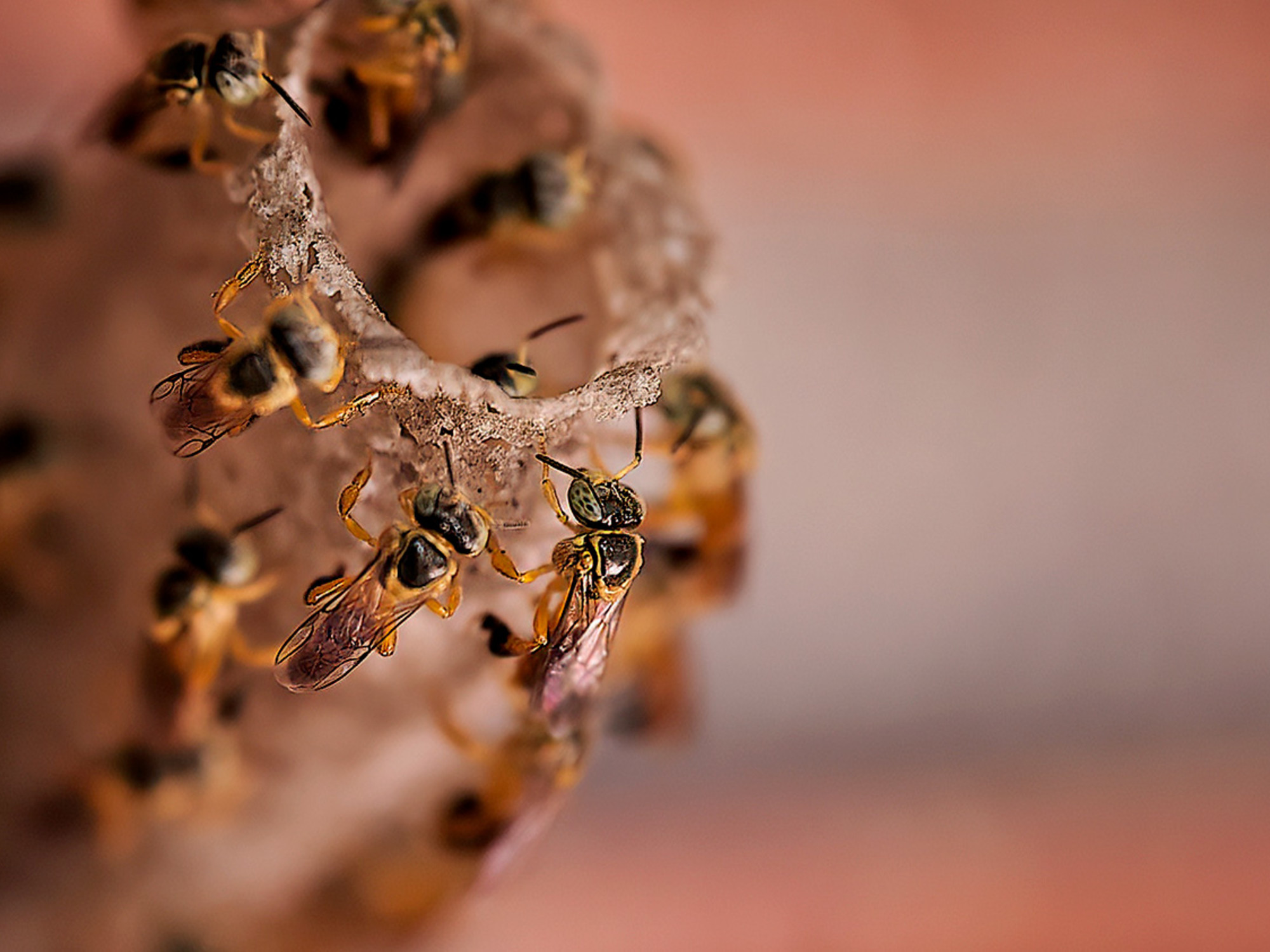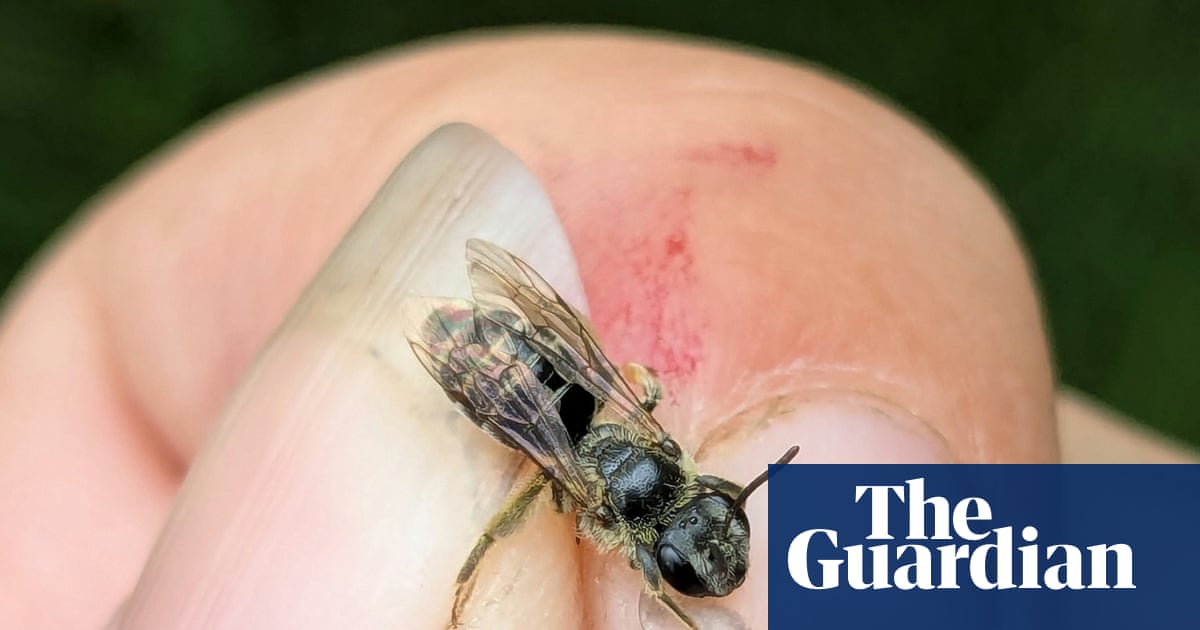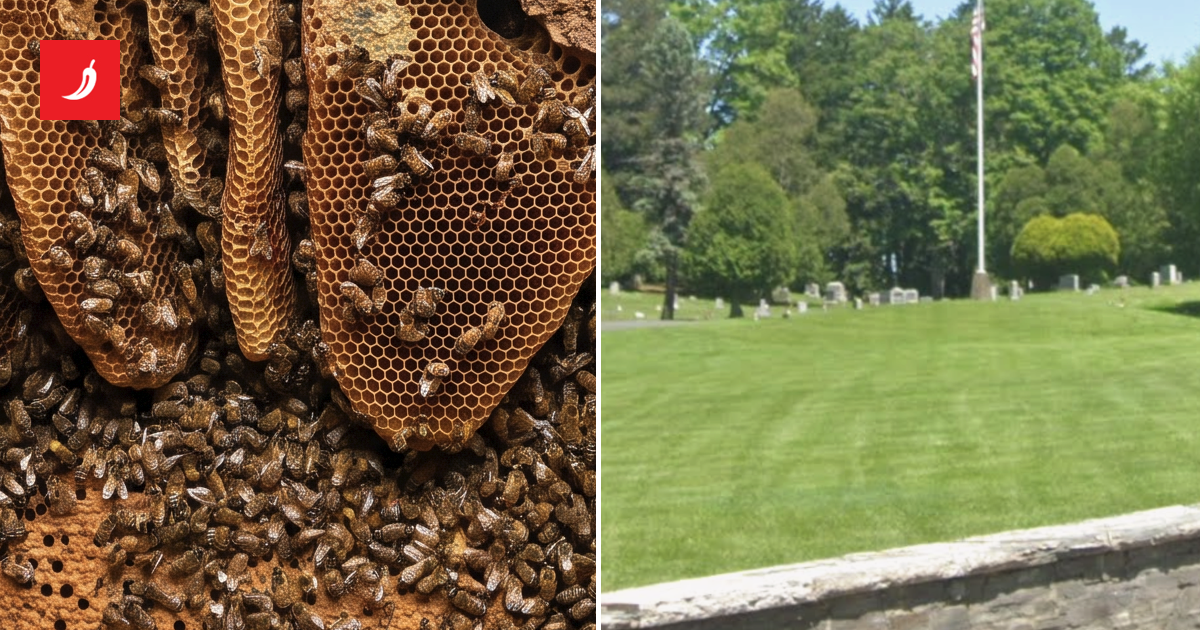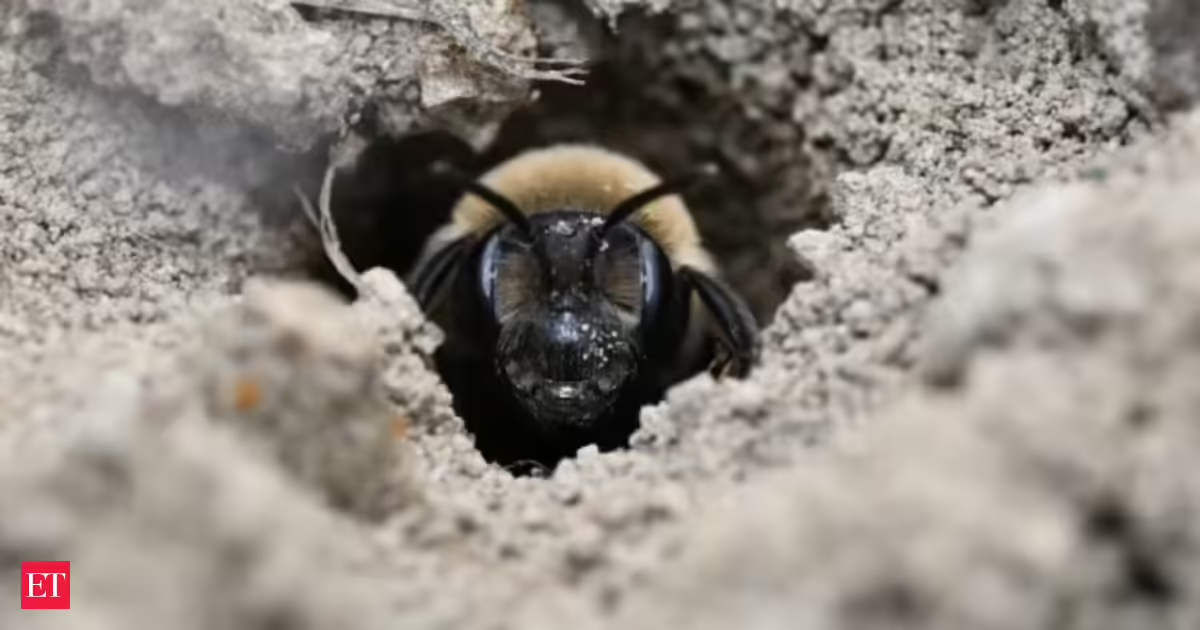
A cemetery in upstate New York may be hiding one of the largest bee populations ever recorded. According to a study published in Apidologie, millions of solitary ground-nesting bees have been thriving beneath the East Lawn Cemetery in Ithaca, New York, largely unnoticed for decades. Researchers from Cornell University estimate that between 3.1 million and 8 million Andrena regularis bees emerged from the site during a single spring season, with an average population of about 5.6 million bees."Our study documents one of the largest, and possibly oldest, nesting aggregations of solitary bees ever recorded," the team of researchers from Cornell University wrote.A hidden city beneath the grassThe star of the study is Andrena regularis, a solitary bee species native to parts of Canada and the northern United States. Unlike honey bees, these insects do not live in hives or colonies. Each female constructs her own underground nest and raises offspring independently.To investigate the population, scientists placed emergence traps across a section of the cemetery before the bees appeared in spring. Over 48 days, they collected more than 3,200 insects representing 16 different species. The results were staggering.The researchers calculated the density of emerging bees and extrapolated across the nesting area and estimated an average population of 5.56 million bees, with some calculations suggesting the true number could be even higher.The nesting site covers roughly 6,500 square meters, hidden in a partially shaded and regularly mowed lawn.Bigger than hundreds of honey bee coloniesThe scale of the discovery surprised even experienced bee researchers. "Assuming a typical honey bee colony includes 20,000 to 40,000 workers, our mean value would be equivalent to 140 to 270 honey bee hives," the authors noted.For comparison, commercial apple orchards in New York often rely on just two or three honey bee colonies per hectare for pollination services.The cemetery may have protected them for nearly a centuryHistorical records suggest the bees have occupied the cemetery for a very long time. Researchers found records of Andrena regularis being collected at East Lawn Cemetery as early as 1935. Since the cemetery itself was established in 1878, the nesting aggregation could potentially be decades older.Although scientists cannot determine exactly how long the bees have occupied the site, they believe it may represent one of the oldest continuously used nesting locations ever identified for a solitary bee species.Tiny parasites live alongside the beesThe study also revealed a complex ecosystem of parasites and other insects that depend on the bee population. The most common parasite was a cuckoo bee known as Nomada imbricata. Instead of building nests or gathering pollen, female cuckoo bees lay eggs inside the nests of other bees, allowing their offspring to exploit the host's food resources.Despite the enormous bee population, parasitism rates were surprisingly low. Only about 1.4 percent of nests appeared to be affected by the cuckoo bee parasite or a little under 79,000. Scientists also found parasitic flies and blister beetles emerging from the site.Why the discovery mattersThe findings have implications far beyond one cemetery. Andrena regularis is considered an important pollinator of apples, blueberries, and other flowering plants. The researchers noted that a nearby Cornell University apple orchard, located just 600 meters from the cemetery, hosts large numbers of these bees during bloom season."The ELC population is likely the most important source of pollinators for the Cornell apple orchard," the study states.Cemeteries are becoming unexpected biodiversity hotspotsBeyond the bee story, the research adds to growing evidence that cemeteries can function as important refuges for wildlife.The authors cited studies showing that burial grounds often support diverse communities of plants, birds, insects, bats, and other animals, particularly in urban areas where natural habitats are limited.As the researchers observed, East Lawn Cemetery serves as "a valuable nesting site for one of the largest nesting aggregations of economically important solitary bees ever recorded."
These bees don't live in hives, yet millions have been thriving beneath a New York cemetery for nearly 100 years alongside an intruder
Millions of solitary ground-nesting bees, estimated between 3.1 and 8 million, have been discovered thriving beneath New York's East Lawn Cemetery. This significant aggregation of Andrena regularis bees, potentially one of the oldest recorded, plays a crucial role as pollinators for local agriculture.
633 words~3 min read