Rachel Fordyce used to save money by parking at Ithaca's East Hill Plaza and walking through East Lawn Cemetery on her way to work at a Cornell University entomology lab. During one walk in the spring of 2022, she noticed something unusual. Bees were everywhere.
She collected some in a jar and brought them to her supervisor, Bryan Danforth, professor of entomology in Cornell's College of Agriculture and Life Sciences.
"These are all over the cemetery," she told him.
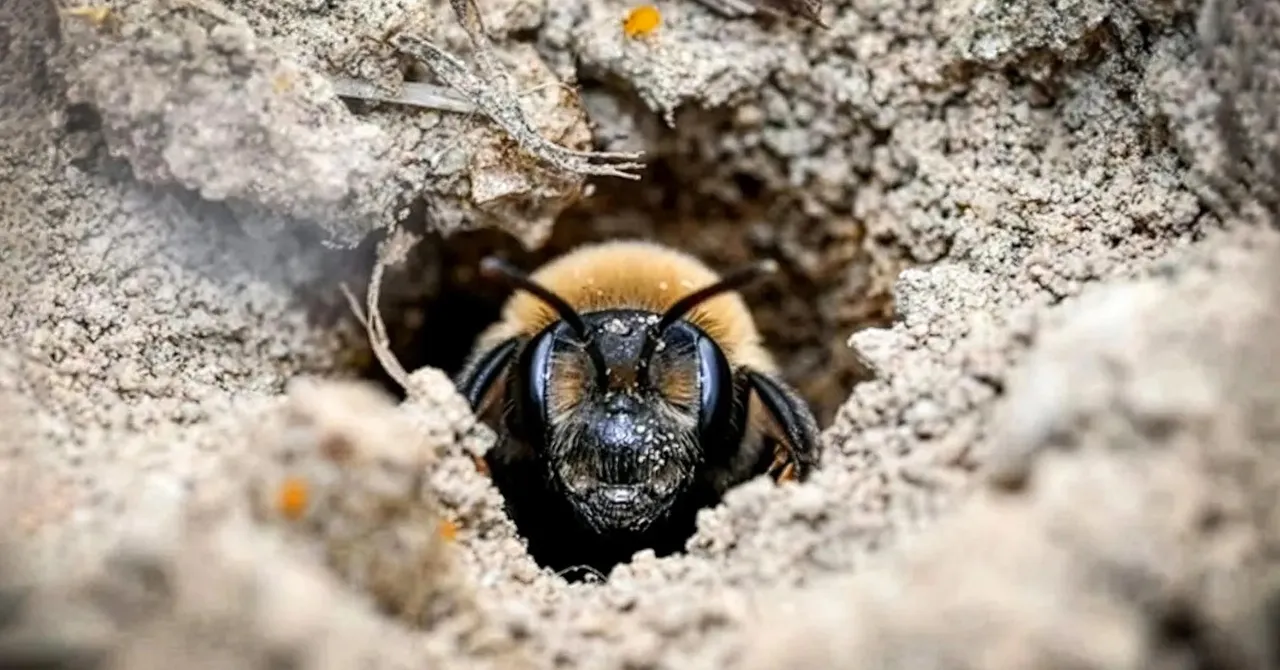
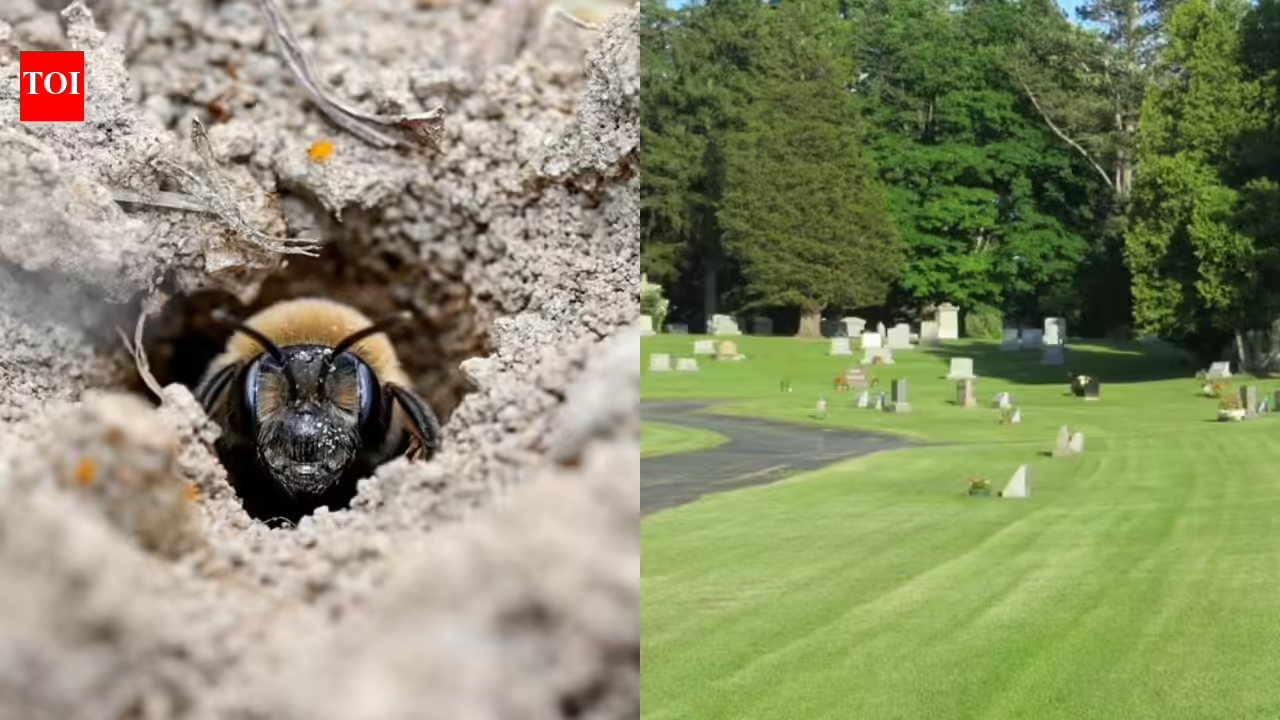
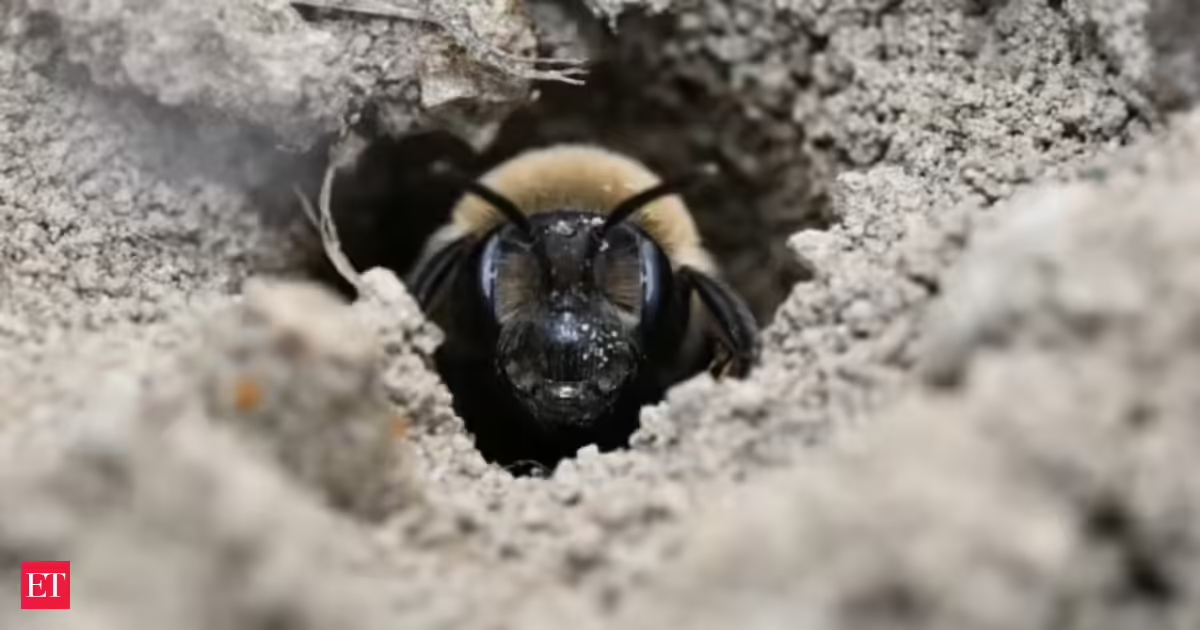
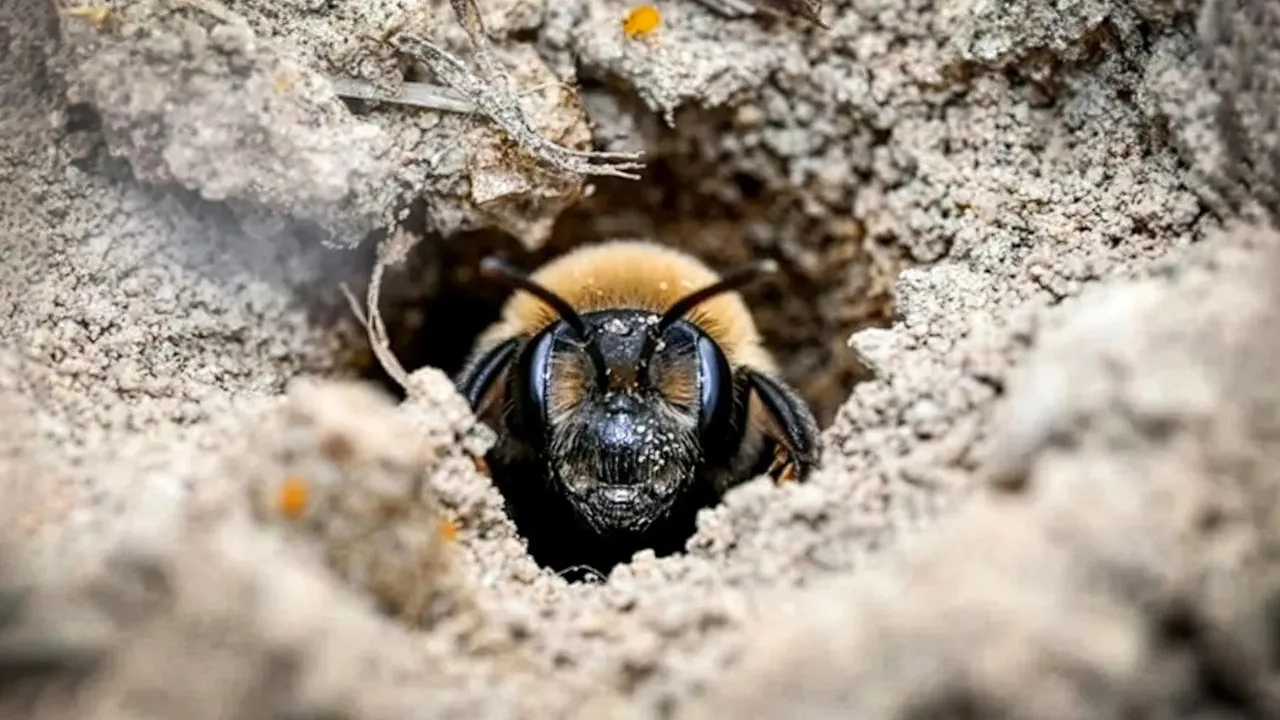
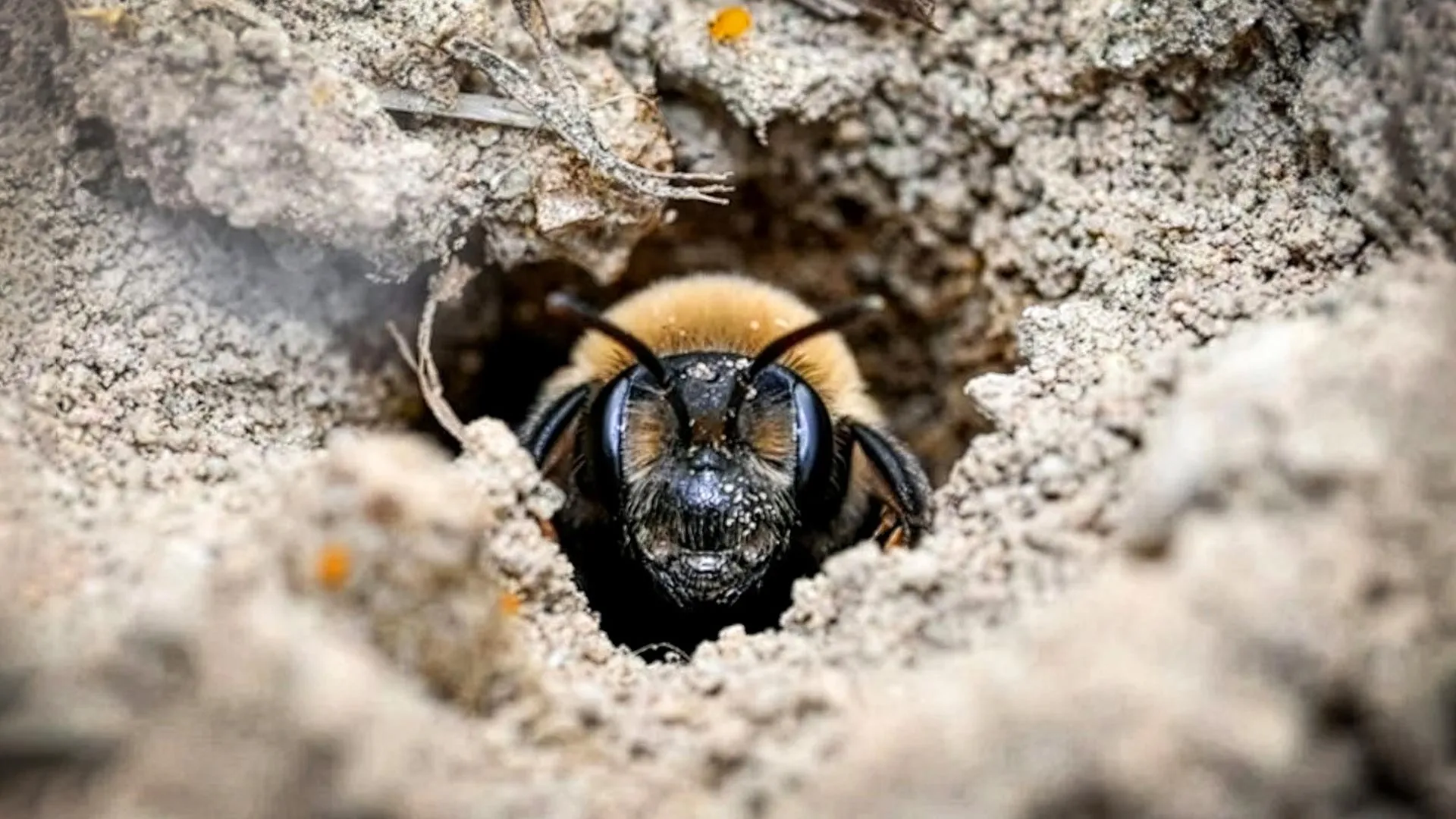
The insects were identified as Andrena regularis, commonly called the "regular mining bee," a solitary wild bee species that nests underground and helps pollinate crops and wild plants.
That simple observation led to an extraordinary discovery. Researchers found that the cemetery contains one of the largest and oldest known aggregations of ground nesting bees ever documented. Scientists estimate the site is home to roughly 5.5 million individual bees concentrated within a 1.5 acre area. According to the researchers, that is comparable to more than 200 honeybee hives and exceeds Manhattan's human population by more than threefold.