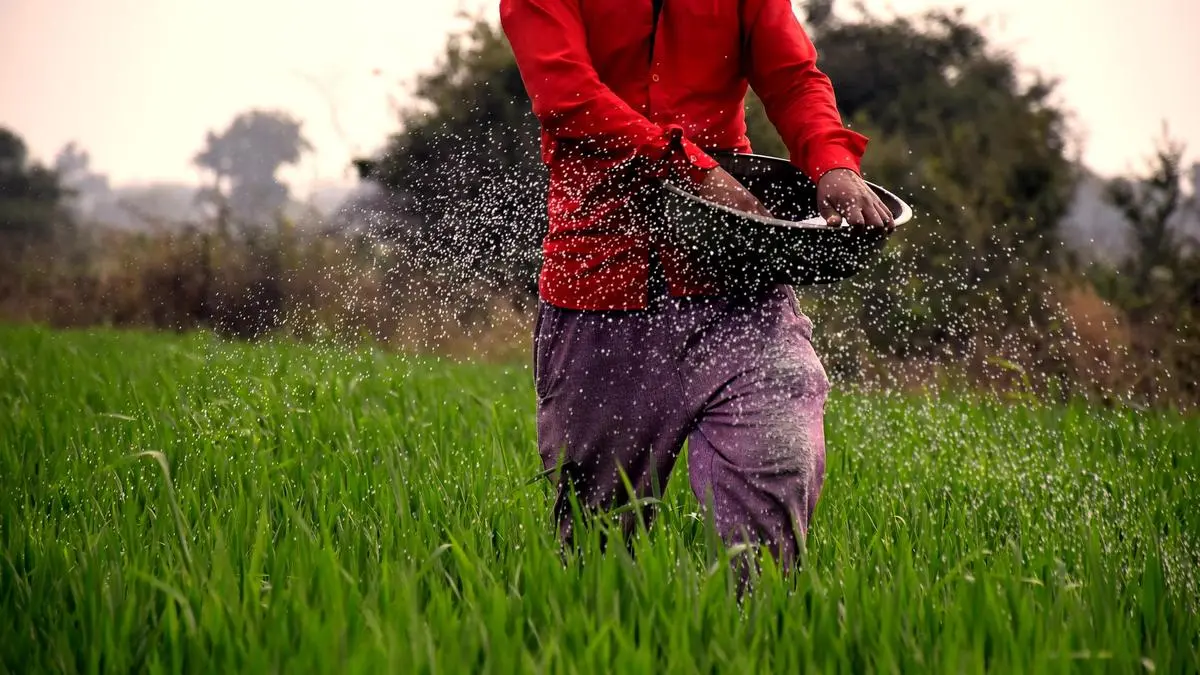
Rising cultivation costs, declining soil fertility and concerns over excessive use of conventional fertilisers are driving interest in nano fertilisers among farmers, with nano urea and nano DAP emerging as increasingly popular alternatives in several agricultural regions.A farmer sprays nano fertiliser in a paddy field as interest grows in alternative nutrient solutions for sustainable agriculture. (PTI)Agriculture experts say the shift reflects a broader move towards scientific and sustainable farming practices aimed at improving productivity while reducing input costs and environmental impact.According to experts, farmers in major paddy-growing regions, including Chhattisgarh, typically use two to three bags of urea and one bag of DAP per acre. At current prices, expenditure on these fertilisers alone can range between ₹1,900 and ₹2,200 per acre.Researchers note that a 500 ml bottle of nano urea is designed to partially replace the nutrient efficiency of a conventional bag of urea when applied through foliar spraying at recommended crop stages. As a result, farmers may be able to reduce fertiliser consumption and associated costs.Similarly, agricultural specialists suggest that combining nano DAP with reduced quantities of conventional DAP could help lower fertiliser expenses while maintaining nutrient availability for crops.Experts also point to efficiency gains. Unlike conventional fertilisers, a significant portion of which may be lost through leaching, runoff or volatilisation, nano fertilisers are designed for improved absorption by plants. This can contribute to better nutrient utilisation, healthier crop growth and improved grain development.Field trials and agricultural studies have indicated potential yield improvements of 5% to 8% under suitable conditions, though outcomes depend on crop type, soil conditions and adherence to recommended application practices.Scientists further argue that balanced use of nano fertilisers can help reduce chemical residues, minimise groundwater contamination and support long-term soil health by maintaining nutrient balance.The Agriculture Department said adequate stocks of conventional fertilisers remain available across the state and farmers need not worry about supplies. In Raipur district alone, more than 10,700 metric tonnes of urea and nearly 3,900 metric tonnes of DAP are currently stocked. Authorities are also expanding the availability of nano urea and nano DAP through cooperative societies and agricultural service centres.Agriculture experts believe that integrating scientific farming methods, balanced fertiliser use and modern technologies will play a key role in improving farm profitability. Nano fertilisers are increasingly being viewed as one of the emerging tools that could help achieve those goals.
Nano Fertilisers Gain Ground as Farmers Look to Cut Costs and Improve Yields
Agriculture experts say nano urea and nano DAP can help reduce fertiliser use, lower cultivation costs and support sustainable farming practices.
390 words~2 min read