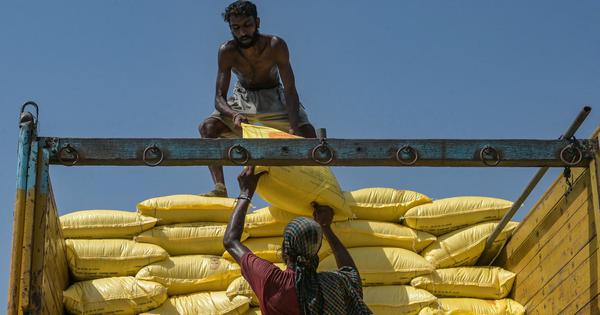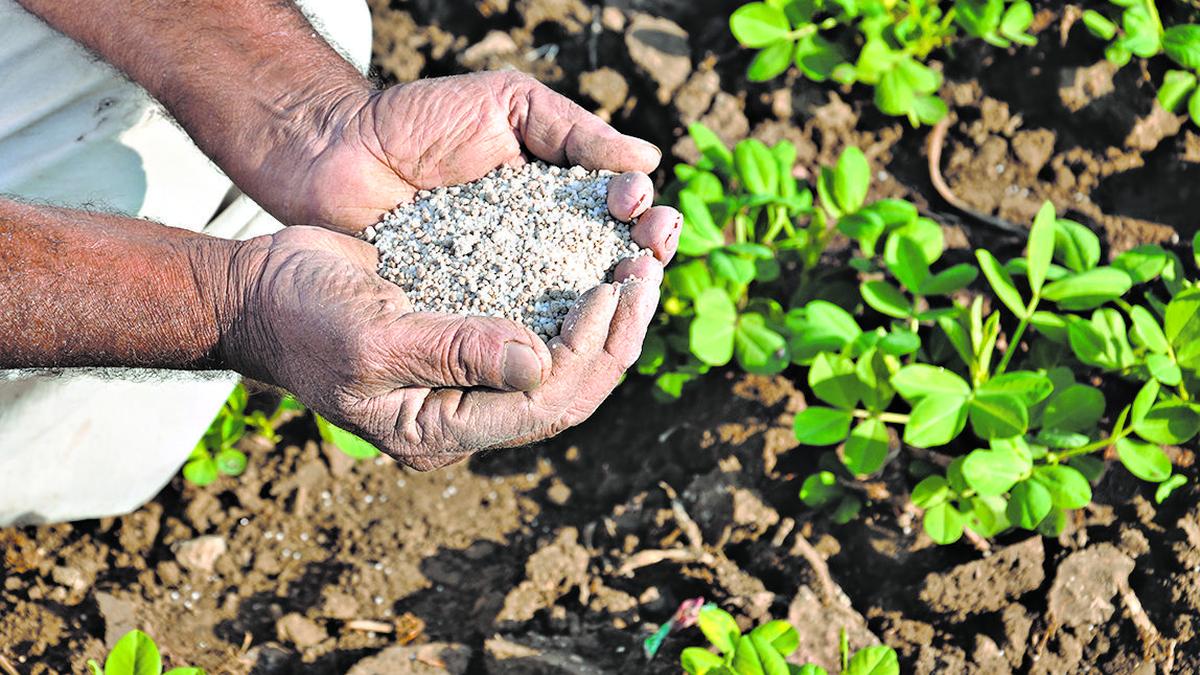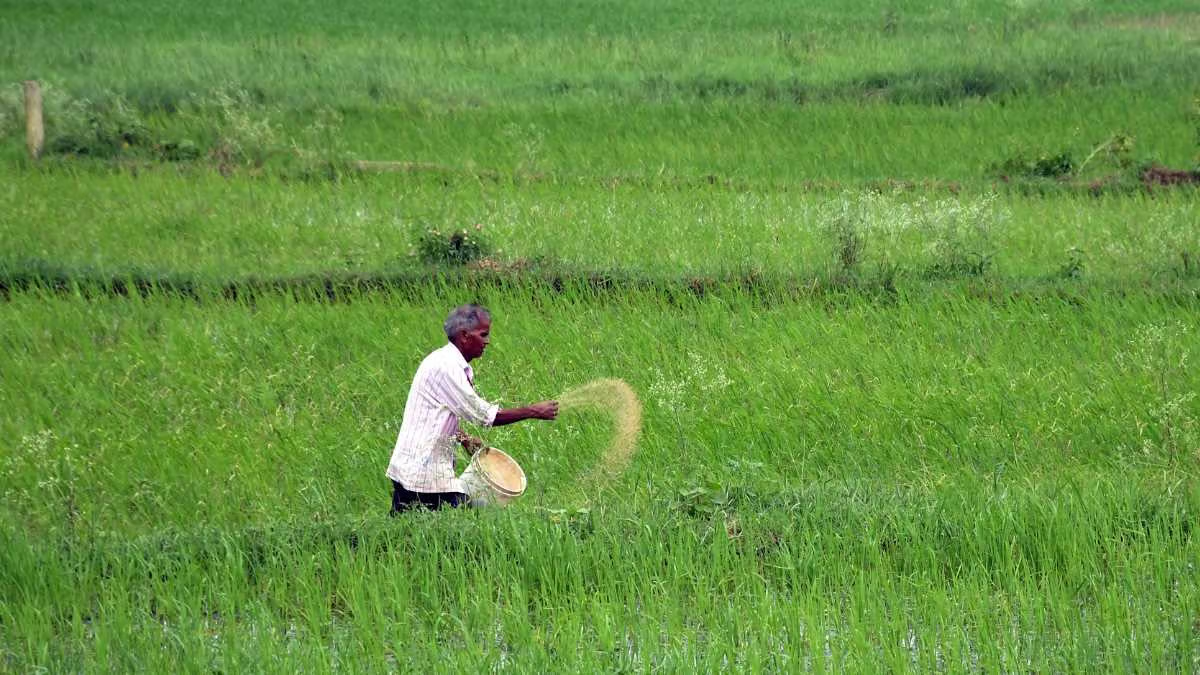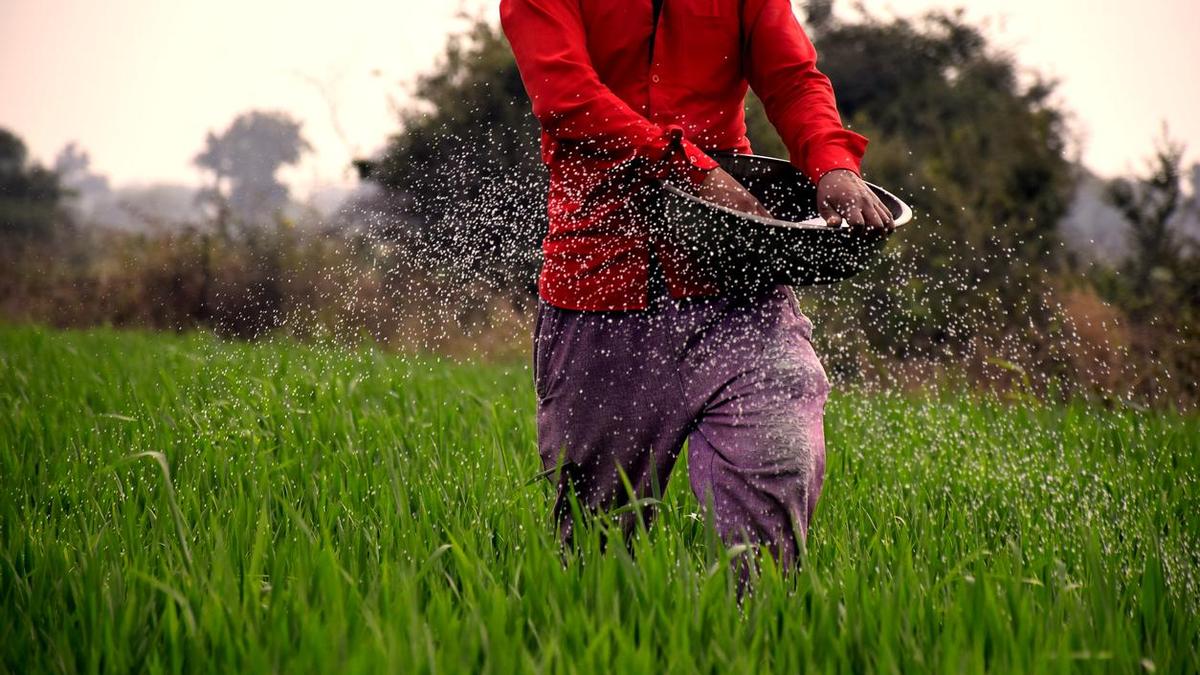
Indian farmer applying manure to an agricultural field.
| Photo Credit: Getty Images/iStock
A cotton farmer in Gujarat’s Bhavnagar reduced his fertiliser use by nearly half after a soil test showed his agricultural field did not require the quantities he had been applying for years. His yield, however, increased from 8 tonne to 11.24 tonne , officials said.The experience of Hirenbhai Nakrani from Gariadhar village reflects the objective of Gujarat’s Soil Health Card programme, under which more than 2.23 crore cards have been issued to farmers over the past two decades, officials said. The State has set a target of testing 2.18 lakh soil samples and issuing new cards during the current year.Mr. Nakrani cultivates cotton on 12 bighas of land. Earlier, he used around 400 kg of urea and 290 kg of DAP fertiliser annually. Following a soil test conducted at the Bhavnagar soil testing laboratory, he received recommendations through a soil health card and reduced his urea consumption to 180 kg and DAP usage to 140 kg.According to agriculture department officials, the reduction lowered input costs while increasing production. “The card helped us understand what the soil actually required,” Mr. Nakrani said.Officials say the scheme is aimed at promoting balanced fertiliser use and improving soil fertility. Farmers receive recommendations based on laboratory analysis of soil samples collected from their fields.Arunbhai Meniya, a farmer from Lakhtar taluka in Surendranagar district, said he began using organic inputs after receiving his soil health card report. He said the condition of his soil improved and its moisture retention capacity increased.Parul Parmar, Assistant Director of Agriculture at the Gandhinagar Soil Testing Laboratory, said the soil health card analyses 12 parameters, including major nutrients such as nitrogen, phosphorus and potassium, along with micronutrients such as zinc, iron, copper and manganese.“The recommendations help farmers avoid excessive fertiliser use and apply nutrients according to the needs of the soil,” Mr. Parmar said.Gujarat currently has 21 soil testing laboratories and one micronutrient laboratory. Officials said farmers are encouraged to follow standard sampling procedures to ensure accurate test results.The Soil Health Card programme was first introduced in Gujarat in 2003-04 and was later expanded across the country in 2015. Agriculture officials say the initiative has contributed to reducing input costs and improving productivity while supporting long-term soil management. Published - June 06, 2026 06:56 pm IST