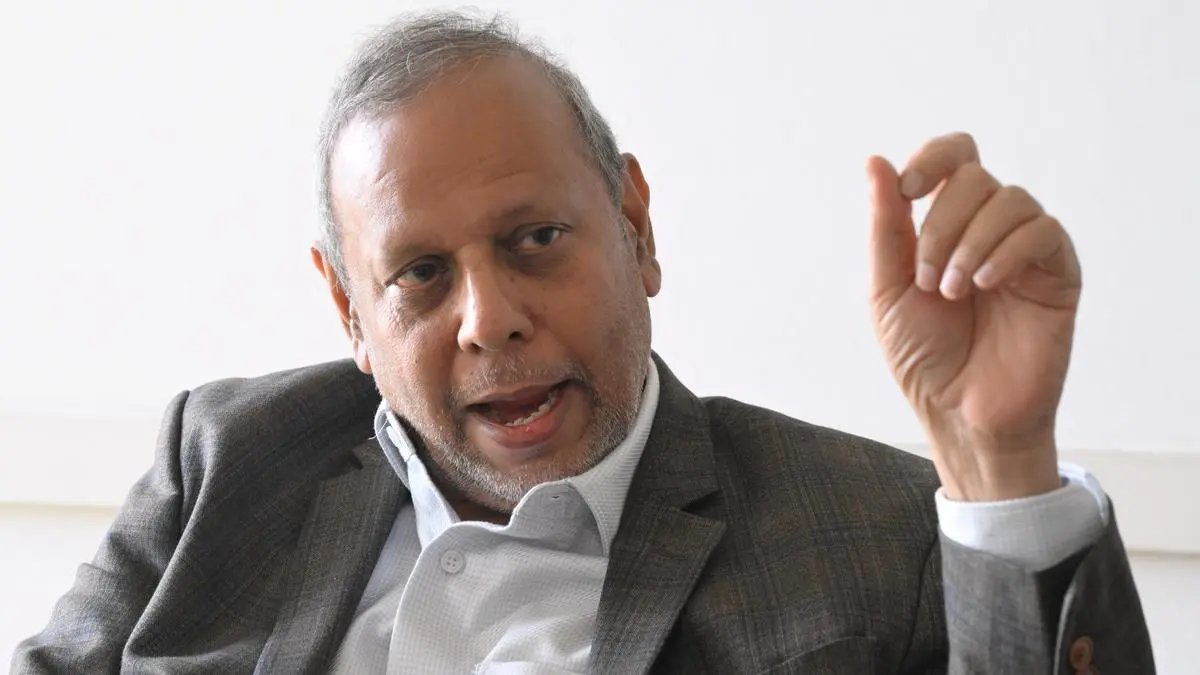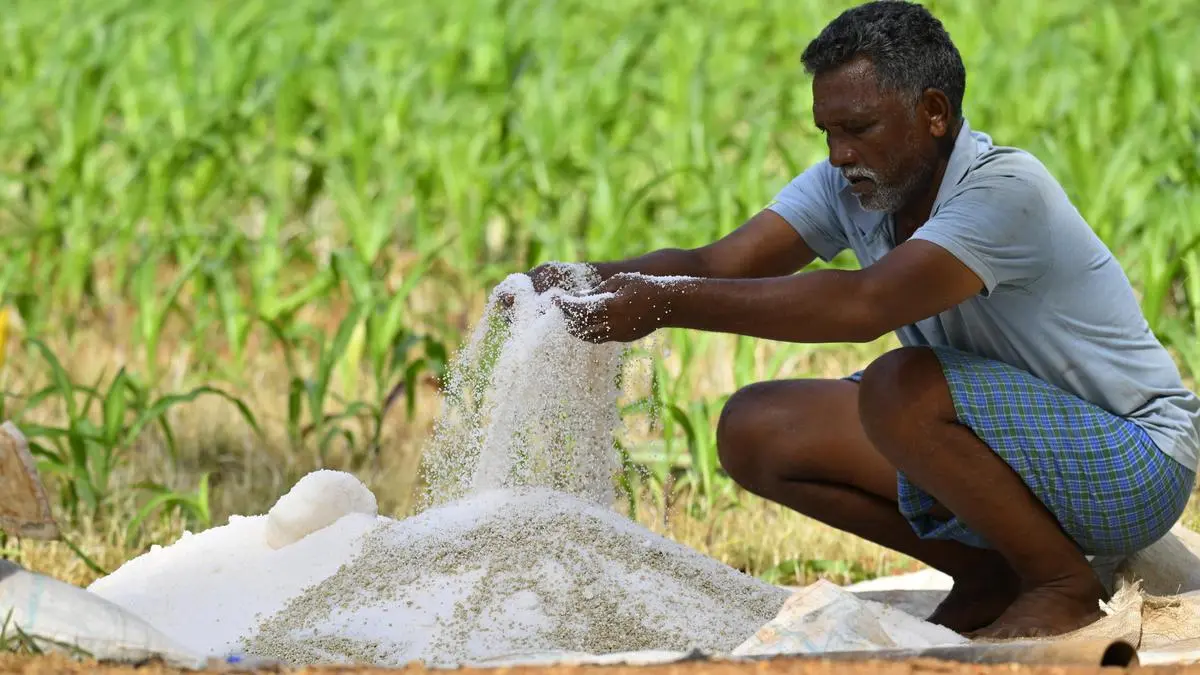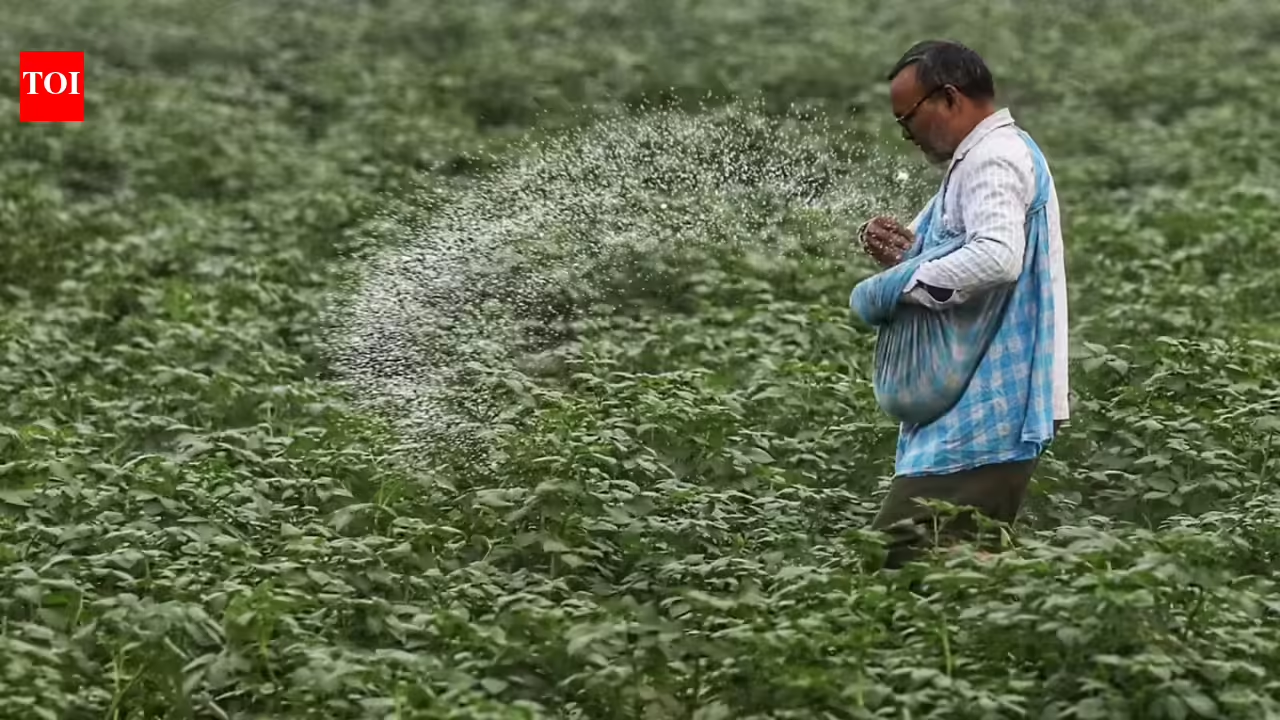
SynopsisIndia must curb chemical fertilizer use by promoting crop diversification, natural farming, and productivity-linked incentives, stated EAC-PM Chairman S Mahendra Dev. He stressed the need for a sustainable, resilient farm sector to achieve developed nation status by 2047. Dev highlighted reforms like soil health cards and nano-urea, advocating for a National Nutrient Use Efficiency Initiative and a nutrient credit system to boost soil health and productivity.PTINew Delhi, S Mahendra Dev, Chairman of Economic Advisory Council to the Prime Minister (EAC-PM), on Tuesday asserted the need to reduce consumption of chemical fertilisers through crop diversification, promotion of natural farming and offering incentives linked to productivity gains.He was addressing industry body FICCI's 'India Innovative Crop Nutrition Conclave 2026' in the national capital.Dev noted that the agriculture sector has an important role to play in making India a developed nation by 2047.The farm sector needs to be more diversified, nutritious, sustainable and climate resilient, he added.The Chairman of EAC-PM emphasised on improving crop productivity as well as enhancing post-harvest and marketing activities.Regarding high fertiliser consumption, Dev said the West-Asia conflict has created supply problems and increased subsidy. However, he added that global urea prices, fortunately, have come down sharply."India is diversifying the source of imports and trying to increase domestic production," he said.The country imported more than 100 lakh tonnes of urea last fiscal to meet domestic demand.Dev pointed out that there are several states and districts that are using very high levels of fertilisers per hectare. "Diversification of crops to less fertiliser intensive crops like millets, pulses and oilseeds can reduce fertiliser use," he said, adding that the share of organic as well as natural farming should increase.Dev noted that India's fertiliser sector reforms have been in the right direction.He listed out those reforms, including sale of neem-coated urea, direct benefit transfer (DBT), soil health cards, nano-urea, PM-PRANAM scheme, natural farming initiatives and the Nutrient Based Subsidy regime."As a next step we should consider a National Nutrient Use Efficiency Initiative that shifts our focus from the quantity of fertiliser consumed to the productivity it generates," the Chairman of EAC-PM said.Dev said this can be done through district-level efficiency benchmarking, crop-wise nutrient productivity targets, and outcome-linked incentive grants."We can develop scientifically prescribed per-acre nutrient budgets by harnessing AgriStack, satellite mapping, soil health card and PM-KISAN data, and digital land records," he added.Dev also suggested having a 'nutrient credit system' on the lines of carbon credits.He emphasised on the need to make a consolidated effort to restore soil health, by incorporating elements like composting, crop-residue management, green manure, agro-forestry and livestock linked nutrient recycling."This is because the productivity gains of the future will come increasingly from soil biology rather than from ever-greater application of nitrogen," the Chairman said.Talking about use of digital technology, Dev asked investors to look at platforms that combine artificial intelligence, the internet of things and satellite imagery to prescribe exact hyper-localised nutrient mixes."Drone based spraying, fertigation and IoT-enabled nutrient application are no longer experiments. In our ecologically stressed fertiliser-intensive regions they are becoming necessities," he observed.Dev called upon making Indian agriculture not only the most productive in the world but also the most nourishing and crop nutrient.Read More News on...moreless
Need to cut chemical fertilisers usage via crop diversification, incentives: EAC-PM Chairman
India must curb chemical fertilizer use by promoting crop diversification, natural farming, and productivity-linked incentives, stated EAC-PM Chairman S Mahendra Dev. He stressed the need for a sustainable, resilient farm sector to achieve developed nation status by 2047. Dev highlighted reforms like soil health cards and nano-urea, advocating for a National Nutrient Use Efficiency Initiative and a nutrient credit system to boost soil health and productivity.
530 words~2 min read