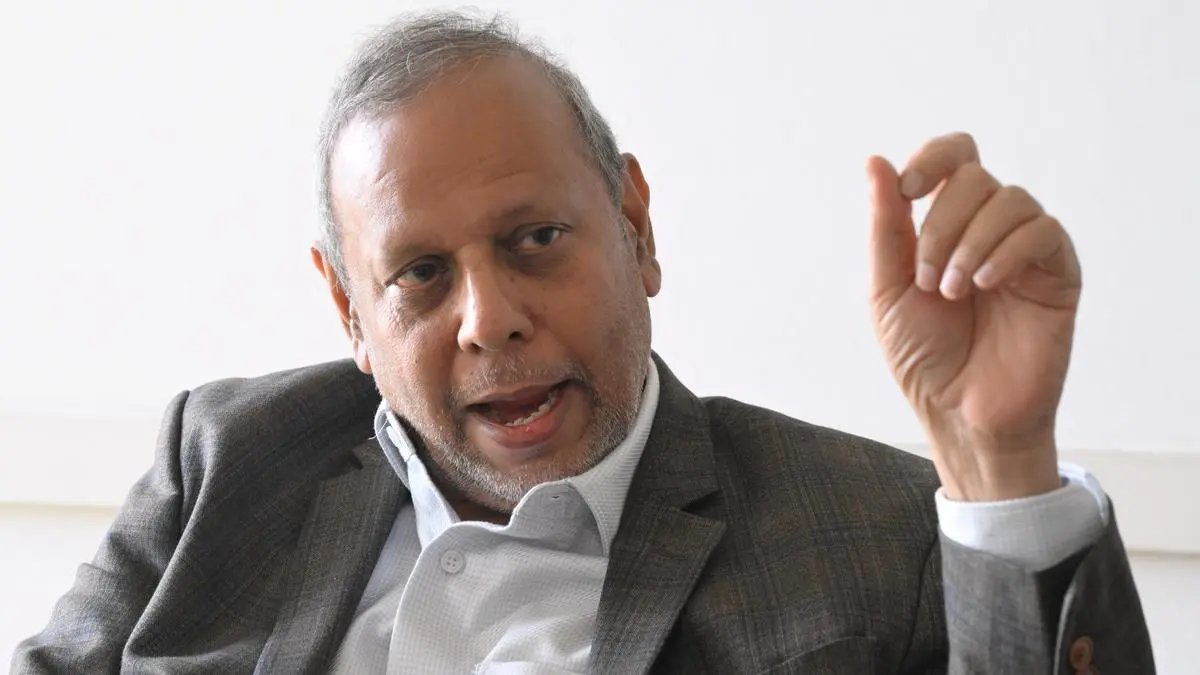
EAC-PM Chairman S Mahendra Dev
| Photo Credit:
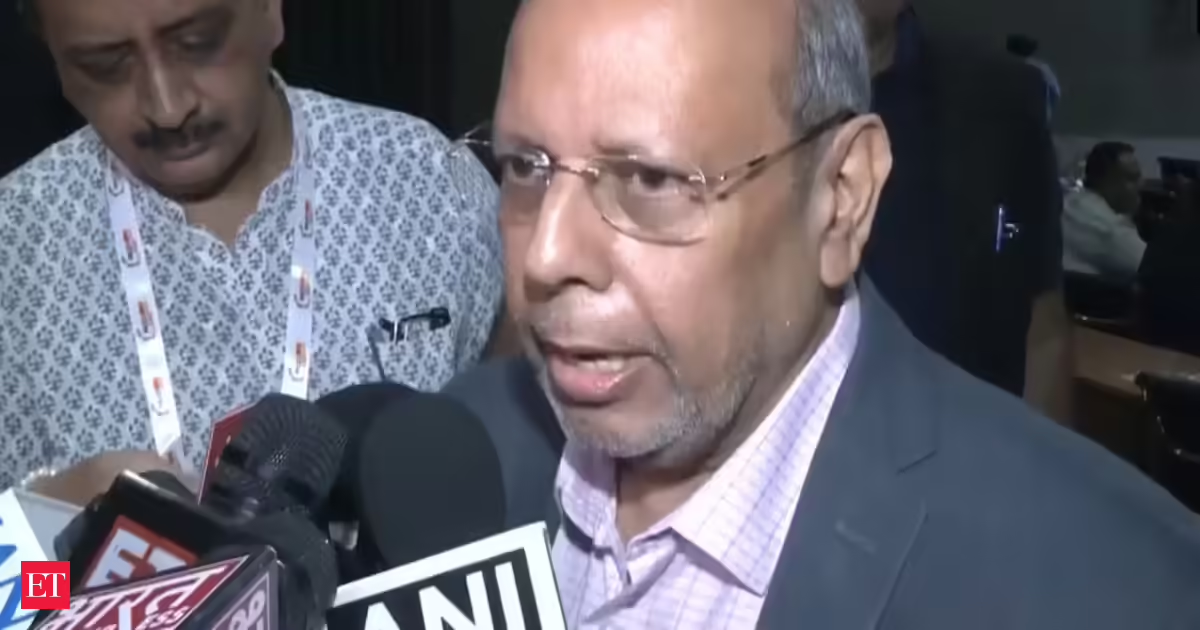
India must maintain an annual economic growth rate of around 7–8 per cent to realise the vision of ‘Viksit Bharat’ (developed country) by 2047according to S Mahendra Dev, Chairman of Economic Advisory Council to the Prime Minister (EAC-PM). He said achieving this objective will largely depend on a resurgence in private investment and strong expansion in exports. He added that agriculture sector has an important role to play in achieving it.The farm sector needs to be more diversified, nutritious, sustainable and climate resilient, he said while addressing industry body FICCI’s ‘India Innovative Crop Nutrition Conclave 2026’ in New Delhi.On the sidelines, Dev, , said that structural reforms implemented over the last few years laid the groundwork for Viksit Bharat.“We need investment for that. So, private sector investment is equally important, and export growth is also important. The Prime Minister has mentioned Atmanirbhar Bharat. That is equally important,” Dev said. He emphasised on the importance of enhancing India’s competitiveness and product quality to meet global standards.The policy framework does not signal a retreat from global trade, instead the focus remains on building domestic capability to leverage the country’s current demographic and technological advantages, he said. The government has identified specific areas to reduce import dependencies, compiling a list of 100 items where domestic manufacturing can substitute foreign goods, he added.“Overall, because of the West Asia war and also a bit of El Nino, I agree with the RBI projection of 6.6 per cent growth and also 5.1 per cent inflation,” Dev said.Asserting the need to reduce consumption of chemical fertilizers through crop diversification, promotion of natural farming and offering incentives linked to productivity gains, he said there is a need to improve crop productivity.Pointing out that the West-Asia conflict has created supply problems and increased subsidy, he said global urea prices, fortunately, have come down sharply — from over $900 to $450 a tonne. Stating that India had imported over 10 million tonnes (mt) of urea in 2025-26 fiscal, he said sources of imports are getting diversified as well as a focus on raising domestic production. He added that fertilizer sector reforms such as neem-coated urea, direct benefit transfer (DBT), soil health cards, nano-urea, PM-PRANAM scheme, natural farming mission and Nutrient Based Subsidy have been in the right direction.“As a next step we should consider a National Nutrient Use Efficiency Initiative that shifts our focus from the quantity of fertilizer consumed to the productivity it generates,” he said adding it can be done through district-level efficiency benchmarking, crop-wise nutrient productivity targets, and outcome-linked incentive grants.Published on June 23, 2026